A hobbyist has built an FPGA-based system that emulates a 486 PC, capable of running vintage OS and games like Linux 2.2.6, MS-DOS, DOOM, and Wolfenstein 3D, using a Xilinx Spartan II FPGA and a vintage i486 CPU, showcasing a remarkable DIY retrocomputing project.
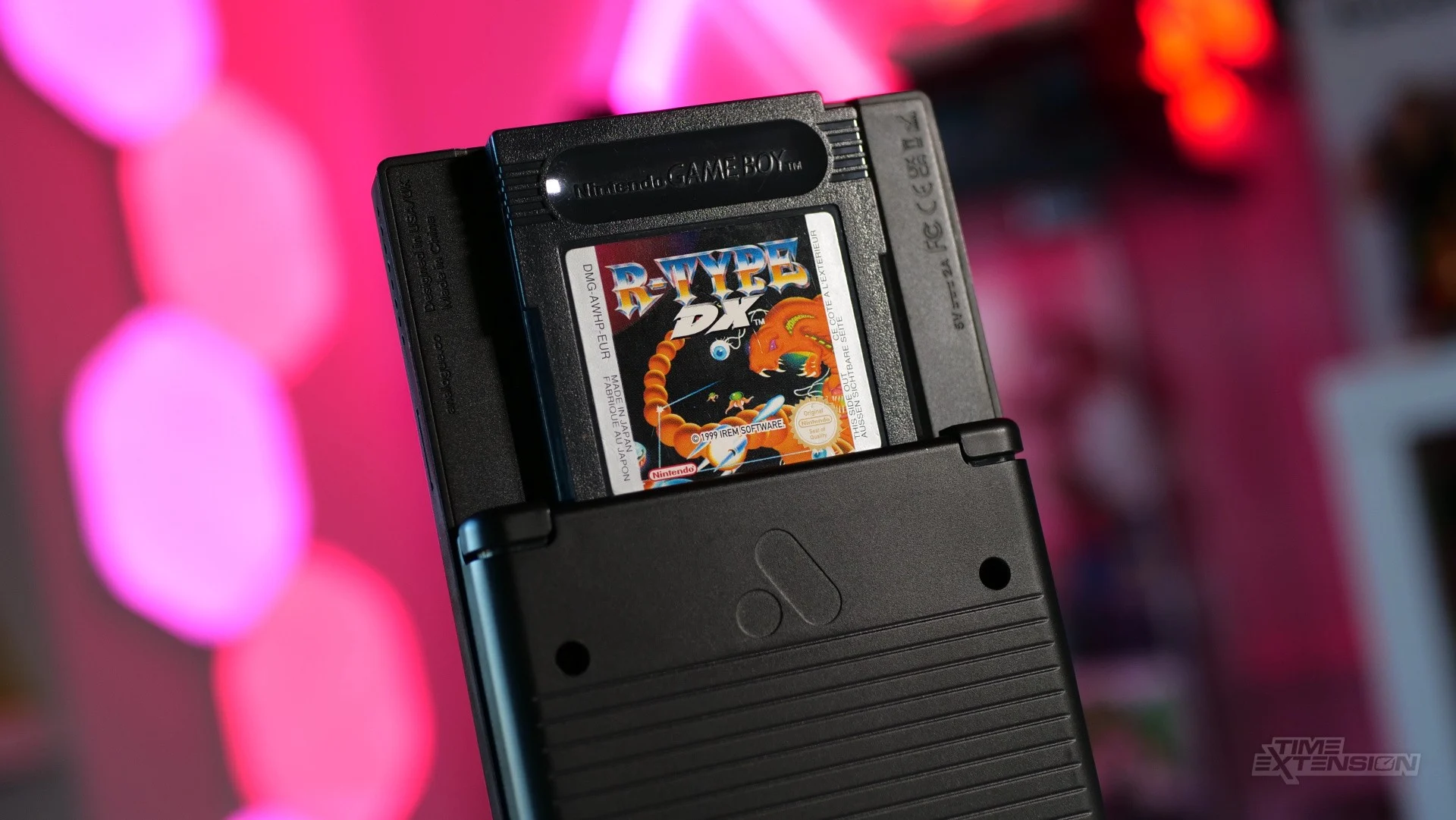
The Analogue Pocket now supports an app called MROM that allows users to dump ROMs and save data from physical Game Boy cartridges to preserve their collections, although the feature is still in early development and may have limitations.
Recent research and expert analysis suggest that the Analogue 3D, a device designed to emulate N64 cartridges on modern TVs, may not be entirely cycle accurate to the original hardware, despite claims of 100% accuracy. While still highly regarded and playable, the device's FPGA implementation has minor discrepancies, though a fix is reportedly in development. The device remains a significant improvement over emulators, but its precision may improve with future updates.
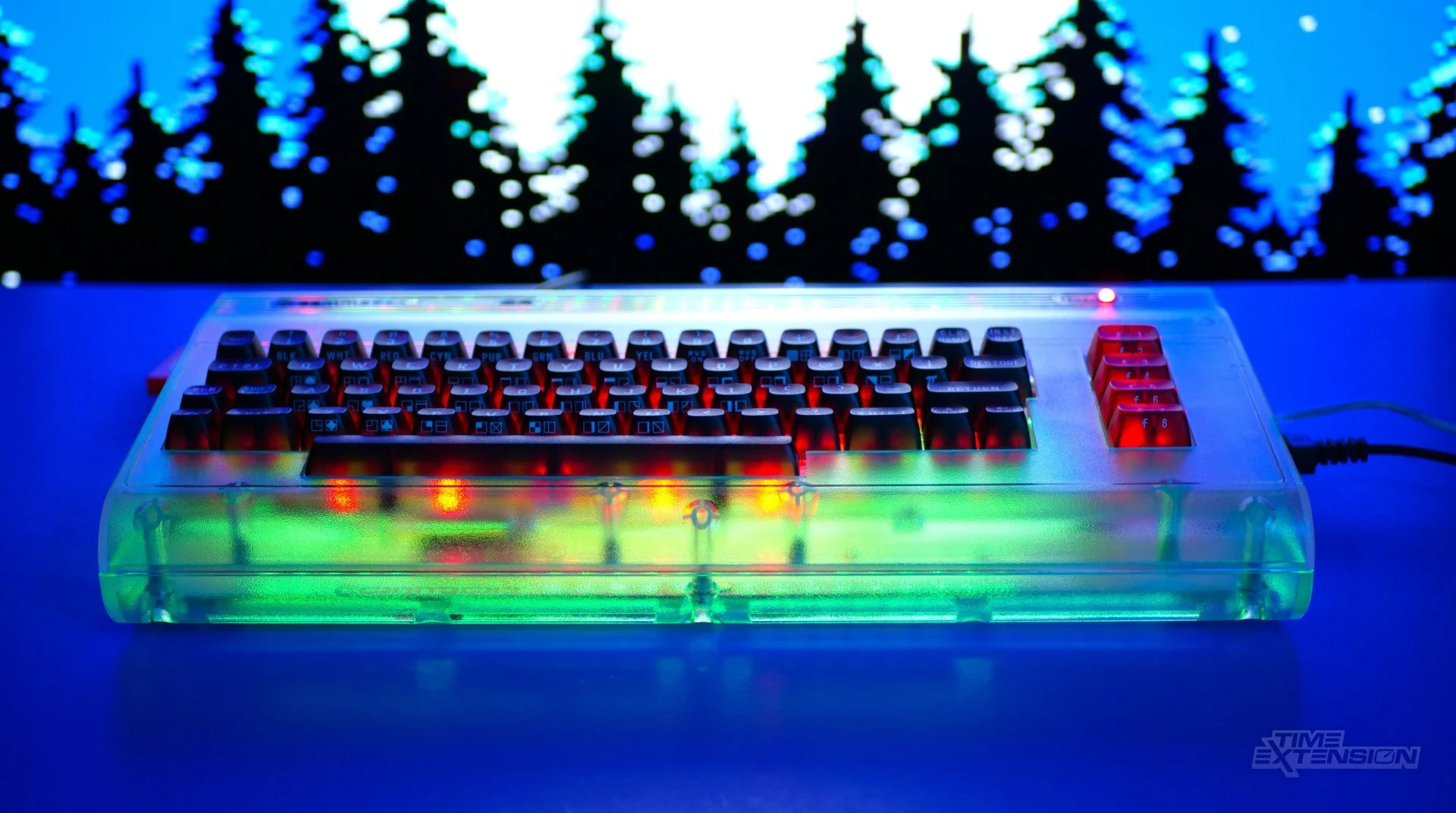
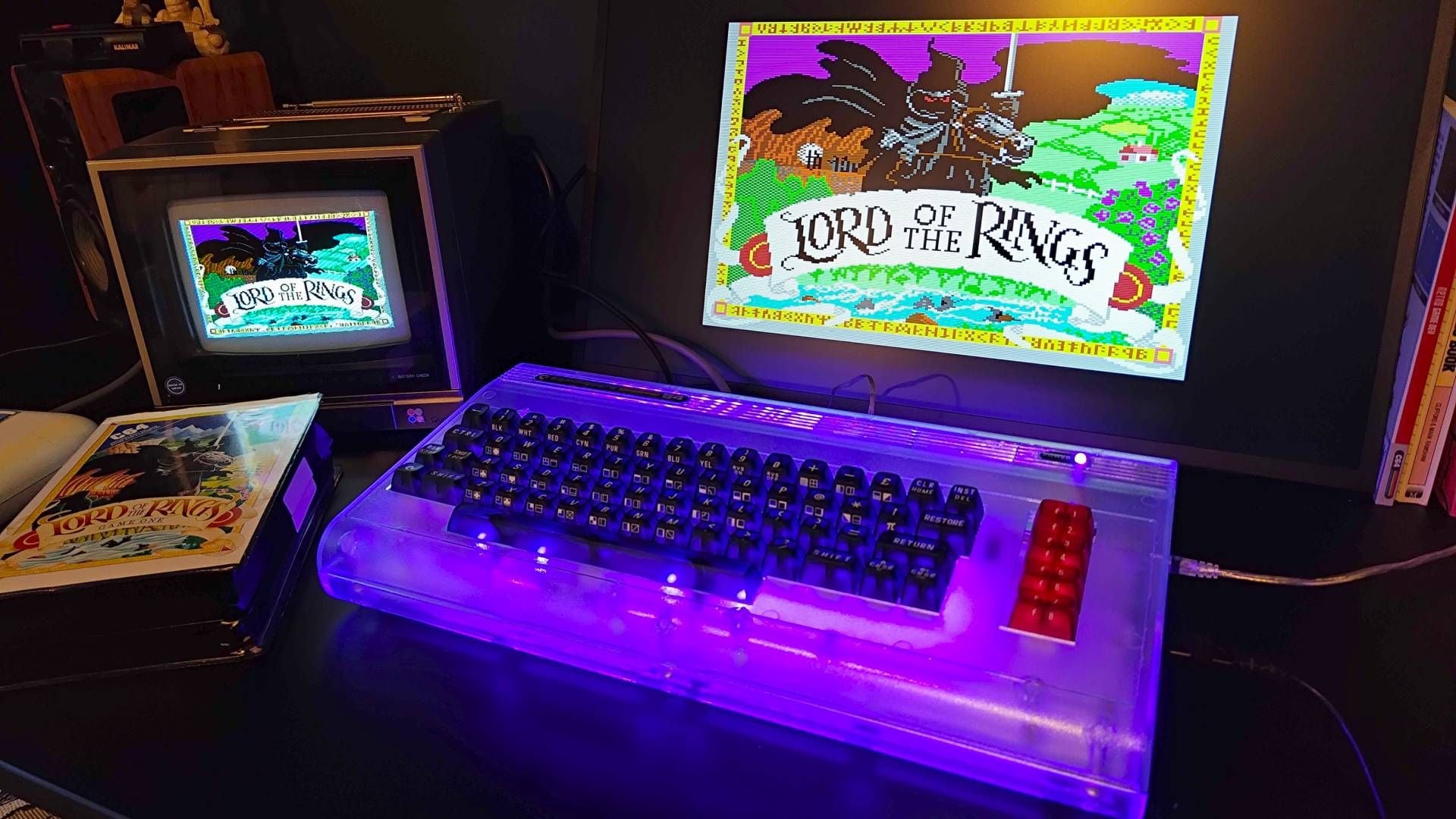
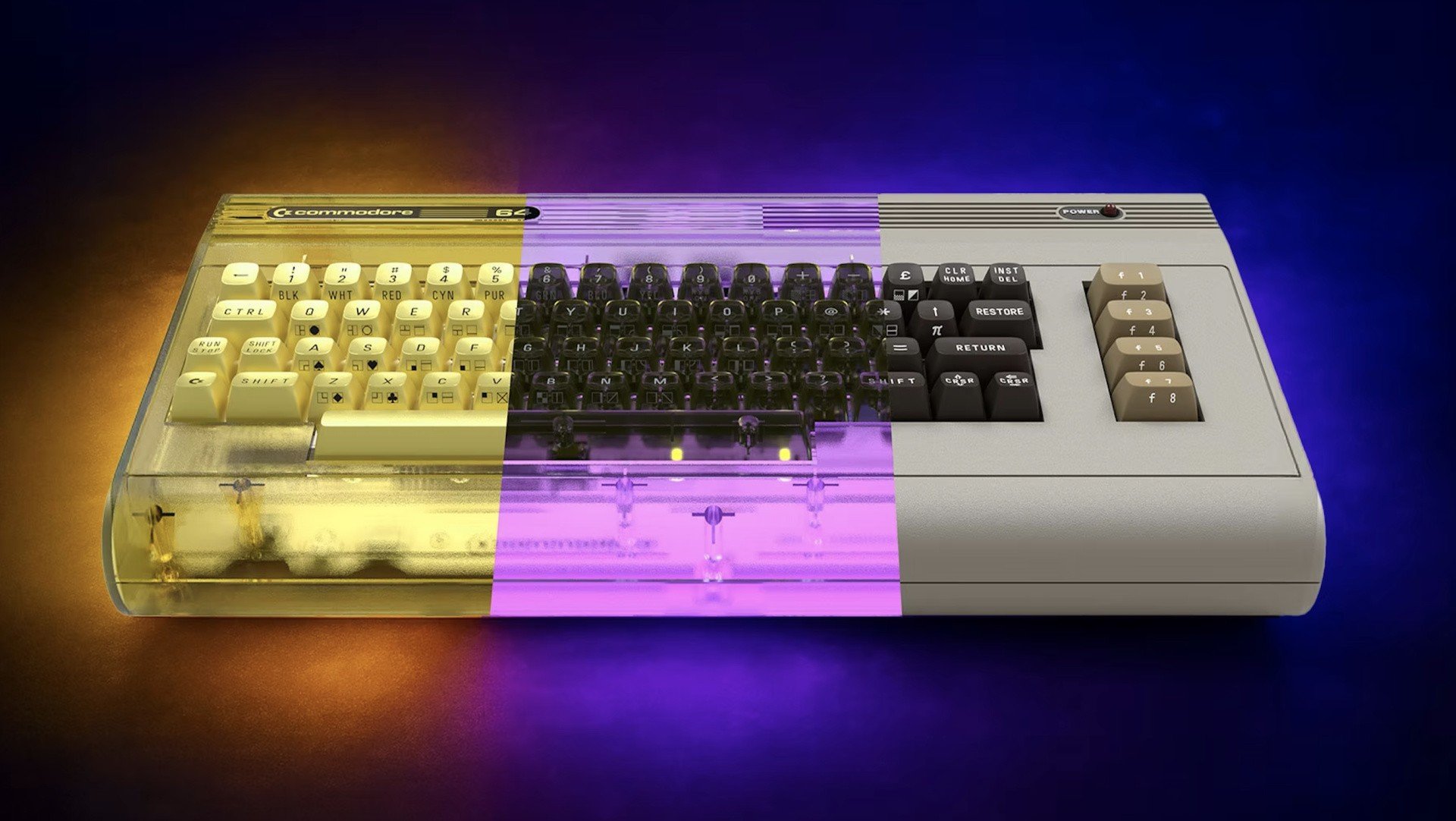
The Commodore 64 Ultimate is a highly faithful FPGA-based recreation of the classic 1982 home computer, offering modern features like HDMI output, USB, Ethernet, and compatibility with original peripherals, while maintaining authentic performance and sound. Despite some build quality concerns and a high price, it is a compelling device for enthusiasts seeking an authentic and upgradeable C64 experience.
The Commodore 64 Ultimate is a highly authentic FPGA-based remake of the classic C64, offering modern features like HDMI output and full compatibility with original games and peripherals, making it a top choice for enthusiasts despite its high price. It revives the '80s microcomputer experience with modern enhancements, appealing to dedicated fans and potentially sparking a microcomputer revival in 2025.
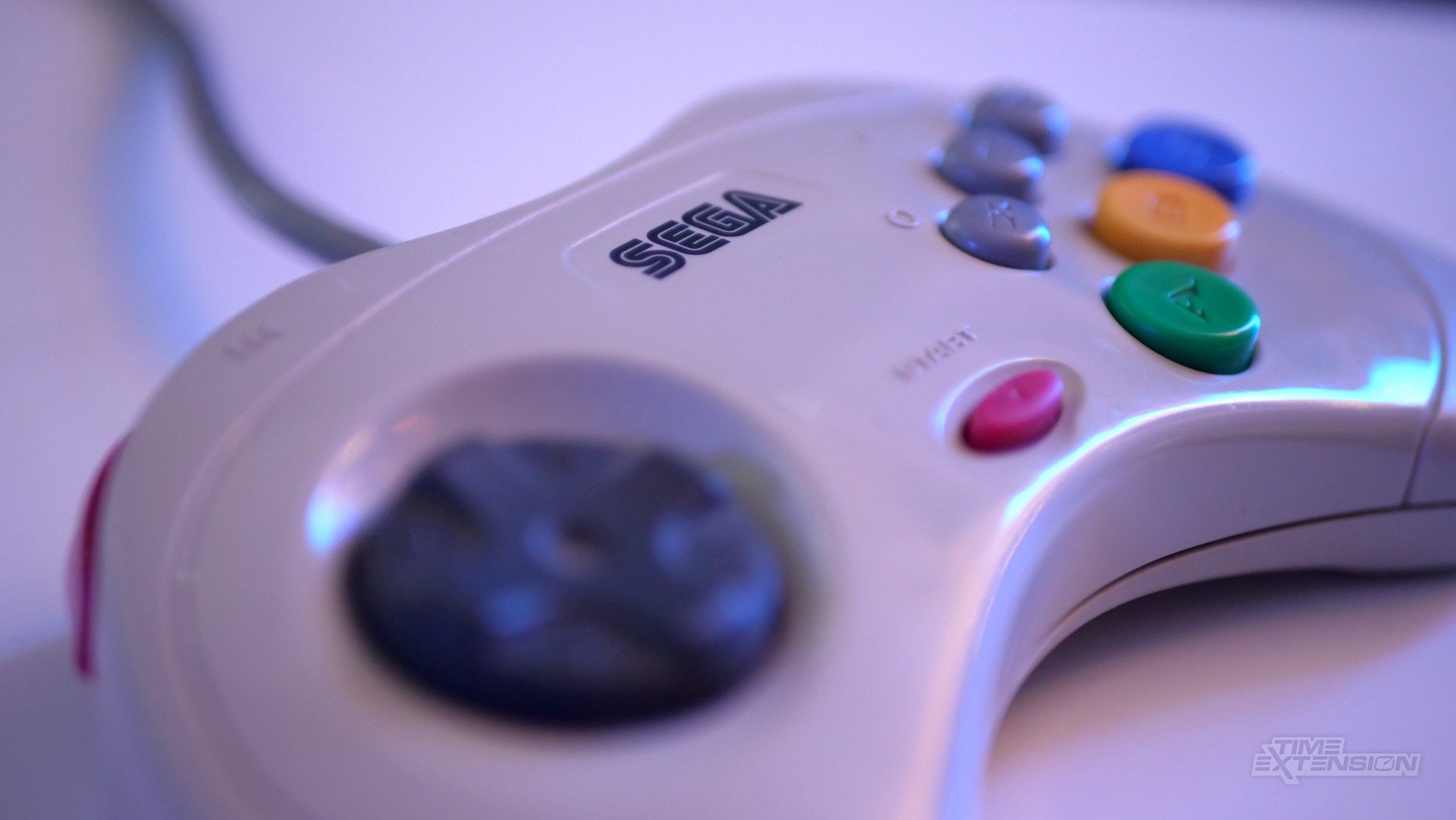
Sergiy Dvodnenko, creator of the Saturn FPGA core for MiSTer, refutes claims that his core is '100% hardware accurate,' stating it is still far from complete accuracy, despite passing emulation tests and providing a near-authentic gaming experience.
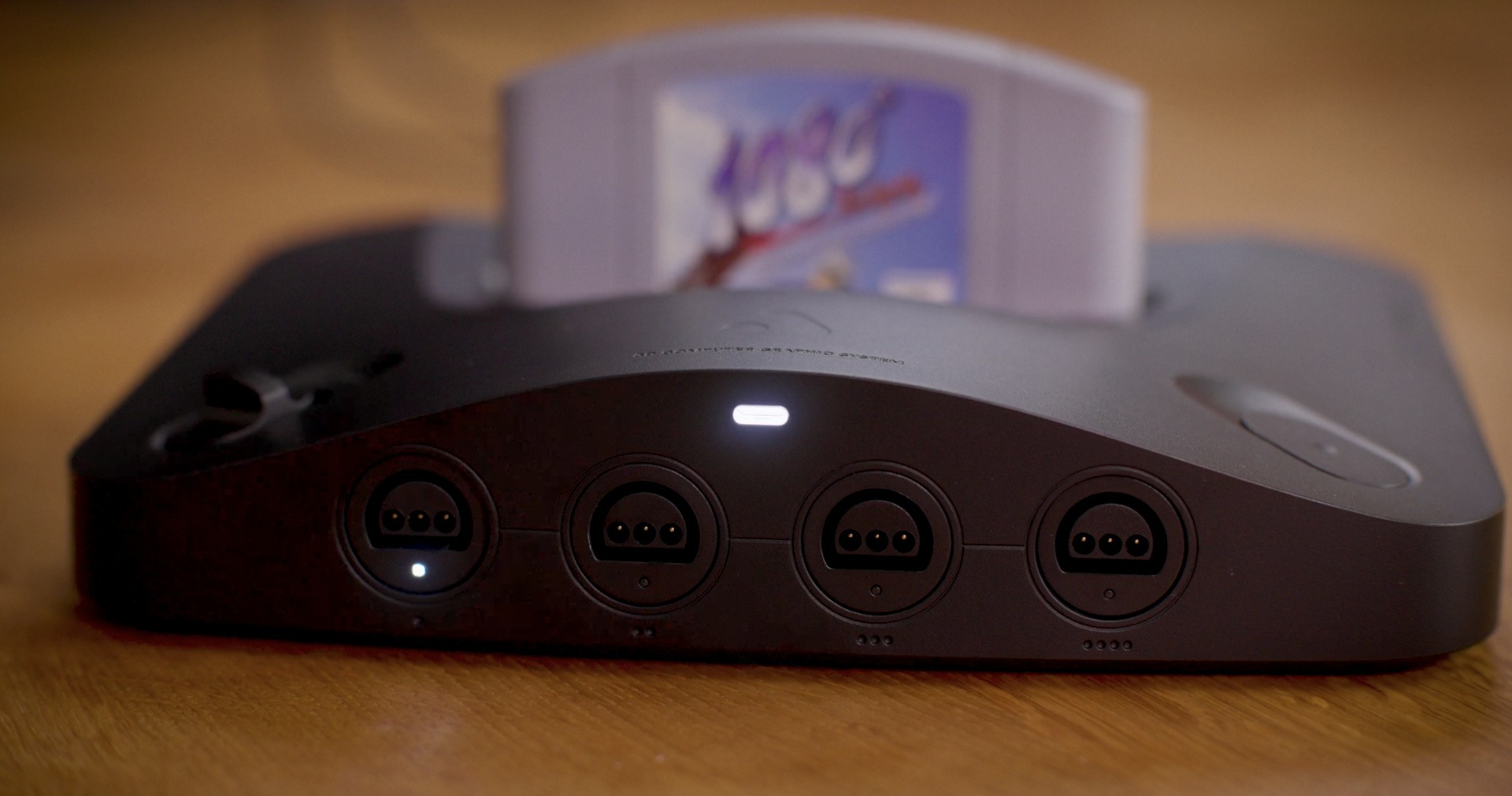
Analogue has shown its FPGA-based N64 console, the Analogue 3D, running for the first time, with footage of it playing 1080 Snowboarding. The console, expected to launch in Q4 2024, features a controller from 8BitDo and faces potential competition from the ModRetro M64 upon release.
Commodore International, under new ownership, has announced the Commodore 64 Ultimate Edition, a modern recreation of the classic computer powered by an AMD Xilinx FPGA, with pre-orders available for three editions, expected to ship in late 2025, featuring high compatibility with original games and peripherals.
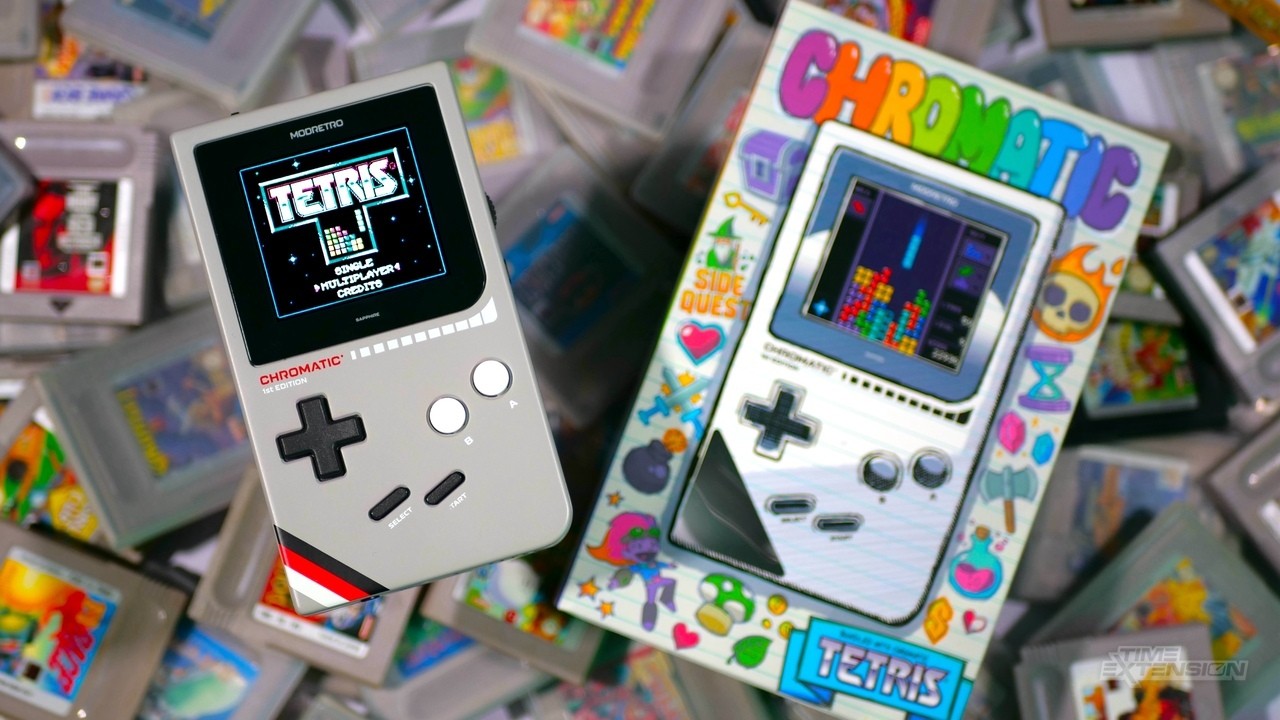
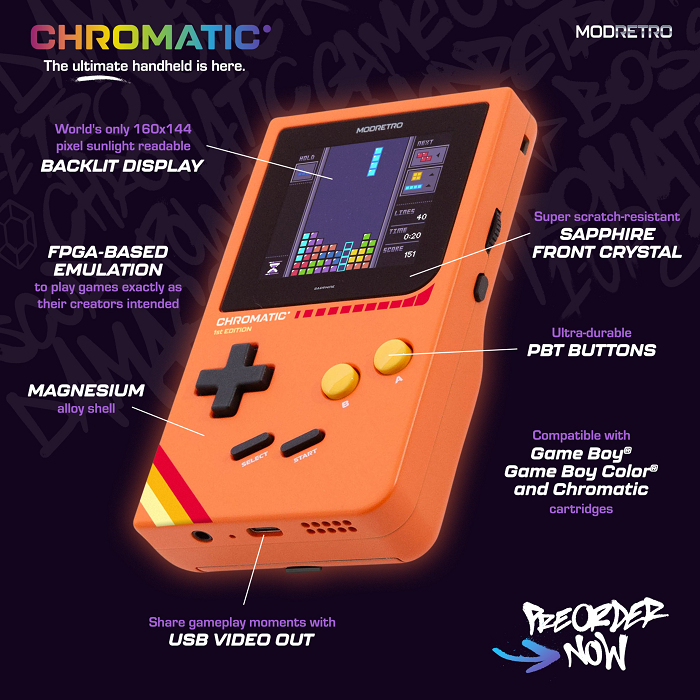
The ModRetro Chromatic is a new Game Boy Color clone that uses FPGA technology to run physical cartridges, offering a modern take on the classic handheld. Priced at $199, it features a magnesium alloy shell, a sunlight-readable backlit display, and compatibility with Game Boy and Game Boy Color games and accessories. While it lacks some features of its competitor, the Analogue Pocket, such as save states and broader cartridge compatibility, it provides an authentic gaming experience with a focus on nostalgia. The Chromatic is aimed at fans of the original Game Boy, offering a faithful recreation with modern enhancements.
Palmer Luckey, founder of Oculus, is launching the ModRetro Chromatic, a $199 FPGA-based Game Boy system. This device features a pixel-perfect IPS display, link cable port, USB-C charging, and support for original Game Boy and Game Boy Color cartridges. Set to release in holiday 2024, it aims to be a high-quality tribute to the original Game Boy, available online and at GameStop.
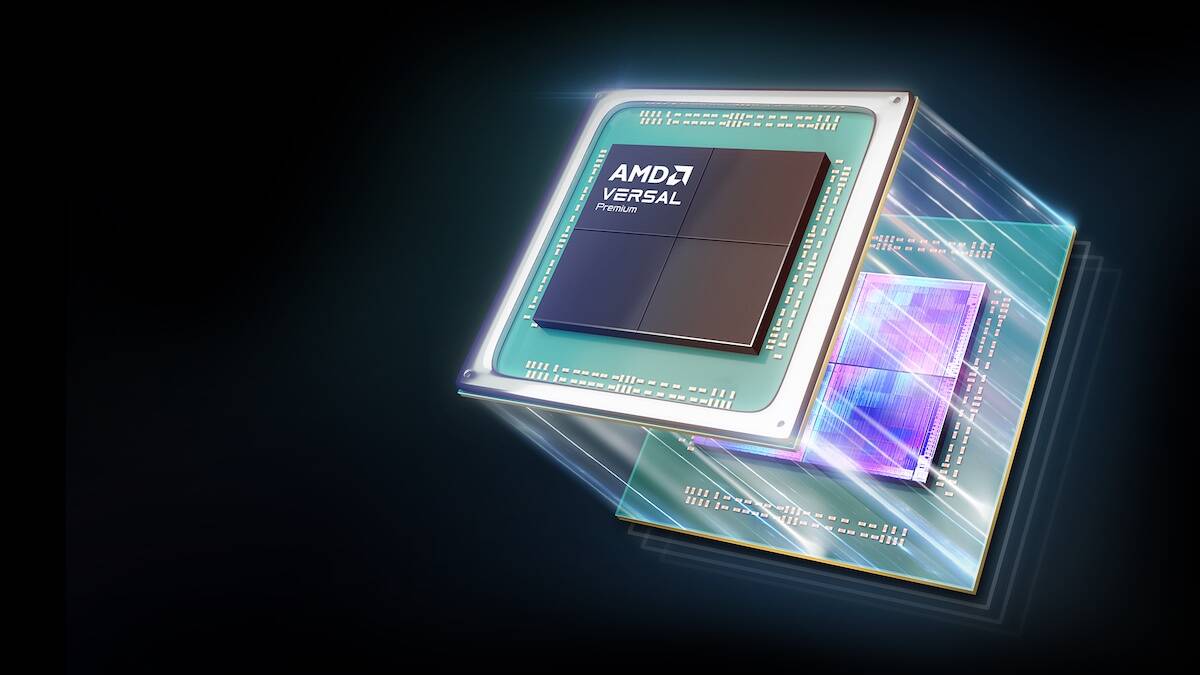
AMD has introduced the world's largest adaptive system-on-chip (SoC), the AMD Versal Premium VP1902, which offers 2x the capacity of previous-generation FPGAs, providing chipmakers with the tools to bring new ASIC and SoC designs to market faster. The VP1902 is an emulation-class, chiplet-based device designed to streamline the verification of increasingly complex semiconductor designs. The AMD Vivado ML design suite provides customers with a comprehensive development platform to quickly design, debug and validate next-generation applications and technologies and accelerate time to market. The AMD Versal Premium VP1902 adaptive SoC will begin sampling in Q3 to early access customers with production expected in the first half of 2024.
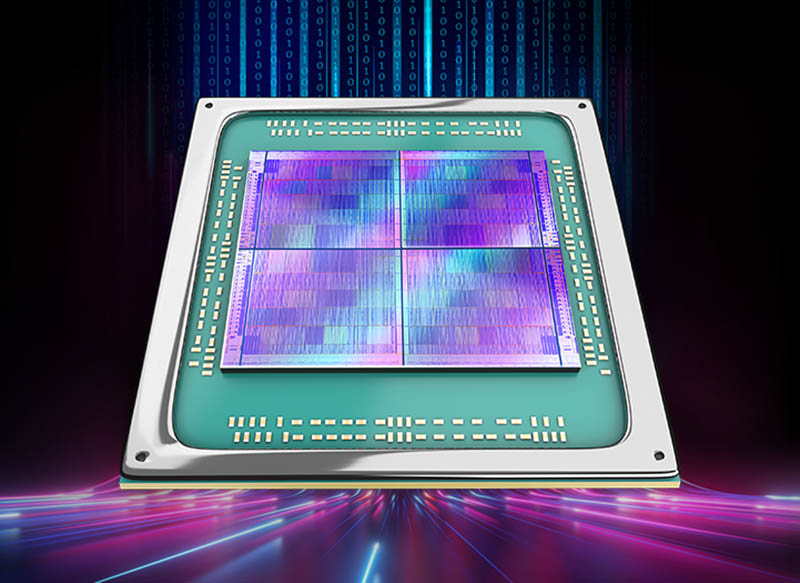
AMD's latest Versal Premium VP1902 FPGAs are designed to emulate, test, and debug chips before they've even been built, allowing chip designers to create a digital twin of their upcoming ASIC or SOC well ahead of silicon tape out. The massive chip boasts 18.5 million logic cells, twice that of the outgoing VU19P, and features a new chiplet architecture that places four FPGA tiles in quadrants, reducing latency and congestion as data moves through the chips. The VP1902 is slated to start sampling to customers in Q3 with general availability beginning in early 2024.
AMD has launched the world's largest FPGA, the VP1902, which doubles the gate count of the previous-gen largest FPGA, the Xilinx VU19P. The VP1902 has up to 18.5M logic cells, more transceivers, and more bandwidth on the transceivers to connect more devices for larger emulation capability. It also has unique features such as a new processing system, programmable network on chip, hardened DDR memory controllers, and more Ethernet MACs. The chip has two sets of mirrored and rotated dies combined into a single package. Samples will be available next quarter.
Iran's recent claim of using a Digilent ZedBoard Zynq-7000 hybrid SoC/FPGA development board for quantum processing algorithm to detect water surface disturbances has been ridiculed by Western media. However, FPGA-based quantum simulations are a real thing, as demonstrated in research papers. FPGAs have a limited number of cells, and the time-space tradeoff limits them to two qubits, making it impractical for real-world military applications. For practical simulations, Google recommends renting a bunch of GPUs instead.