A regional grocery chain, Hitchcock's, which has served Central Florida for over 80 years, is unexpectedly closing all its locations, raising concerns about access to affordable, fresh food in rural communities and potential food deserts.
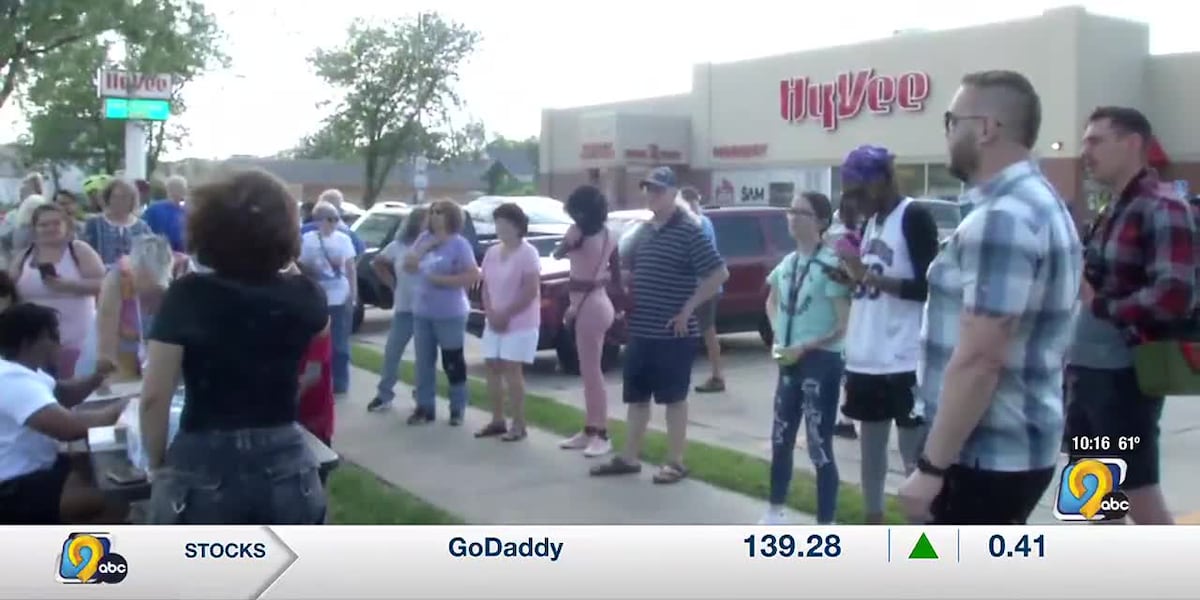
Hy-Vee is closing its Cedar Rapids store on June 23, creating a "food desert" in the area. To ease the transition, the company will offer a free shuttle service to another Hy-Vee location, free grocery delivery within a mile of the store, and free pharmacy delivery. They will also support a mobile food pantry in partnership with HACAP. Community members, including Cedar Rapids Mayor Tiffany O'Donnell, have expressed concerns and are seeking long-term solutions to ensure the space continues to serve the community.
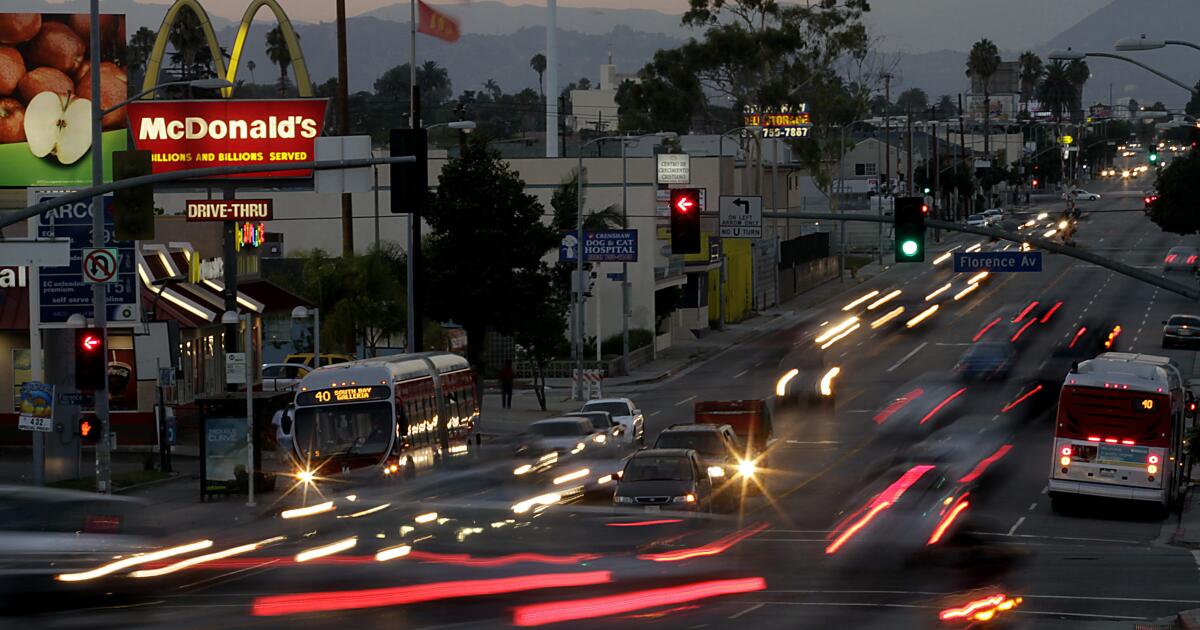
South Los Angeles, a region with limited access to affordable, healthy food due to a lack of supermarkets, is bracing for higher prices at fast-food restaurants as the minimum wage for fast-food workers is set to increase from $16 to $20 on April 1. With about 40% of residents living in a food desert, the looming price hikes, anticipated to be around 4% to 5%, are expected to impact families who rely on fast food for daily nutrition. While some plan to moderate their fast-food intake, others, including fast-food chains, acknowledge the imminent price increases. The new law, covering workers at chains with 60-plus locations in the U.S., is also expected to lead to layoffs, automation, and reduced work hours as companies try to offset the higher labor costs.
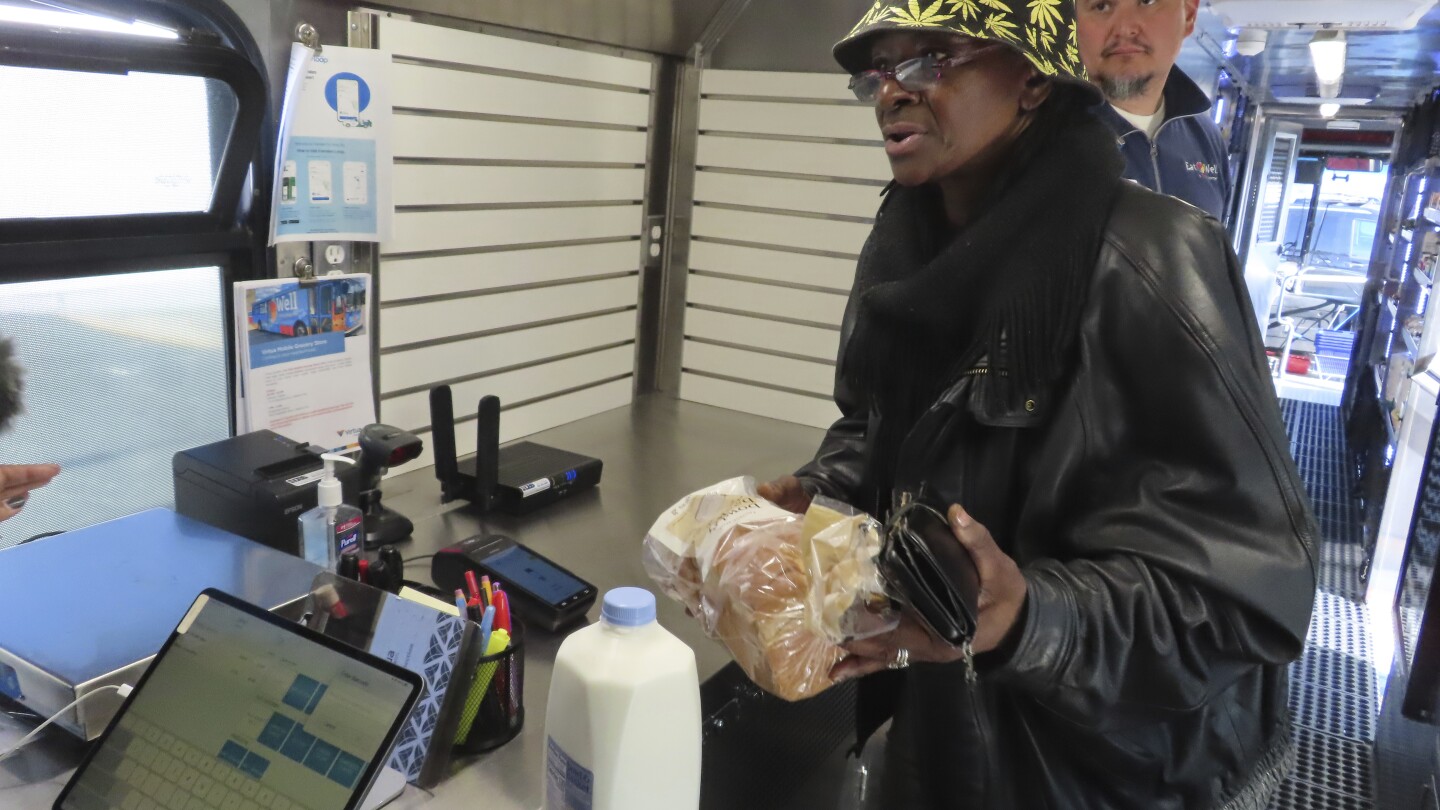
Atlantic City, New Jersey, lacks a supermarket, forcing residents to travel off the island or rely on expensive and poorly stocked corner stores. A plan to build a supermarket fell through, leaving the city without a reliable source of fresh food. To address this issue, the state and a hospital system have introduced a mobile grocery program, bringing a converted school bus filled with fresh produce to economically deprived areas. The program aims to provide high-quality food at discounted prices and improve access to healthy options in communities designated as "food deserts."
A popular Giant Food store located on Alabama Avenue Southeast in Washington, D.C. is facing potential closure due to ongoing issues with shoplifting. D.C. Councilman Trayon White expressed concern about the impact this closure would have on the community, potentially creating a food desert in the area.
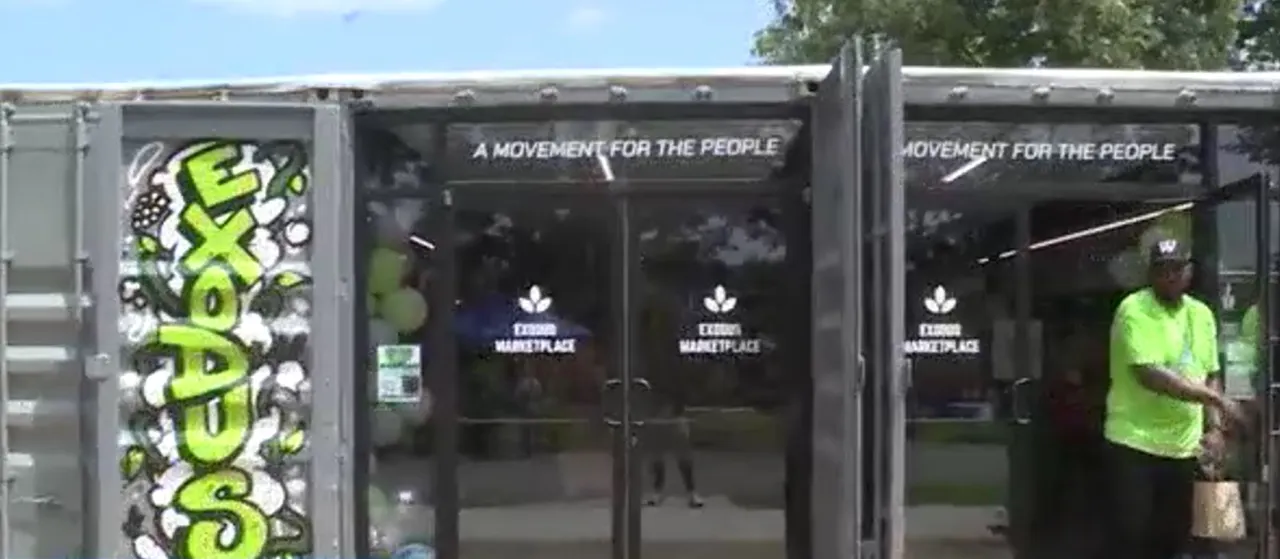
A new micro-grocery store called Exodus Marketplace has opened in the Raleigh neighborhood of Memphis, helping to address the issue of food deserts. The store, built using two shipping containers, offers fresh, locally grown food and also provides classes on cooking and gardening. It aims to support local farmers by giving them a platform to sell their produce directly to the community. The marketplace is open to the public, but an annual membership of $45 allows for practically free shopping one day a month. The store's presence is seen as a game changer for families in terms of accessibility, affordability, and support.
The City of Rochester has launched a healthy food grant program to combat food deserts in the area, following the closure of another grocery store. The program will provide funding to businesses that offer healthy food options in underserved neighborhoods.
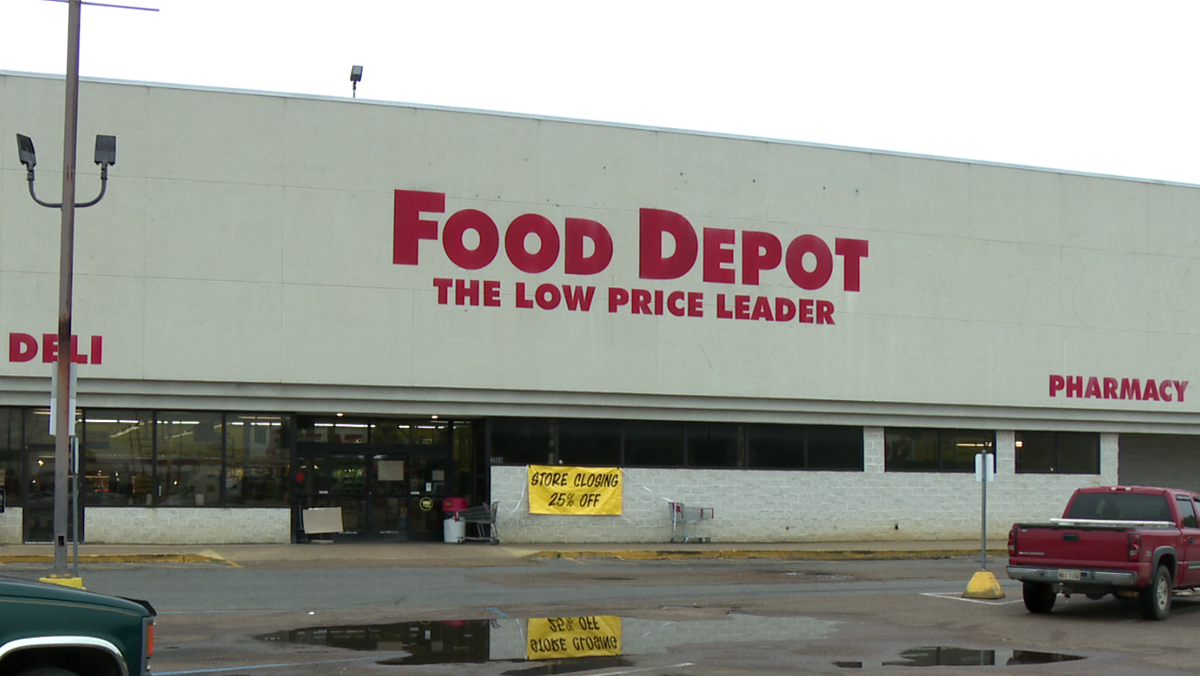
The closure of a Food Depot in West Jackson is expected to create a food desert for several communities, leaving residents with limited grocery options. Councilman Kenneth Stokes believes the store is closing due to theft and a lack of security. Workers with Food Depot are also uncertain about their future after the closure.
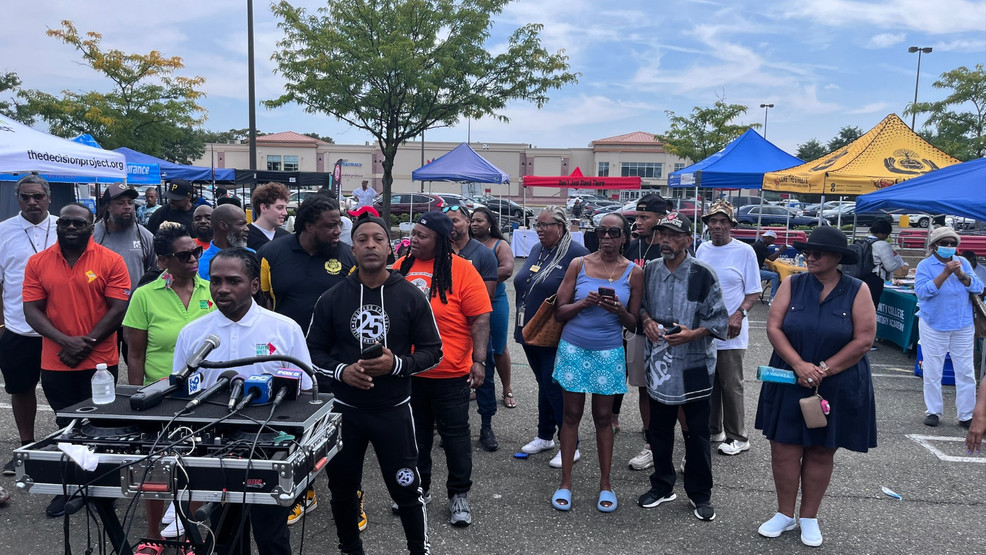
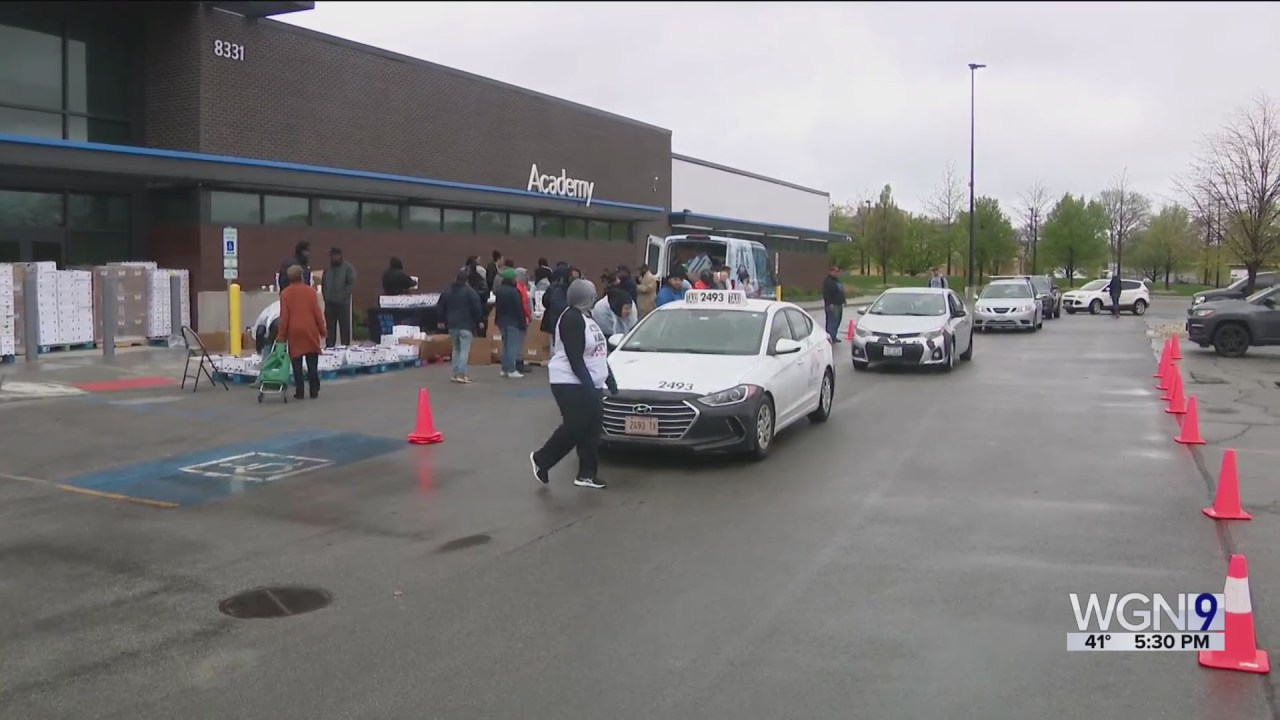
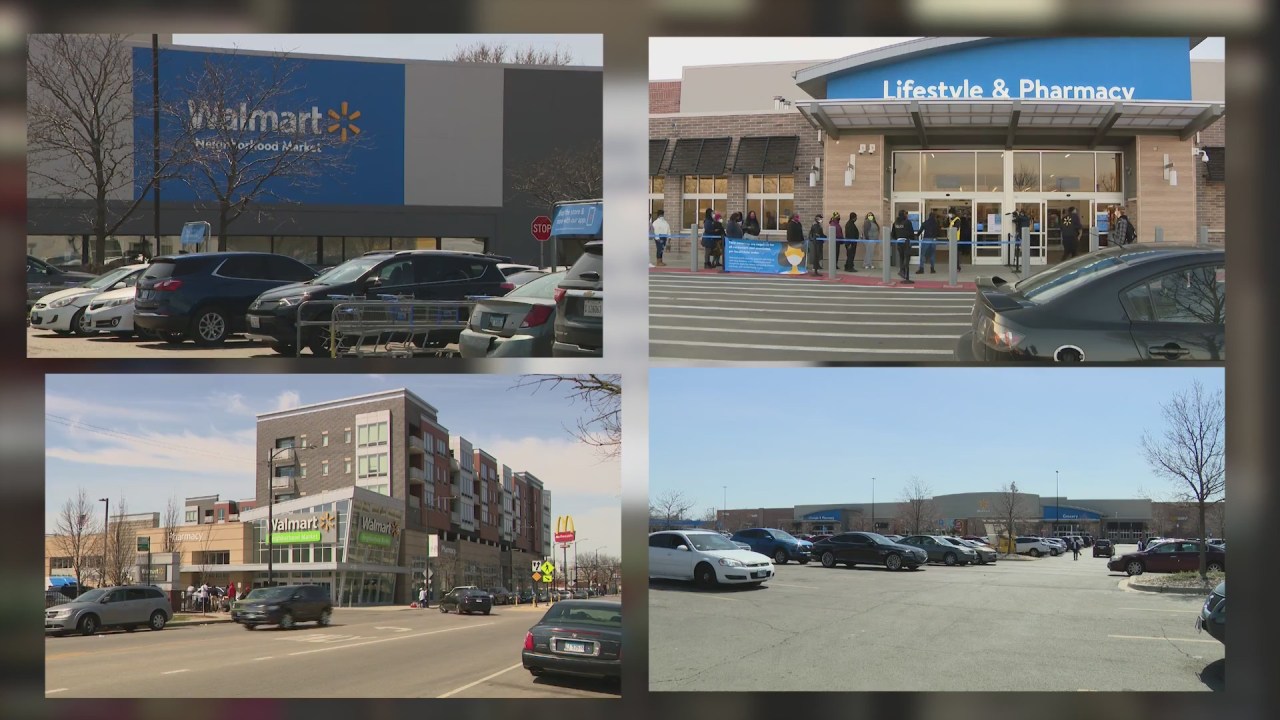
My Block, My Hood, My City and Top Box Foods gave out 1,000 boxes filled with fresh fruits and vegetables to the South Side community in Chicago as a temporary solution for an area that has now become even more of a food desert with the exit of Walmart. Alderman Ronnie Mosley is hopeful community involvement will help determine the future of the four now-vacant sites. Community members can expect to see this kind of giveaway once a month, on top of their weekly Thursday food drives.
Walmart's decision to close four stores in Chicago with little notice has been met with backlash from community activists who argue that the move will deepen food deserts in the affected neighborhoods. Walmart leaders claim that the stores have lost money since opening nearly 17 years ago, but community members argue that the Chatham Supercenter had just finished a major renovation and health center that is vital to the community. The decision has been called "corporate racism" and prompted nationwide repercussions.