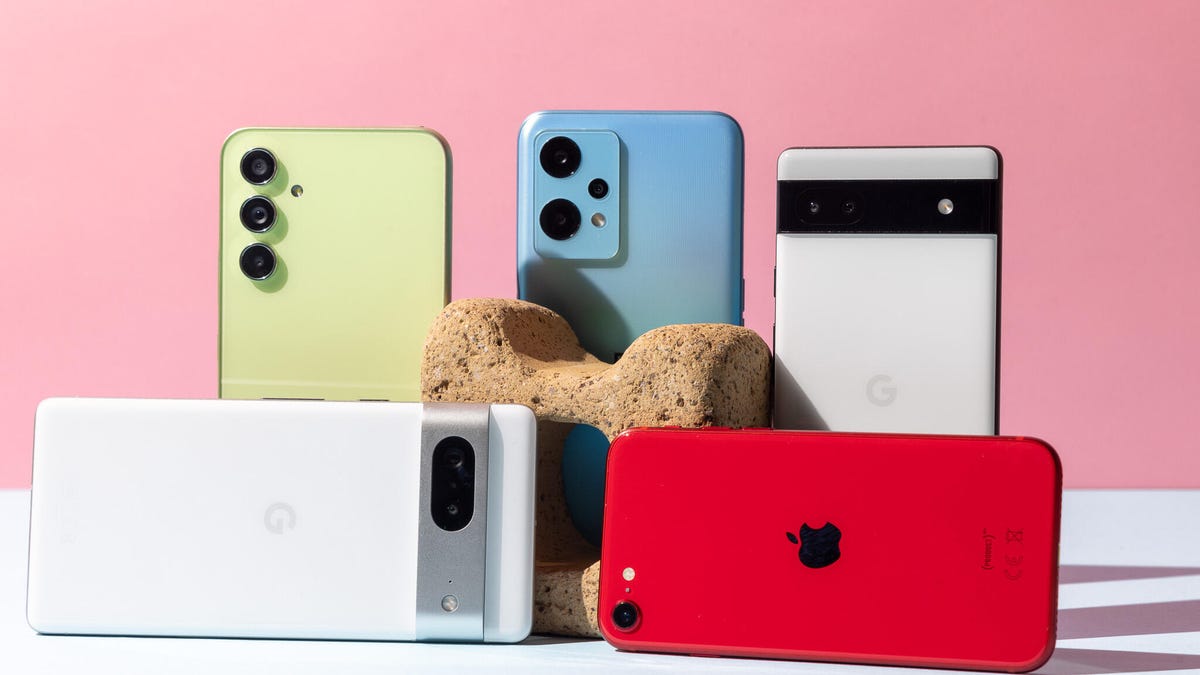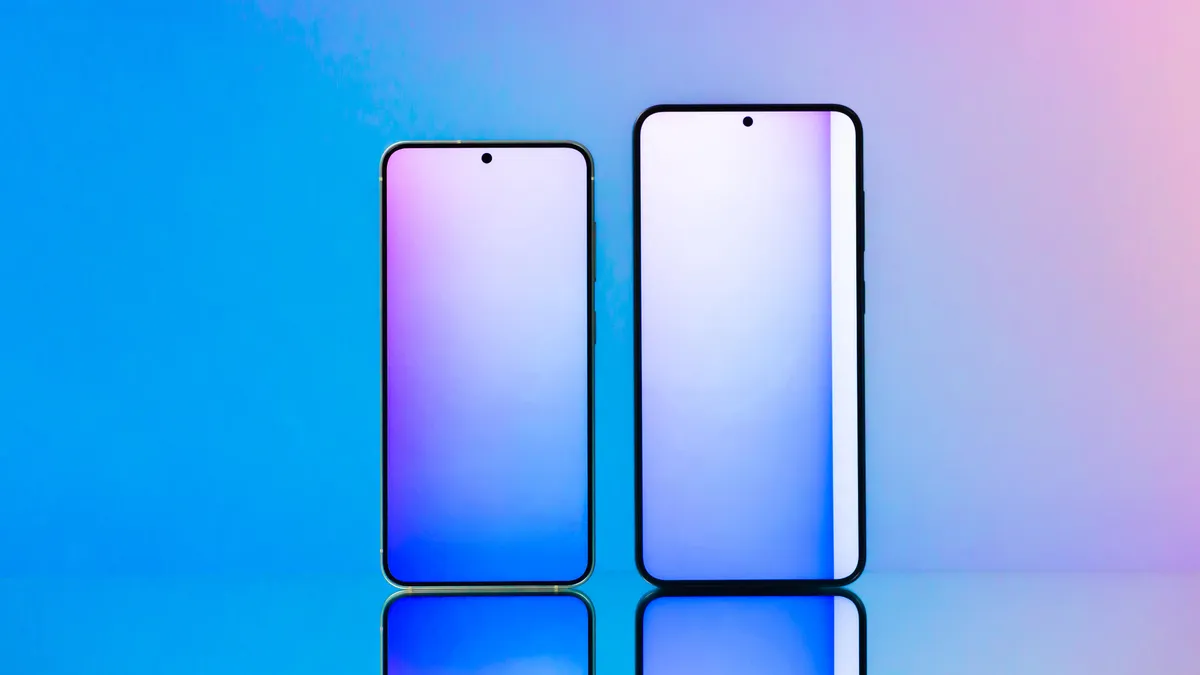
Samsung may discontinue its standard Galaxy S phone by 2026, reflecting a broader trend towards larger smartphone screens. This shift is driven by consumer preference for bigger displays and advancements in display technology, making smaller phones less common. Apple is also expected to increase the screen size of its iPhone SE, further indicating the decline of small phones. The trend is financially beneficial for manufacturers, as larger phones typically command higher prices. Meanwhile, foldable phones are emerging as a new form factor, offering large screens in more compact designs.
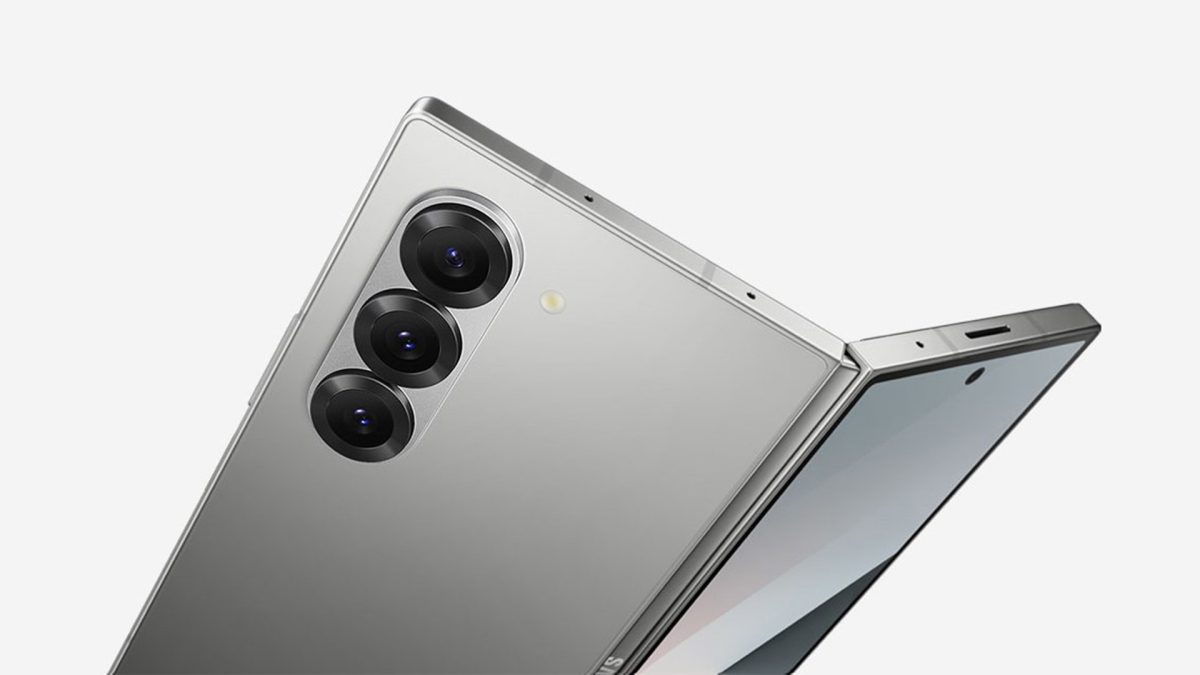
Samsung is reportedly planning to launch a triple-screen Galaxy Z Fold model next year, according to a leak by a Korean blogger. This new foldable phone is expected to feature dual in-folding hinges, enhancing usability and multitasking capabilities. The move signifies Samsung's commitment to significant innovation in the foldable phone market, following a year of incremental changes. Additionally, a Galaxy Z Fold 7 Special Edition and a Galaxy Z Flip 7 FE are also rumored to be in development.
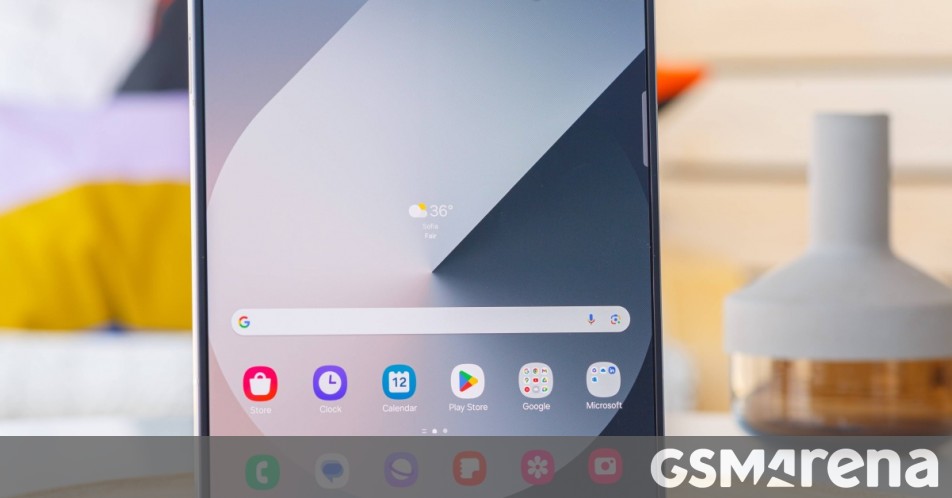
Samsung has launched the Galaxy Z Fold SE, known as the Samsung W25 in China, featuring a significantly reduced crease on its foldable screen. A video review shows the crease is barely visible when the screen is on, requiring effort to see when off. The phone was compared to the Oppo Find N3, highlighting differences in screen creases. The Galaxy Z Fold SE is unlikely to be available outside South Korea and China, but there are hopes for global releases of future Fold models.
Samsung has launched an upgraded version of its Bixby assistant exclusively on the W25 and W25 Flip phones in China. This new Bixby can handle complex instructions, generate document content, and understand on-screen context. However, this enhanced Bixby experience is currently limited to the Chinese market.
In 2024, smartphones are expected to become significantly smarter and more versatile, with AI advancements turning them into proactive personal assistants and foldable designs gaining popularity. AI improvements, like generative AI, will enhance features such as photo editing and virtual assistance, as seen in Google's Pixel 8 and Qualcomm's new Snapdragon 8 Gen 3 chip. Foldable phones are becoming more affordable and diverse, with companies like Motorola and Samsung leading the way. Additionally, faster charging capabilities and sustainability efforts are making phones more efficient and potentially longer-lasting, with companies like Fairphone setting new standards for durability and software support. The smartphone industry, which saw a decline in shipments in 2022, is innovating to rekindle consumer interest and adapt to changing demands.
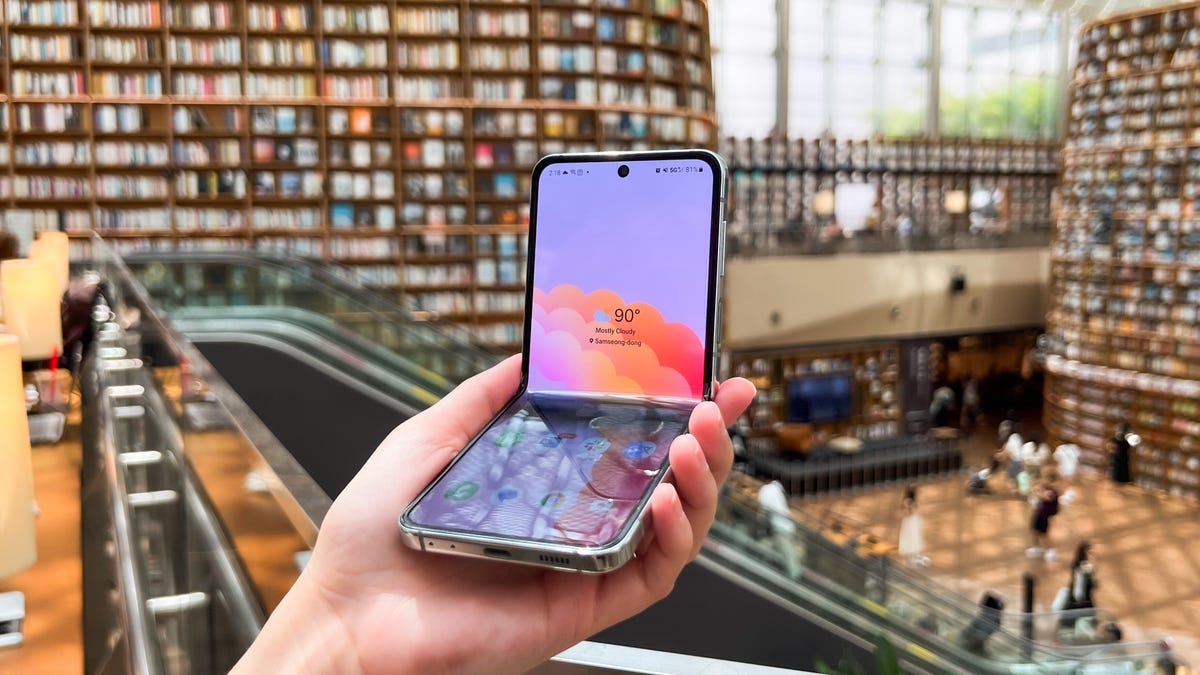
The Samsung Galaxy Z Flip 5 is CNET's top pick for the best flip phone of 2024, offering a larger cover screen, solid battery life, and a sturdy design. It edges out the Motorola Razr Plus, which is thinner and has a more useful front screen but lacks as many Android updates. The Oppo Find N3 Flip stands out with a telephoto camera and a vertical cover screen but lacks wireless charging and isn't available in the US. The Motorola Razr 2023 is the most budget-friendly option with a great main camera and foldable functionality, despite having limited storage and a smaller outer screen. Flip phones have made a comeback with modern features, but they are still considered a premium product with prices to match.
The Google Pixel 8 Pro has been chosen as the author's smartphone of the year for 2023, standing out in a year of incremental advancements and the rise of foldable phones. The Pixel 8 Pro's deep integration of AI in various features, a seven-year support window for updates, and ease of repair set it apart from competitors like the iPhone 15 Pro, OnePlus Open, and others. The author appreciates the Pixel 8 Pro's forward-looking approach, with AI being a significant factor in the decision, signaling a shift in the industry towards AI-first strategies.
Smartphone manufacturers are turning to foldable devices as a new strategy to rejuvenate the stagnant smartphone market. They are betting on the novelty and advanced features of foldable phones to attract consumers and boost sales in a sector that has seen lackluster growth in recent years.