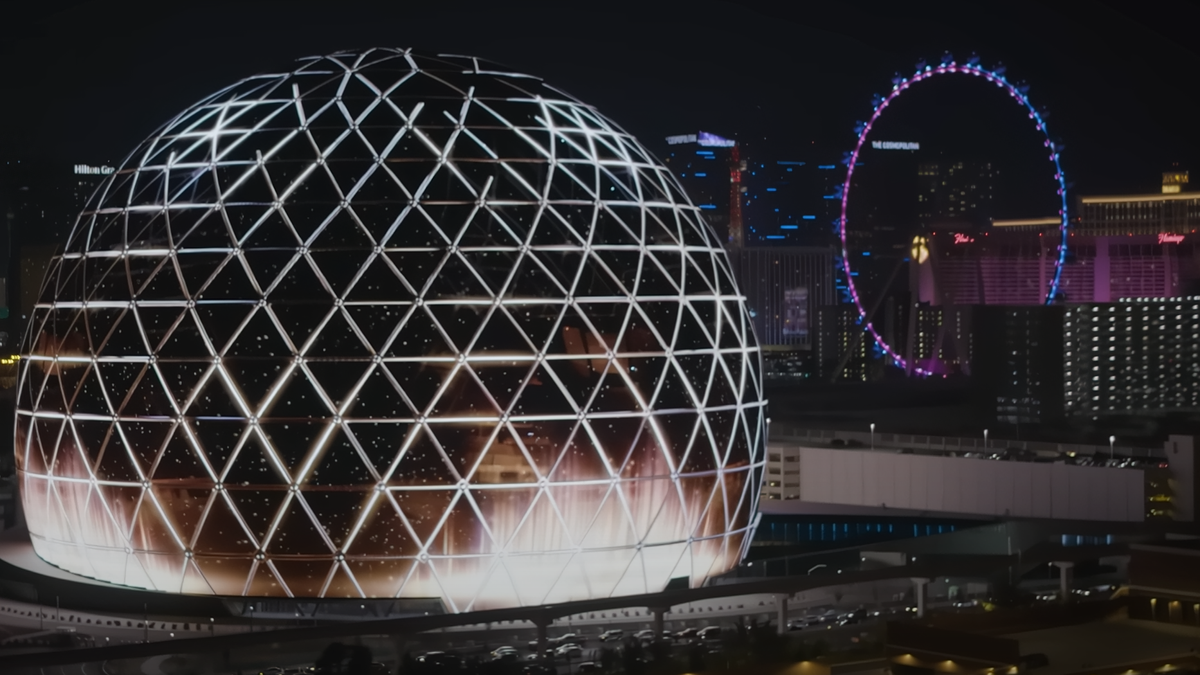
The massive Las Vegas Sphere, featuring the largest LED screen, utilizes 4PB of flash memory at 400 GB/s to deliver 16K resolution content both internally and externally. A joint project between Sphere Entertainment and Hitachi Vantara, the Sphere's high-res visuals are powered by 27 nodes streaming at 4K through Hitachi Vantara's software, with plans to optimize existing content and use an 18K-capable camera. The internal footage promises highly immersive cinema experiences, with content "wrapping" around viewers for an ultrawide multi-monitor-like effect.

German data recovery specialist CBL Data Recovery confirms that USB memory sticks are becoming less reliable due to inferior memory chips and the move to storing multiple bits per flash cell. The company suspects that flash chips from manufacturers such as SK hynix, Sandisk, or Samsung that fail quality control checks are being resold into the market with lower memory capacities. The adoption of multi-level cell architectures exacerbates the situation, leading to decreased endurance and storage capacity. Users are advised to use high-quality storage hardware, keep it cool, access it annually, and leave unallocated space to maintain reliability.
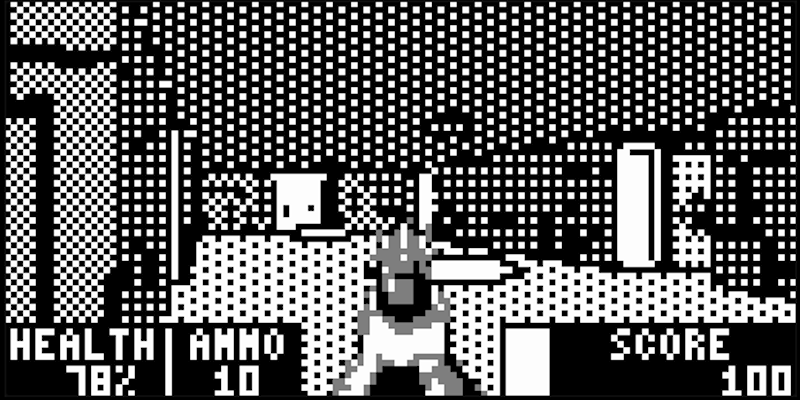
WolfenduinoFX, a demake of Wolfenstein 3D, has made its debut on the Arduboy handheld gaming system. Developed by leveraging the extended flash memory offered by the Arduboy FX upgrade, the game features 10 levels based on the original game's shareware release, with enemies, weapons, and secret rooms recreated for the Arduboy's display. The Arduboy FX allows the handheld to hold hundreds of games by loading them from an SPI flash chip, marking a new era for the Arduboy.
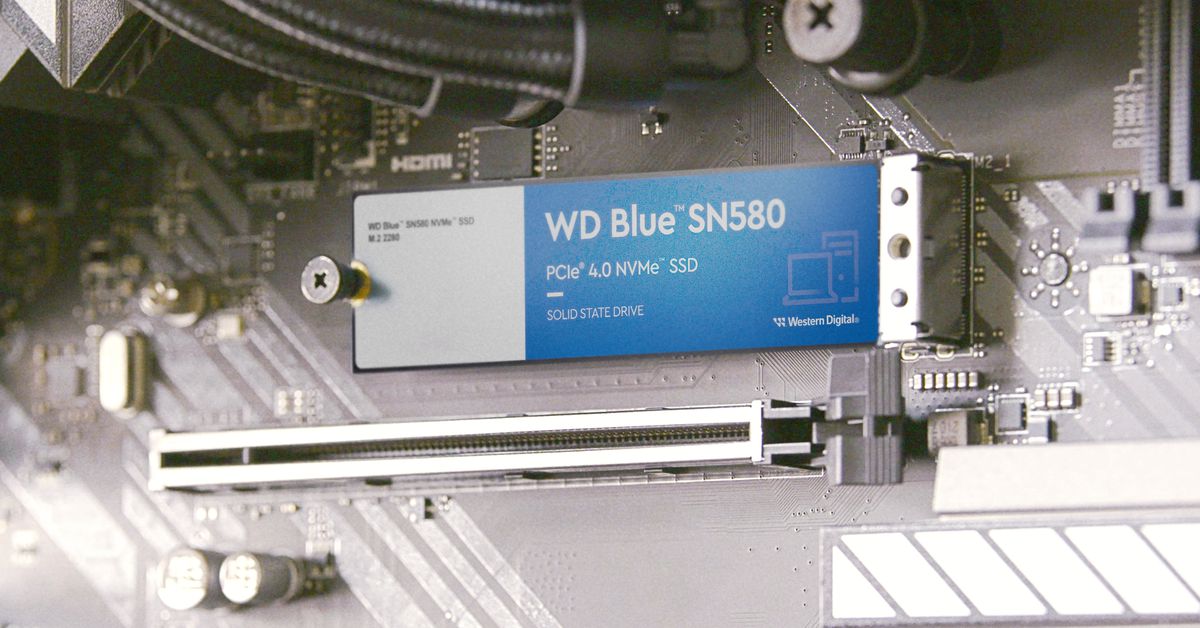
Western Digital is splitting into two separate companies, one for its flash memory business and another for its hard drive storage products, in order to "realize its full value." The decision comes as the company aims to capitalize on the market dynamics of the data storage industry.