
Unveiling Dark Matter and Cosmic Expansion with Lensed Gravitational Waves
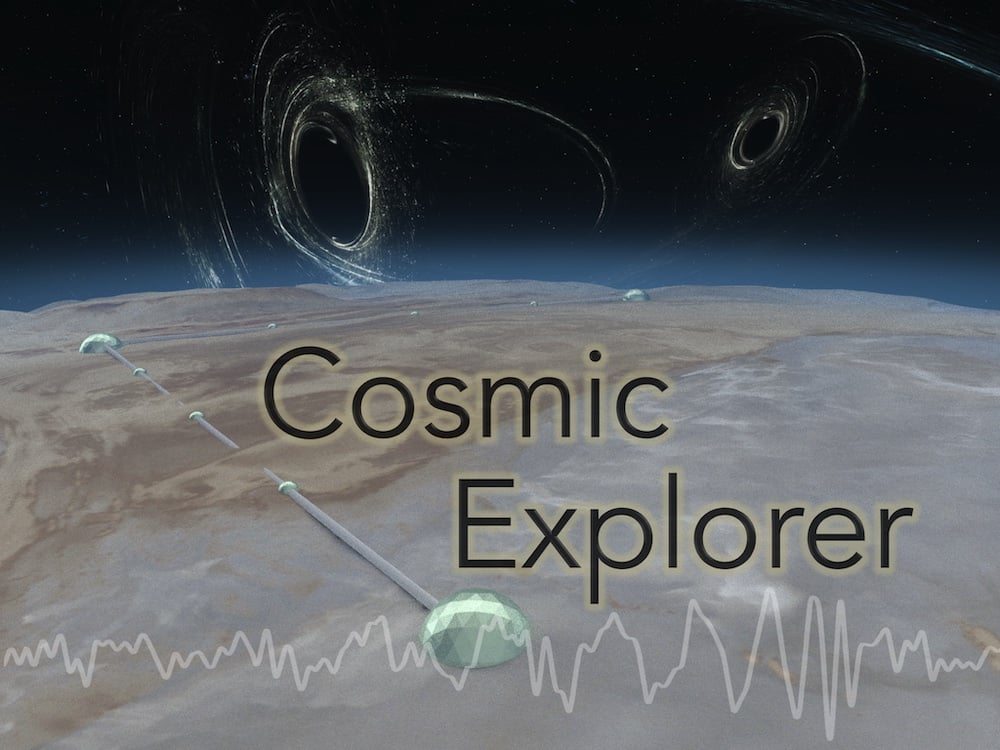
Researchers from Cal Tech's Walter Burke Institute for Theoretical Physics propose using next-generation gravitational wave detectors to study dark matter. Dark matter, which makes up the majority of mass in the universe but is invisible to electromagnetic waves, interacts with gravity. The researchers suggest that ultra-heavy dark matter particles could affect the characteristics of gravitational waves, such as the Doppler effect and the Shapiro and Einstein delays. These detectors could potentially detect transiting dark matter and help constrain the existence of a theoretical fifth fundamental force known as the Yukawa interaction. This research opens up new possibilities for understanding dark matter and advancing gravitational astronomy.