Mail theft attacks in the US are increasing, with 52,000 incidents in 2024, up from 2,000 in 2010, as thieves become more brazen and law enforcement efforts struggle with limited resources, despite significant investments by postal authorities.
Sean Charles Dunn threw a sandwich at a federal agent as a form of protest against federal law enforcement surge in D.C., leading to a misdemeanor assault charge; his case raises questions about the limits of political expression and federal prosecution.
A man jumped off a Royal Caribbean cruise ship near Puerto Rico to avoid paying over $16,000 in gambling debt, was rescued, and charged with a federal crime for attempting to evade currency reporting requirements. He was found with nearly $15,000 in cash and multiple IDs, claiming he jumped to avoid taxes on his currency. He faces potential fines and prison time if convicted.
A man suspected of murdering Ukrainian refugee Iryna Zarutska on a Charlotte train has been charged with federal crimes, with authorities seeking the death penalty. The case has sparked debates over crime, mental health, and law enforcement funding in the US, amid political and racial tensions. The suspect, with a criminal history and mental health issues, was reportedly homeless and previously hospitalized, raising concerns about systemic failures and public safety.
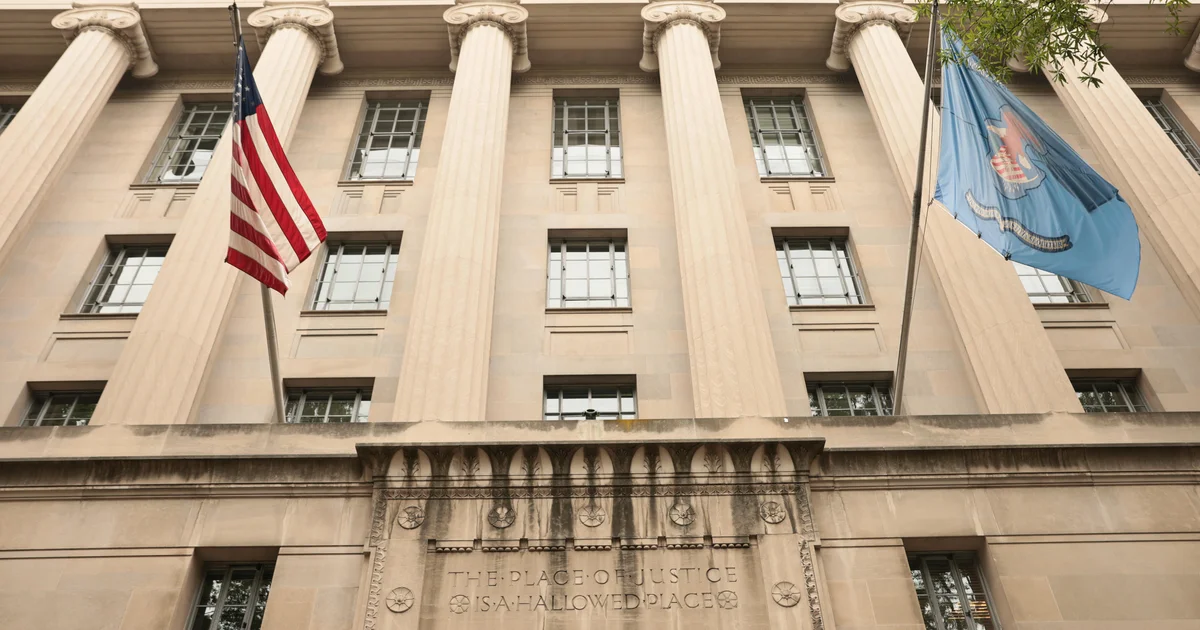
A rare series of cases in Washington D.C. saw grand juries reject the Justice Department's requests for indictments, including cases involving threats against the President and other alleged offenses, raising concerns about prosecutorial credibility and the functioning of the judicial process.
The U.S. Coast Guard Investigative Service is seeking the public's help in identifying a hoax caller who made false distress calls over VHF Channel 16. The calls originated from a remote operated VHF radio tower in Vermont, and the caller claimed to be stranded in Portland, Maine and later in the middle of Maine. Transmitting false distress calls is a federal crime punishable by up to ten years in prison and fines. The Coast Guard takes this crime seriously as it compromises their mission of providing search and rescue assistance to those in need.