South Korean eCommerce giant Coupang has acquired struggling luxury retailer Farfetch, providing $500 million to support its operations. The deal allows Coupang to expand its presence in the personal luxury goods market, particularly in South Korea, which has the highest per-capita spending on such goods. The acquisition marks the end of Farfetch's plan to purchase Yoox Net-A-Porter from Richemont. Farfetch has faced challenges in recent years, including falling sales and discontinuing its beauty product sales.
South Korean retail giant Coupang has stepped in to save struggling luxury online retailer Farfetch with a $500 million deal, rescuing the company from potential closure. However, this deal also ends Farfetch's planned tie-up with rival Yoox-Net-a-Porter. Farfetch, once valued at $23 billion, has faced challenges due to COVID-19 lockdowns in China and the Russian invasion of Ukraine, as well as a decline in growth. The acquisition by Coupang marks a significant turn of events for Farfetch, which had previously acquired Stadium Goods and New Guards Group for substantial amounts.
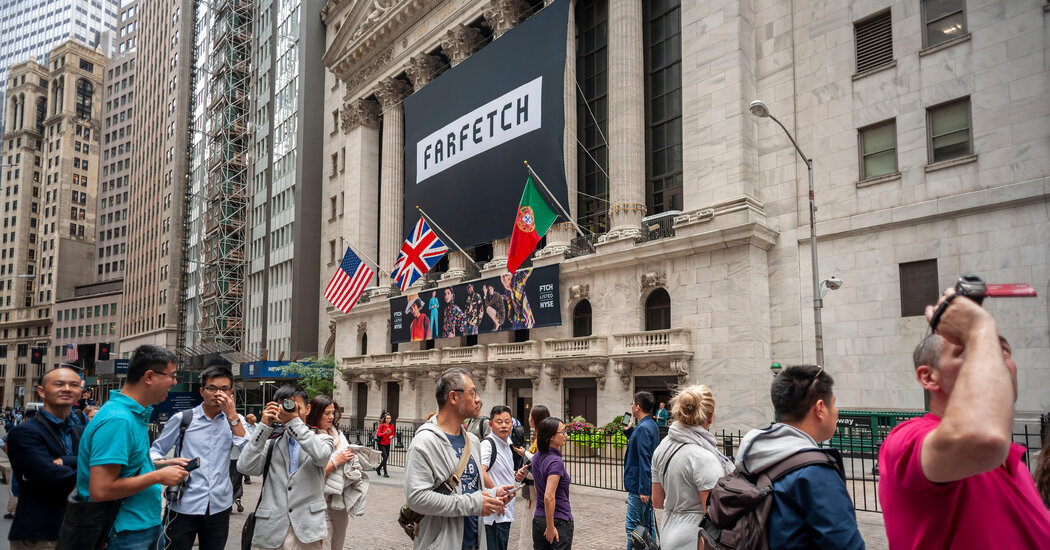
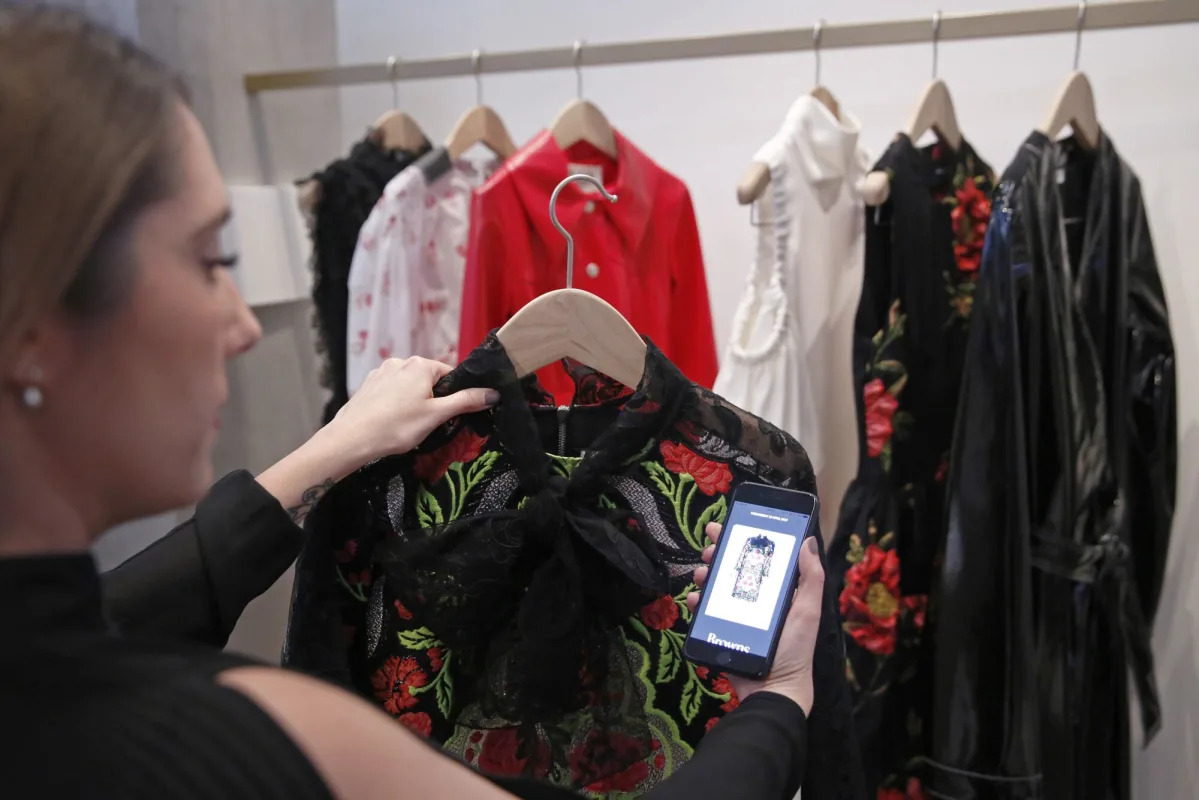
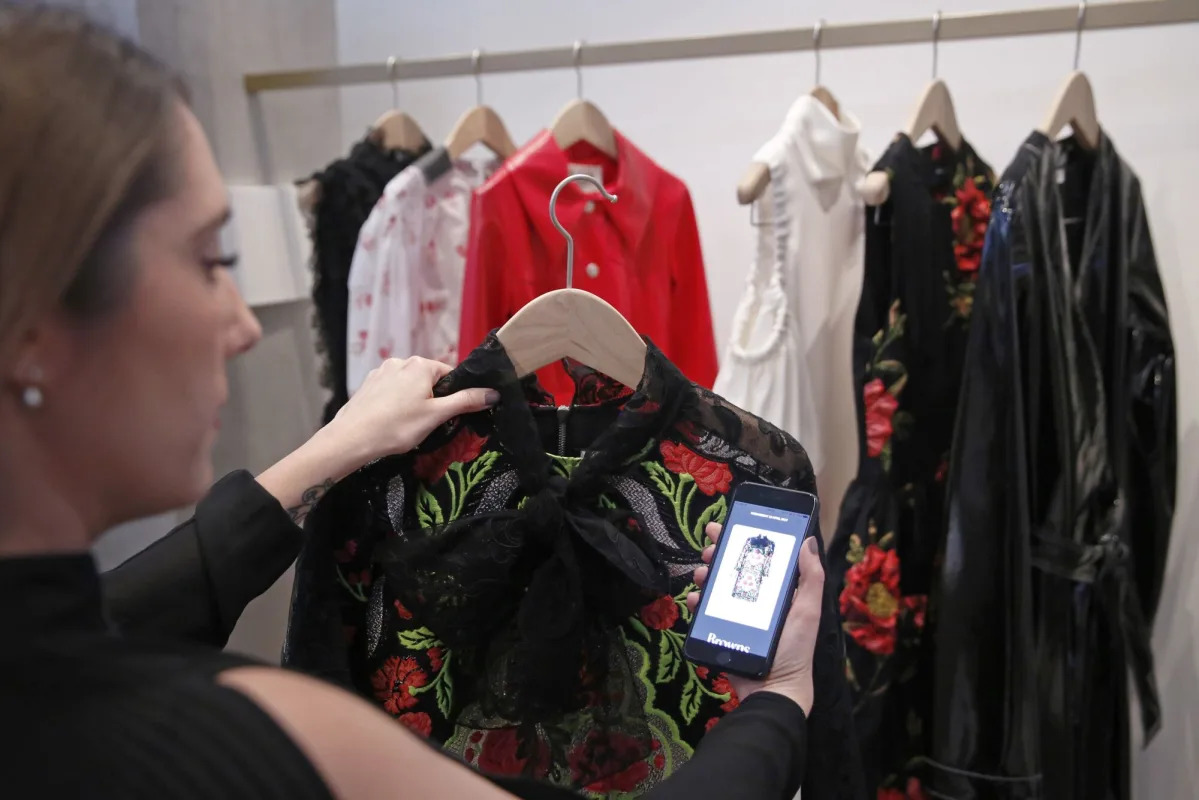
South Korean e-commerce company Coupang has agreed to inject $500 million in emergency funding into luxury fashion platform Farfetch as part of a "pre-pack" administration process. The funding will allow Farfetch to continue providing exclusive brands and boutiques with cutting-edge technology and global access to consumers. Coupang, listed on the New York Stock Exchange, has operations in several Asian markets and aims to expand into fashion and luxury goods services. As part of the deal, Farfetch will be taken private and its shareholders' investments will be wiped out. The fate of Farfetch's assets, including Browns and New Guards Group, remains uncertain.
South Korean e-commerce company Coupang is set to acquire online luxury retailer Farfetch, expanding its presence in the luxury fashion market. The deal will allow Coupang to tap into Farfetch's extensive network of luxury brands and customers, while Farfetch will benefit from Coupang's strong logistics and delivery capabilities. The acquisition highlights Coupang's ambition to become a major player in the global luxury e-commerce industry.
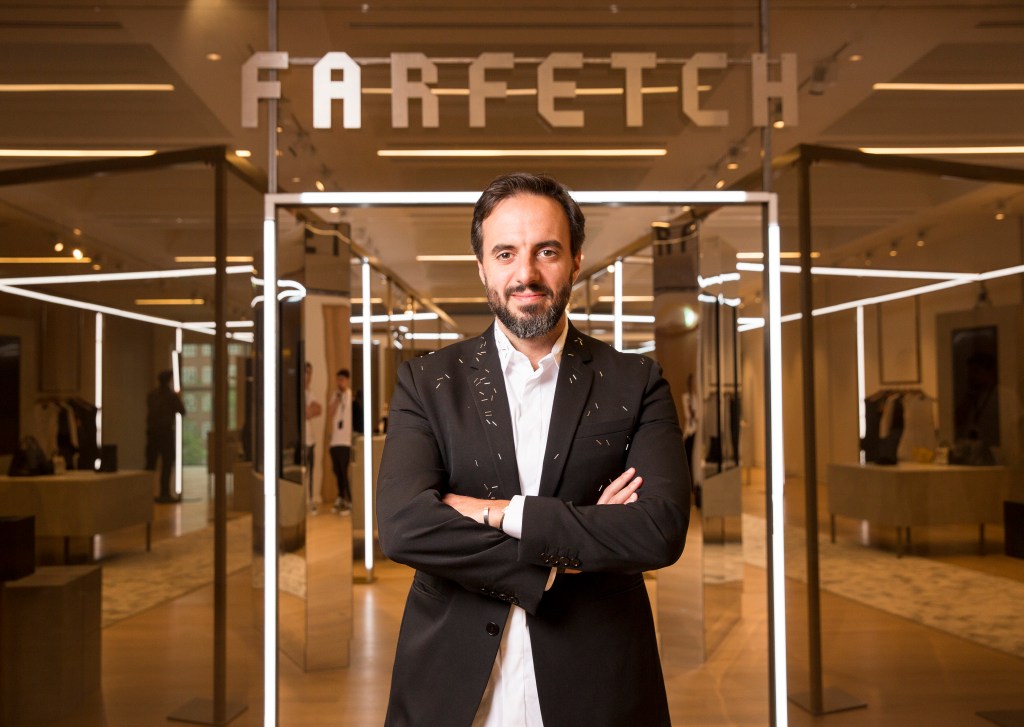
Luxury e-commerce platform Farfetch has secured a $500 million lifeline from South Korean e-commerce retailer Coupang, preventing it from going bankrupt. Farfetch, once valued at over $23 billion, has faced financial struggles due to high costs, debt, risky investments, and a slowdown in the luxury market. The deal with Coupang will result in Farfetch shares being delisted and existing shareholders being wiped out. Farfetch will continue to operate under new ownership, with founder and CEO José Neves remaining in an unspecified role. The acquisition terminates Farfetch's agreement to buy a stake in rival Net-a-Porter from Richemont.
E-commerce company Coupang has agreed to lend $500 million to troubled fashion platform Farfetch, as well as buy its assets and delist its shares. The deal marks the end of a proposed tie-up between Farfetch and Swiss luxury group Richemont. Farfetch has been struggling, losing over 90% of its value since its listing five years ago, and has faced challenges in keeping fashion brands on its platform. Existing shareholders will be fully wiped out if the Coupang deal goes ahead.
E-commerce company Coupang has agreed to lend $500 million to troubled fashion platform Farfetch, as well as buy its assets and delist its shares. The deal marks the end of a proposed tie-up between Farfetch and Swiss luxury group Richemont. Farfetch has been struggling, losing over 90% of its value since its listing five years ago, and has been burning through cash. Existing shareholders will be fully wiped out if the Coupang deal goes ahead.
Online luxury retailer Farfetch is reportedly in talks with Apollo Global Management to secure emergency funding in order to strengthen its financial position. The talks are part of Farfetch's efforts to secure new financing, with Apollo being one of several firms in discussion. It remains unclear whether the funding will be provided as debt or equity, or a combination of both. Farfetch's credit rating was recently downgraded by Moody's, and the company has been grappling with weakening demand in the US and China.
Farfetch, an e-commerce pioneer for luxury goods, is facing challenges as European luxury brands seek greater control over their products and distribution. Brands like Chanel, Hermes, and LVMH are opting to control all aspects of selling their products, including pricing and brand positioning, which reduces the reliance on third-party retailers like Farfetch. This trend, coupled with a slowdown in luxury demand in China and the US, has led to Farfetch's deteriorating financial position and a downgrade in its credit rating. The company is exploring options including a sale, and its founder is considering taking the company private.
Farfetch, the leading global platform for the luxury fashion industry, will not announce its third quarter 2023 financial results and will not provide any forecasts or guidance at this time. The company expects to provide a market update in due course.
José Neves, the founder of online luxury retailer Farfetch, is reportedly seeking to take the company private after a troubled listing on the New York Stock Exchange. Neves, who holds a 15% stake and 77% of the voting rights, is said to be working with advisers at JPMorgan. The move has the tentative backing of major backers including Alibaba and Richemont. Farfetch's stock rose 20% following the news, but has fallen about 64% this year.
Shares of online luxury goods retailer Farfetch plunged nearly 40% to a record low as weak demand in its top two markets, the United States and China, led to a gloomy annual sales outlook. The company also missed revenue estimates in the second quarter due to retailers cutting back on orders. Farfetch projected a lower total gross merchandise value for 2023, causing several brokerages to cut their price targets on the stock. Analysts expressed concerns about management's credibility and limited visibility.
Applied Materials and Ross Stores saw their stocks rise in after-hours trading after beating analysts' expectations in their quarterly results. Bill Holdings reported better-than-expected earnings but issued a weak outlook for the next quarter. Keysight Technologies provided a bleak forecast for its fiscal fourth quarter, causing its shares to drop. Farfetch experienced a significant decline in its stock price after posting second-quarter revenue that missed estimates.
Shares of Foot Locker tumbled more than 23% after the shoe retailer missed analysts' expectations on both earnings and revenue in the first quarter. Meanwhile, Deere's shares rose almost 4% after it announced an earnings and revenue beat for its fiscal second-quarter. Farfetch's stock soared 25.5% after the luxury fashion platform's revenue of $556 million was higher than Wall Street's expectations of $513 million. Applied Materials posted earnings and revenue for the most recent quarter that beat expectations on Wall Street. DXC Technology saw its shares fall 3.5% following its latest financial results.
Online luxury retailer Farfetch's gross merchandise volume (GMV) for Q1 2021 exceeded analyst estimates, reaching $931.7 million, and the company reported smaller losses than expected. Farfetch is optimistic about delivering growth ahead of the luxury market at large, with sales volumes growing in both the US and China. The company's results reflect similarly impressive performances from industry leaders LVMH and Richemont, despite a slowdown in US consumer spending. Farfetch's full-year outlook for GMV is $4.9 billion, with an adjusted EBITDA margin of 1% to 3%.