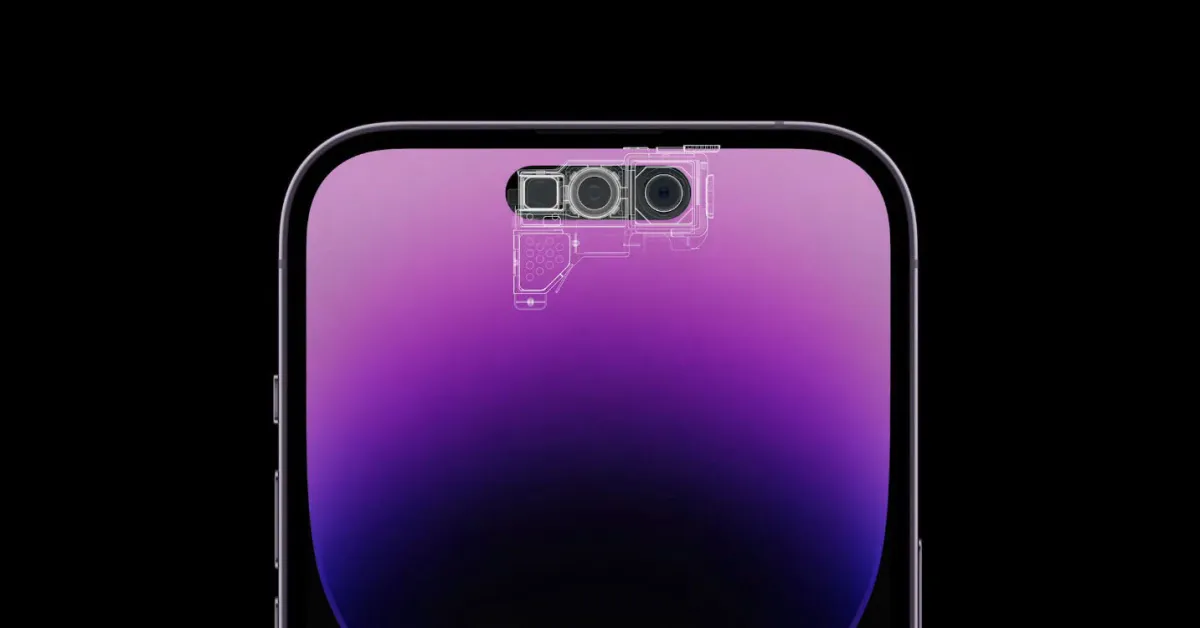
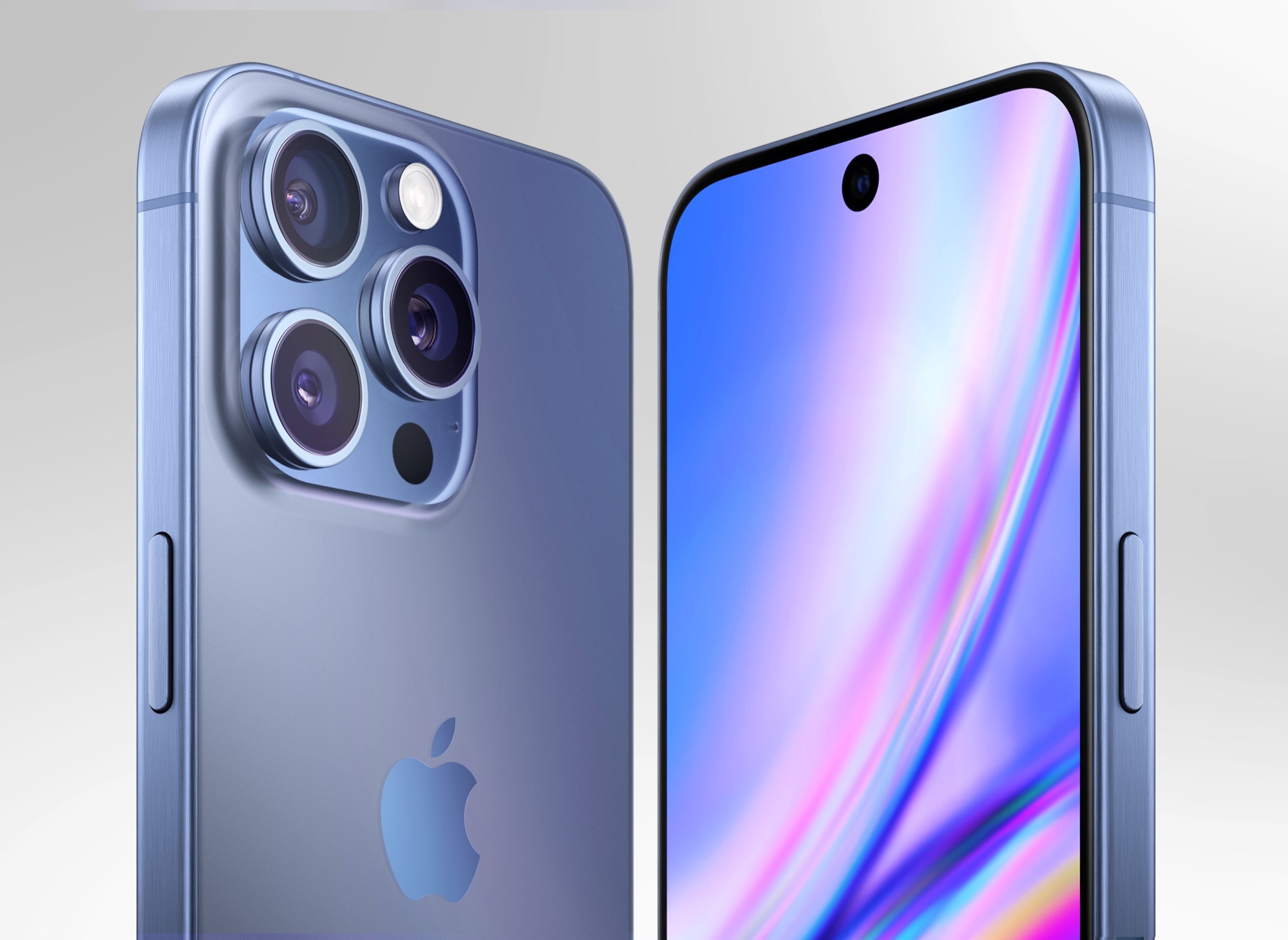
The iPhone 18 is rumored to feature a narrower Dynamic Island but will not include under-screen Face ID or front camera, marking a step towards a more all-screen design, though some details remain uncertain.
The upcoming iPhone SE 4 will feature a design based on the iPhone 14, with an OLED display supplied by BOE and a wide notch with FaceID. The metal dummy used for case production confirms the modernized design, which represents a significant step forward from its predecessor. While borrowing elements from the iPhone 14, the SE 4 will feature a single camera module and retain the Ring/Silent switch. Despite potential delays, case makers are already preparing for production, indicating a possible release before 2025.
Apple has announced that pre-orders for the Vision Pro headset will require a Face ID scan using an iPhone or iPad for a precise band fit, with deliveries starting on February 2. Customers wearing glasses will need to provide their prescription to add optical inserts for the headset, available for an additional fee through Apple's partner Zeiss. The headset, starting at $3,499, will be available for in-store demos on the launch date and is praised for its 3D visuals and potential for social networking and gaming in virtual worlds.
The upcoming Apple iPhone 16 Pro is rumored to feature a smaller Dynamic Island, with Face ID sensors hidden under the OLED display, except for the selfie camera. Render images by AppleTrack and ConceptCentral suggest this design change, although it may be reserved for the iPhone 17 Pro. The iPhone 16 Pro is also expected to have a new 48 MP ultra-wide-angle camera with a larger sensor, and both Pro models may have slightly larger displays. Analyst Ming-Chi Kuo hints at significant camera improvements, including a future 24 MP selfie camera upgrade for the iPhone 17 models. However, these details are based on rumors and analyst predictions, so they should be taken with caution.
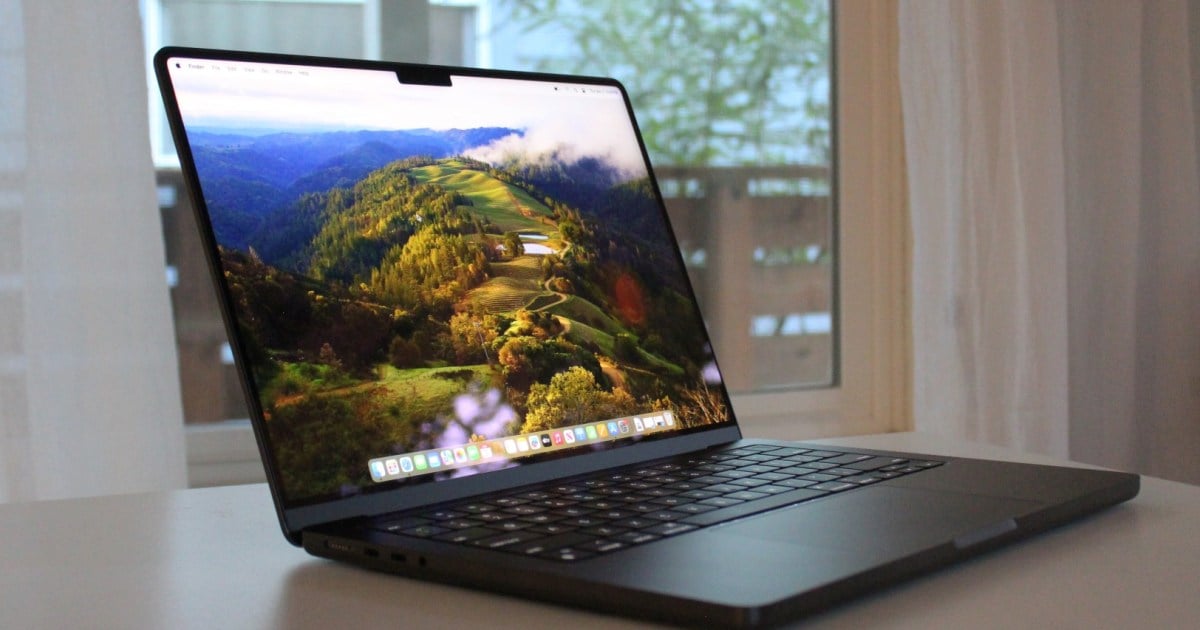
The article discusses four key improvements that could enhance the Mac experience in 2024: the introduction of Face ID for security and convenience, the integration of advanced AI capabilities similar to those seen in other tech giants' offerings, the implementation of the Dynamic Island feature for better multitasking, and the addition of more AAA games to leverage the powerful hardware of Macs. The author expresses optimism for these potential updates, noting Apple's ongoing work with developers and patents that suggest these advancements are on the horizon.
The newly launched 15-inch MacBook Air disappoints as it is essentially the same as the 13-inch MacBook Air released in 2022, with the addition of a larger screen and two extra speakers. The laptop is difficult to repair due to the amount of adhesive tape and tightly packed components. The M2 chipset used in the laptop also means that memory read/write speeds have been halved compared to the M1-powered laptops launched in 2020. The next-generation MacBook Air with the M3 chipset is expected to arrive next year. Apple is also working on bringing FaceID to the platform.