Flight cancellations in the US have decreased significantly as air traffic control staffing issues improve just before a key vote to end the government shutdown, with delays and cancellations dropping sharply and airline operations expected to normalize soon.
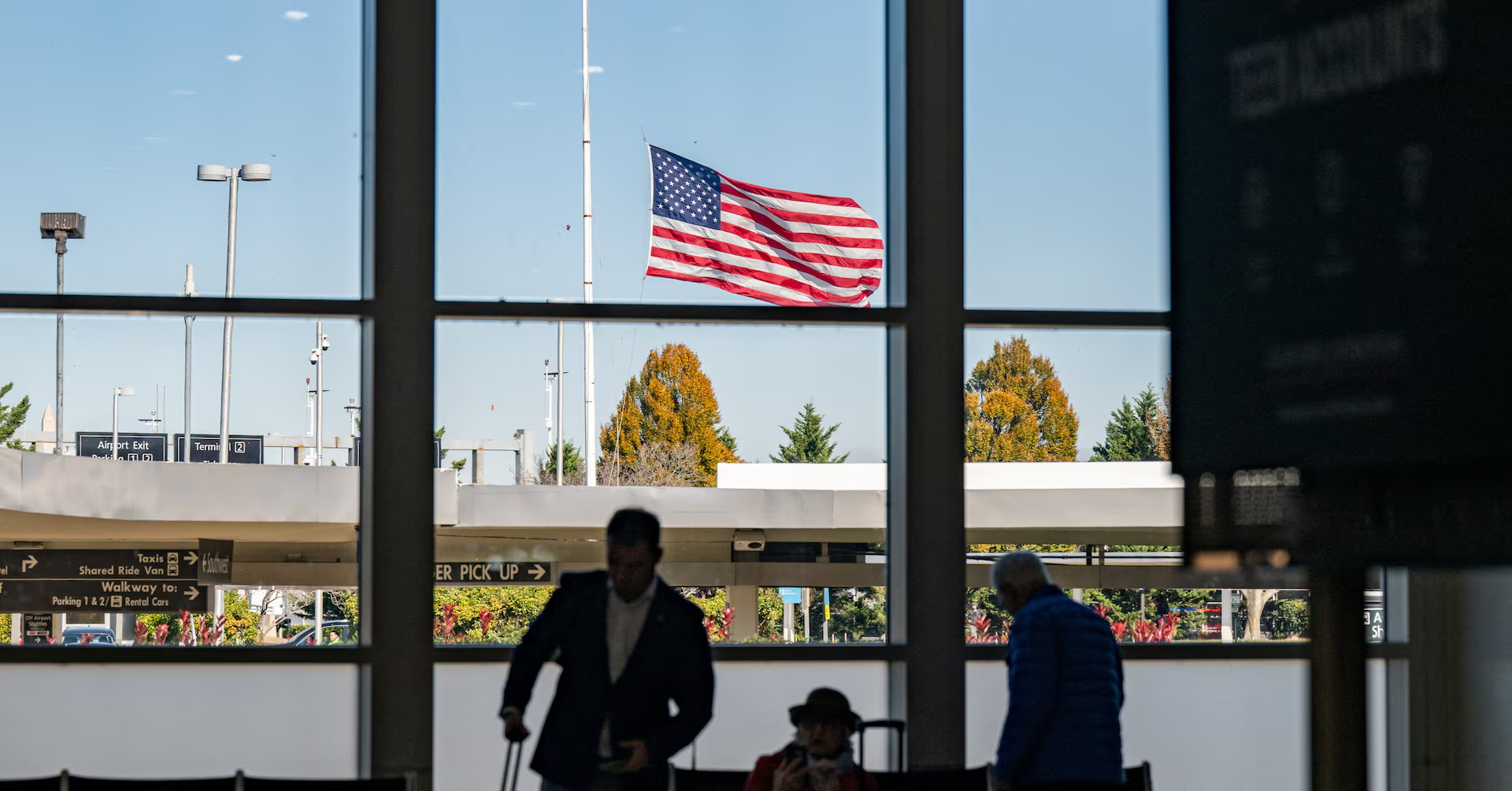
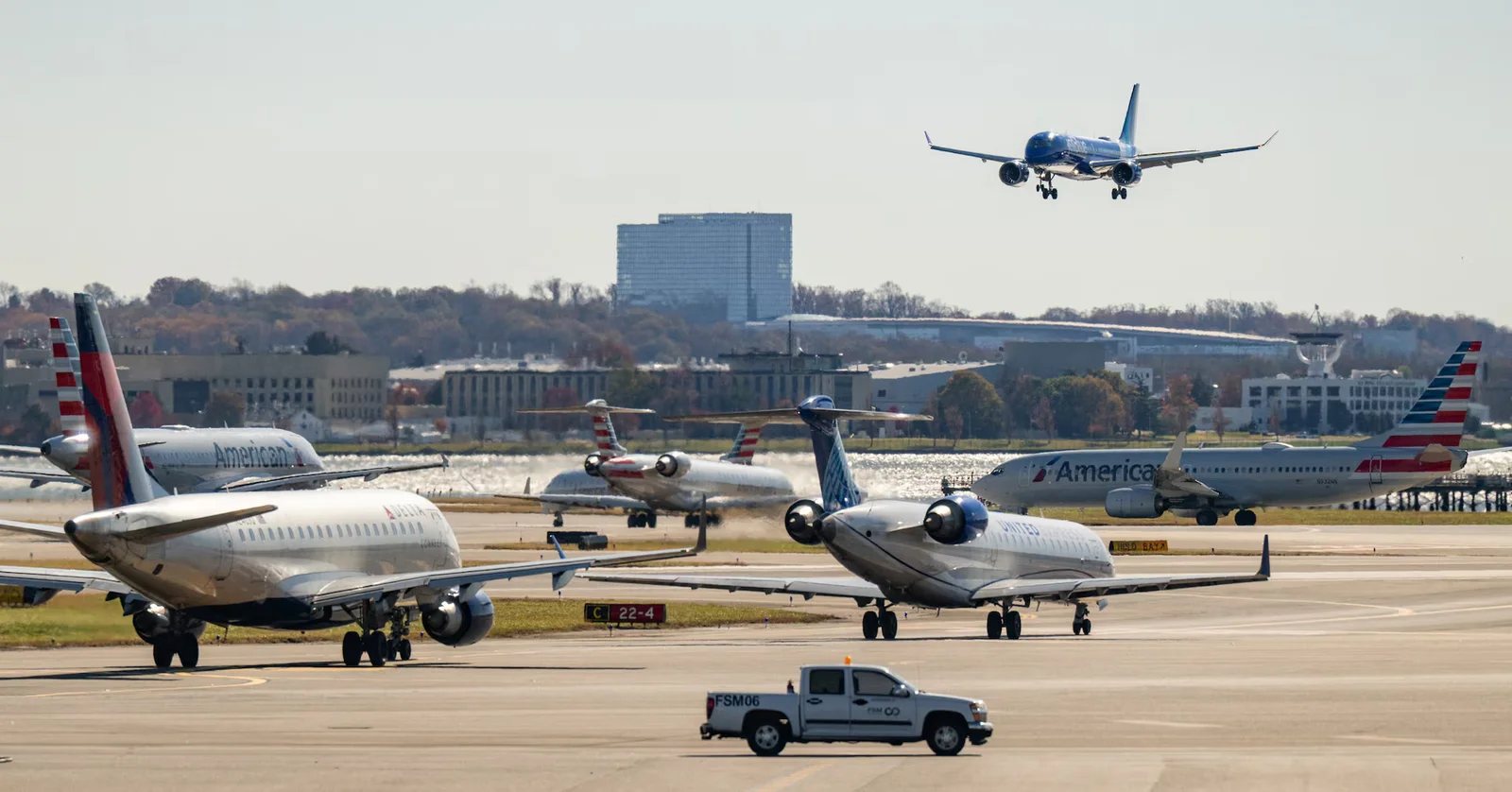
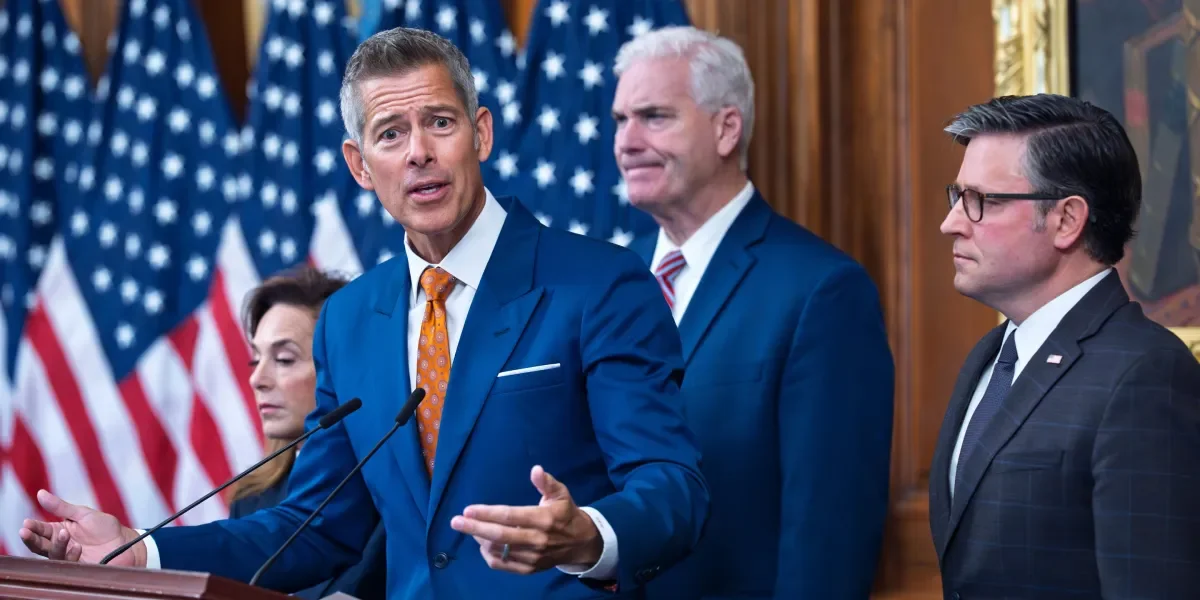
US airlines canceled 1,200 flights on Tuesday as air traffic control staffing improved amid the ongoing government shutdown, which has caused widespread flight delays and cancellations. The FAA has been reducing flight numbers due to staffing shortages, but improvements in controller availability are leading to potential easing of restrictions as the shutdown nears an end. The Senate has approved legislation to end the shutdown, with the House set to vote, which could further stabilize air travel.
The ongoing government shutdown has caused over 6,000 flight delays nationwide due to staffing shortages at the FAA, with air traffic controllers working without pay, leading to safety concerns and potential long-term impacts on the aviation industry.
The ongoing government shutdown has led to air traffic controllers missing their paychecks, risking increased travel disruptions and safety concerns at airports, with potential flight delays and cancellations depending on staffing levels.
United Airlines CEO Scott Kirby warned that an extended U.S. government shutdown could negatively impact airline bookings as public confidence wanes, despite the current minimal effect on operations. The shutdown, which began on October 1 due to Congress's failure to pass funding, has raised concerns about staffing shortages at the FAA and potential disruptions in air travel, with experts warning that prolonged impasses could harm the broader U.S. economy.
A potential U.S. government shutdown could disrupt air travel by causing staff shortages among air traffic controllers and aviation professionals, leading to delays and cancellations, with previous shutdowns highlighting the risks of operational disruptions and safety concerns.
United Airlines CEO Scott Kirby has provided a detailed explanation for the recent operational meltdown experienced by the airline. Kirby attributed the disruption to severe weather conditions at Newark Airport, which led to significant limitations on flight operations. He also highlighted the staffing shortages at the FAA and Canada's air traffic control as contributing factors. Kirby proposed five solutions to prevent future meltdowns, including improving crew technology, partnering with the FAA, supporting long-term solutions, balancing departures and arrivals at Newark, and adjusting flight schedules to accommodate thunderstorm conditions. The CEO emphasized the need for departure routes to the west to ensure the airport's functionality during severe weather.