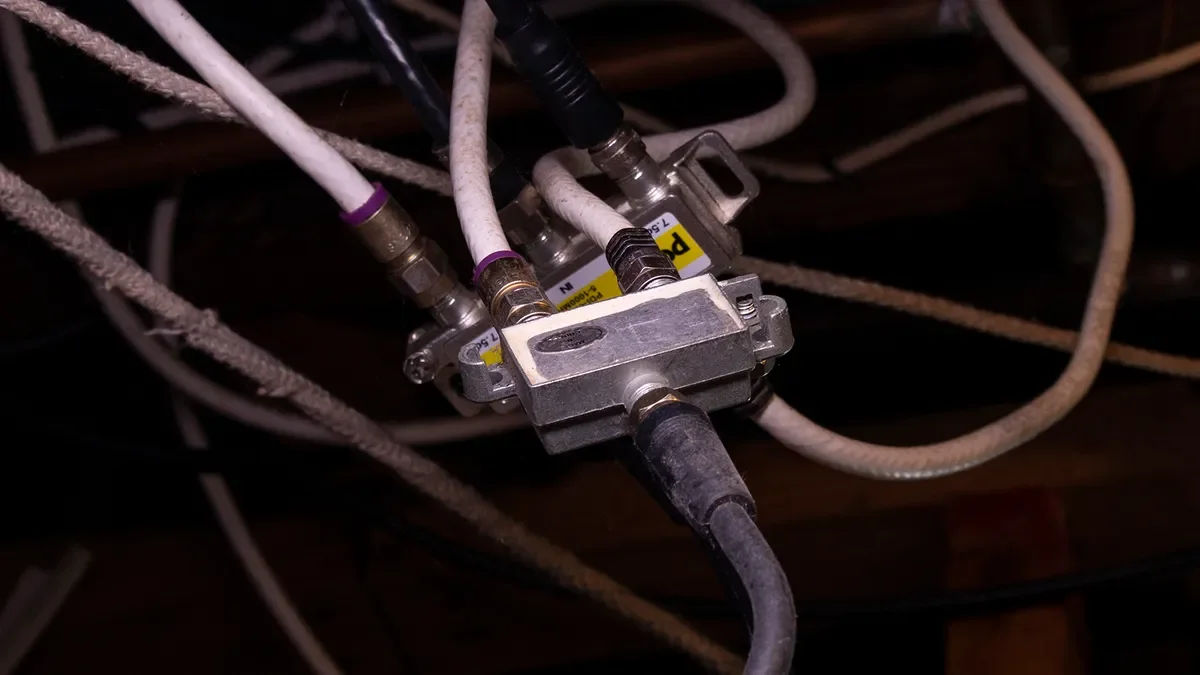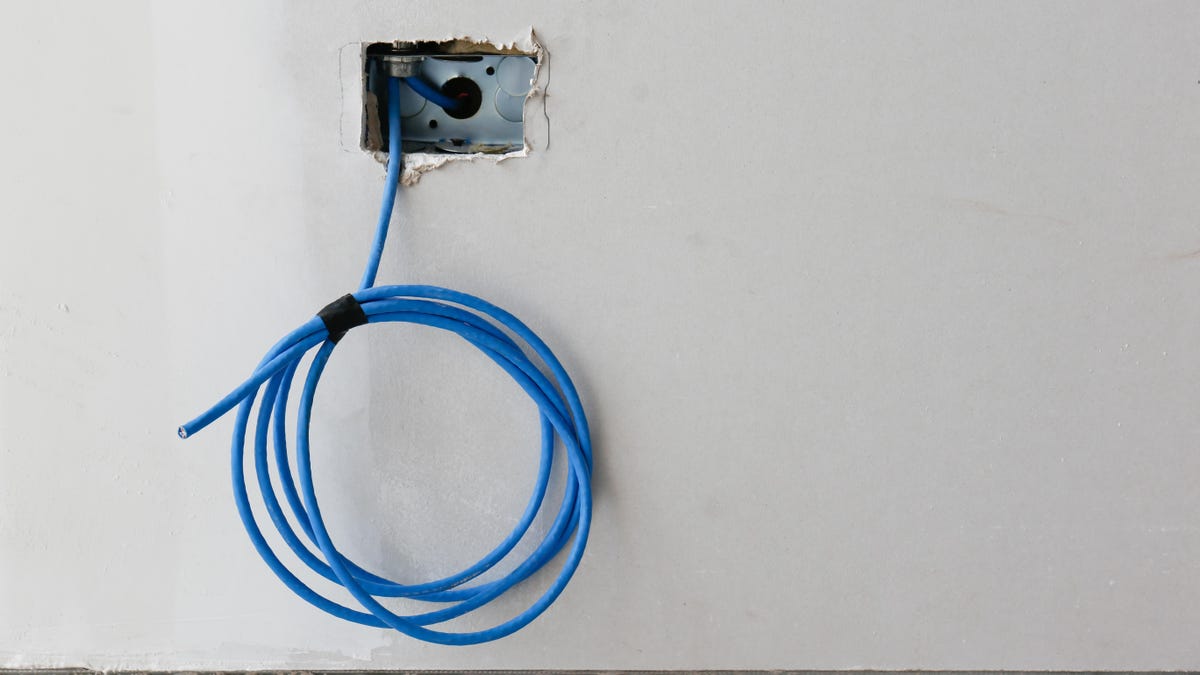
The article explains how to add a wired network to your home using existing coaxial cables and MoCA adapters, offering a reliable and cost-effective alternative to running new Ethernet cables, especially useful for improving internet stability in home offices.
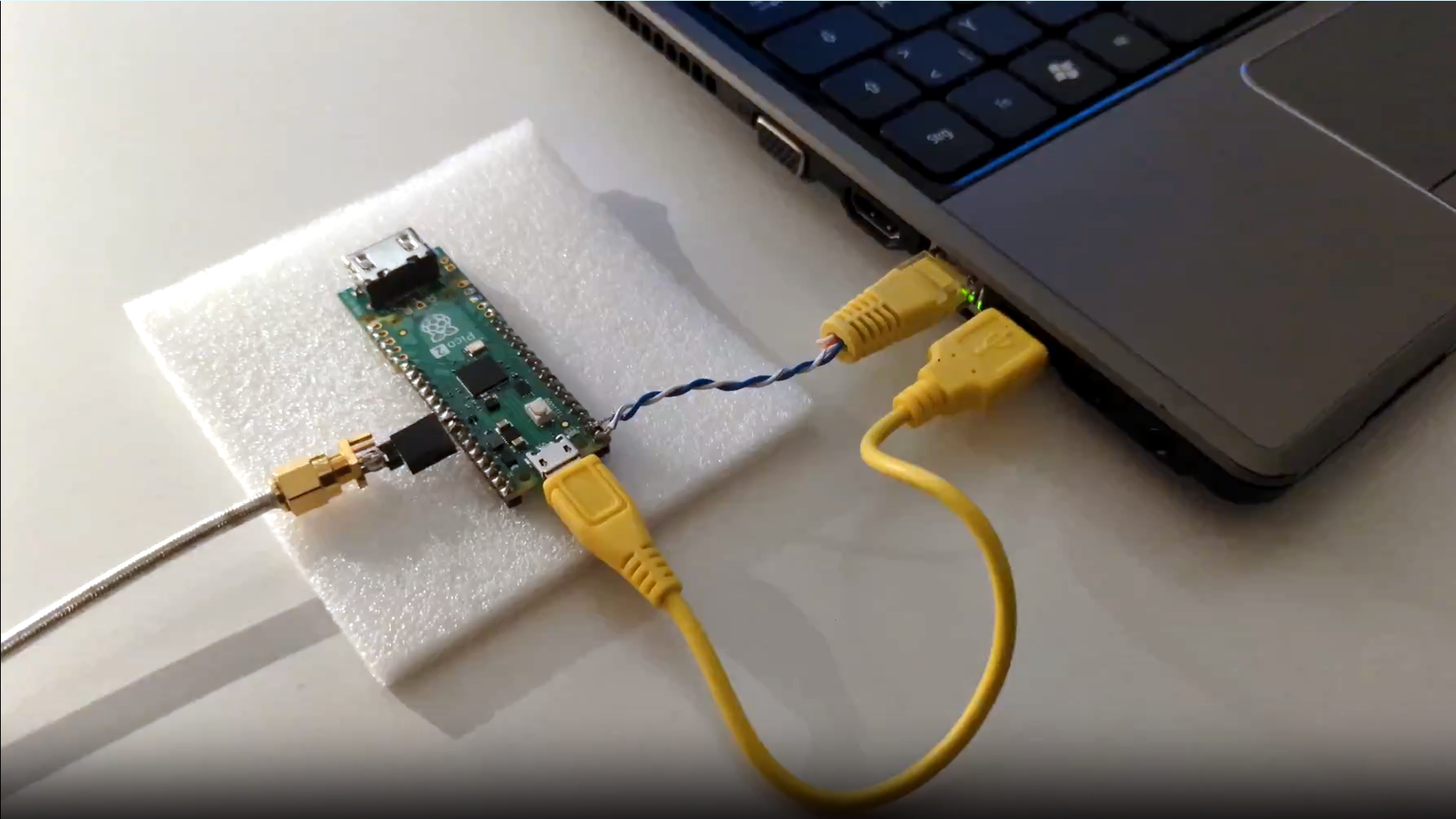
A developer has created a library that enables the Raspberry Pi Pico to transmit data at 100 MBit/s Ethernet using bit-banging, making it possibly the first such implementation, though it is transmit-only and more complex than previous 10BASE-T setups.
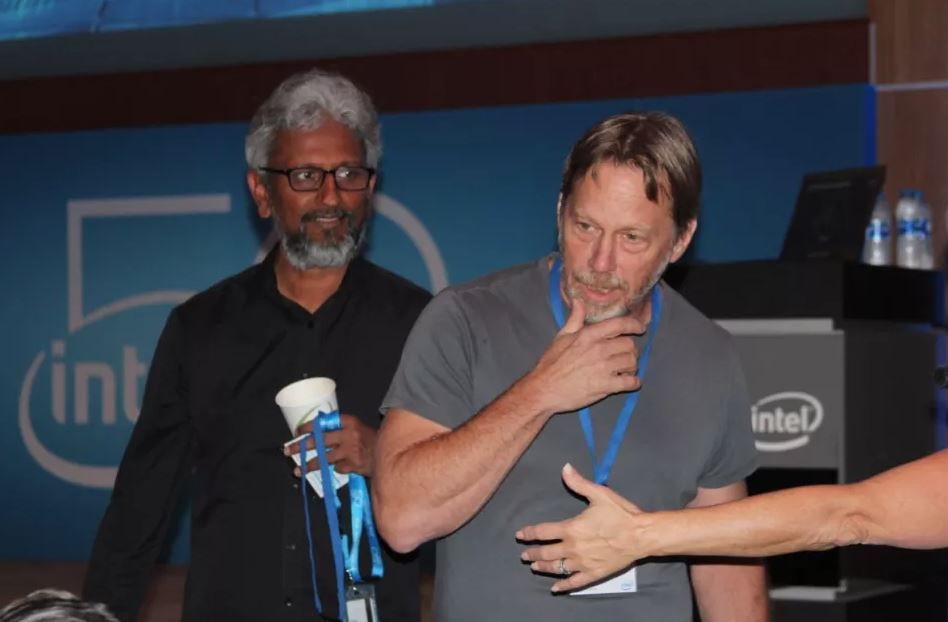
Jim Keller suggests that Nvidia should have used Ethernet instead of proprietary NVLink for chip-to-chip connectivity in its Blackwell-based GB200 GPUs for AI and HPC, as it would have saved money and made software migration easier. Nvidia's use of proprietary interconnect technologies poses a challenge for porting software to different hardware platforms, benefiting Nvidia but not its competitors. While Ethernet is a competitor to Nvidia's InfiniBand, the industry is developing Ultra Ethernet, which may become a viable competitor for AI and HPC workloads. However, Nvidia's current designs continue to leverage proprietary interconnects, and any shift to open-standard technologies may be years away.
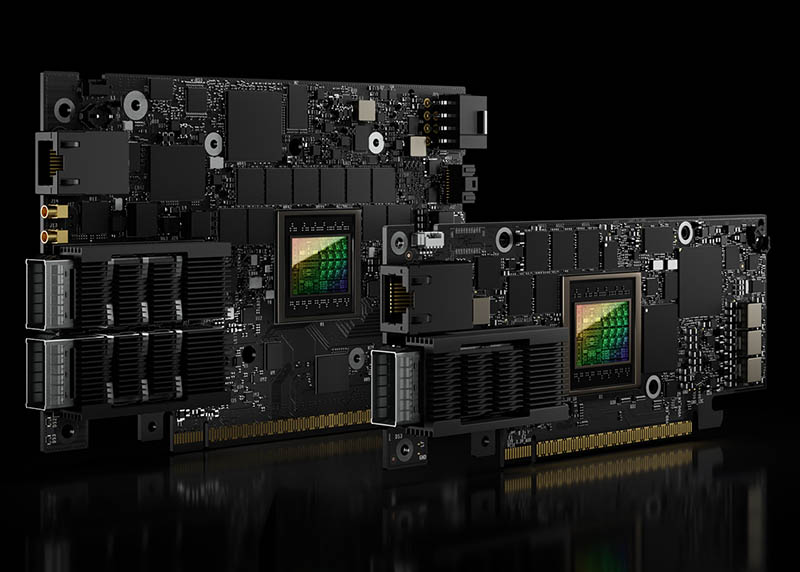
NVIDIA has introduced the BlueField-3 DPU as a SuperNIC, utilizing its Spectrum-4 switch and Spectrum-X software for high-performance AI interconnect. The BlueField-3 DPU is a significant upgrade from the BlueField-2 and offers 400Gbps capability. NVIDIA's move towards Ethernet-based networking for AI aims to simplify infrastructure for organizations lacking dedicated networking teams. The relationship between the FPGA-based SmartNIC "SuperNIC" solution and the BlueField-3 DPU remains unclear.
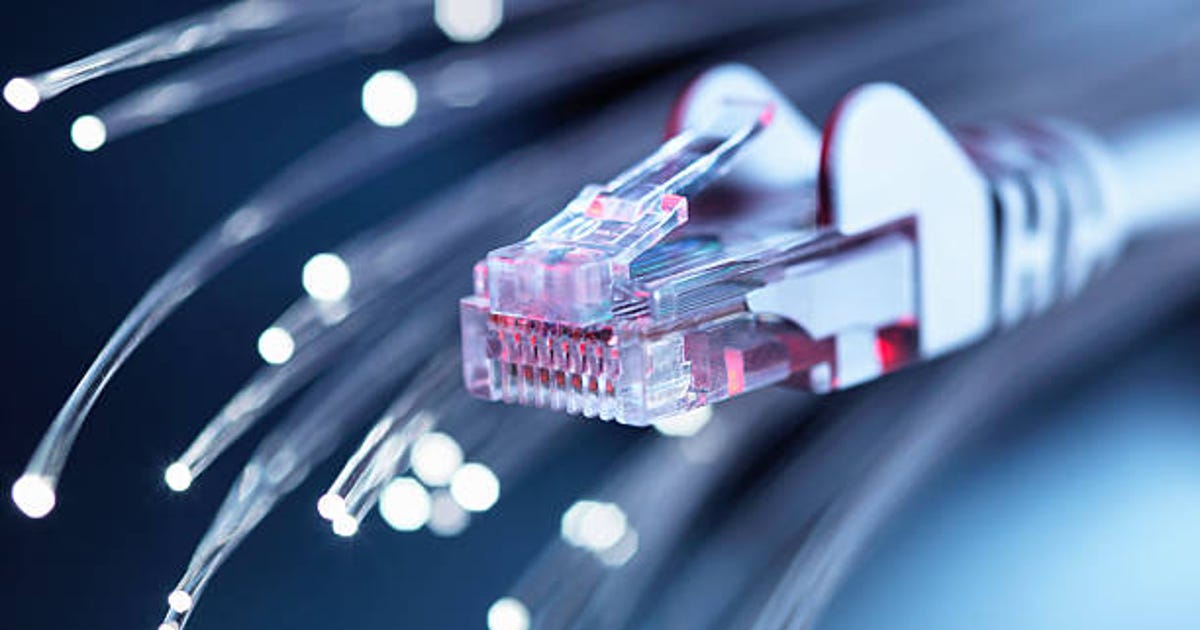
While wifi has become the norm for internet access, there are still several advantages to wiring your house with ethernet cables. Ethernet offers faster and more consistent speeds compared to wifi, with studies showing that wifi networks typically achieve only 42% of the speeds of a hardwired connection. Ethernet also provides more reliable coverage, eliminating wifi dead zones, and offers better security as it is a physical connection rather than a signal in the air. While wifi technology continues to advance, wiring your house with ethernet remains a worthwhile option for a superior internet experience.
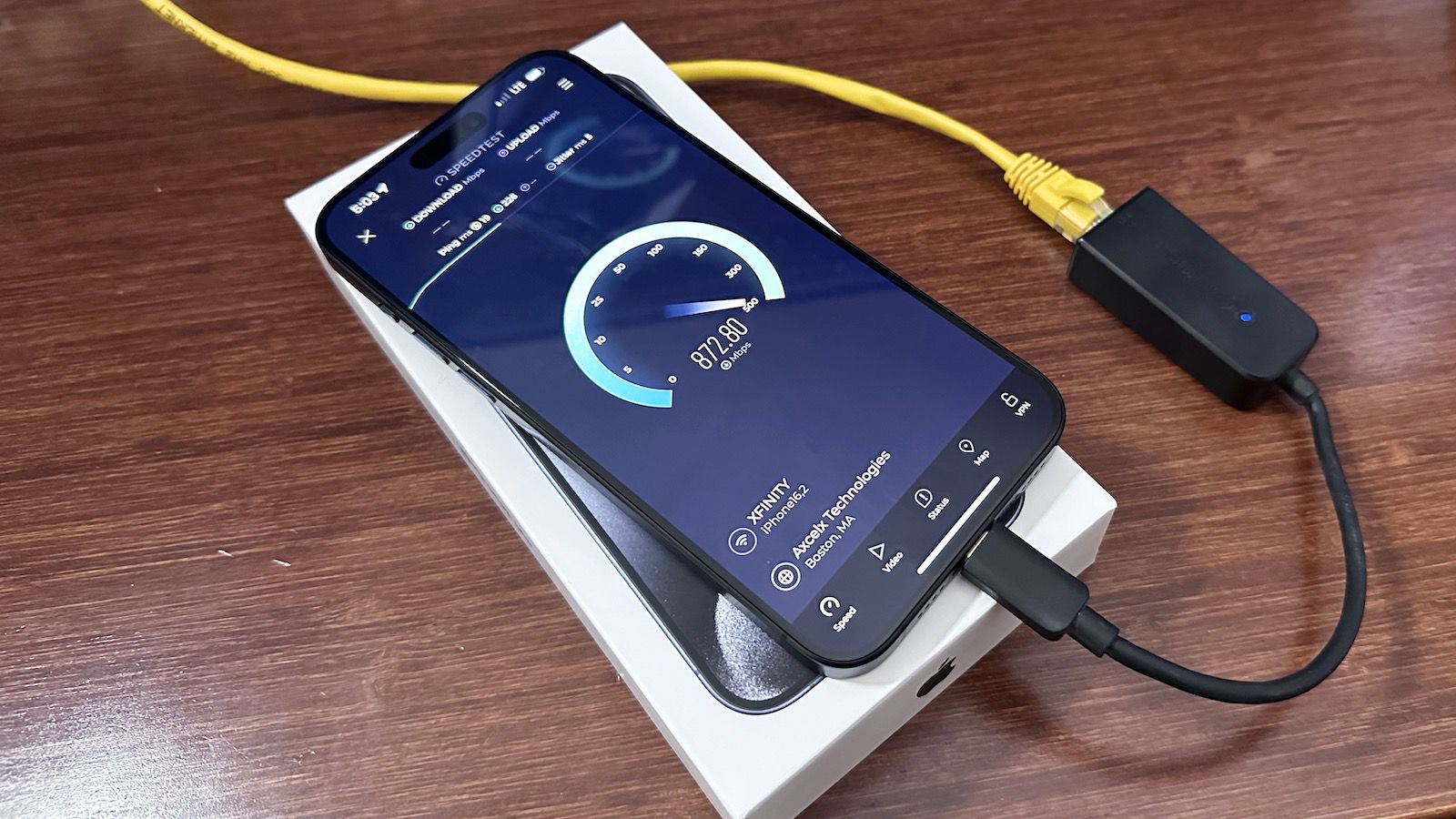
The newly launched iPhone 15 models support USB-C to Ethernet adapters, enabling users to connect to a wired internet connection for faster download speeds compared to Wi-Fi. Apple confirmed this feature in a support document, with compatible USB to Ethernet adapters listed for the iPhone 15 series. When connected to an Ethernet cable, the Settings app displays an Ethernet menu with IP-related information and configuration options.
The newly launched iPhone 15 models support USB-C to Ethernet adapters, allowing for a wired internet connection with faster download speeds than Wi-Fi. Apple confirmed this feature in a support document, listing USB to Ethernet adapters as compatible with iPhone 15 models. When connected to an Ethernet cable, an Ethernet menu appears in the Settings app, providing IP-related information and configuration options. Previous iPhones with the Lightning connector also supported Ethernet with an adapter. The iPhone 15 models were launched in the U.S. and over 40 other countries.
Ethernet, invented by Bob Metcalfe and others at Xerox PARC in the mid-1970s, revolutionized local area networks (LANs) by using a combination of standards body politics and a minimalist design. Ethernet's media access control (MAC) procedures, known as CSMA/CD, improved on ALOHAnet's radio network by implementing carrier sense, multiple access, and collision detection. Ethernet's design allowed for efficient data transfer and the ability to connect thousands of computers to a LAN. Over the years, Ethernet assimilated higher bitrate protocols and became the dominant LAN standard, with its performance under load proving to be quite good.
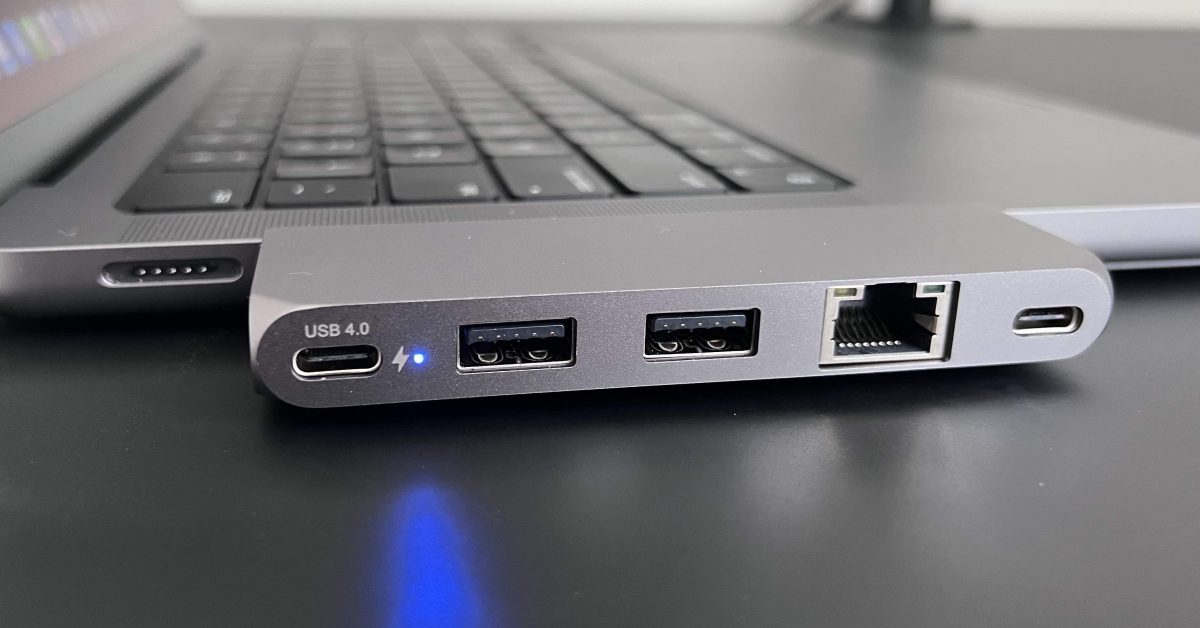
A recent study by Ookla, the maker of Speedtest, shows that WiFi speed degradation was the lowest in the US among the twelve countries studied, but the average WiFi speeds are just 42% of the actual Ethernet performance. The UK and France were the worst two countries, with both losing over 70% of their Ethernet speed on WiFi. The study makes a strong case for using Ethernet on Macs, and suggests that users can grab an Ethernet adapter or check their USB-C hub for Ethernet. Apple could also bring back Ethernet to its MacBook Pro models or put Ethernet into its laptop USB-C power adapters.
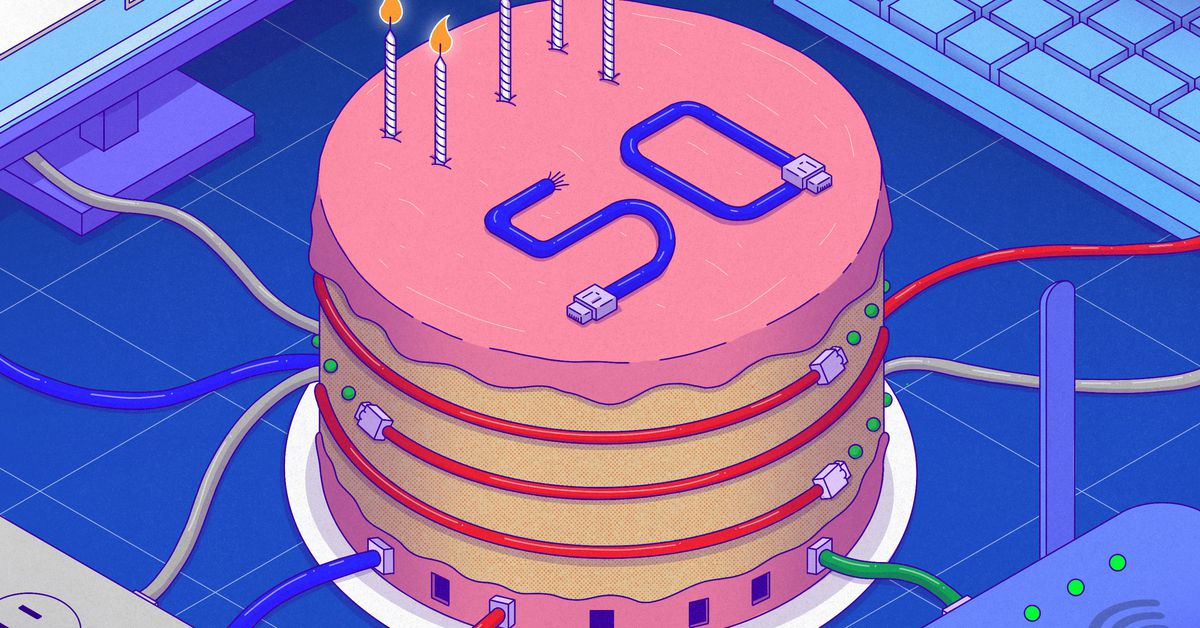
Wired Ethernet, which turned 50 years old, has revolutionized the world by connecting it through a network of hardwired cables, from internet service providers to ethernet lines in people's homes. The internet has become an integral part of our lives, and none of it would have been possible without the invention of ethernet.
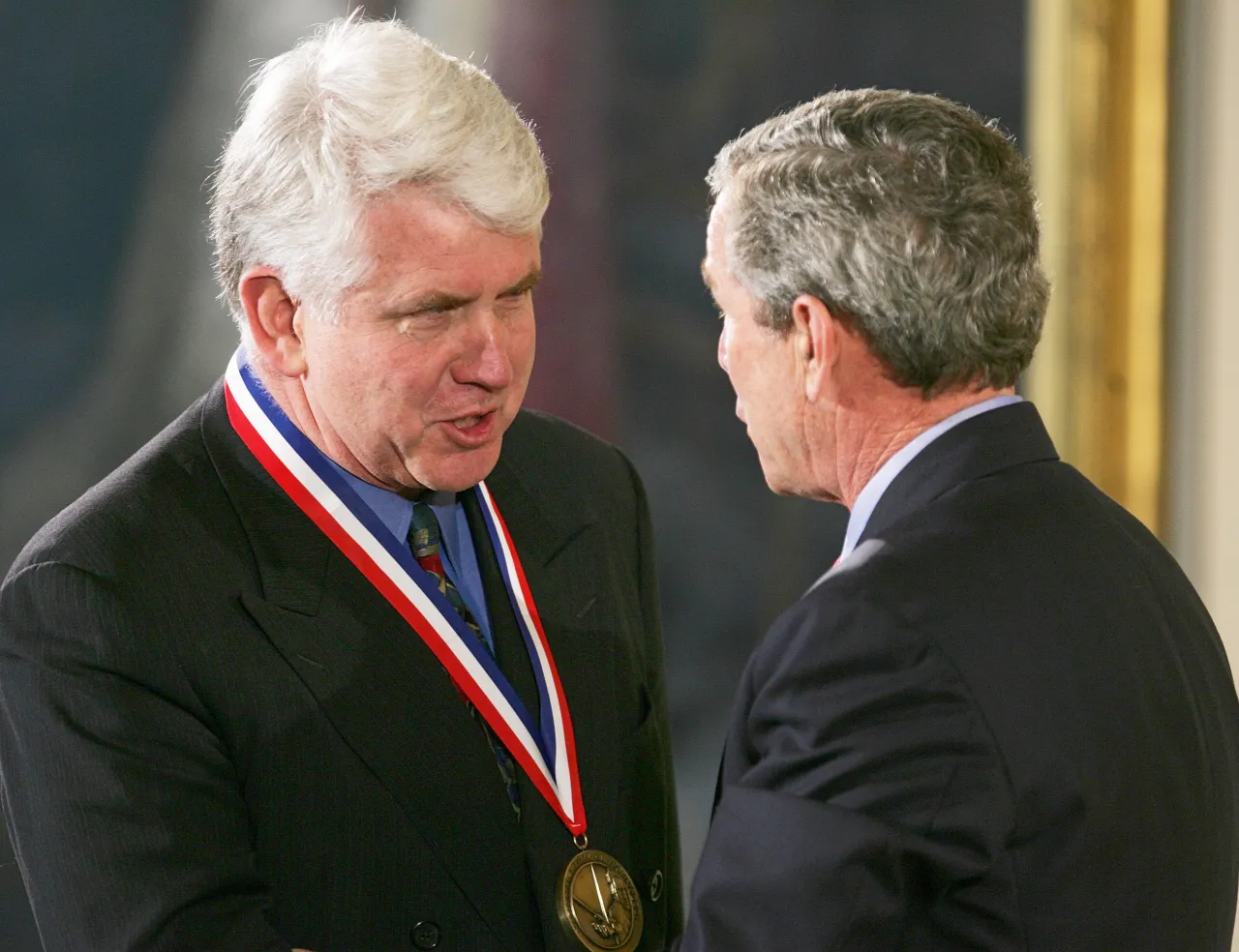
Robert Metcalfe, co-inventor of Ethernet, has won the Turing Award for his invention made in the 1970s. The Ethernet was initially a single wire bus with a single transceiver per node, which was eventually replicated across Xerox until it became a corporate internet, and then an internet for the world. Metcalfe went on to found 3Com Corporation and worked as a venture capitalist. The Turing Award comes with a $1 million prize.
Robert Metcalfe, a professor emeritus at UT Austin, has been awarded the 2022 Association for Computing Machinery A.M. Turing Award for his invention, standardization, and commercialization of Ethernet. Ethernet is the main conduit of wired network communications around the world, handling data rates from 10 Mbps to 400 Gbps, with 800 Gbps and 1.6 Tbps technologies emerging. The award is named after Alan M. Turing and includes a $1 million prize with financial support provided by Google.
Bob Metcalfe, co-inventor of Ethernet, has been awarded the Association for Computing Machinery (ACM) A.M. Turing Award, often referred to as the "Nobel Prize of computing." Metcalfe and the late David Boggs developed Ethernet at Xerox PARC, which revolutionized networking. Metcalfe later founded 3com, a networking equipment company that brought Ethernet to the mainstream. Despite its notoriety as a cable technology, Metcalfe originally envisioned Ethernet to be more like Wi-Fi.
Bob Metcalfe, the creator of Ethernet, has won the 2022 Turing Award, the computing industry's top prize, for his invention that connects billions of devices to wired and wireless networks. Metcalfe also founded 3Com, a company that profited greatly from the commercialization of Ethernet, and is famous for Metcalfe's Law, which states that the value of a network increases proportionally to the square of the number of devices that can use it. Wired Ethernet began with data transfer speeds of 2.94 megabits per second and has now reached 800 gigabits per second, with another doubling in the works.
Bob Metcalfe, the creator of Ethernet, has won the 2022 Turing Award, the computing industry's top prize, for his invention that connects billions of devices to wired and wireless networks. Metcalfe also founded 3Com, a company that profited greatly from the commercialization of Ethernet, and is famous for Metcalfe's Law. Wired Ethernet began with data transfer speeds of 2.94 megabits per second and now reaches 800 gigabits per second. Ethernet ports have faded from laptops and never arrived on phones, but the technology was adapted to the Wi-Fi standards, bringing new convenience and ubiquity to the internet.