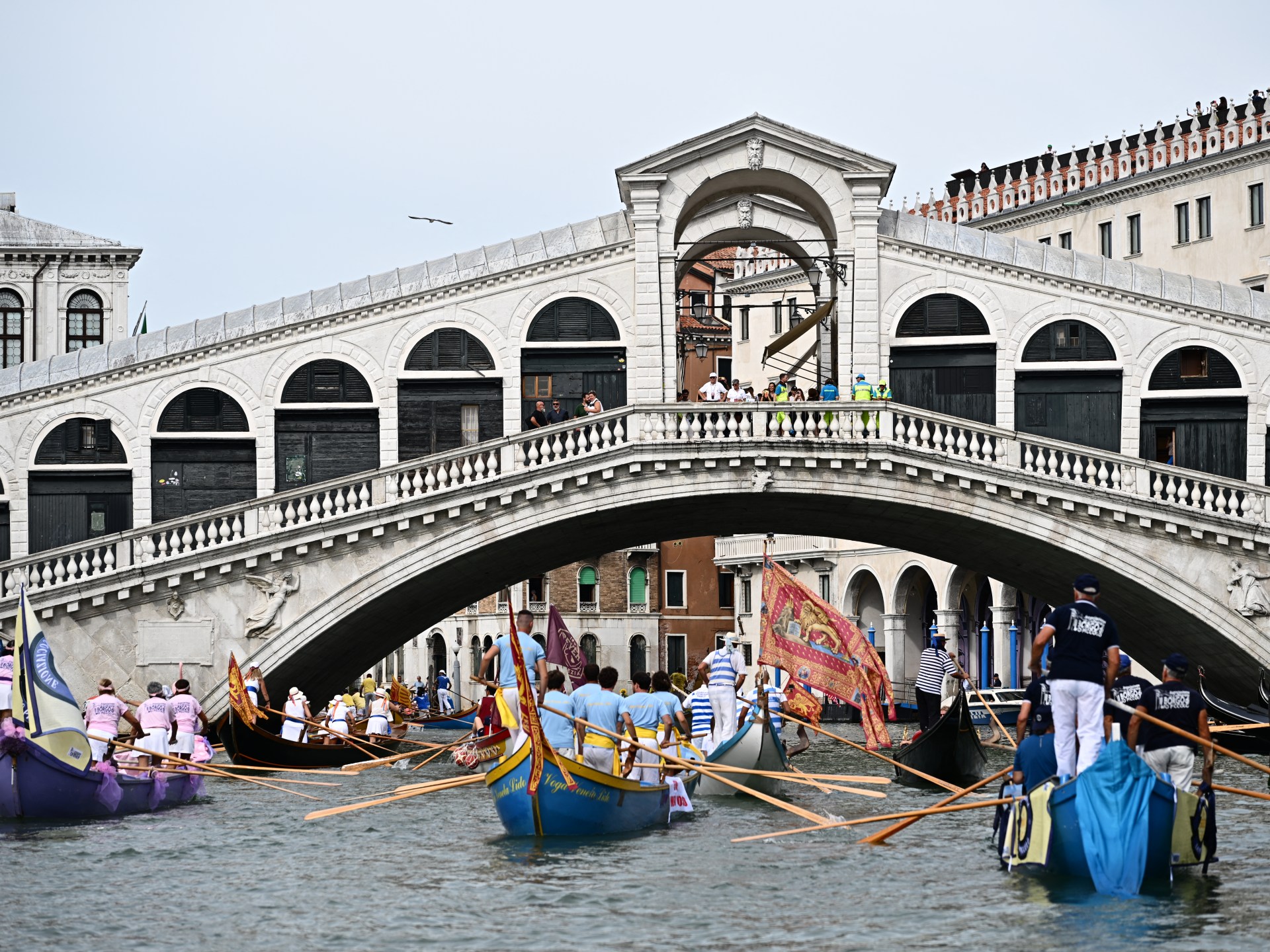
Venice's pilot program of charging a 5-euro entrance fee to manage tourist congestion has been criticized as ineffective, with opponents arguing it failed to deter visitors on peak days. Despite raising 2.19 million euros, critics claim the fee turns Venice into a "museum" and advocate for alternative measures like a free booking system. City officials plan to double the fee next year and continue the program in 2025, while concerns about surveillance and data privacy persist.
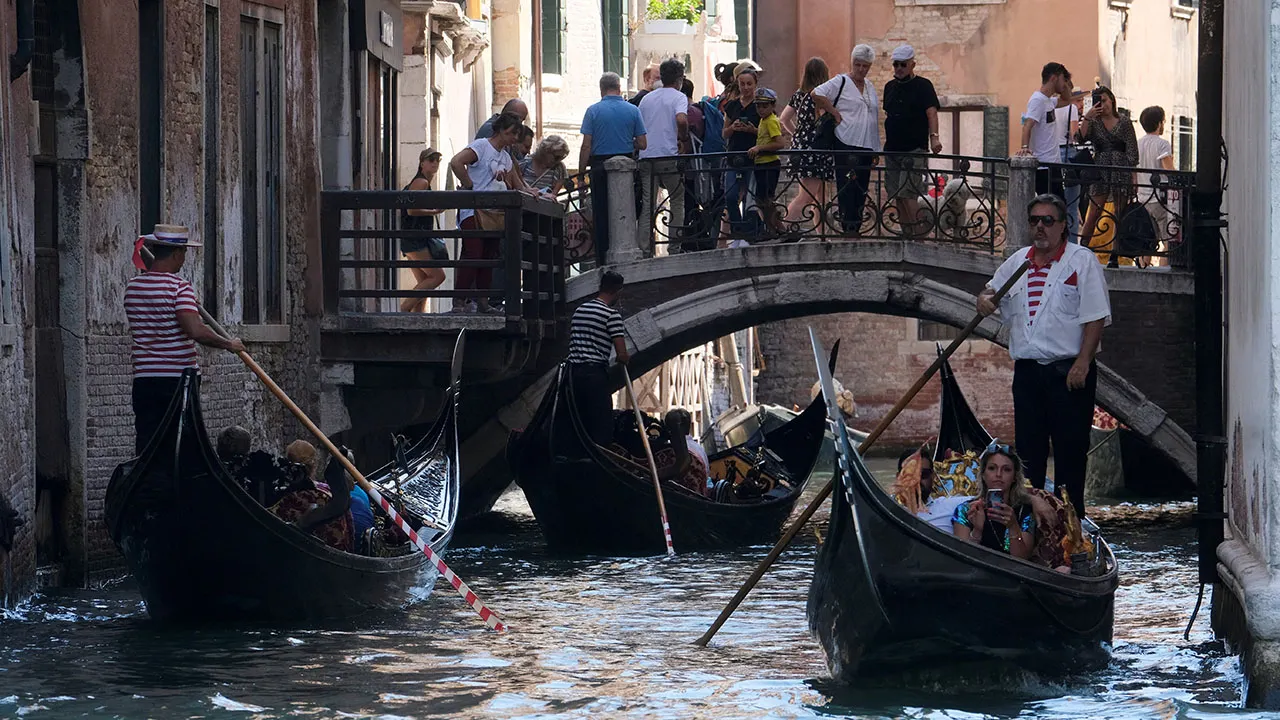
Venice has approved guidelines to charge daily visitors a $5.50 entrance fee starting next year, initially testing it for 30 days on spring and summer weekends. The aim is to discourage daily tourism during certain periods and protect the city's fragility and uniqueness. The fee will be applicable to day-trippers over the age of 14, while commuters, residents of the Veneto region, and overnight visitors who already pay a lodging tax will be exempt. The plan, which aims to strike a balance between residents and visitors, is awaiting final approval. In 2019, day-trippers contributed only a fraction of the revenue compared to overnight visitors. The fee plan was delayed due to COVID, and UNESCO has recommended adding Venice to its list of World Heritage in Danger due to climate change and tourism's impact.
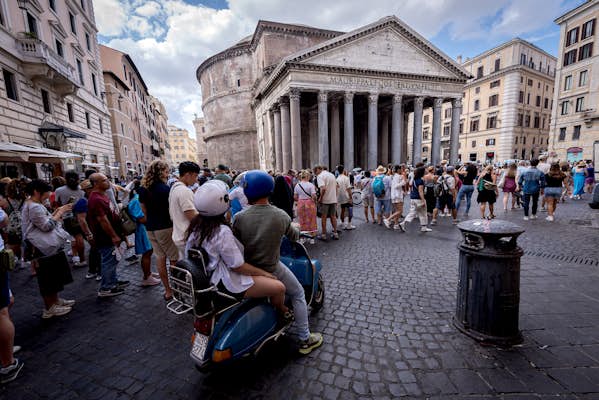
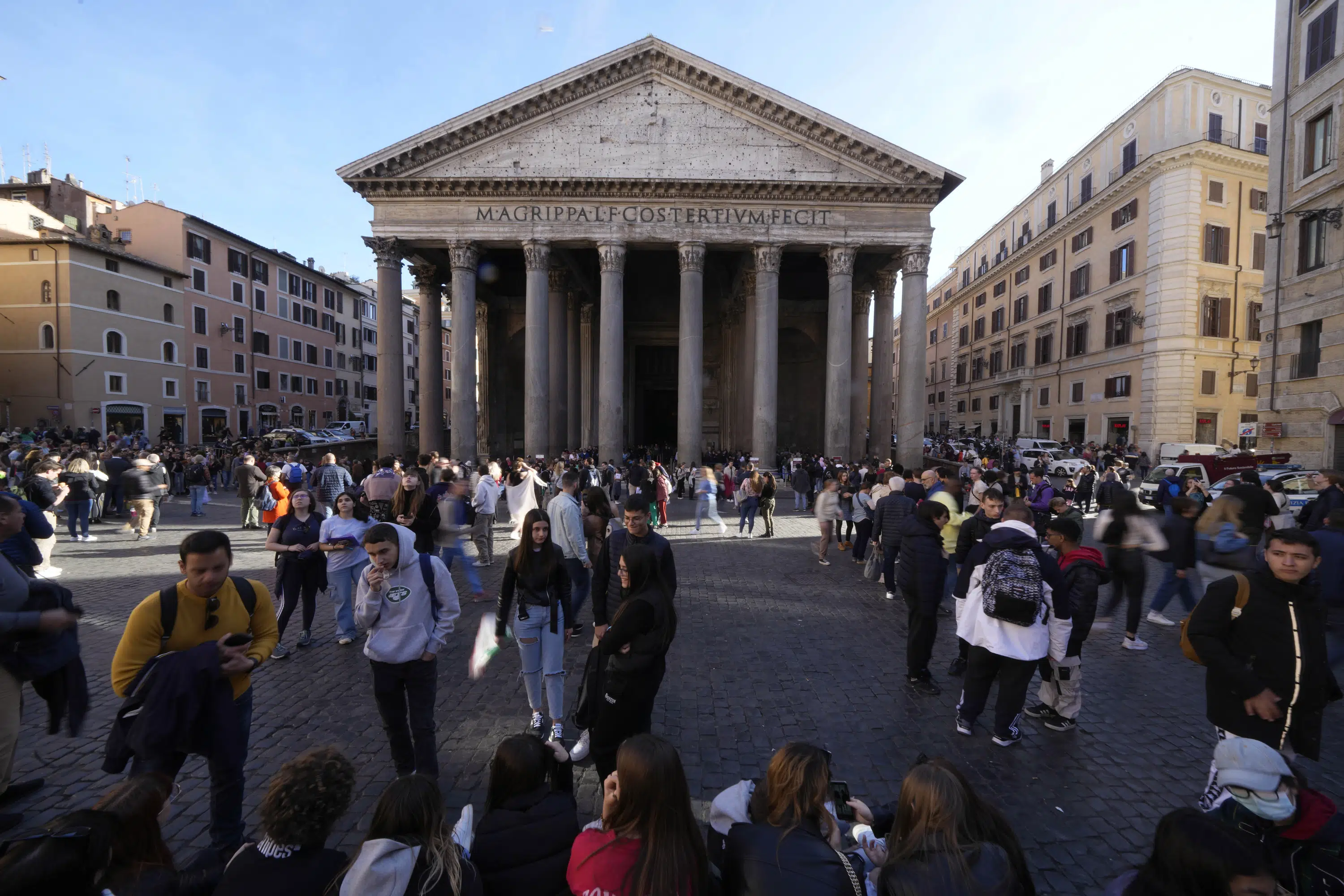
Rome's Pantheon, the most-visited site in Italy, is now charging visitors a small entry fee of €5 ($5.28). The fee, introduced on July 3, aims to generate revenue for cleaning and maintenance, with 70% going to the culture ministry and 30% to the Rome diocese. Those under 25 will pay €2, while children, residents of Rome, people attending mass, and Pantheon workers will still have free entry. Italy is also implementing entrance fees for other popular tourist attractions, such as Venice, to manage crowds.
Tourists visiting the Pantheon in Rome will soon be charged a 5-euro entrance fee, with visitors under 25 years of age being charged 2 euros. The move comes after an agreement was signed by Italian culture and church officials, with proceeds being split between the culture ministry and the Rome diocese. The Pantheon, Italy's most-visited cultural site, attracted 60,803 visitors last year and will remain free for Rome residents, minors, people attending Mass, and personnel of the basilica.