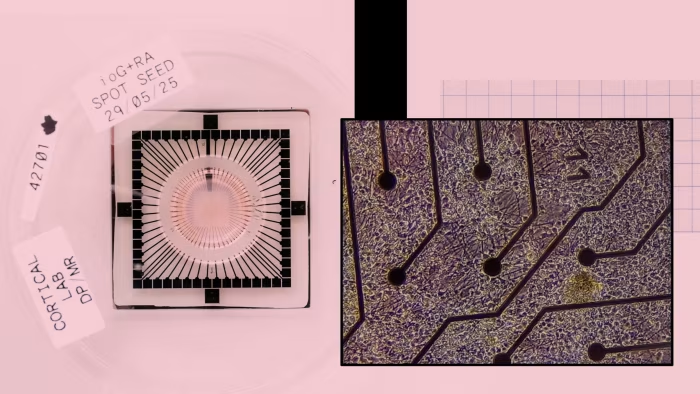
A lab outside Cambridge has developed a biological computer called CL1, which uses human brain cells grown on silicon circuitry to explore new forms of energy-efficient computing with potential applications in robotics, security, and AI, while advancing understanding of brain function and neural processing.
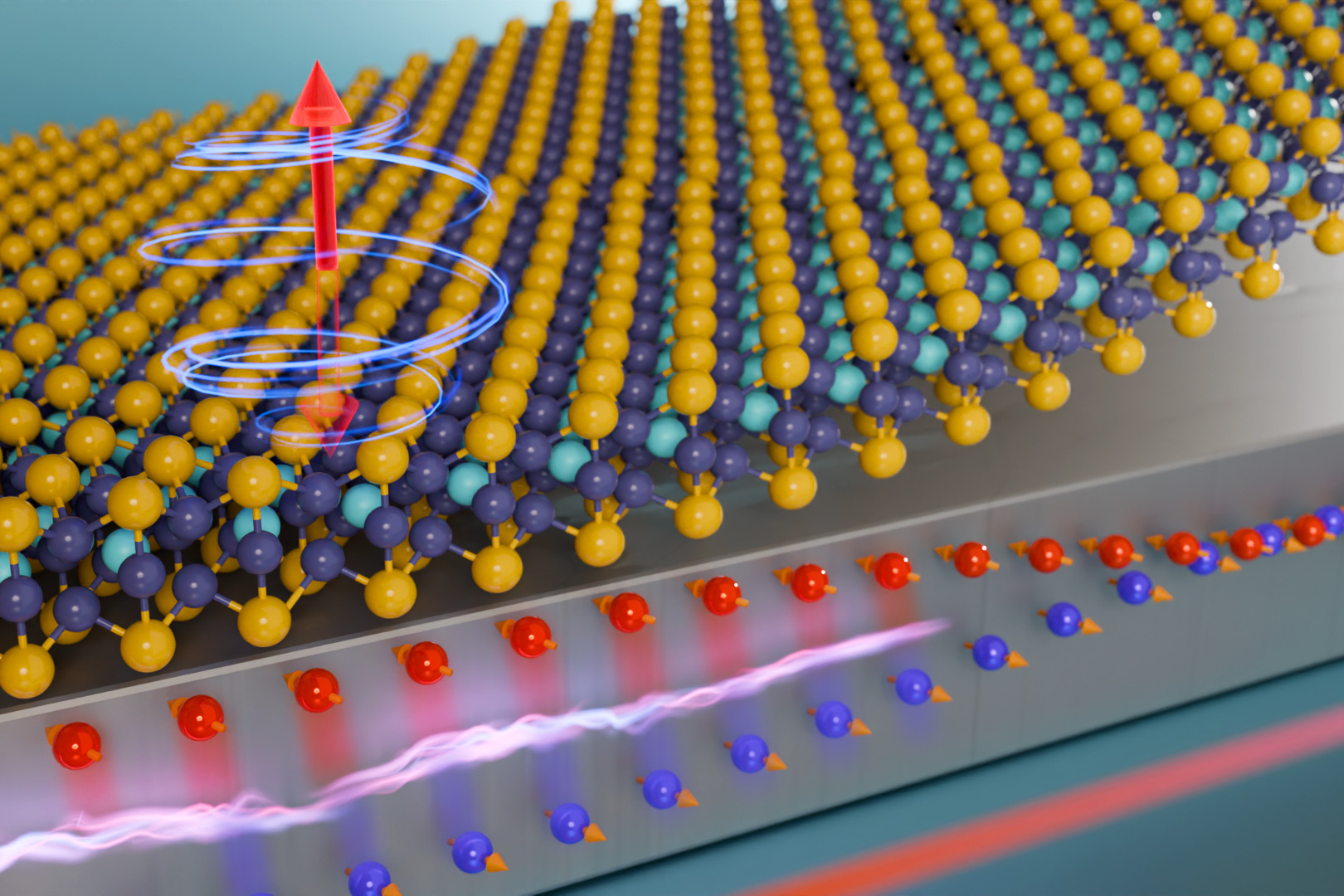
Researchers at MIT have demonstrated precise control of a van der Waals magnet at room temperature, a significant step towards integrating 2D magnetic materials into functioning computers. By using pulses of electrical current to switch the direction of the device’s magnetization, the team achieved greater energy efficiency and room-temperature switching, paving the way for faster, more energy-efficient computers and nonvolatile magnetic computer memories. The atomically thin iron gallium telluride material used in the experiment has the potential to bring the versatility of van der Waals magnets to commercial applications, with the researchers aiming to achieve switching without the need for any external magnetic fields in the future.