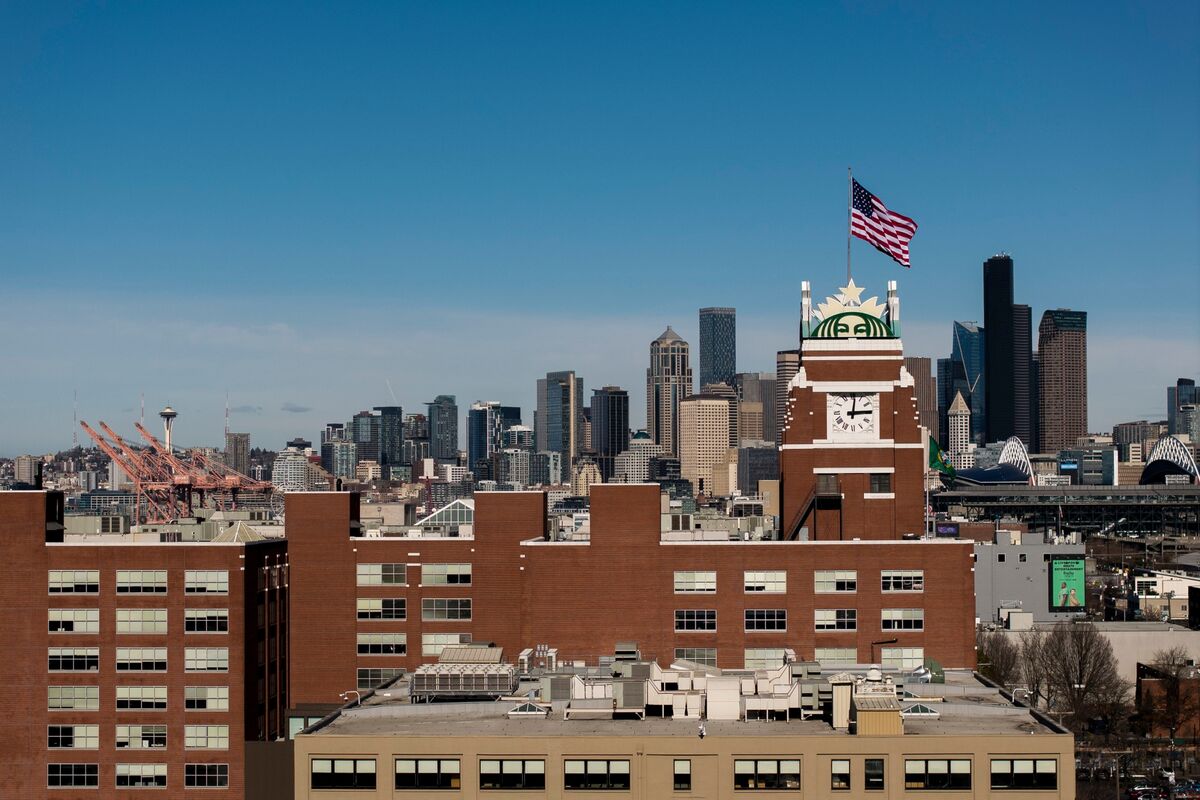
Starbucks is increasing in-office work requirements for corporate employees to four days a week and requiring remote managers to relocate to Seattle or Toronto as part of its 'Back to Starbucks' plan, aiming to strengthen its culture and reverse sales declines, while offering voluntary exit packages to some employees.
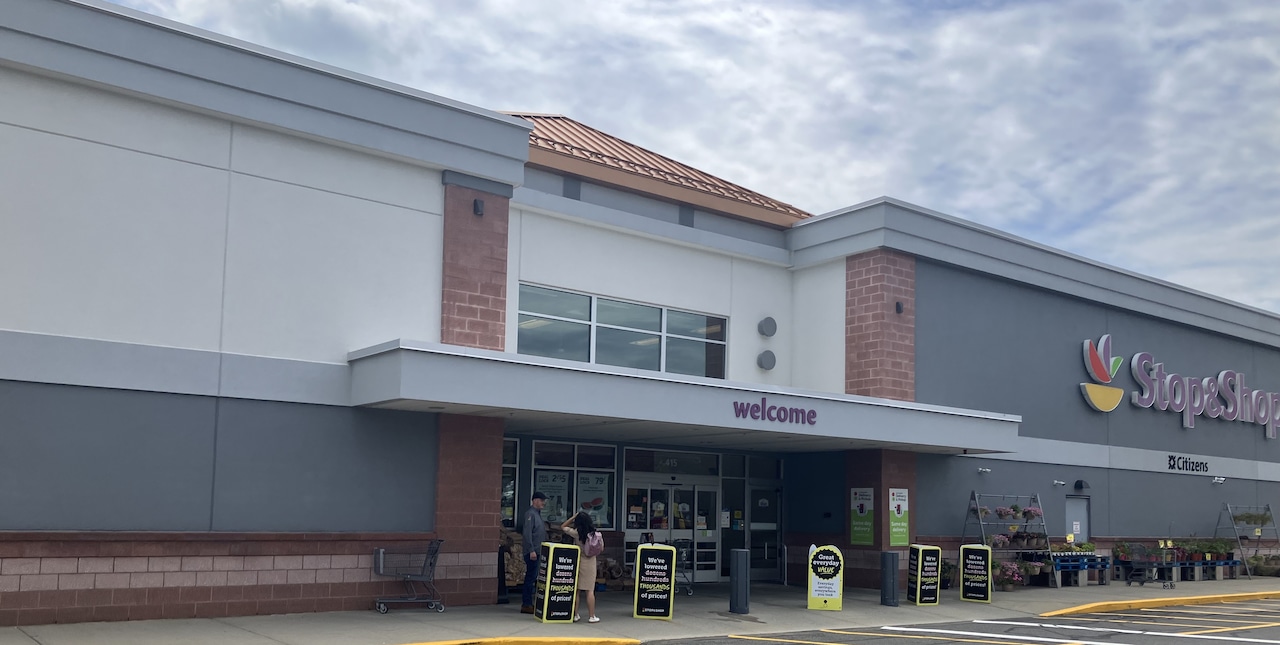
Stop & Shop is closing 32 underperforming stores nationwide, including seven in New York, by November 2, 2024, as part of a strategy to strengthen the brand. Employees at affected locations will be offered opportunities at other stores within the company.
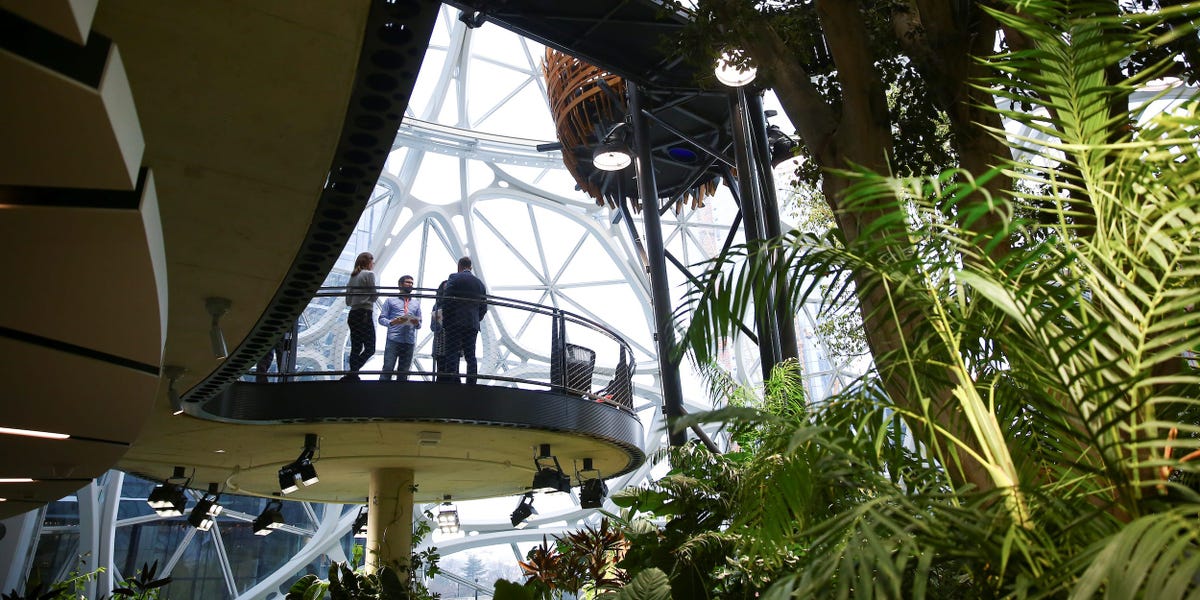
Amazon is implementing a strict "return-to-hub" policy, requiring employees to work from central locations assigned to their teams rather than the nearest office. Exceptions to this policy are being made extremely rare, leading some employees to consider drastic measures to comply, such as living in a van near headquarters or flying in from another city. The company is offering relocation packages for those who choose to move, but the mandate has caused internal turmoil, including a walkout and internal petition. Employees are expressing frustration over the policy, mocking Amazon's leadership principles in response.
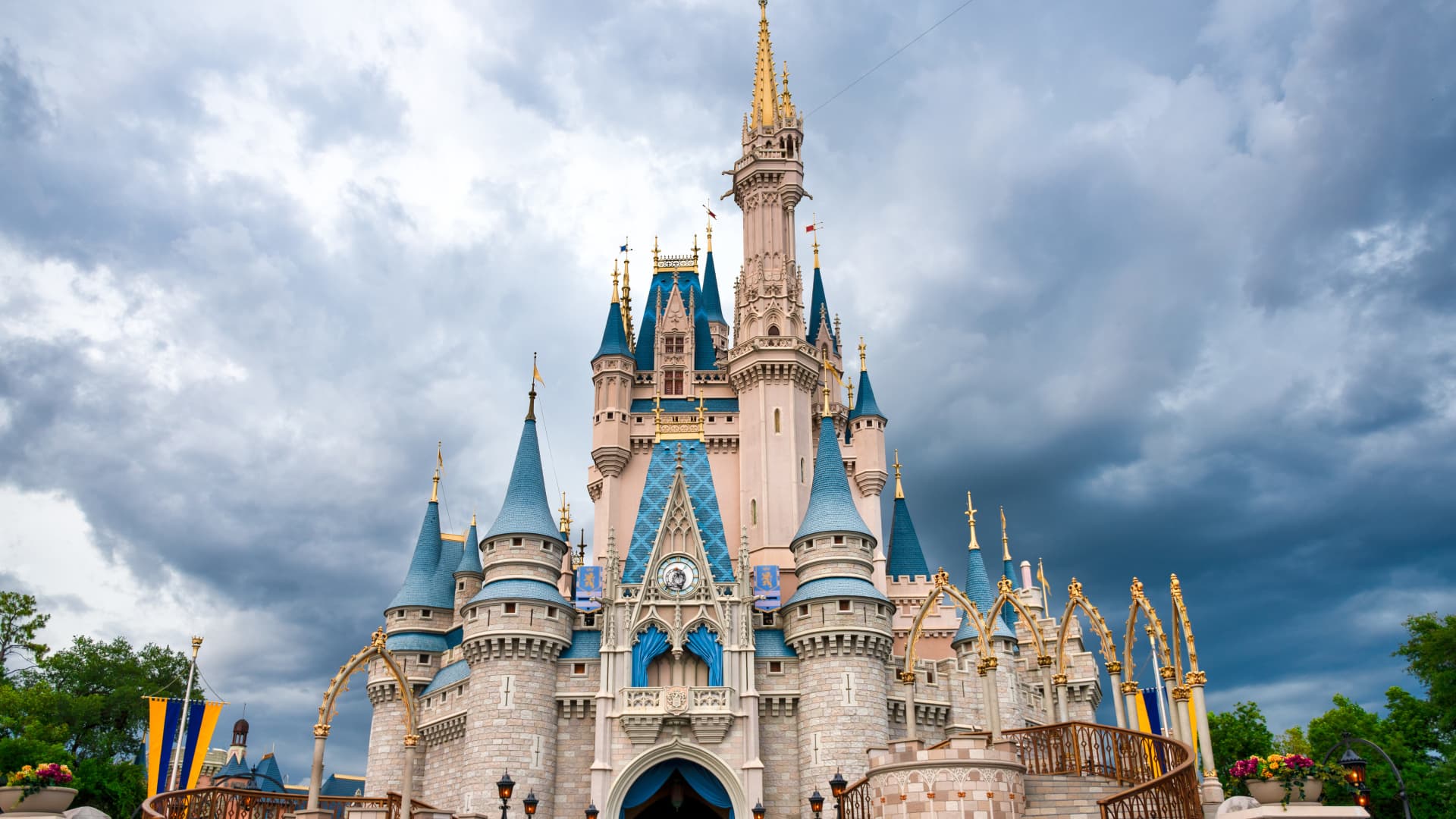
Disney has cancelled plans to open a new employee campus in Florida and will no longer ask over 2,000 California-based employees to relocate to the state. The decision was made due to "changing business conditions" and the return of CEO Bob Iger. The move comes amid a feud between Disney and Florida Governor Ron DeSantis, with the company filing a lawsuit accusing DeSantis and the new board members of its special district of carrying out a campaign of political retribution against the entertainment giant. Despite the cancellation, Disney still plans to invest $17 billion in Florida over the next 10 years and add around 13,000 jobs.
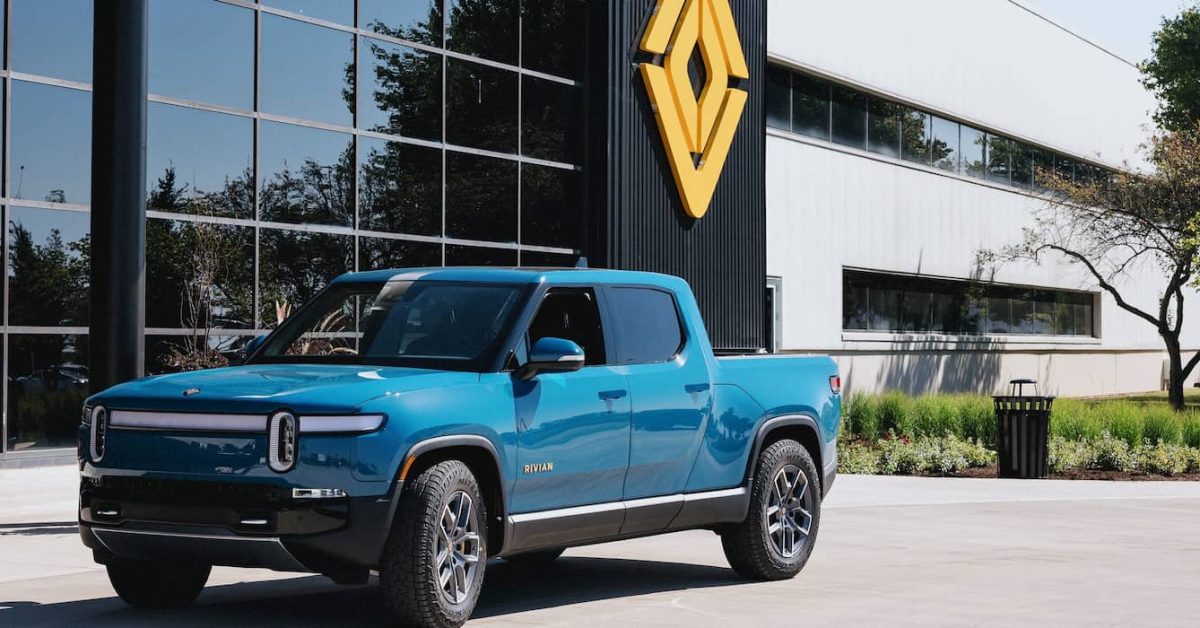
Rivian plans to boost EV production by relocating some of its engineers closer to its Illinois factory, as part of a broader reorganization effort to accelerate output. The company is expected to ask any engineers who were hired to work remotely during the pandemic to move closer. Rivian is aiming to build 50,000 EVs this year, more than doubling its 2021 numbers, and is focused on reducing costs and driving profitability while ramping up production.