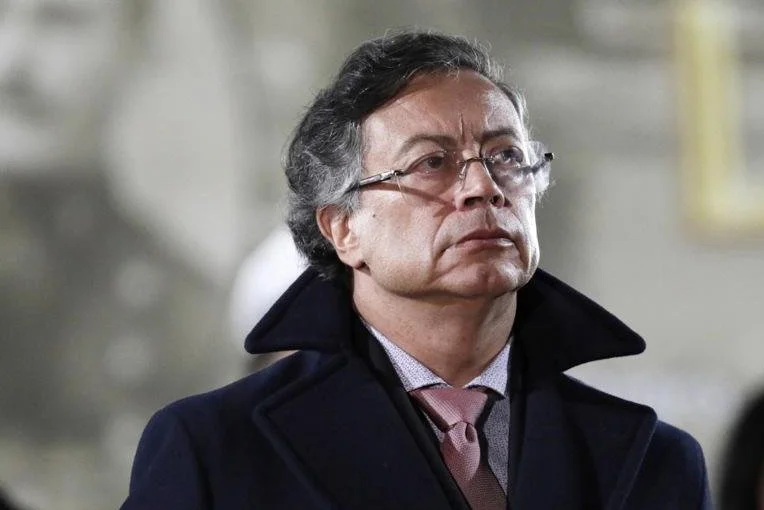
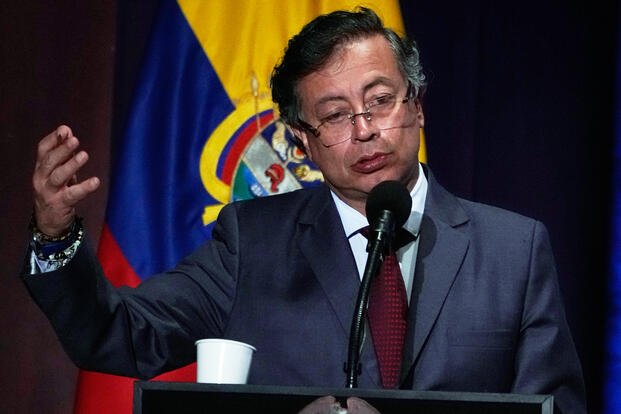
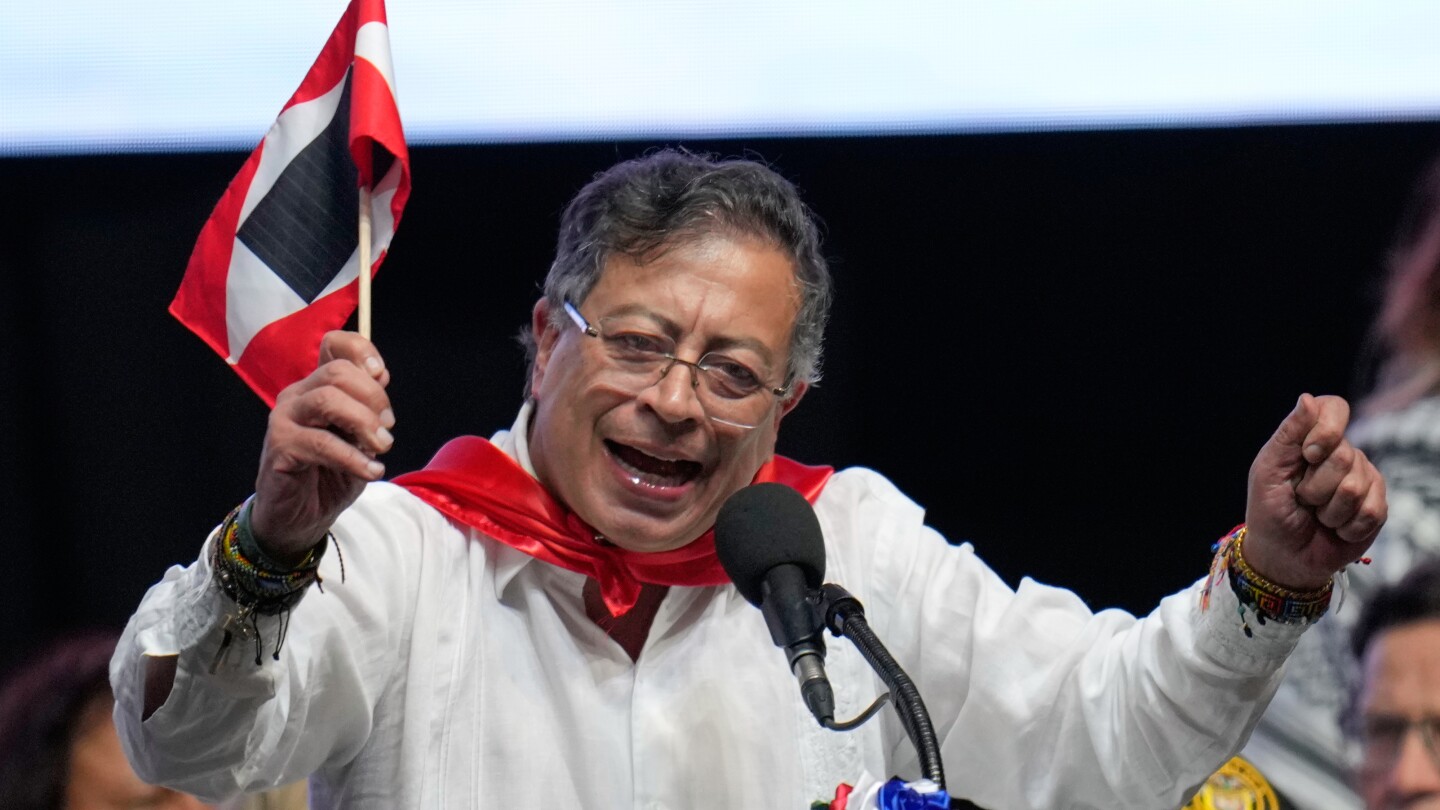
Colombian President Gustavo Petro claimed that a U.S. drone strike in Maracaibo, Venezuela, targeted a cocaine processing facility linked to the ELN guerrilla group, and criticized U.S. focus on cannabis rather than cocaine, while also addressing regional drug trafficking and political tensions between Colombia, Venezuela, and the U.S.
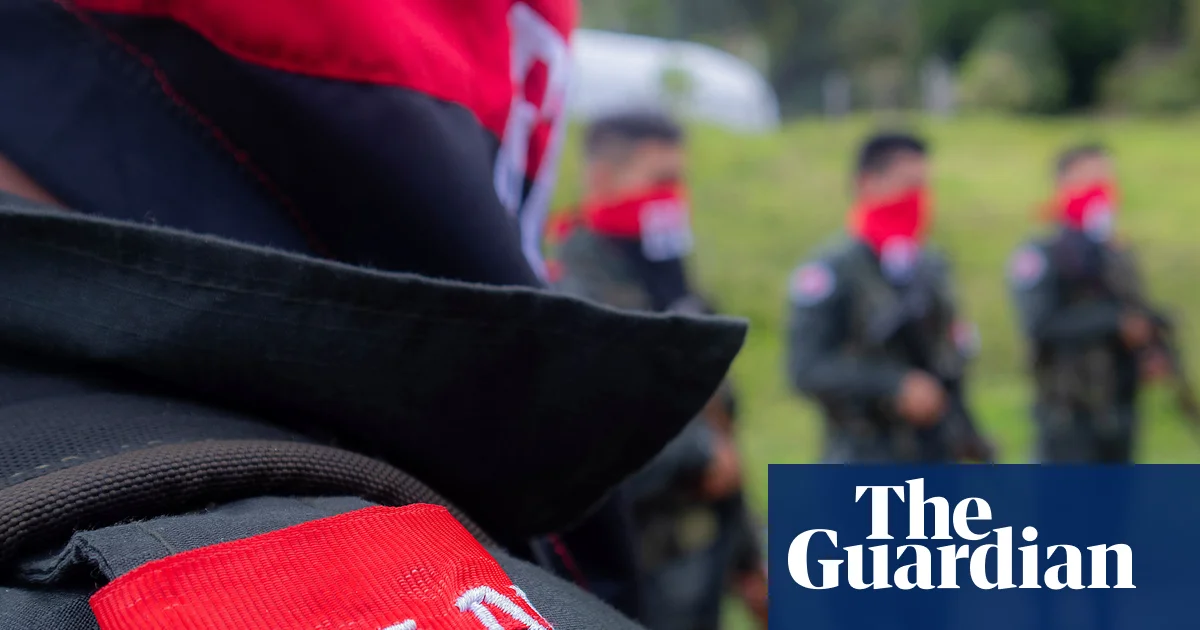
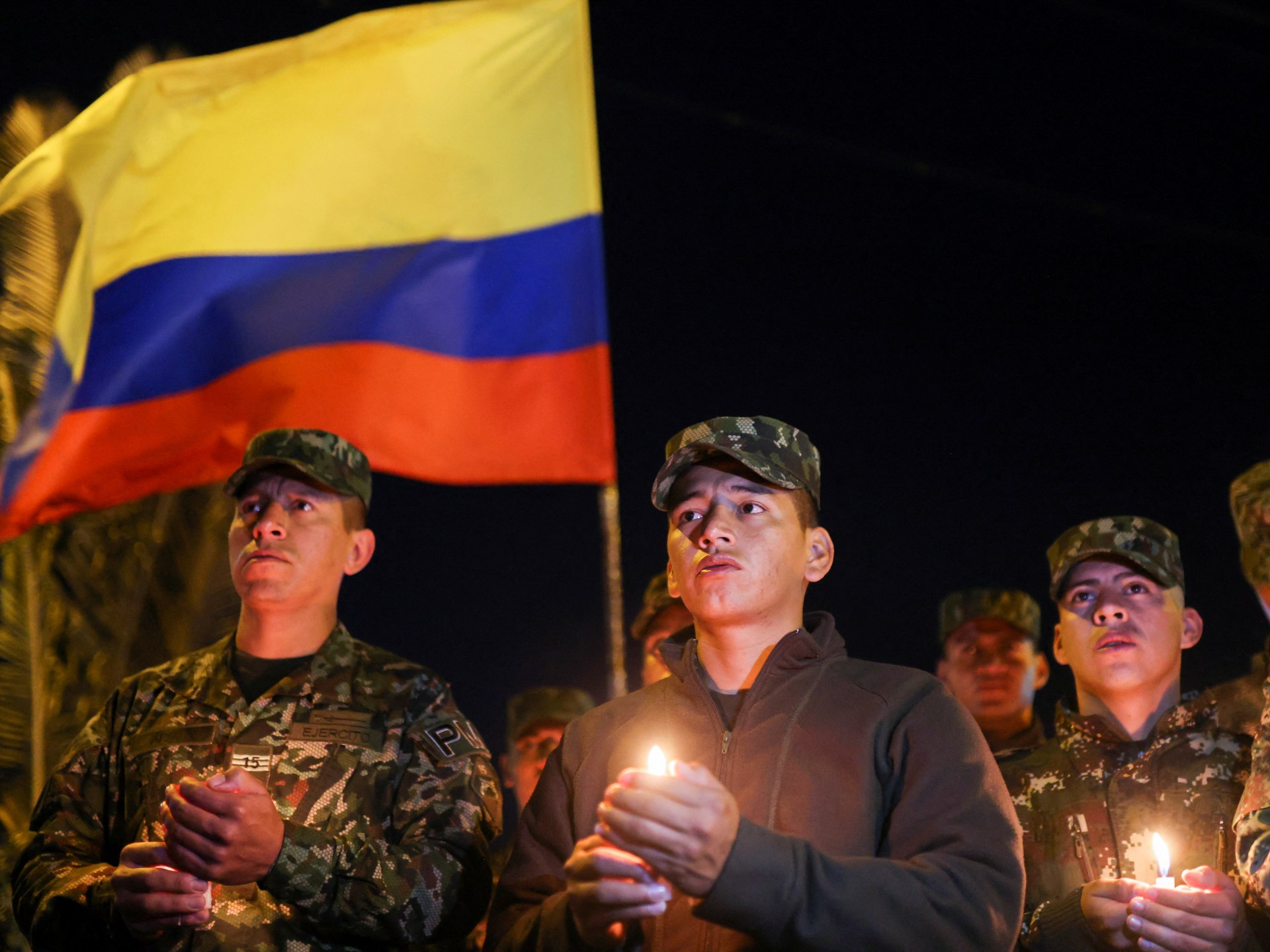
The ELN guerrilla group in Colombia launched a drone and explosives attack on a military base near Venezuela, killing six soldiers and injuring over two dozen, amid ongoing peace negotiations and regional tensions related to drug trafficking and US sanctions.
The Colombian government condemned the ELN rebel group's armed strike protesting US military actions in the Caribbean, which has impacted rural communities and involved attacks on security forces, amid ongoing peace negotiations that have been suspended since January.
President Donald Trump announced the suspension of US aid to Colombia due to concerns over drug production and criticized Colombian President Gustavo Petro, amid ongoing US military strikes against alleged drug traffickers and tensions over sovereignty and anti-drug efforts.
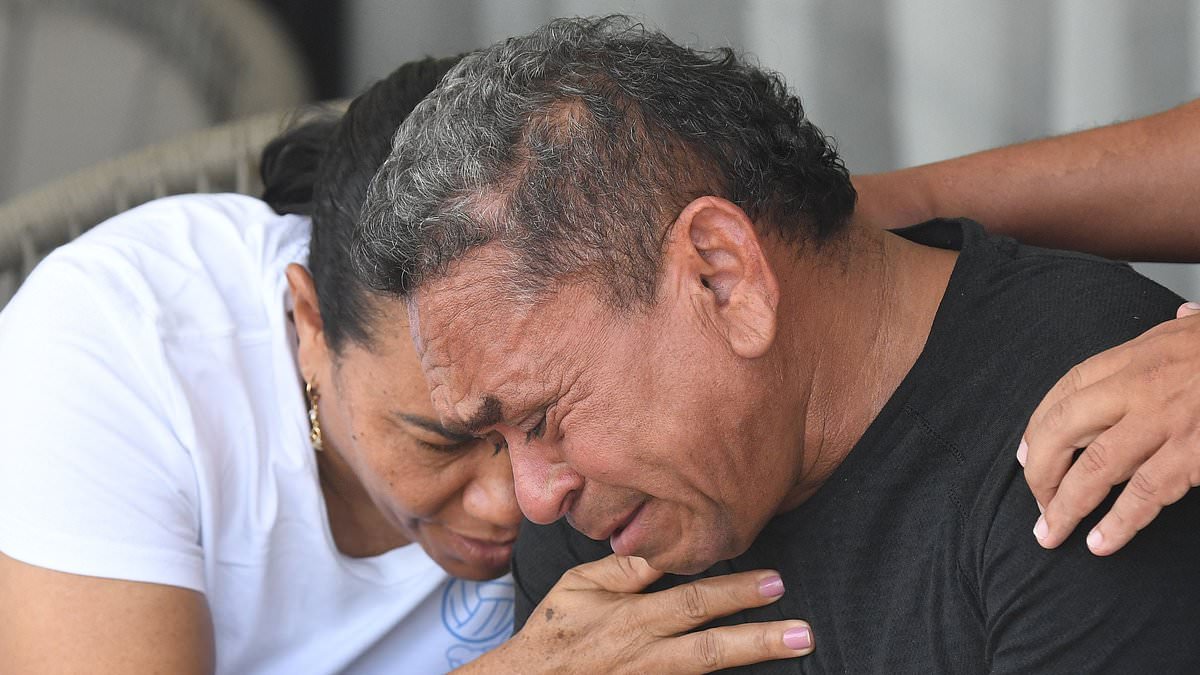
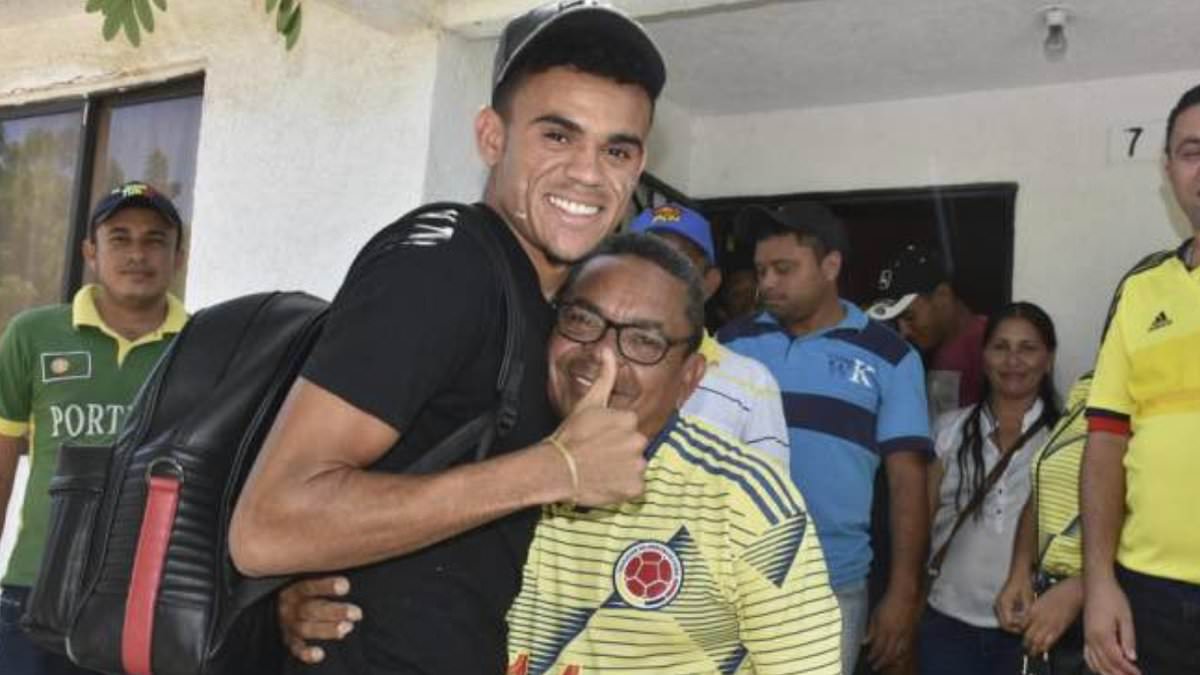
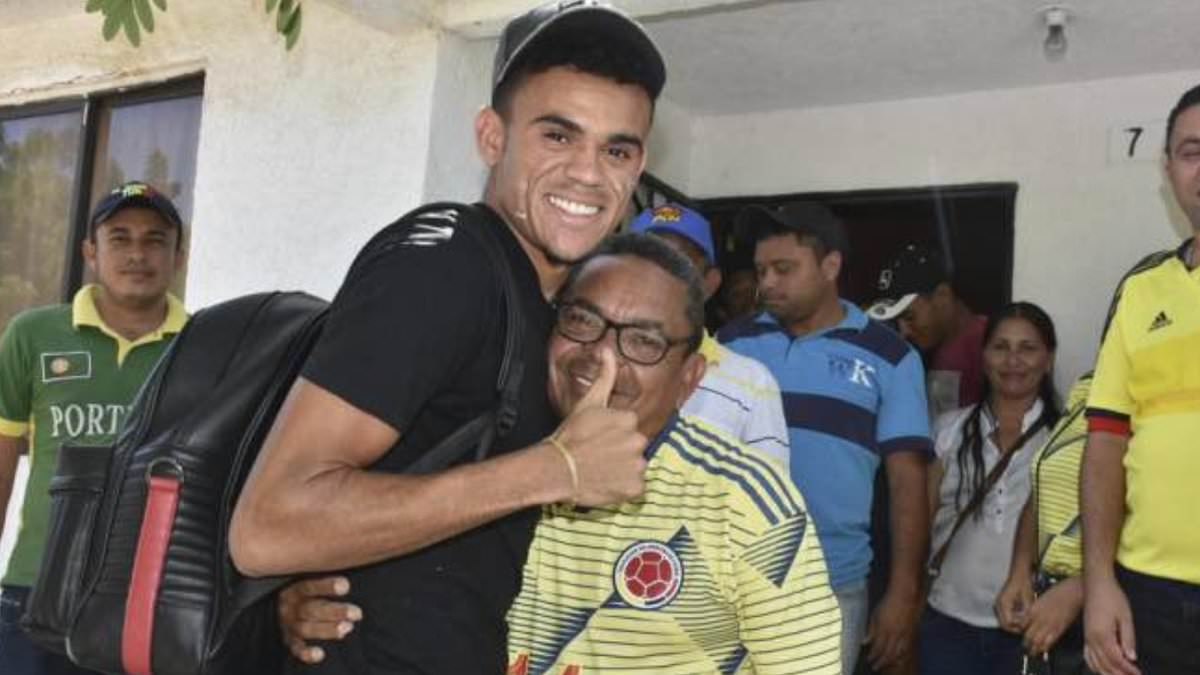
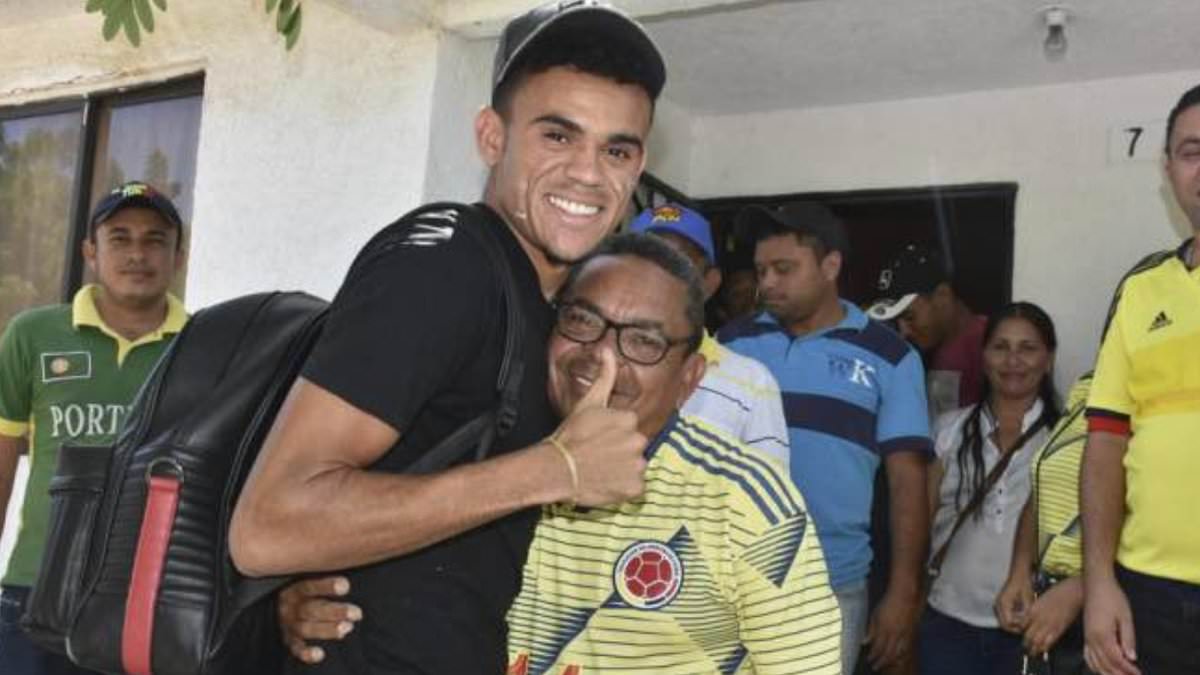
Luis Diaz's father, who was recently rescued from a 13-day kidnapping ordeal by a Roman Catholic bishop, has asked the bishop to conduct a ceremony to renew his wedding vows after losing his wedding band during the ordeal. The father, Luis Manuel Diaz, was taken hostage along with his wife by left-wing ELN guerrillas in Colombia. While his wife was released shortly after, he remained captive until Thursday. The bishop, Monsignor Francisco Ceballos, confirmed that he will conduct the ceremony and expressed his willingness to do so. Diaz's release came after a failed rescue attempt, and it is reported that his captors stole his valuables, including his wedding ring.
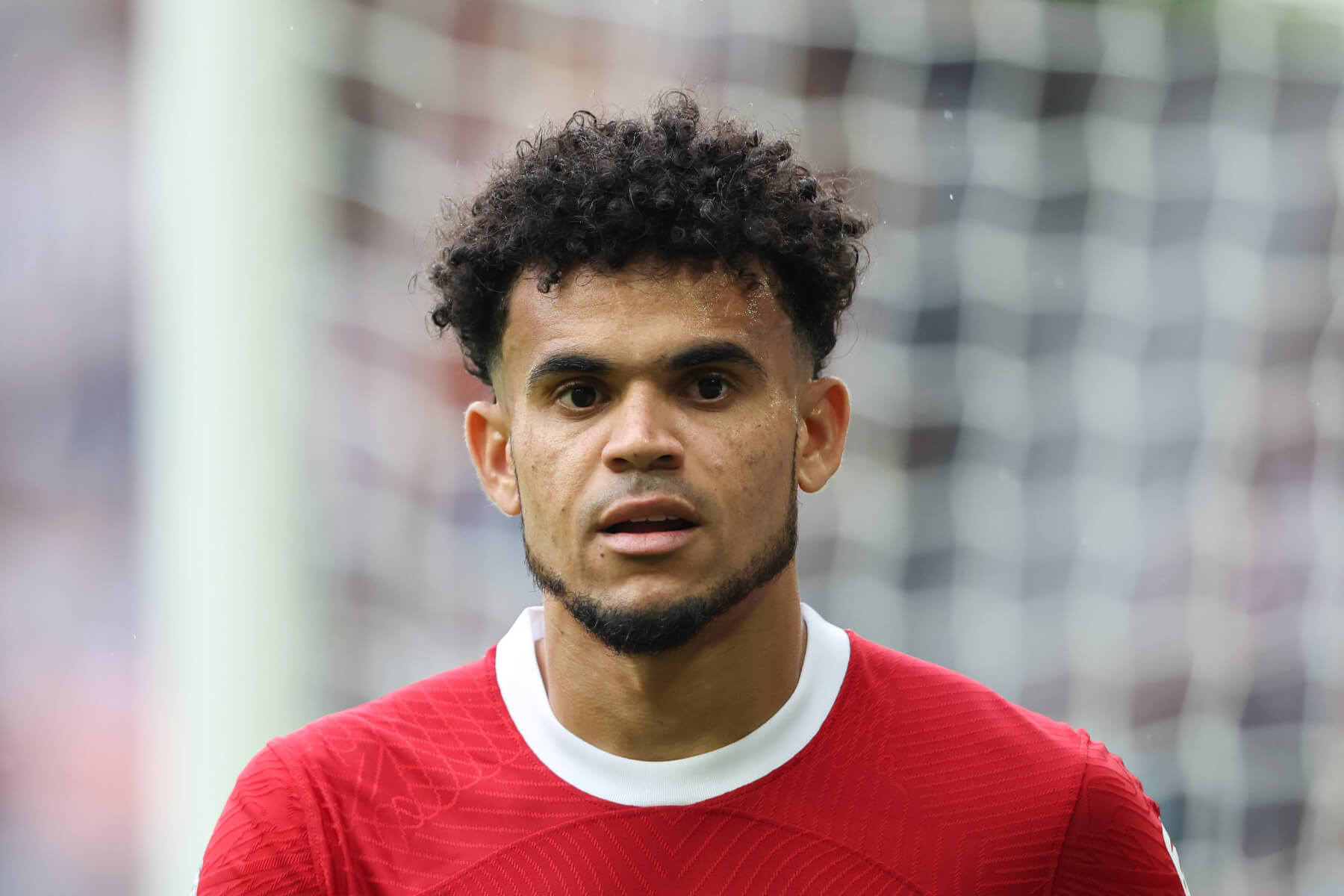
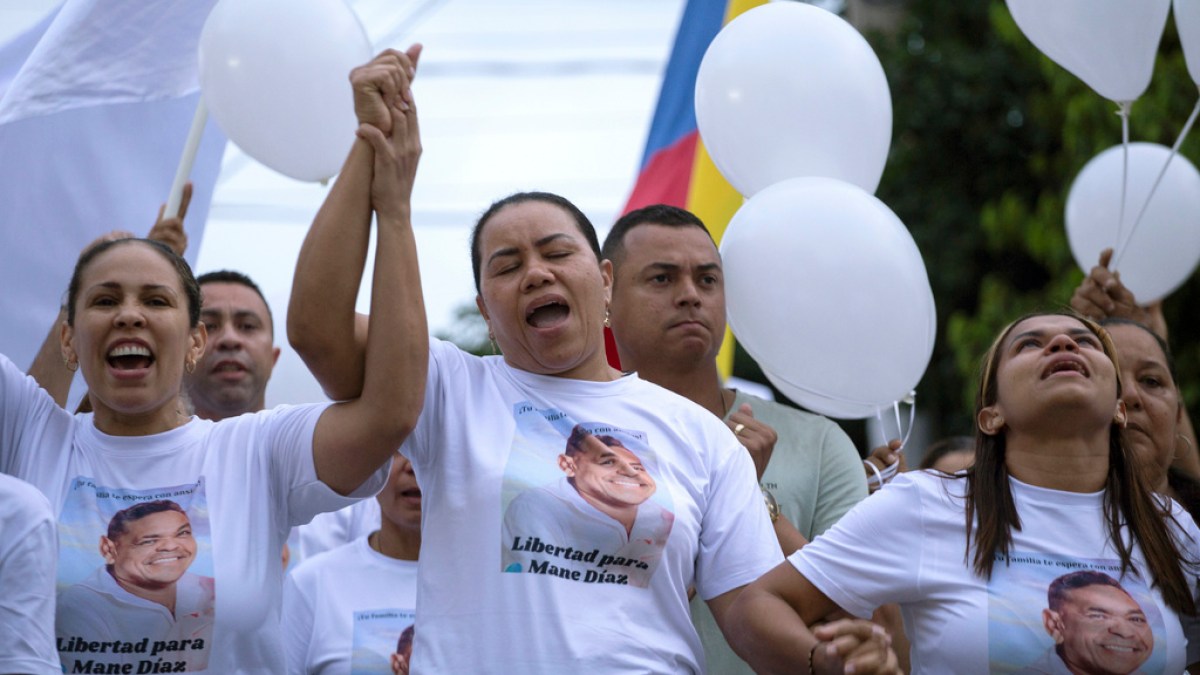
Luis Diaz's father, who was kidnapped by the National Liberation Army (ELN) in Colombia, has been released. The Colombian government attributed the kidnapping to a faction of the ELN. Diaz's mother had been rescued earlier, and efforts were made to locate his father, who was feared to have been taken to Venezuela. Liverpool expressed their relief and gratitude for his safe return. The Colombian Football Federation emphasized the importance of keeping football separate from violence. Diaz, who scored a goal in a recent match, appealed for his father's release and thanked supporters for their solidarity.
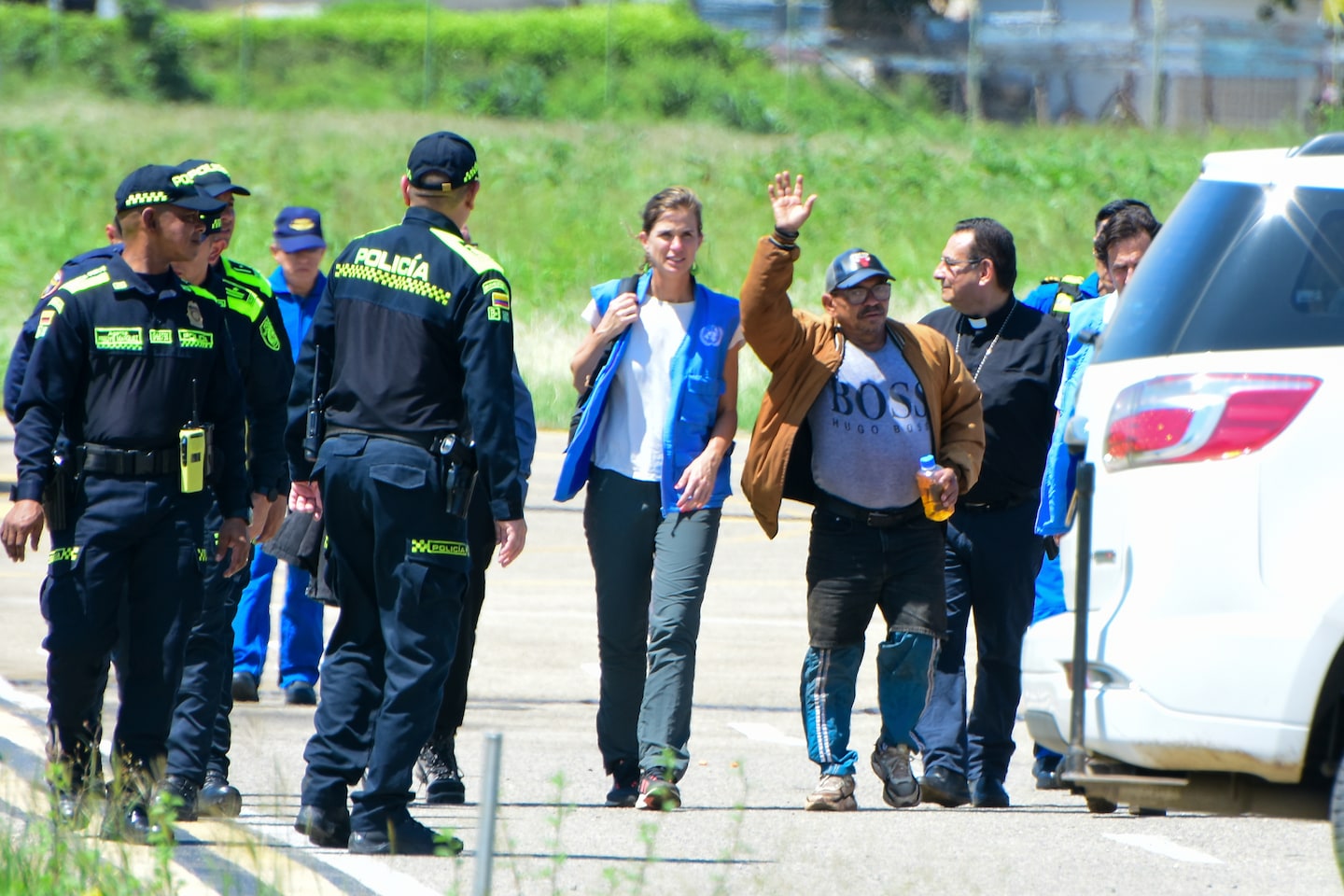
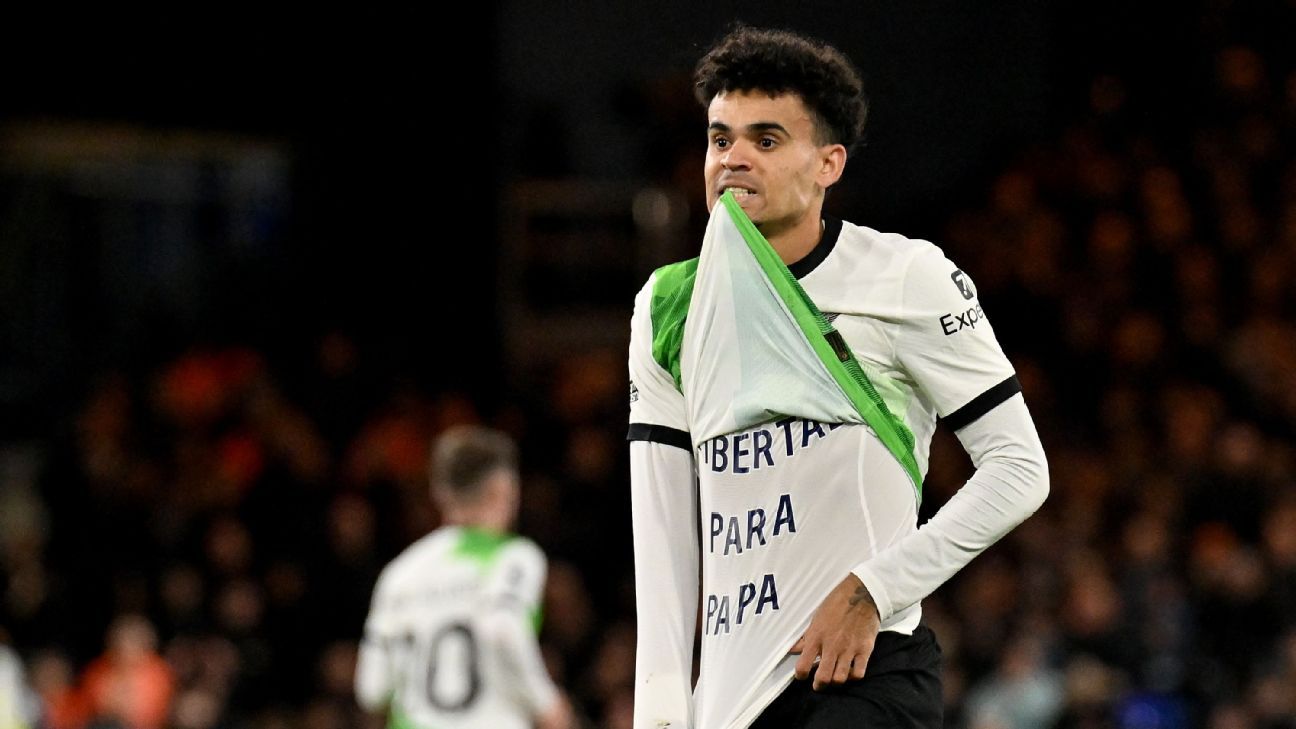
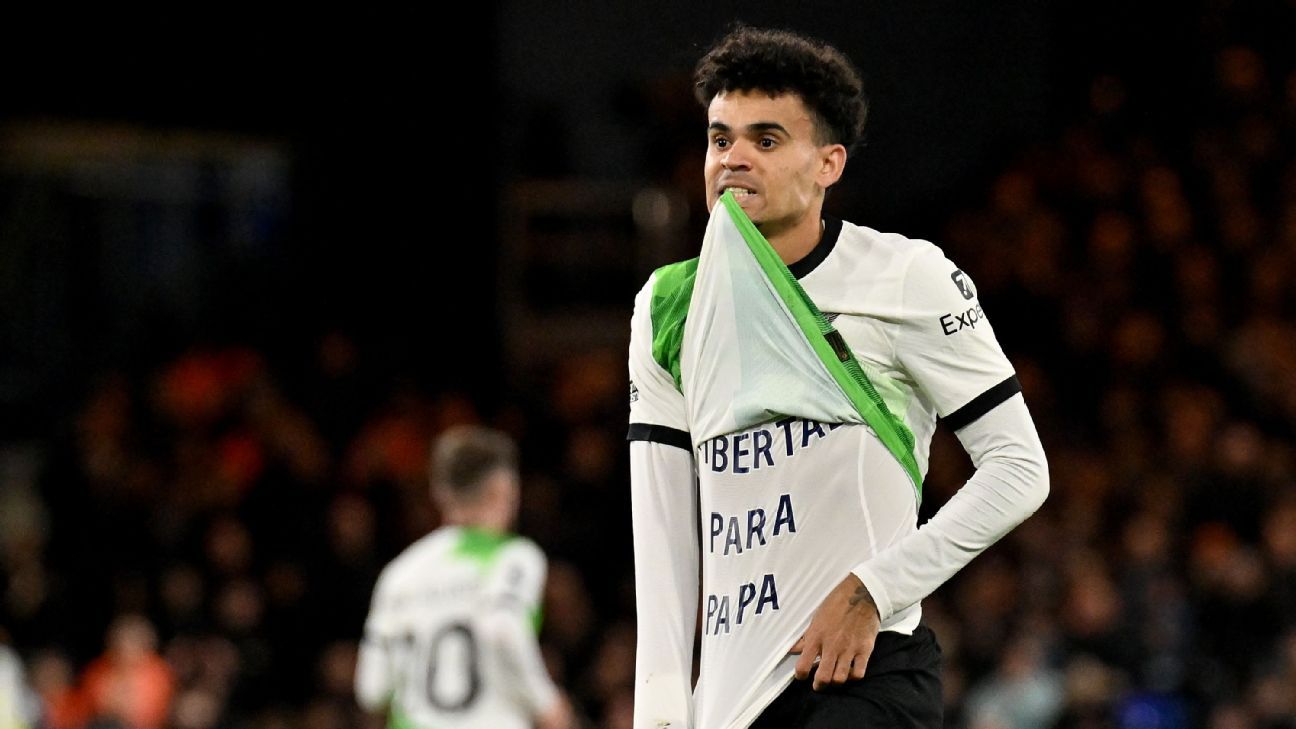
The father of Liverpool forward Luis Díaz, who was kidnapped nearly two weeks ago in Colombia, has been released. Luis Manuel Díaz was returned via helicopter to Valledupar, while his mother was rescued shortly after the abduction. The search operation involved hundreds of military and police personnel, with no ransom demands made. The Colombian government has attributed the kidnapping to the guerrilla group ELN, violating a recent cease-fire agreement. Colombia has seen a rise in kidnappings in recent years, with armed groups using them to fund their operations. Luis Díaz made a public plea for his father's release and returned to play for Liverpool, scoring a goal and revealing a shirt with the words "Freedom for dad."
The father of Liverpool footballer Luis Diaz, who was kidnapped by the National Liberation Army (ELN) rebel group in Colombia, has been released. The Colombian government, which has been negotiating with the ELN for a peace deal, welcomed the release but criticized the kidnapping. Diaz's father was taken hostage at gunpoint last month, causing setbacks in the peace negotiations. The government called for the release of all remaining hostages held by the ELN. Diaz scored a goal in his first appearance for Liverpool since the kidnapping and pleaded for his father's release.
The father of Liverpool striker Luis Díaz, who was kidnapped by the guerrilla group ELN in Colombia, has been released after 12 days in captivity. The release was announced by the government's delegation currently in peace negotiations with the ELN. Díaz's kidnapping drew international attention, and his son appealed for his release after scoring a goal for Liverpool, wearing a T-shirt that said "Freedom for Papa." The ELN later acknowledged the kidnapping, calling it a mistake, and their top leadership ordered the release. Díaz's mother was rescued shortly after the abduction, and special forces were deployed to search for his father.
The father of Liverpool striker Luis Díaz has been released by the National Liberation Army (ELN) in Colombia after being held hostage for 12 days. The release was announced by the government's delegation currently in peace negotiations with the ELN. Díaz played in Liverpool's match against Toulouse shortly after his father's release and his coach, Jurgen Klopp, stated that the striker was "really happy" with the news. Díaz's mother was rescued shortly after the kidnapping, and the ELN later acknowledged the abduction, claiming it was a mistake.
A helicopter sent by humanitarian groups and the Catholic Church has taken off in Colombia to secure the release of Luis Diaz's father, who was abducted by the Colombian left-wing guerrilla group ELN. The UN and the Church have been working with the Colombian government to negotiate his freedom. The ELN announced their intention to free Diaz's father but demanded the withdrawal of military personnel from the area first. Diaz, a Liverpool star, made an emotional plea for his father's release during a match, and his mother has been rescued. The ELN has vowed to release Diaz's father once security guarantees are in place.
Luis Diaz's father, Luis Manuel Diaz, has been freed by his kidnappers after almost two weeks of captivity. He was taken into the hands of a 'Humanitarian Commission' made up of the Catholic Church and the UN. The kidnapping occurred on October 28 when armed men abducted Diaz's parents in Colombia. Diaz's mother was rescued the following day, but his father remained captive until now. The ELN, a left-wing guerrilla group, claimed responsibility for the kidnapping. Diaz, who plays for Liverpool, scored a goal in his first game since the incident and lifted his shirt to reveal a message calling for his father's freedom.
Luis Diaz's father, who was abducted by the Colombian left-wing guerrilla group ELN, may be released today after the group contacted humanitarian organizations to initiate the handover process. The UN and the Catholic Church, in collaboration with the Colombian government, have been negotiating Diaz's release. The ELN has demanded the withdrawal of military personnel from the area before releasing him. Diaz, a Liverpool forward, made an emotional plea for his father's release during a recent match. The ELN has described the kidnapping as a "mistake" and vowed to release Diaz's father once security guarantees are in place.
Colombia is preparing for a bilateral ceasefire with the National Liberation Army (ELN), the country's largest remaining rebel group. The ceasefire, set to last 180 days, will be monitored by a multilateral verification mechanism consisting of Colombian security forces, ELN members, religious group representatives, and officials from the United Nations and Colombia's government. While the ceasefire is seen as a victory for President Gustavo Petro's peace plans, there are doubts about the ELN's willingness to comply. The group has a history of violating agreements, and its structure and regional autonomy pose challenges to unified compliance. The ceasefire only covers fighting between the ELN and Colombian security forces, leaving confrontations with other armed groups unresolved. Community involvement and participation are seen as crucial in achieving lasting peace.
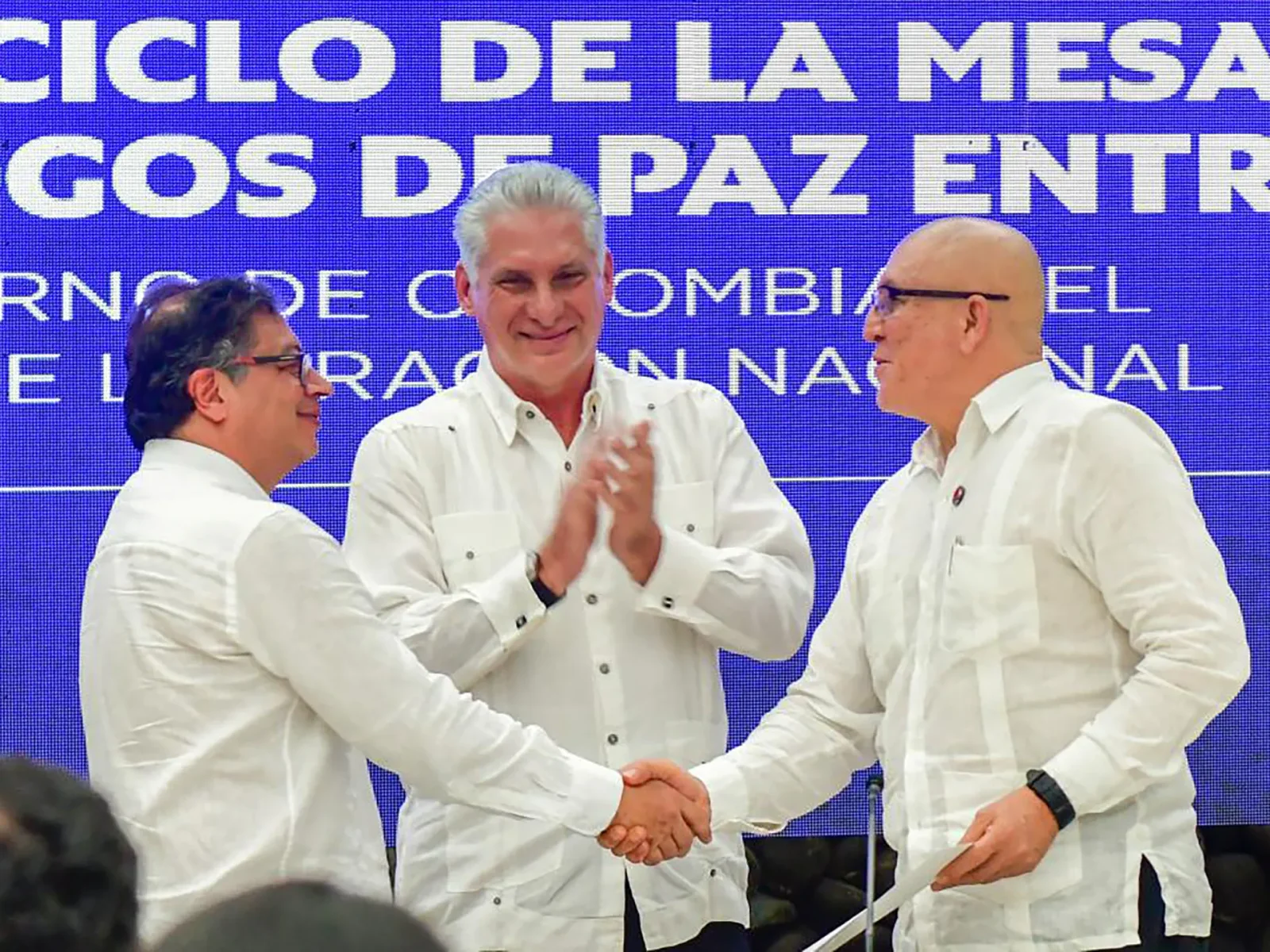
The Colombian government has signed a six-month ceasefire with the National Liberation Army (ELN), the country's largest guerrilla group, in a bid to bring an end to the country's internal armed conflict. The ceasefire will come into effect on August 3 and will be monitored by the United Nations and the Catholic Church. However, experts warn that the ceasefire may not be able to fully address the violence in Colombia, as the tensions between the ELN and the government are no longer a focal point of the conflict, and the violence is instead driven by warring armed groups.