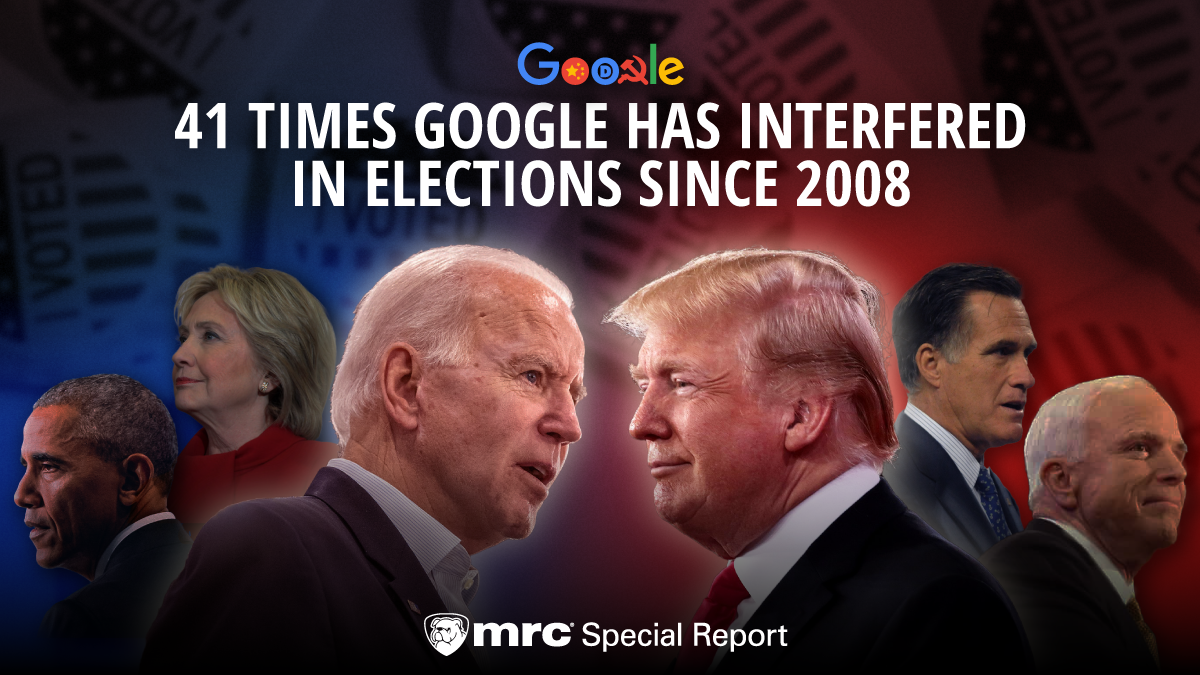
According to a study by the Media Research Center, Google has allegedly interfered in US elections 41 times over the past 16 years, favoring left-wing candidates and censoring their opponents. The study cites examples such as favoring Barack Obama over John McCain in 2008 and suppressing news critical of Biden. Google denies any wrongdoing, stating it has safeguards to ensure non-biased search results. The Media Research Center is calling for investigations into Google's alleged election interference and urges Americans to stop using Google products.
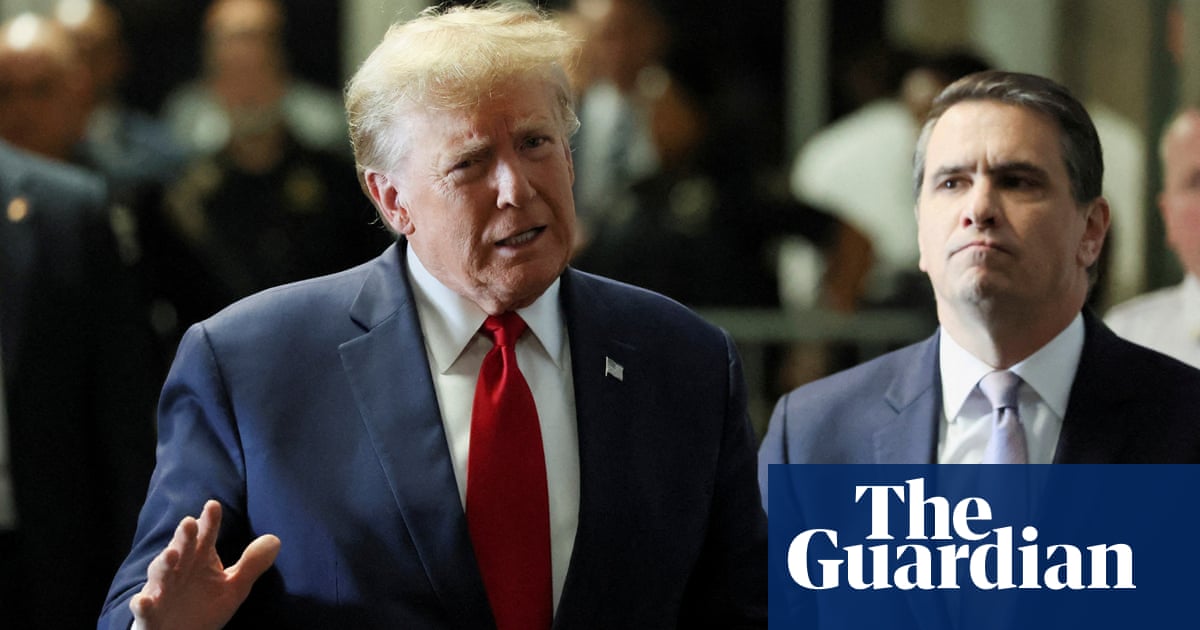
Donald Trump's legal calendar is becoming clearer as his first criminal trial, involving hush money payments, is set to proceed in Manhattan next month, while the federal case in Washington over election manipulation depends on the US Supreme Court's decision on Trump's immunity arguments. Trump's strategy appears to be seeking delay, potentially beyond the election, in the hopes of winning a second presidency to pardon himself or influence the legal proceedings.
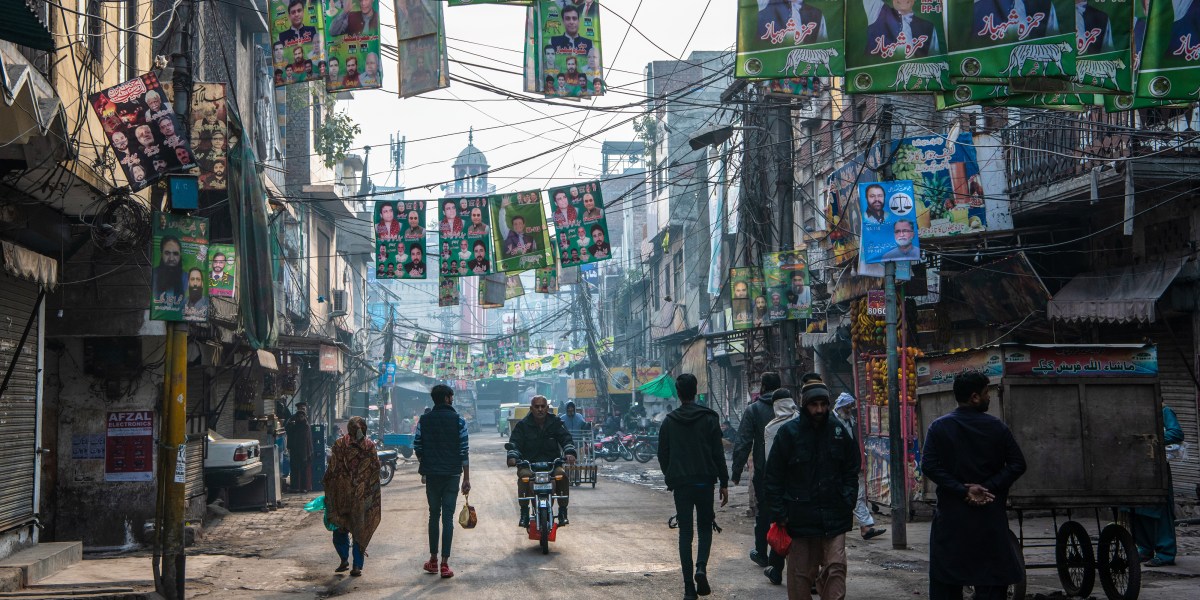
As Pakistan's general election approaches, concerns about electoral irregularities and political interference by the Pakistani military are intensifying. The U.S.-backed government's actions, including banning the leading party's symbol, shutting down the internet, jailing the leading candidate, hacking the election management system, terrorist violence, police raids, abducting candidates and their families, and voter suppression, have raised doubts about the fairness of the upcoming elections. Despite these challenges, the opposition party PTI remains determined to participate and win in a historic turnout, seen as a referendum against military interference in Pakistani democracy.
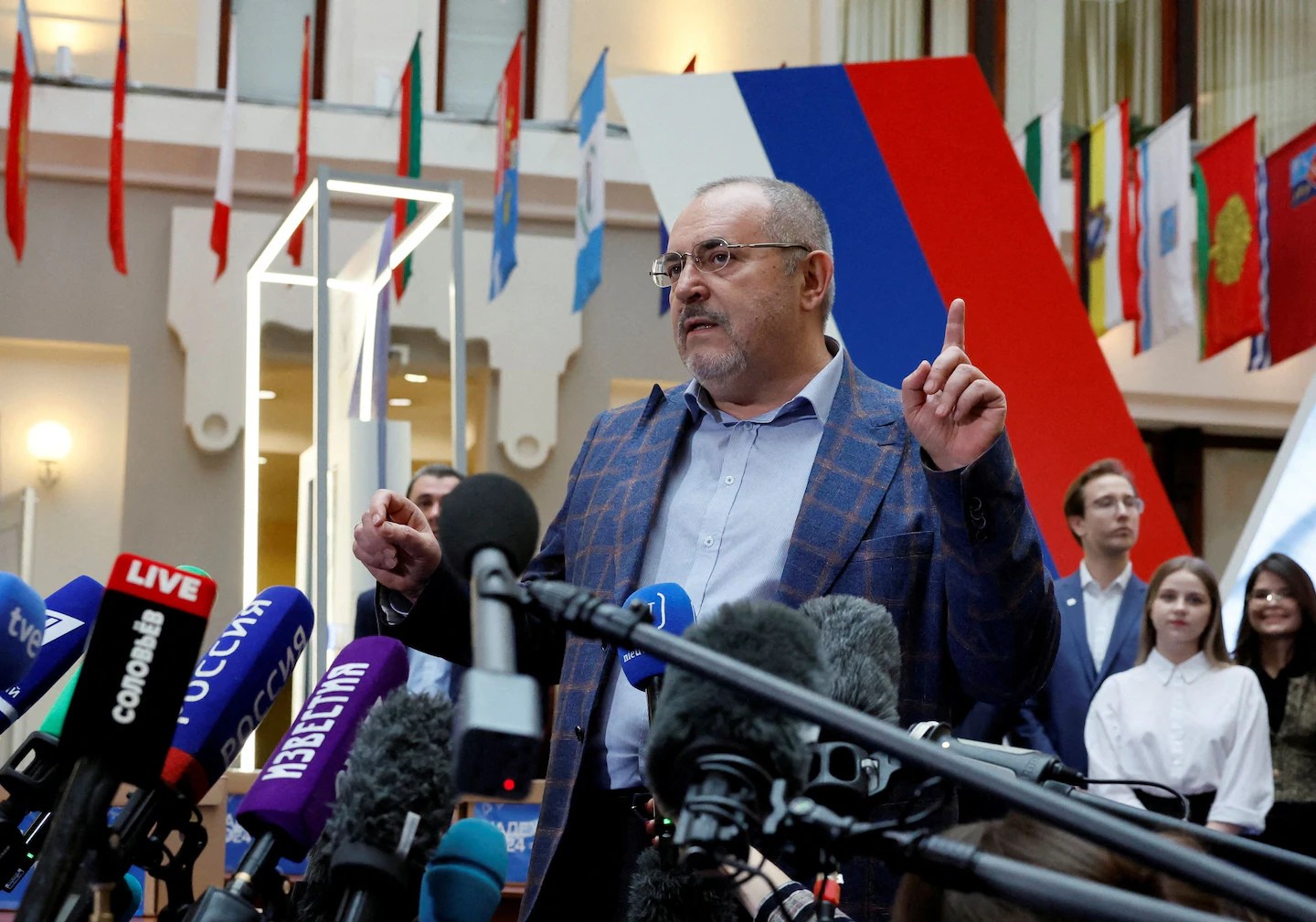
Russian electoral authorities are likely to bar the only remaining antiwar candidate, Boris Nadezhdin, from the presidential election, alleging irregularities in his attempt to register as a candidate. Nadezhdin, an antiwar physicist and politician, gathered 180,000 signatures but had over 15% rejected, exceeding the 5% limit for disqualification. This move signals the Kremlin's wariness of any avenue for Russians to express opposition to the increasingly unpopular war, further undermining the legitimacy of the election. Nadezhdin vows to fight back, but analysts and Kremlin critics believe his rejection is certain, reflecting Russia's shift to a repressive state where dissent is crushed and democratic standards are breached.
Former President Donald Trump is seeking to dismiss his 13-count indictment in Georgia, claiming presidential immunity for his actions concerning the 2020 election. His legal team argues that his communications with state officials and urging them to exercise their official responsibilities are part of his presidential duties. Prosecutors allege that Trump was attempting to reverse his loss to Joe Biden, and his team also contends that prosecuting him over the election amounts to double jeopardy. The case is expected to be appealed to the Supreme Court after the DC Circuit Court of Appeals adjudicates the matter.