German artist Henrike Naumann, who was slated to represent Germany at the Venice Biennale, died in Berlin at 41 after a cancer diagnosis; her German pavilion project with Sung Tieu will still go ahead in May as the Biennale runs May 9–Nov 22.
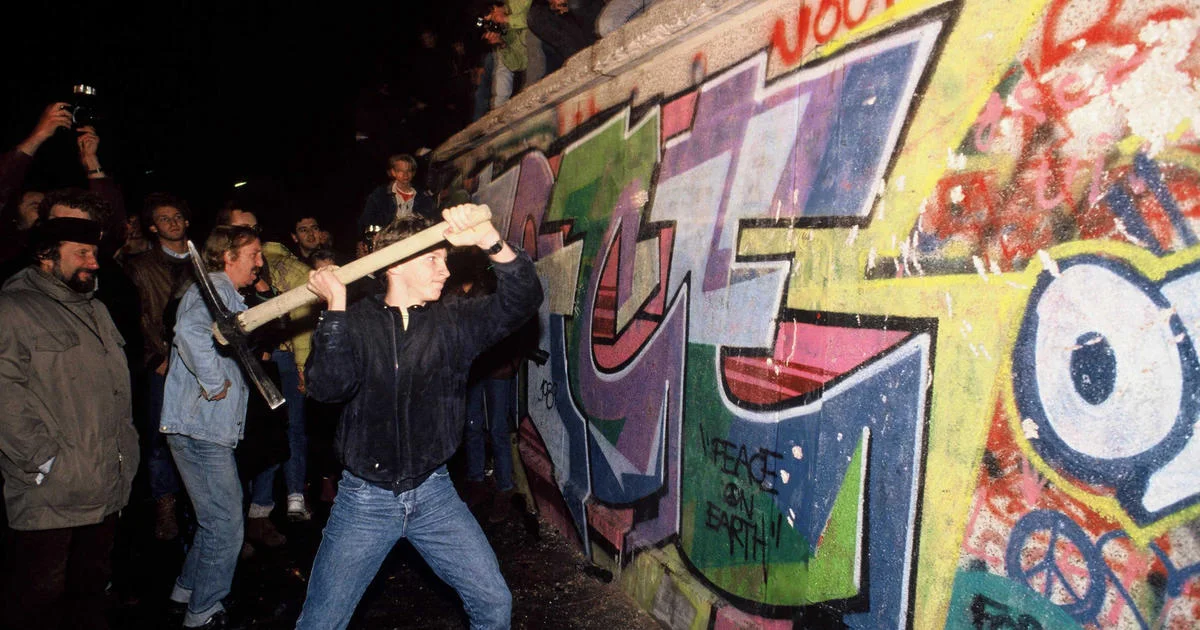
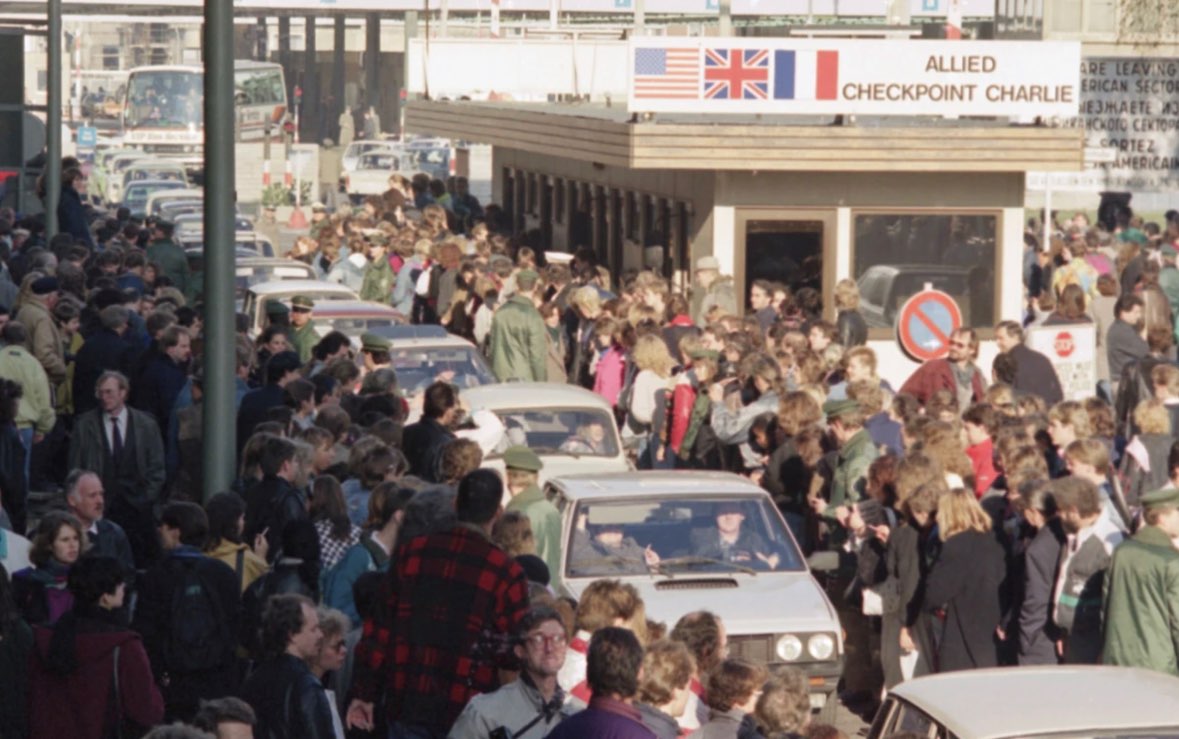
The Berlin Wall, erected by Communist East Germany in 1961 to separate East and West Berlin, fell on November 9, 1989, marking a pivotal moment in the end of the Cold War and leading to German reunification in 1990. While most of the wall was dismantled, remnants remain as historical monuments, such as the East Side Gallery and Checkpoint Charlie. The fall of the wall symbolized the collapse of the Soviet Union and the end of Communist rule in Eastern Europe.
On November 9, 1989, East Germany opened its borders, allowing citizens to freely travel to the West for the first time in decades. Other notable events on this date include the sighting of Cape Cod by the Mayflower in 1620, the destruction of nearly 800 buildings in Boston by fire in 1872, and the start of the great Northeast blackout in 1965. Additionally, November 9 marks the anniversary of Kristallnacht, a pogrom against Jews in Germany and Austria in 1938, the death of former French President Charles de Gaulle in 1970, and the firing of Joe Paterno as Penn State's head football coach in 2011. In 2020, President Donald Trump fired Defense Secretary Mark Esper, adding to the uncertainty of the transition period as Joe Biden prepared to assume the presidency.
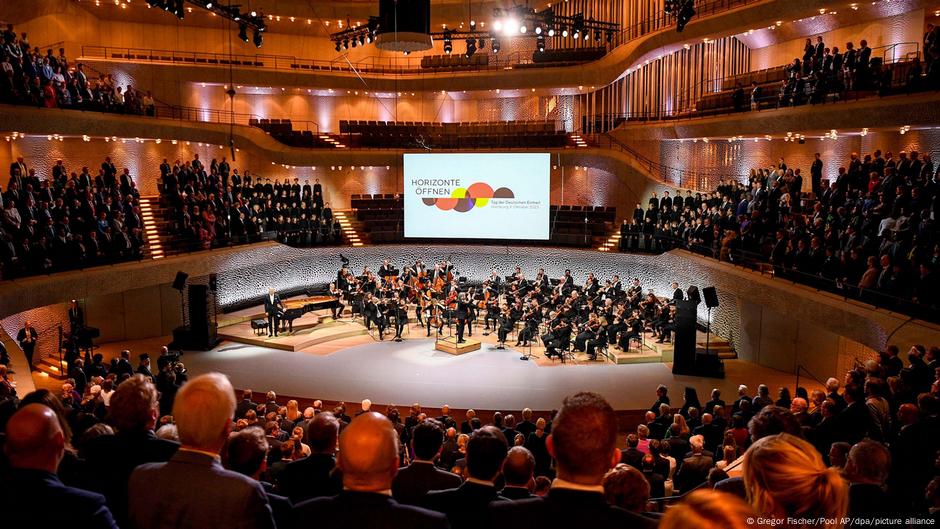
German leaders gathered in Hamburg to celebrate the 33rd anniversary of reunification between East and West Germany. They discussed Germany's position in a changing Europe and the challenges still faced, particularly in the eastern states. Topics included asylum seekers, investment in the East, and pension inequalities. The leaders emphasized the importance of unity, cooperation, and solidarity in addressing these issues.
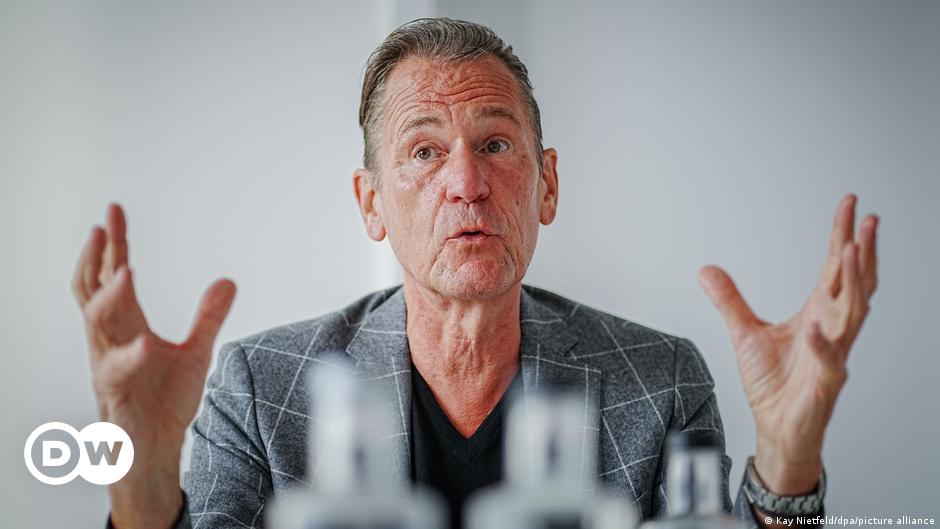
Mathias Döpfner, the CEO and co-owner of Axel Springer, has apologized for derogatory remarks he made about residents of eastern Germany in private messages. Döpfner used the term "Ossis" and labeled them as either communists or fascists. He also criticized former Chancellor Angela Merkel and suggested that Germany's largest circulation newspaper, Bild, should help boost the poll ratings of the business-focused Free Democratic Party. Döpfner's comments have prompted calls for his resignation and criticism from within the media group.