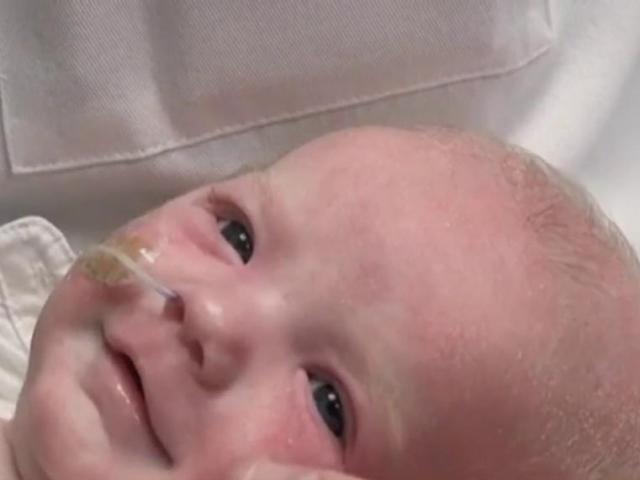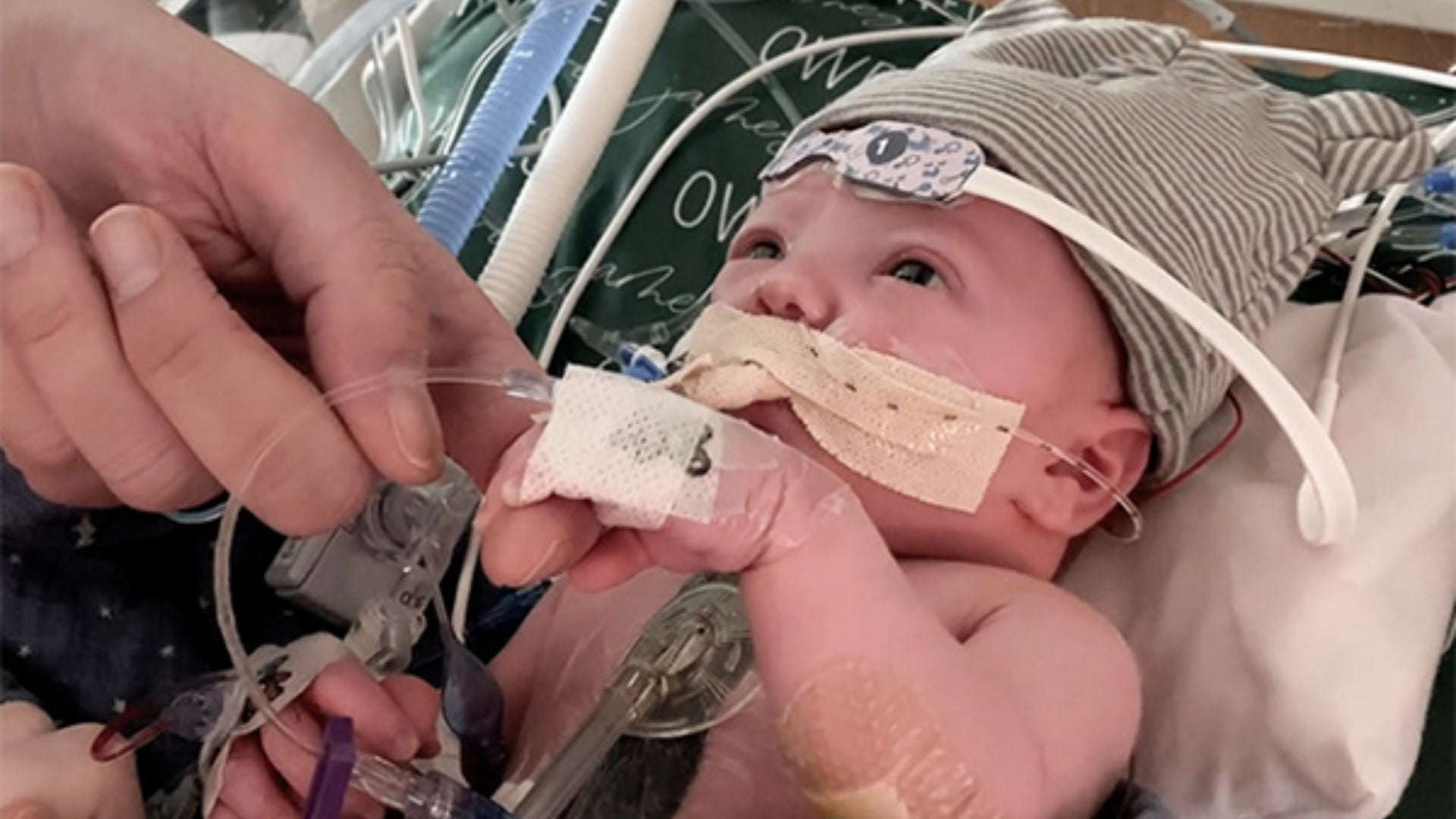
Duke Health has successfully performed the world's first partial heart transplant on a baby, a groundbreaking procedure that allows the transplanted heart valves and arteries to grow with the child. This innovative approach could significantly reduce the need for multiple, risky heart surgeries in children with heart valve defects, offering hope for improved long-term outcomes in pediatric heart care.
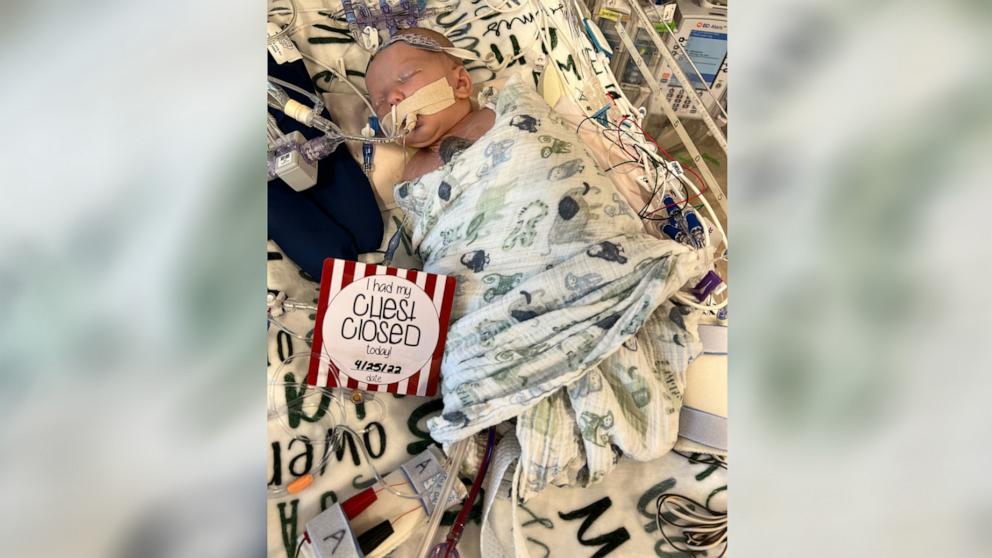
The world's first partial heart transplant, performed on infant Owen Monroe at Duke Health in 2022, has been declared a success as the transplanted valves and arteries are growing with the child, potentially eliminating the need for repeated surgeries. This innovative procedure also requires less immunosuppression medication and opens the possibility for domino heart transplants, where one donor heart can save two lives. Following 13 successful partial transplants worldwide, researchers are planning a clinical trial to further assess the procedure's efficacy and potentially increase the availability of donor hearts for children with heart disease.
Owen Monroe, an infant with a heart defect, has thrived a year after undergoing the world's first partial heart transplant at Duke Health. The innovative procedure involved transplanting heart valves and arteries from a donated heart, which has allowed Owen to grow normally without the need for multiple surgeries or high doses of immunosuppressants. This success has led to 12 other children receiving similar life-saving treatments and plans for a full clinical trial to potentially increase heart availability for transplants.
Doctors at Duke Health have successfully performed a partial heart transplant on a baby with a congenital heart defect, using living valves and arteries from a donor heart. The procedure, reported in the Journal of the American Medical Association, shows that the transplanted parts can grow with the child, potentially reducing the need for future surgeries. This innovative approach also introduces the concept of a domino heart transplant, where one donor heart can save multiple lives by providing healthy valves to other patients. The success of this procedure, which has been performed 13 times worldwide, could significantly impact pediatric heart disease treatment and organ donation efficiency.