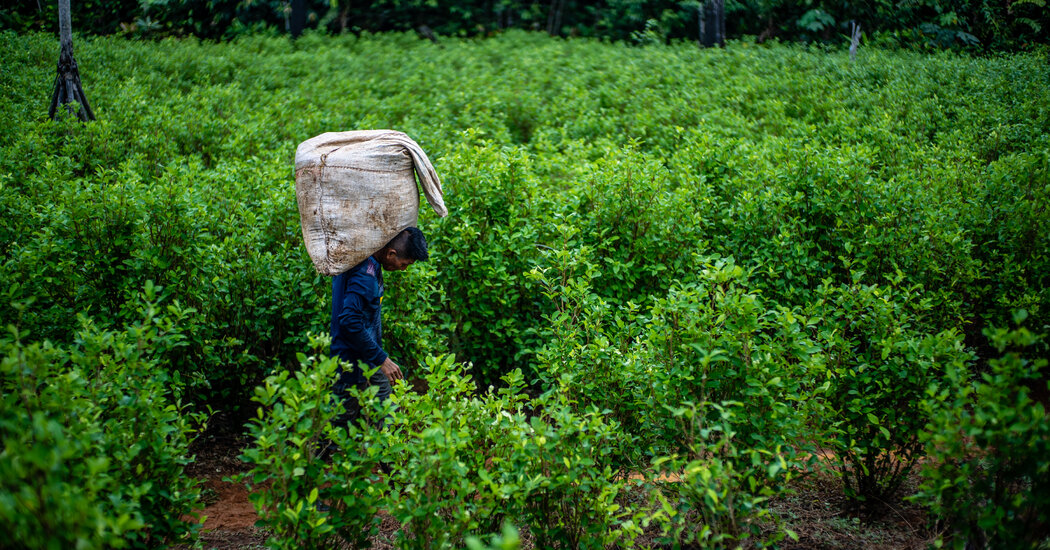
Colombia's interior minister condemned US President Trump's threat of a potential invasion to stop cocaine production, calling it a hostile and unacceptable threat to Colombia's sovereignty.
President Donald Trump announced the US will cut aid to Colombia due to its failure to curb drug production, amid escalating tensions including US military strikes on drug trafficking vessels and accusations of sovereignty violations by Colombia, which responded by condemning US actions and seeking explanations.
A UN report highlights that global cocaine use and production reached record highs in 2023, with increased trafficking into Africa and Asia, and expanding violence, especially in Europe. The report emphasizes the complex challenges in combating the drug trade, including the limitations of law enforcement efforts and the debate over legalization as a potential solution.
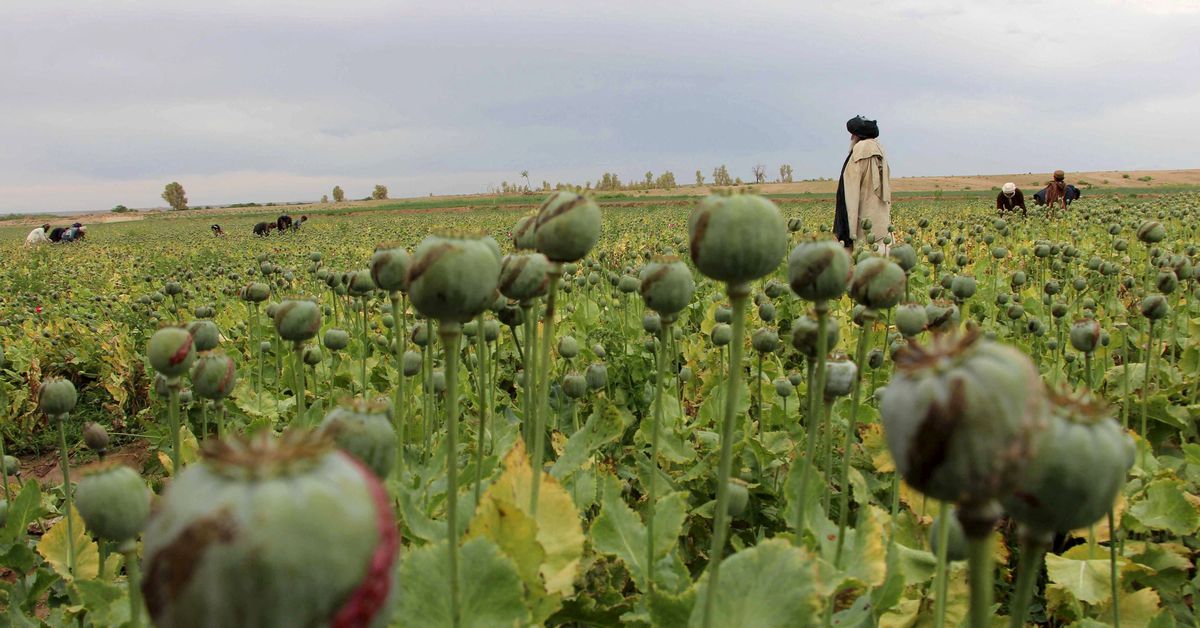
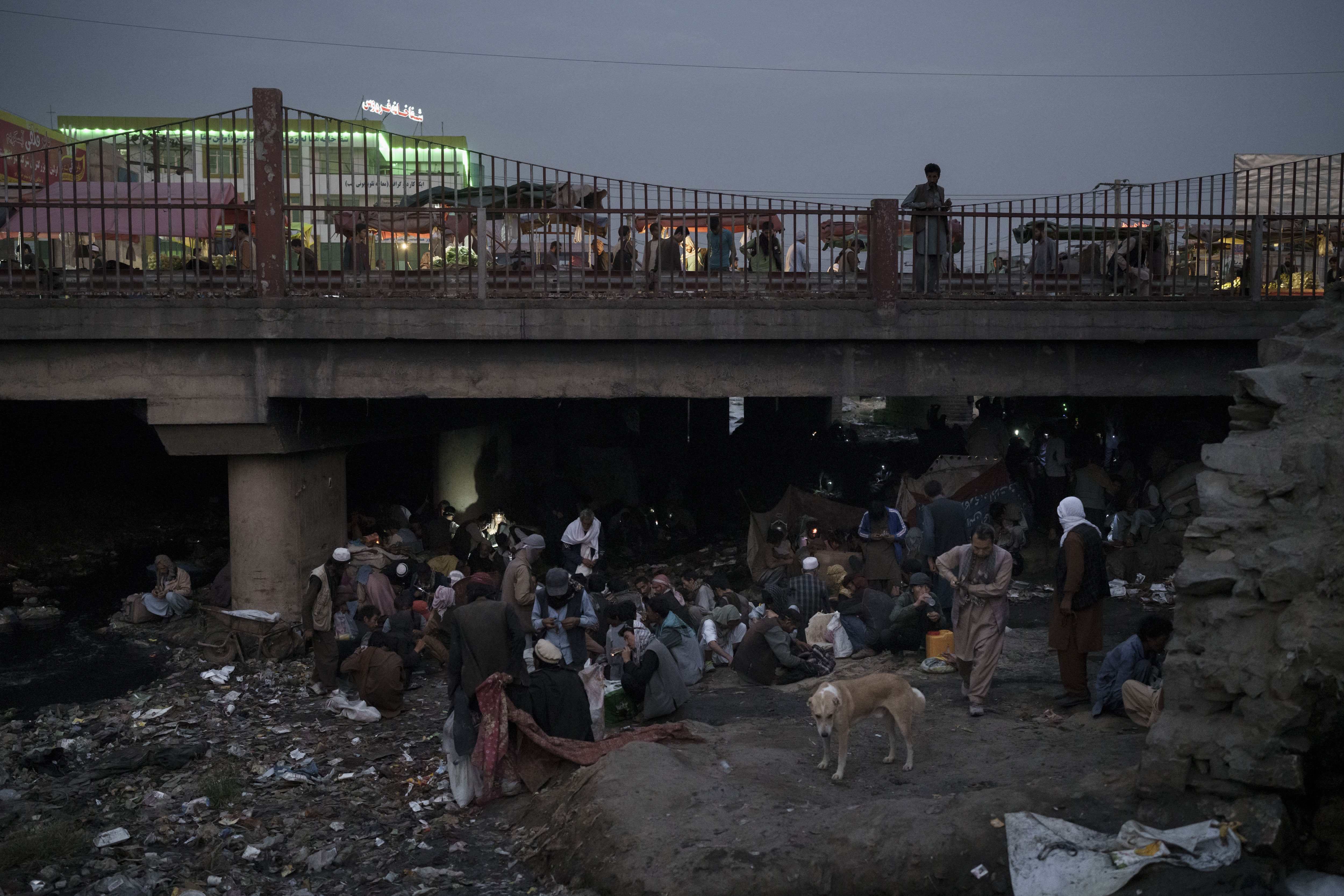
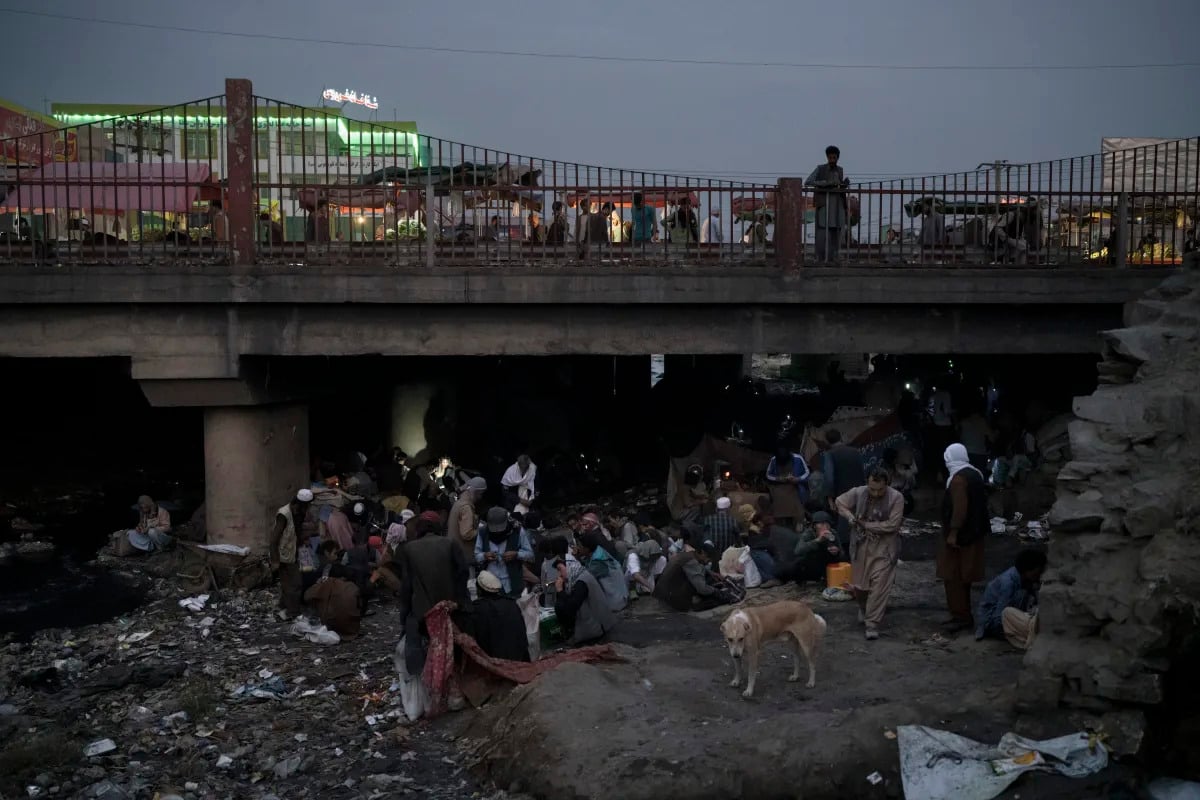
Opium poppy production in Afghanistan has plummeted by 95% since the Taliban banned its cultivation last year, according to a United Nations report. Opium cultivation fell to just 10,800 hectares in 2023 from 233,000 hectares the previous year, significantly reducing the global supply. This decline could have major consequences for the Afghan economy, as the value of poppy exports had at times exceeded that of all formal exported goods. While the decrease in opium supply may lead to a drop in international opium use, it also risks increasing the use of alternatives such as fentanyl or synthetic opioids. The UNODC called for investment in sustainable livelihoods to provide Afghan farmers with alternative opportunities.
Afghanistan has become the world's fastest-growing producer of methamphetamine, according to a report by the United Nations Office on Drugs and Crimes. The country, known for its opium production, is now a major source of meth as well. Meth in Afghanistan is primarily made from legally available substances or extracted from the ephedra plant, which grows in the wild. The report warns that the increasing production of meth poses a threat to national and regional health and security, as it could disrupt the synthetic drug market and fuel addiction. Seizures of meth suspected to have come from Afghanistan have been reported in the European Union and East Africa. The Taliban, who declared a war on narcotics after returning to power, have prohibited the cultivation, production, sale, and use of all intoxicants and narcotics in Afghanistan, but the impact of their drug crackdown on meth supplies is yet to be assessed.
Afghanistan has become the fastest-growing producer of methamphetamine, according to a report by the United Nations drug agency. The country, already a major opium and heroin source, is now a growing threat to health and security due to its increasing meth manufacturing. Meth in Afghanistan is primarily made from legally available substances or extracted from the ephedra plant, which grows in the wild. Seizures of meth suspected to have come from Afghanistan have been reported in the European Union and east Africa. The Taliban's crackdown on drugs since returning to power in August 2021 has yet to be assessed for its impact on meth supplies.
Afghanistan has become the world's fastest-growing producer of methamphetamine, according to a report by the United Nations drug agency. Despite the Taliban's declaration of a war on narcotics, the country remains a major opium producer and heroin source. Meth production in Afghanistan poses a growing threat to national and regional health and security, as it could disrupt the synthetic drug market and fuel addiction. Seizures of meth suspected to have originated from Afghanistan have been reported in the European Union and east Africa. The country's annual meth seizure totals have significantly increased, indicating a rise in production. The Taliban-run government claims to have taken measures to combat drug production, but the impact on meth supplies remains uncertain.
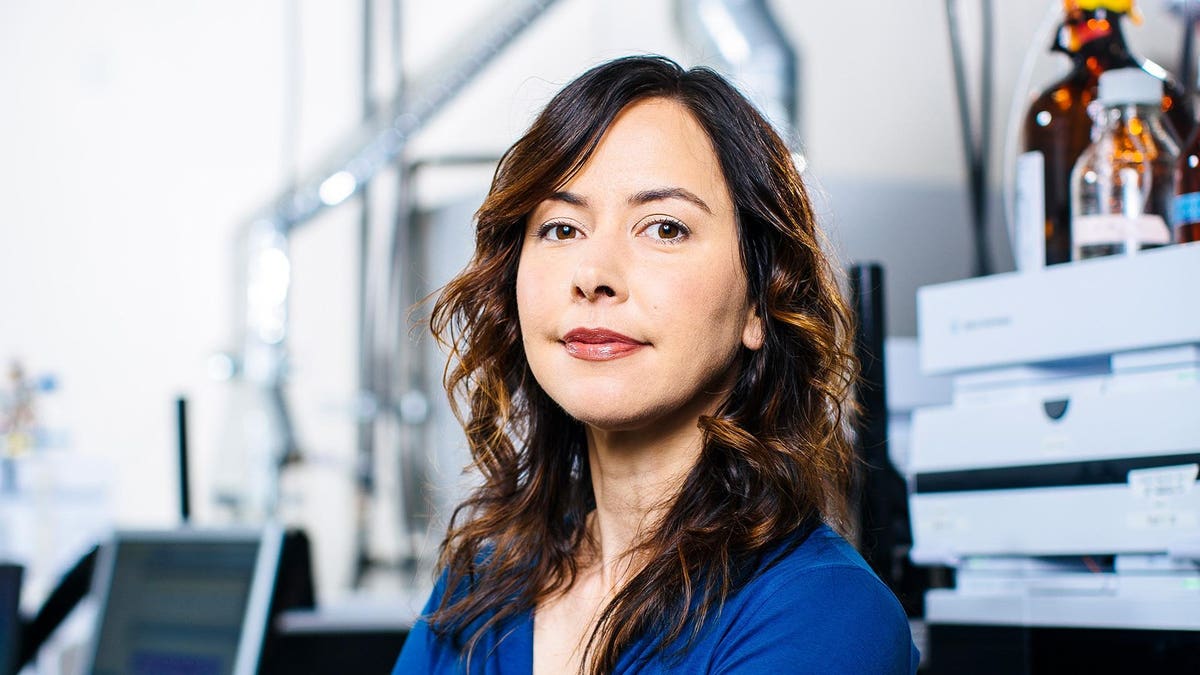
Antheia, a company founded by Stanford professor Christina Smolke, has successfully completed its first commercial-scale fermentation run, producing 116,000 liters of thebaine, a key ingredient for several essential drugs, in just five days. Antheia uses a bioengineering process similar to brewing beer, but instead of yeast, they use genetically engineered microorganisms to grow key ingredients for prescription drugs. The company aims to address drug shortages by providing a more efficient and scalable method of production. Antheia plans to go to market next year with its first products, focusing on key ingredients for drugs that currently face significant shortages.
Myanmar destroyed over $446 million worth of illegal drugs to mark an annual international anti-drug trafficking day, as UN experts warn of increases in opium, heroin, and methamphetamine production in the country. Myanmar is a major producer and exporter of methamphetamine and the world’s second-largest opium and heroin producer after Afghanistan. The military takeover two years ago has caused an increase in drug production, with the cultivation of poppies up by a third in the past year. Most of the opium and heroin exported by Myanmar, along with methamphetamine, goes to other countries in Southeast Asia and China.
Myanmar destroyed over $446 million worth of illegal drugs to mark an annual international anti-drug trafficking day, as UN experts warn of increases in opium, heroin, and methamphetamine production in the country. Myanmar is a major producer and exporter of methamphetamine and the world’s second-largest opium and heroin producer after Afghanistan. The military takeover two years ago has caused an increase in drug production, with the cultivation of poppies up by a third in the past year. Most of the opium and heroin exported by Myanmar, along with methamphetamine, goes to other countries in Southeast Asia and China.
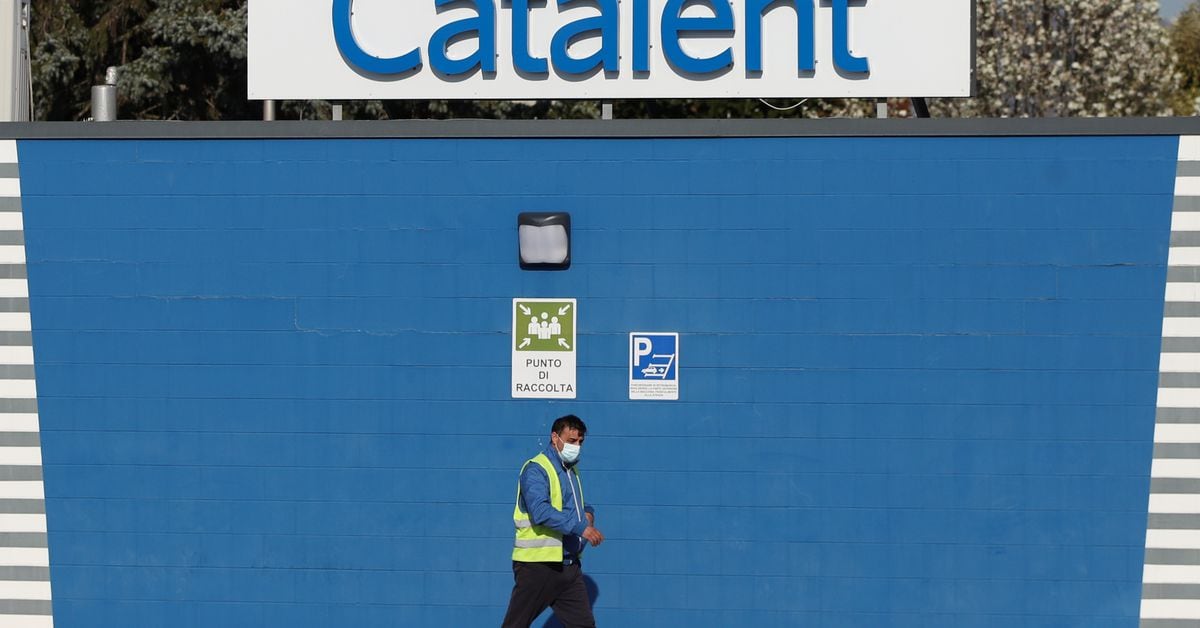
Contract drug manufacturer Catalent Inc warned that slow production at three of its facilities will impact its fiscal 2023 results and said CFO Thomas Castellano has stepped down, sending its shares down more than 20%. The company makes drug substances as well and finished drug products for manufacturers. Its larger clients have included companies such as Moderna Inc and Johnson & Johnson. Catalent is currently the sole contract manufacturer for Novo Nordisk's highly popular weight loss drug Wegovy, which uses the same ingredient as its diabetes drug Ozempic.