JD Vance endorsed a mass doxing campaign to identify and harass critics of Charlie Kirk, amid a broader political climate of violence and intimidation, with calls from Trump allies to dismantle perceived domestic terrorist networks, raising concerns about free speech and historical parallels to McCarthyism.
The leak of a private WhatsApp group for Jewish creatives has sparked a debate on doxing, free speech, and "cancelling". The leak included personal information and led to threats of violence, raising concerns about privacy and public interest. The group's activities involved letter-writing campaigns targeting pro-Palestinian figures, prompting ethical worries about tolerance and harm prevention. The incident highlights the complex ethical issues surrounding privacy, doxing, free speech, and "cancelling" in the context of differing political and moral worldviews.
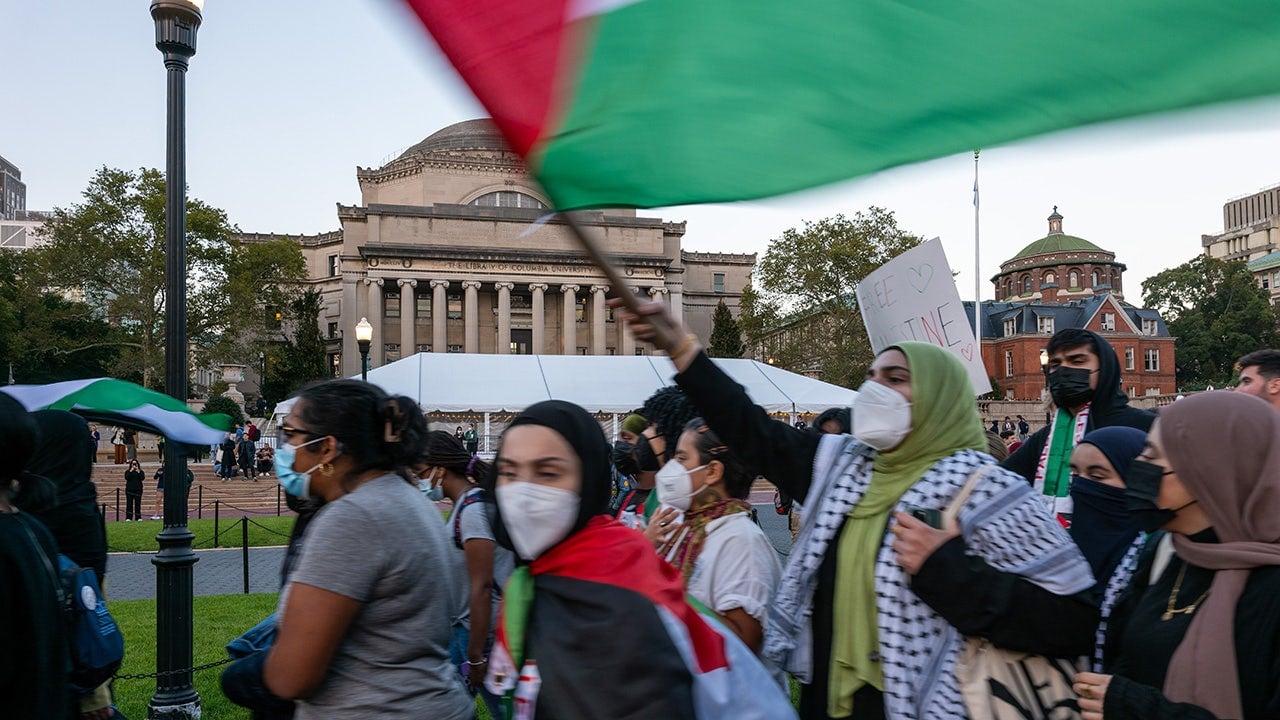
Columbia University's president, Minouche Shafik, and Barnard College's president, Laura Rosenbury, have praised the "persistence" of students accused of antisemitism amid the Israel-Hamas conflict. In response to doxing incidents and harassment targeting members of the community, the university is establishing a Doxing Resource Group to provide support and coordinate with other task forces on doxing and student safety. The announcement comes after trucks displaying the names and photos of Arab, Muslim, and Palestinian students were sent to Columbia's campuses by the nonprofit Accuracy in Media. The university has also retained experts in digital threat investigation and privacy scrubbing to assist affected community members.
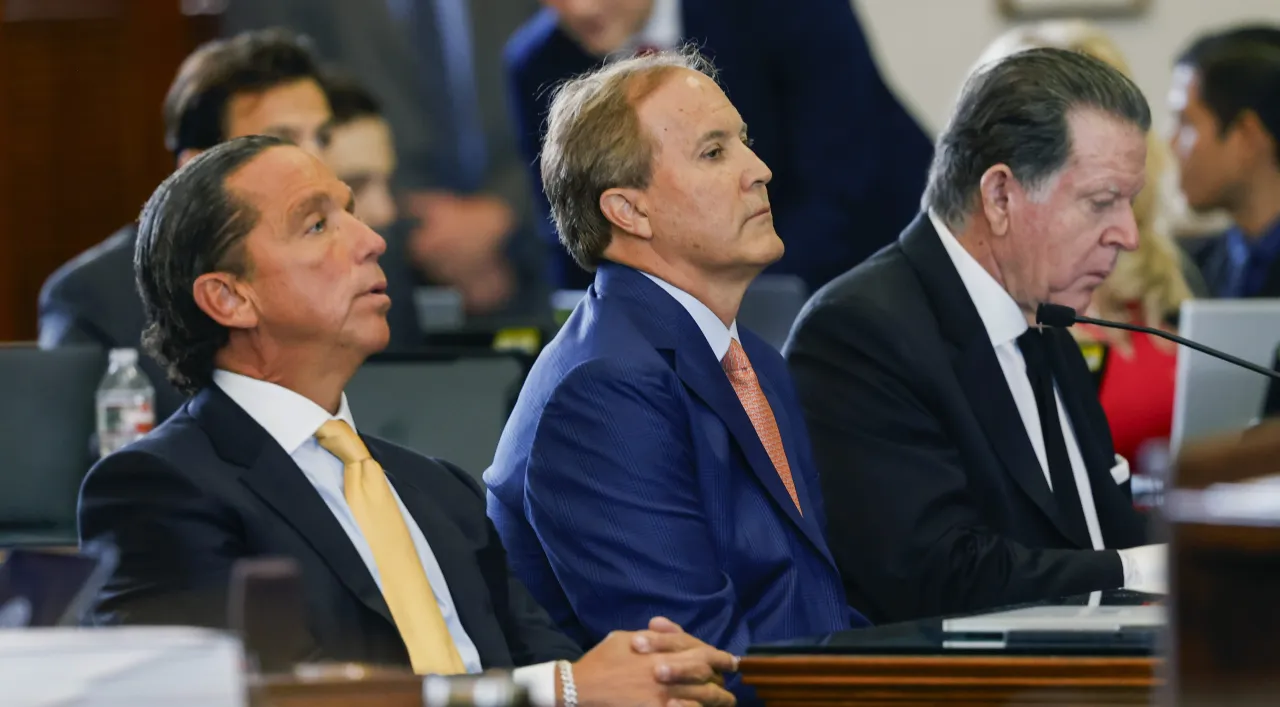
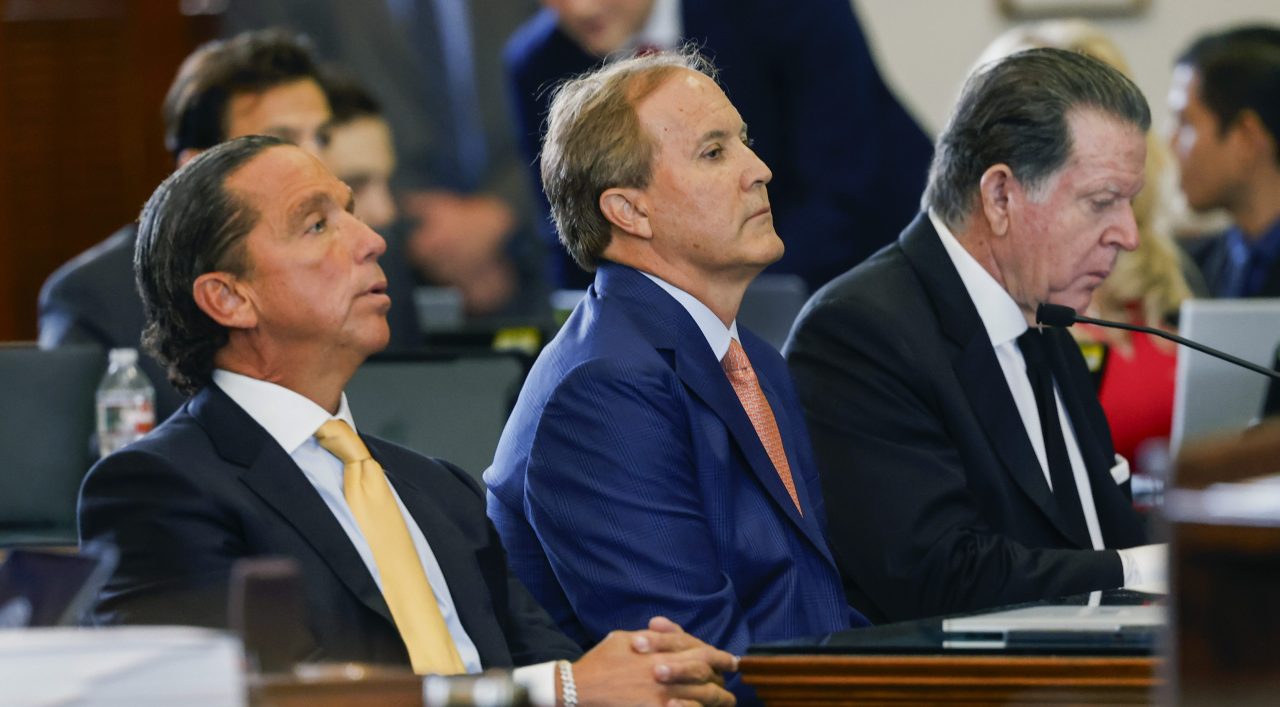
Texas Attorney General Ken Paxton plans to file criminal complaints against the 12 state representatives who led his impeachment trial, accusing them of doxing him by publishing his personal information, including his home address. Paxton claims that the release of this information was intended to threaten him and violated a new state law. He will file the complaints in each representative's home county, citing House Bill 611, which criminalizes doxing. The Texas Senate acquitted Paxton on all impeachment articles last month.
Texas Attorney General Ken Paxton plans to file criminal complaints against the 12 state representatives who led his impeachment trial, accusing them of threatening him by publishing his personal information, including his home address. Paxton claims the lawmakers violated a new state law against doxing, which could result in a Class B misdemeanor charge. The House impeachment managers released additional evidence last week, including information about Paxton's home renovations and a transcript regarding an alleged extramarital affair.
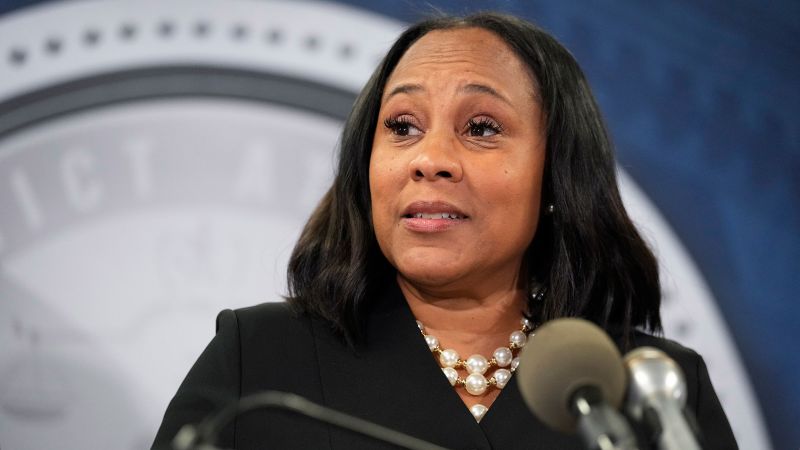
Fulton County District Attorney Fani Willis is seeking to keep the identities of potential jurors in the Georgia 2020 election interference case secret, following the doxing of grand jurors who indicted Donald Trump and his allies. Willis argues that making juror names public could jeopardize their ability to decide the case impartially and put them in physical danger. The doxing incident resulted in law enforcement implementing measures to protect the grand jurors and prevent harassment and violence. Personal information of Willis and her family members was also shared online, with the website hosting the information traced back to Russia.