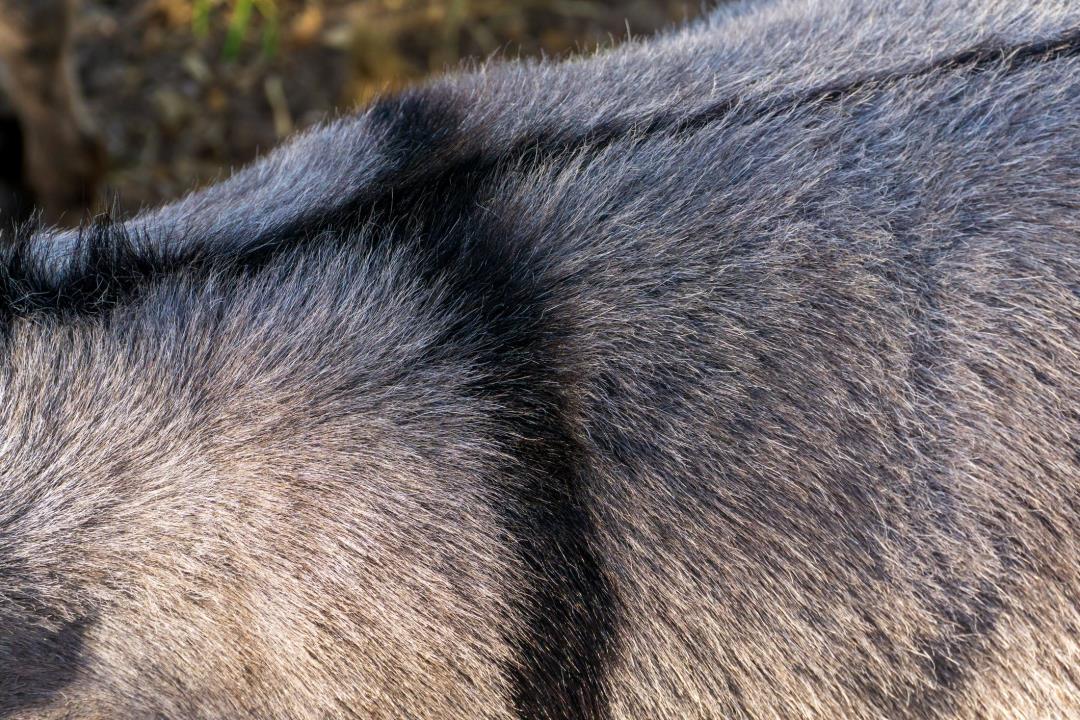
Research from UMass Amherst found that a compound called (E)-2-octenal, secreted by donkey skin, effectively repels ticks and could serve as a natural alternative to chemical repellents like DEET, potentially offering safer protection for humans and pets against tick-borne diseases.
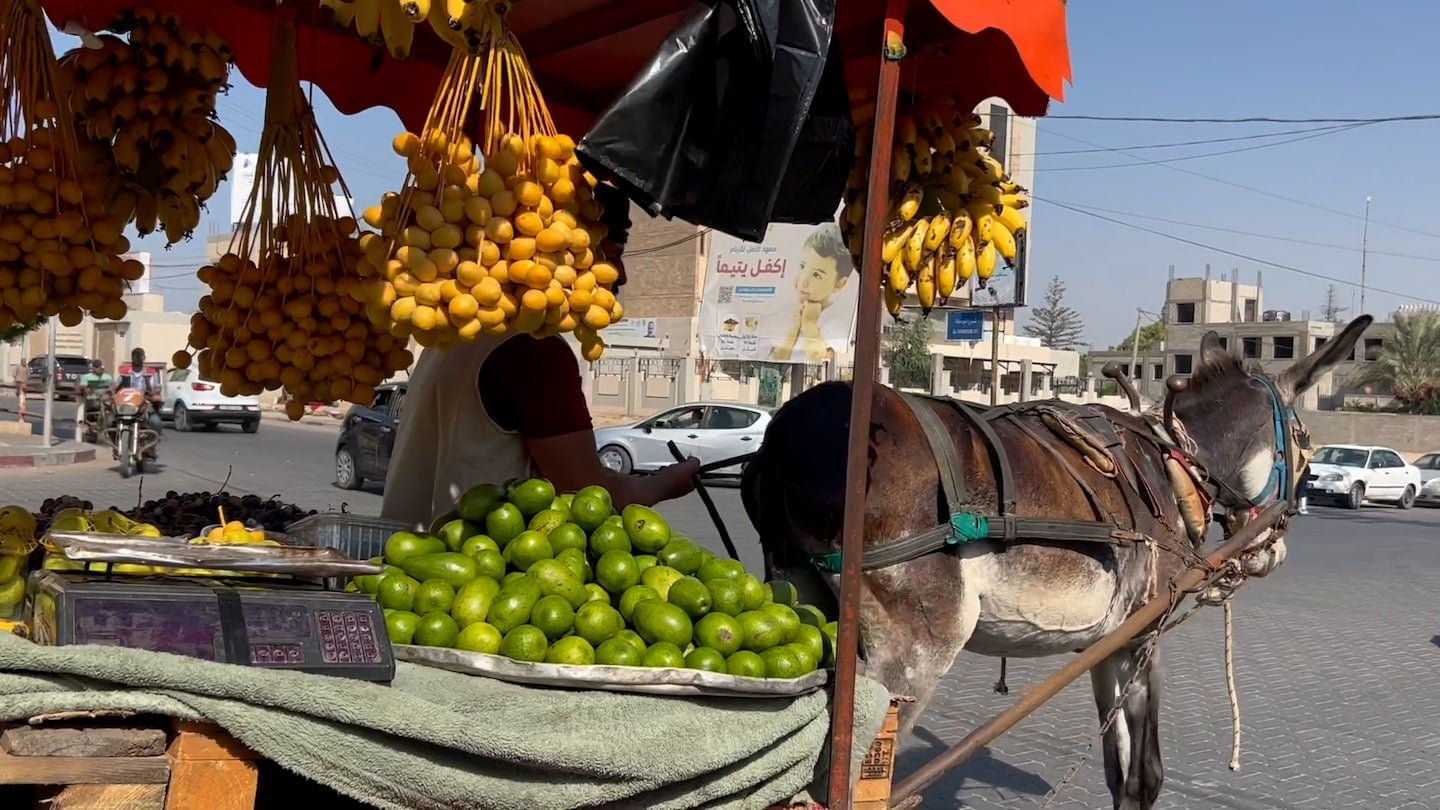
Israel's economic embargo on Gaza, which has limited the supply of trucks and fuel, has led to a reliance on donkey carts for transportation. However, donkeys are now becoming scarce due to Israeli restrictions on their importation, following complaints from animal welfare groups about mistreatment of donkeys in Gaza. The price of donkeys has skyrocketed, making them unaffordable for many vendors and haulers. Donkeys play a crucial role in hauling produce, building materials, debris, and garbage in Gaza, and their scarcity is causing significant disruptions. The donkey market in Gaza is in turmoil, and there are concerns that one day there may be no donkeys left in the region.
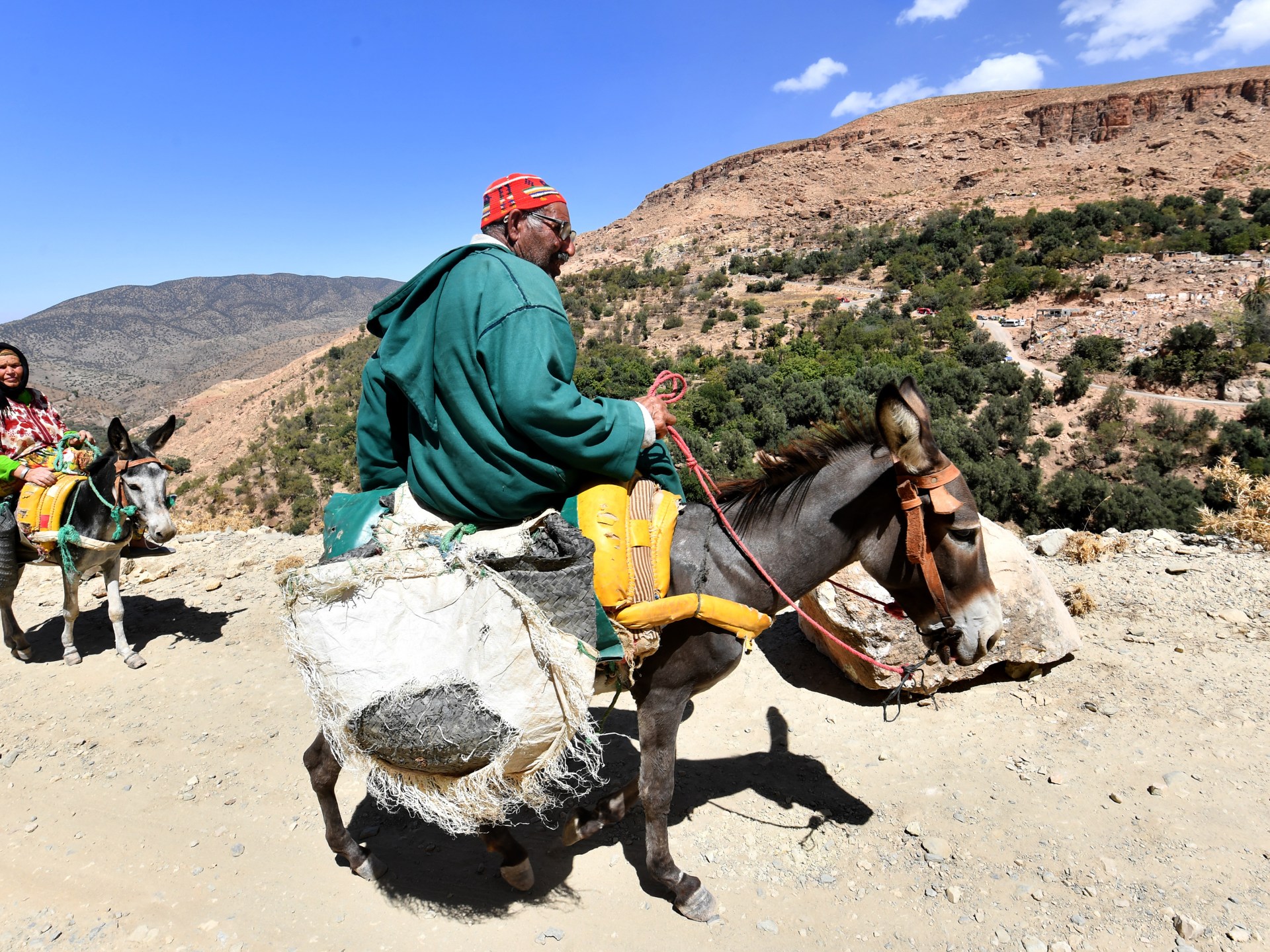
In the aftermath of a devastating earthquake in Morocco's High Atlas Mountains, villagers turned to their donkeys for help. With rescue crews delayed by blocked roads, the nimble-footed creatures were able to navigate the treacherous terrain, carrying relief supplies, moving rubble, and even transporting people. The donkeys became invaluable in reaching difficult-to-access areas and assisting in the rescue and recovery efforts. Villagers made sure to care for and feed their donkeys, recognizing their crucial role in the midst of the chaos.