The U.S. Department of Justice has sued Boston, accusing the city of violating federal law by not fully cooperating with immigration enforcement under its Trust Act, leading to political clashes and legal battles over sanctuary policies.
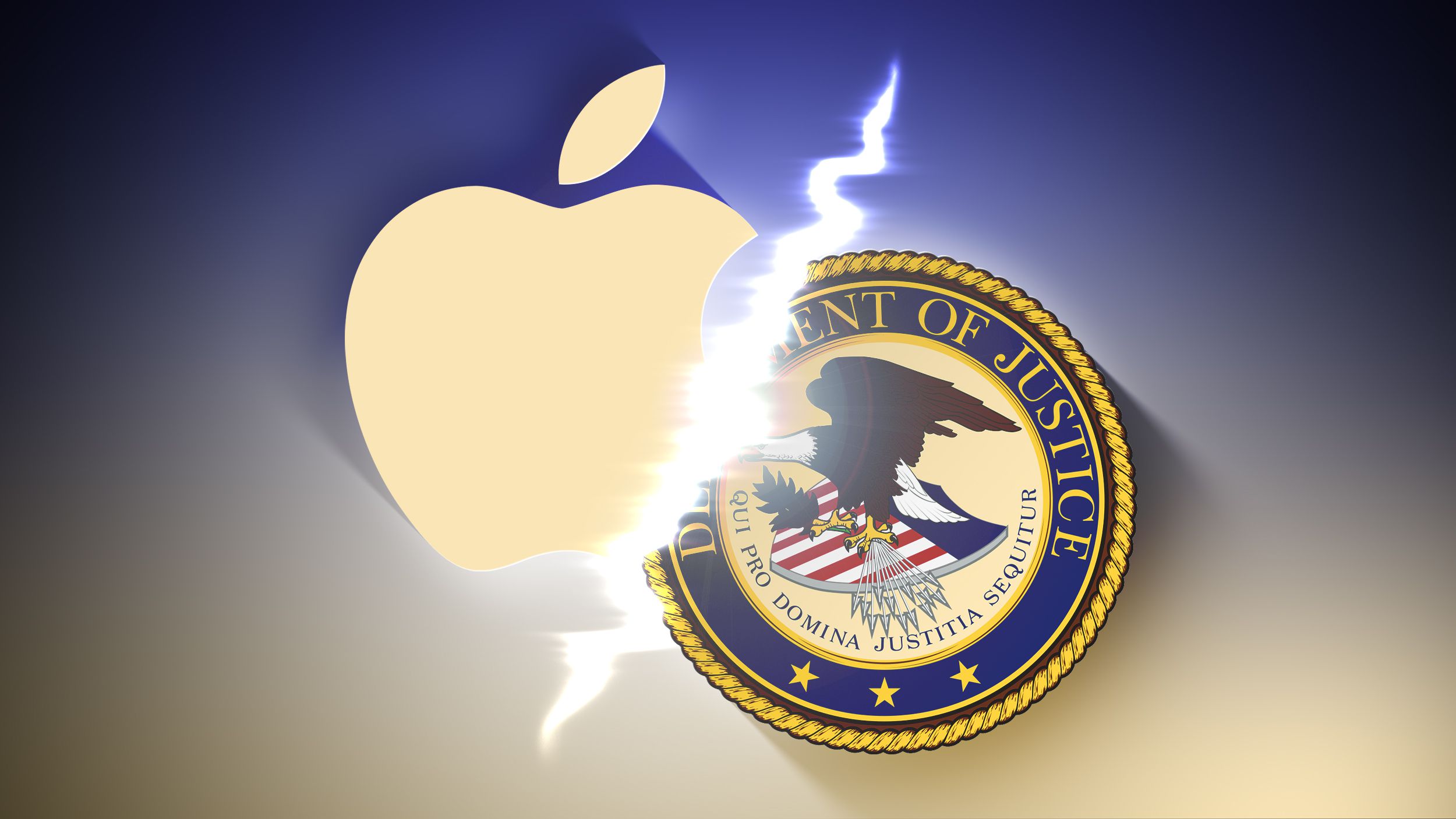
Apple has responded to the US Department of Justice's antitrust lawsuit, arguing it could set a dangerous precedent by allowing government interference in tech design, and refuting many of the claims, emphasizing ongoing improvements and the importance of innovation. The legal dispute is expected to take years to resolve, with potential future changes to the App Store ecosystem possibly nullifying some allegations.
A federal judge dismissed the Trump administration's lawsuit against Illinois, Cook County, and Chicago over sanctuary city policies, ruling that the administration lacks standing to challenge these local laws that limit cooperation with federal immigration enforcement.
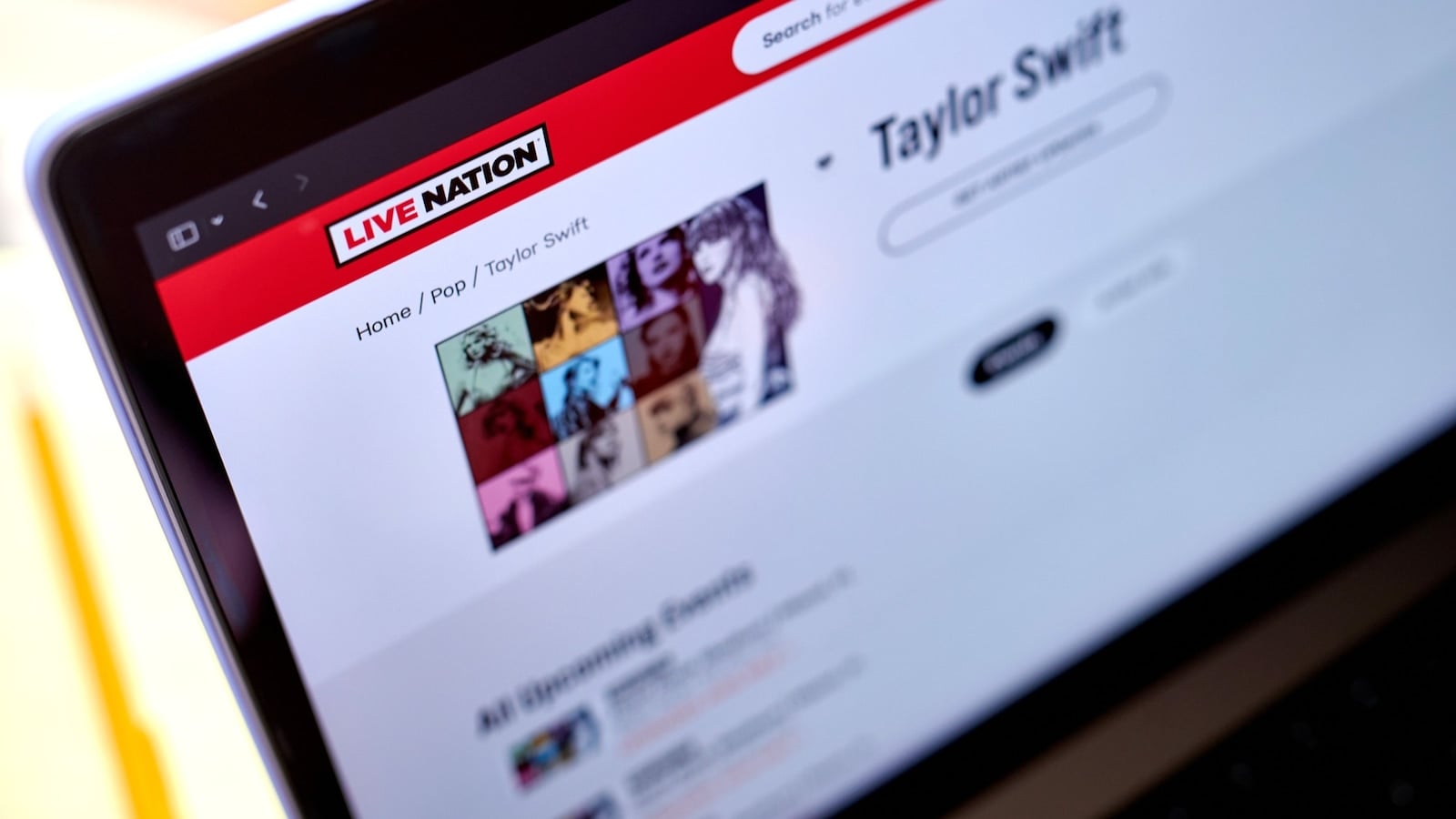
Following Donald Trump's 2024 presidential election victory, Live Nation's stock surged amid speculation that the Department of Justice's antitrust lawsuit against the company might face challenges under a Trump administration. The lawsuit, filed in May, accuses Live Nation and its Ticketmaster division of monopolistic practices and seeks to break them up. While some believe the case has bipartisan support and will continue, others are skeptical, citing potential shifts in DOJ priorities under Trump. Live Nation has denied the allegations, and the outcome remains uncertain.
The U.S. Department of Justice is suing to break up Live Nation and Ticketmaster, alleging their merger has created a monopoly that harms consumers with high ticket prices and fees. While Live Nation disputes these claims, the legal battle is expected to be lengthy. Experts are divided on whether breaking up the company would actually lower ticket prices, with some suggesting it could lead to higher costs for consumers and fewer opportunities for smaller artists and promoters.
The Justice Department and 30 state attorneys general have filed a major antitrust lawsuit seeking to break up Live Nation Entertainment, the owner of Ticketmaster, over alleged monopolistic practices in the concert ticket sales industry. The lawsuit claims that Live Nation's dominance has led to higher prices and fewer choices for consumers, artists, and venues. Live Nation denies the allegations, arguing that the lawsuit misattributes the causes of high ticket prices and service fees. The lawsuit follows a two-year investigation and is part of broader antitrust efforts by the Biden administration.
The Department of Justice and 30 state attorneys general have filed a federal antitrust lawsuit against Live Nation Entertainment and its subsidiary Ticketmaster, alleging they have created a monopoly on live event ticket prices in the U.S. The suit claims Live Nation's dominance in the market has led to inflated ticket prices and restricted competition. If successful, the lawsuit could significantly alter the live event industry and ticket pricing. Live Nation disputes the claims, arguing that factors like production costs and artist popularity are responsible for high ticket prices.
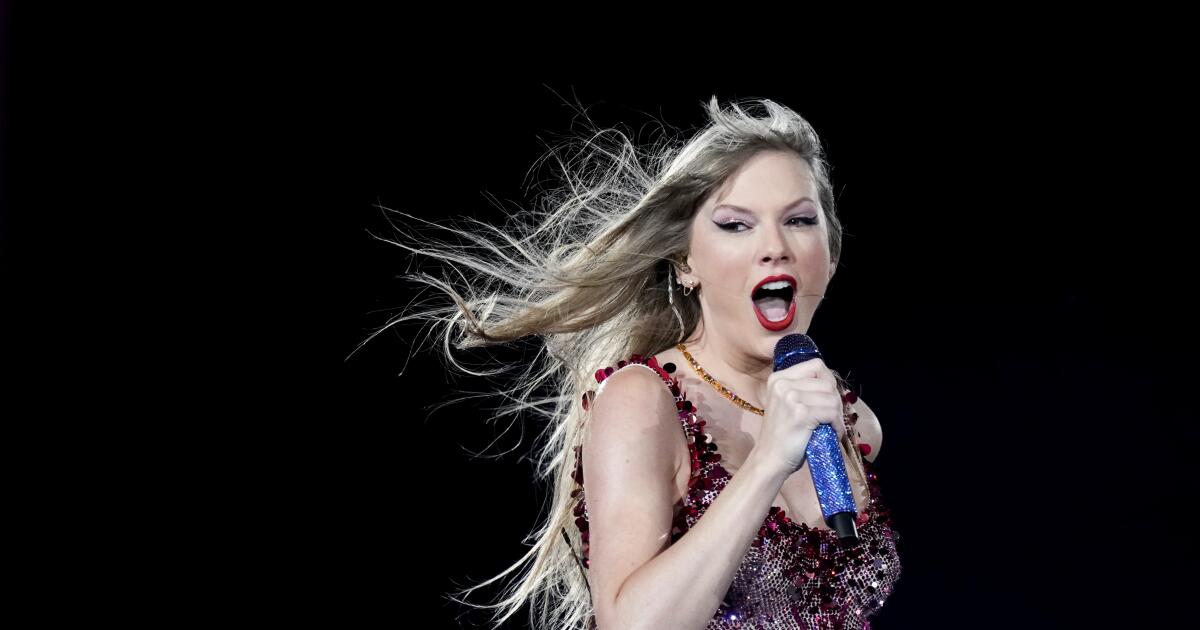
The US government and 30 states have filed a groundbreaking antitrust lawsuit against Live Nation, the parent company of Ticketmaster, alleging monopolistic practices that harm concertgoers, artists, and smaller promoters. The lawsuit seeks to break up the company, which controls a significant portion of the live events and ticketing market. The case follows widespread criticism of Ticketmaster's fees and service issues, highlighted by the 2022 Taylor Swift ticketing fiasco. Live Nation denies the allegations, calling them baseless.
The U.S. Justice Department, along with 30 state and district attorneys general, has filed an antitrust lawsuit against Ticketmaster and its parent company Live Nation, accusing them of monopolizing the live events industry, driving up ticket prices, and stifling competition. The lawsuit seeks to dismantle the monopoly, which has faced criticism from artists and fans for high fees and limited competition. Live Nation denies the allegations, arguing that the lawsuit misrepresents the economics of the live entertainment industry.
The Department of Justice and 30 state attorneys general have filed a federal antitrust lawsuit against Live Nation Entertainment and its subsidiary Ticketmaster, alleging they have created a monopoly on live event ticket prices in the U.S. The suit claims Live Nation's dominance in the market has led to inflated ticket prices and restricted competition. If successful, the lawsuit could significantly alter the live event industry and ticket pricing. Live Nation disputes the allegations, attributing high prices to other factors.
The Department of Justice and 30 state attorneys general have filed a federal antitrust lawsuit against Live Nation Entertainment and its subsidiary Ticketmaster, alleging the company has created a monopoly on live event ticket prices in the U.S. The suit claims Live Nation's dominance in the market has led to inflated ticket prices and restricted competition. If successful, the lawsuit could significantly alter the live event industry and ticket pricing. Live Nation disputes the claims, arguing that factors like production costs and artist popularity are responsible for high ticket prices.
The Justice Department has filed a lawsuit to break up Live Nation, the parent company of Ticketmaster, alleging it has monopolized the live events industry, harming consumers, artists, and smaller promoters. The suit, supported by 29 states and Washington, D.C., claims Live Nation's practices have led to higher fees for fans and fewer opportunities for artists. Live Nation disputes the allegations, arguing that its market share has been declining and that the lawsuit ignores key economic factors.
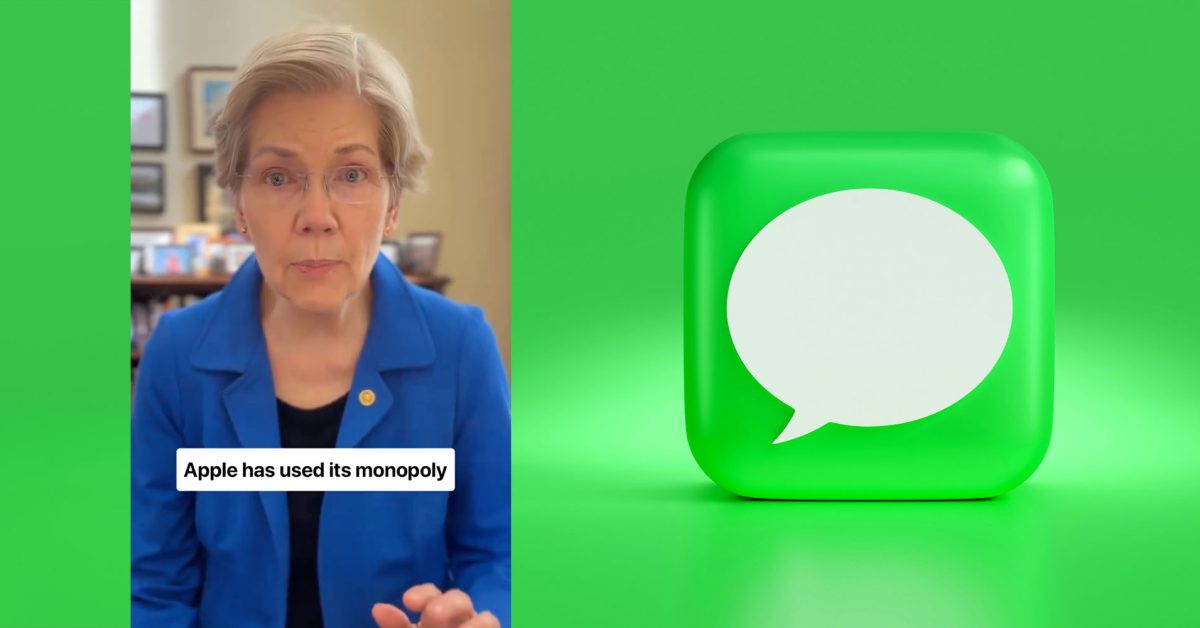
Senator Elizabeth Warren tweeted a video criticizing Apple for the use of green texts, claiming they are "ruining relationships" and are just one of the tactics Apple uses to maintain control over the smartphone market. This comes in support of the DOJ's antitrust lawsuit against Apple, which addresses the exclusivity of iMessage to iPhones and its alleged anti-competitive nature. The lawsuit argues that this creates social stigma for non-iPhone users, particularly affecting teenagers. While there is evidence of Apple's strategy to lock customers into its ecosystem, some argue that penalizing Apple for creating a popular product is not the law's business.
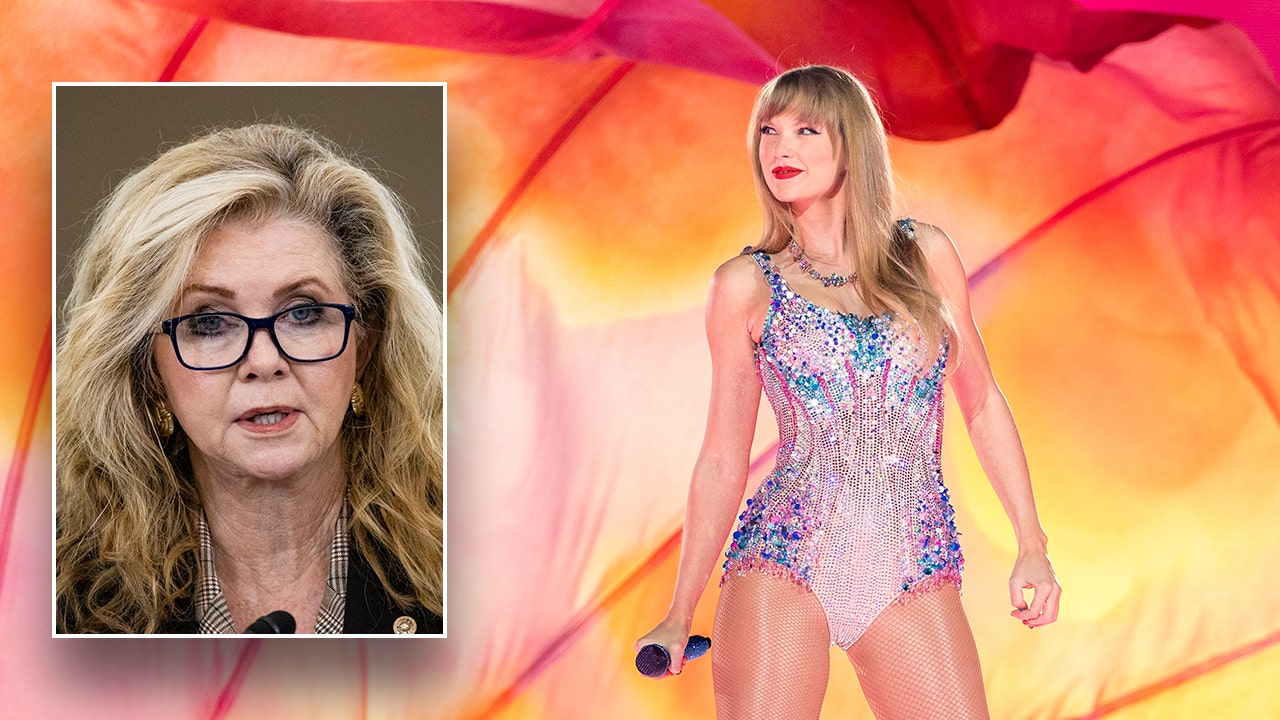
GOP Senator Marsha Blackburn criticizes Ticketmaster and Live Nation for alleged monopolistic practices, expressing concern over exorbitant ticket prices and bot activity. The Justice Department is reportedly preparing to file an antitrust lawsuit against Live Nation, the parent company of Ticketmaster, for leveraging its dominance to undermine competition in the live event ticketing industry. Ticketmaster has faced scrutiny for excessive fees, bad customer service, and lack of control over ticket scalping. The company denies monopoly allegations, stating that ticket prices are set by artists and teams. The impending lawsuit has been welcomed by frustrated consumers and industry advocates, with Blackburn emphasizing the need for the ticketing industry to prioritize artists, venues, and fans.
A recent DOJ lawsuit against Apple highlights the lack of end-to-end encryption for iMessage when communicating with non-Apple users, raising concerns about compromised security and privacy. The lawsuit argues that Apple's refusal to extend full encryption to cross-platform messaging undermines its security premise. While Apple has pushed back, the lawsuit's claims against iMessage stand out as clear cut. The debate over iMessage's security has intensified as other messaging platforms adopt end-to-end encryption, and the lawsuit could have significant ramifications for encrypted messaging services worldwide.