Google is redesigning the comments view in Docs, Sheets, and Slides on the web to make it easier to find and take action on comments, with features like minimized comment cards, inline expand/minimize buttons, the ability to hide comments, an updated search and filter functionality, and a "For you" tab. The redesign is rolling out for all Workspace customers and personal Google Accounts. Additionally, Google Slides is introducing a "Speaker Spotlight" feature for presenters to insert their video feed directly into their Slides content, available for specific Google Workspace and Education Plus users.
Google's Bard AI chatbot can now scan Gmail, Docs, and Drive to help users find information, eliminating the need to sift through emails and documents. The new integration allows Bard to summarize emails and highlight important points in documents. While privacy concerns may arise, Google assures that the information will not be used to train Bard's public model or seen by human reviewers. Bard's extensions also include connections with Maps, YouTube, and Google Flights, enabling users to access real-time flight information, find attractions, and surface YouTube videos. Google plans to expand Bard's integrations to more products and partners in the future. Additionally, Google has introduced improvements such as a "Google It" button to verify Bard's answers and the ability to continue conversations based on shared links.
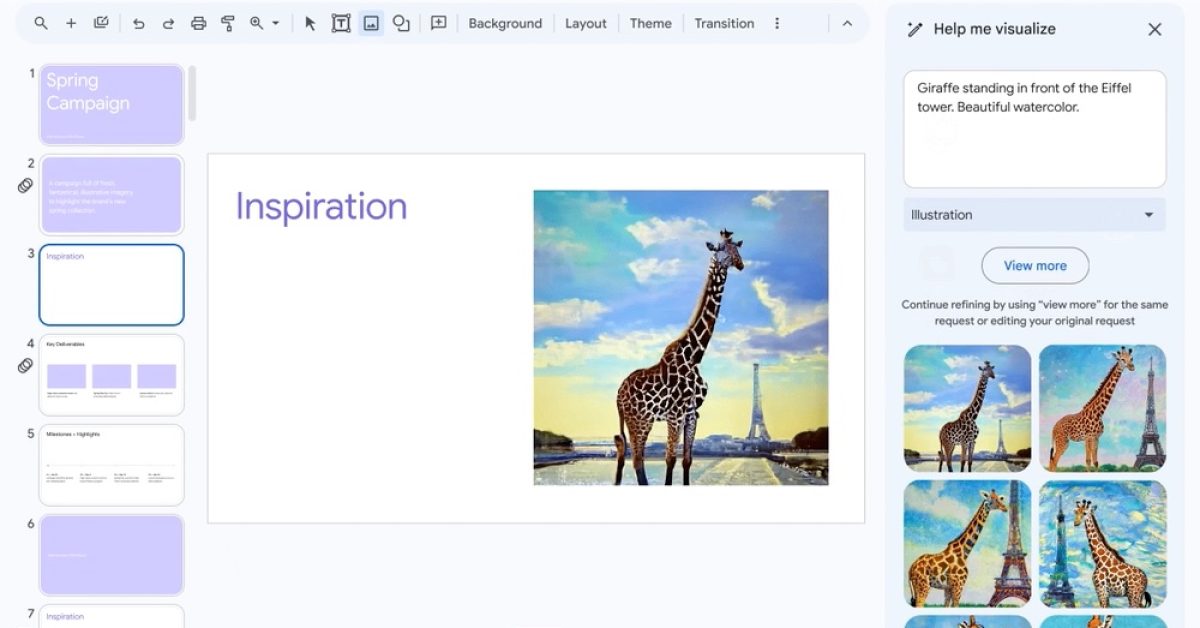
Google is introducing new features in Gmail, Docs, and Slides through Workspace Labs, including image generation in Slides, contextual suggestions for replies in Gmail, and smart chips in Docs. The image generation feature in Slides will allow users to create custom backgrounds for presentations by entering a prompt and choosing a style. The "Help me write" feature in Gmail and Docs will generate replies with specific details and smart chips to remind users to add necessary information. These features are powered by Google's image generation models and Duet AI.
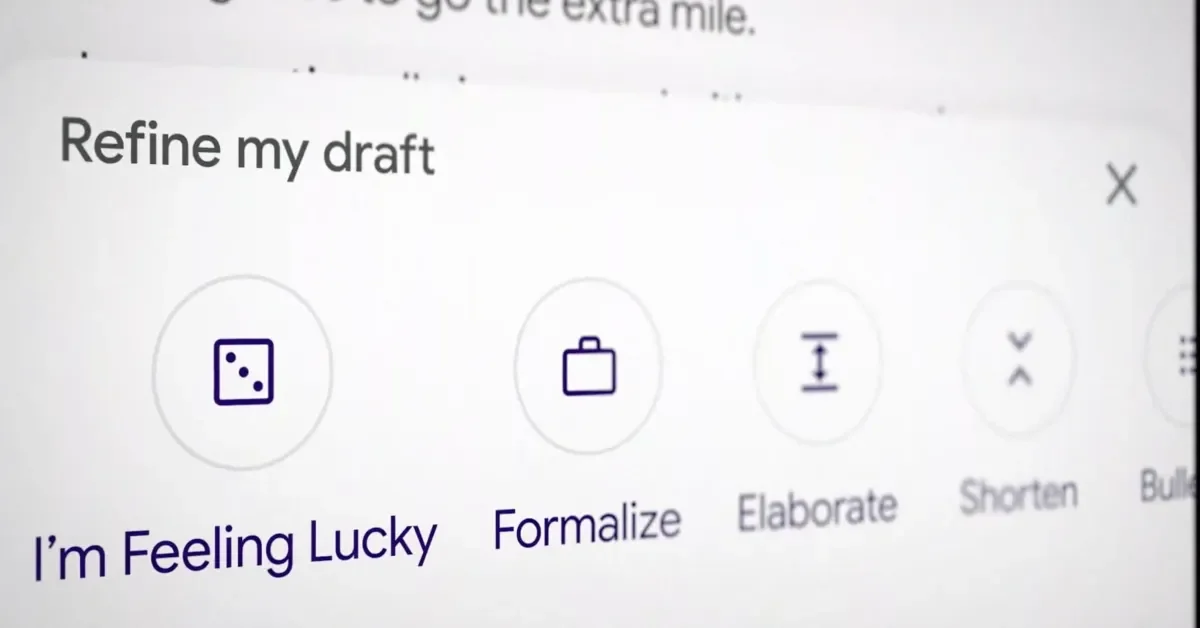
Google has started public testing of generative AI features in Gmail and Docs for a small group of users in the US. The features include the ability to draft messages, make them more elaborate or concise, and even add levity with whimsical stylistic choices. Users can also use AI to draft blog posts or song lyrics in Docs. The enrolled users can submit feedback to Google to refine and iterate on the generative AI functionality. This marks the first time that people outside of Google have access to these Workspace capabilities.
Google has published a "prohibited use policy" for its upcoming generative AI products and capabilities, including Gmail and Docs. The policy prohibits dangerous, illegal, or malicious activities, generating and distributing content intended to misinform, misrepresent or mislead, and generating sexually explicit content. Google also disclaims that the services use experimental technology and may sometimes provide inaccurate or offensive content that doesn't represent Google's views. The Gmail and Docs experiences will be launched this month through a trusted tester program.