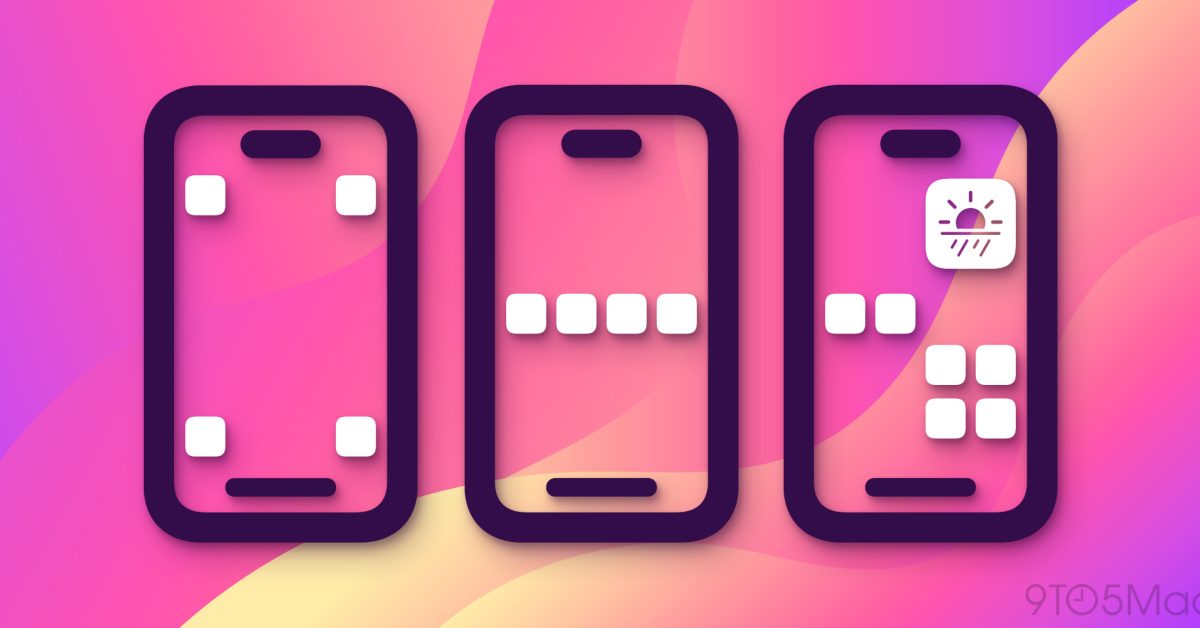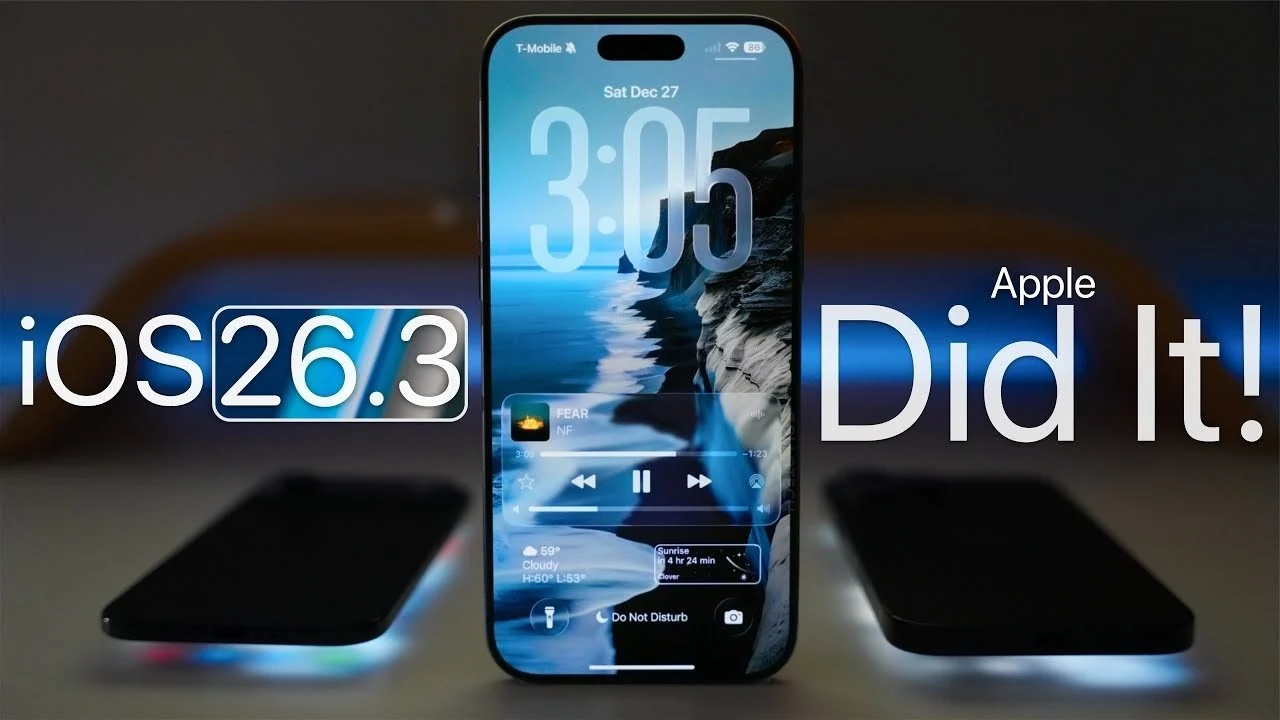
Apple has released the iOS 26.3 beta 1, introducing features like improved third-party device pairing, expanded digital ID support in seven US states, and new customization options, along with bug fixes and performance enhancements. The update aims to enhance interoperability, security, and user experience across Apple devices, with ongoing development and future updates expected to refine these features further.
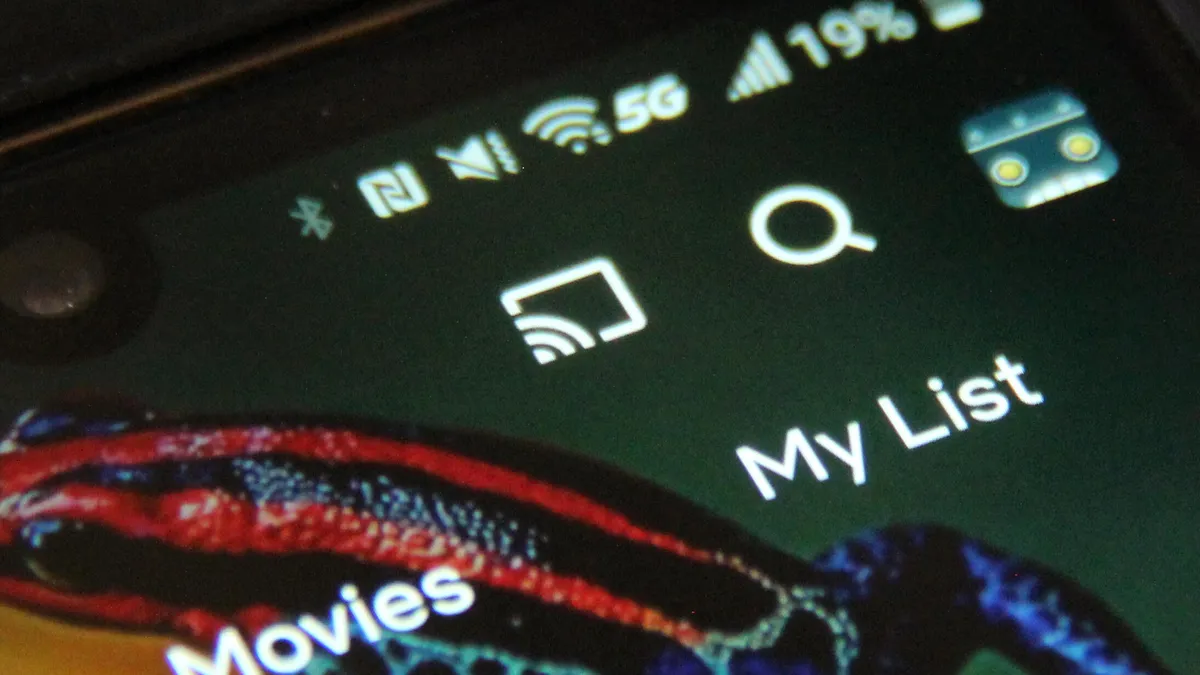
Netflix has stopped supporting casting from phones to TVs for most users, encouraging the use of built-in smart TV apps or direct device connections, possibly to promote their own apps and due to changing policies, with some older devices still supported for casting under specific plans.
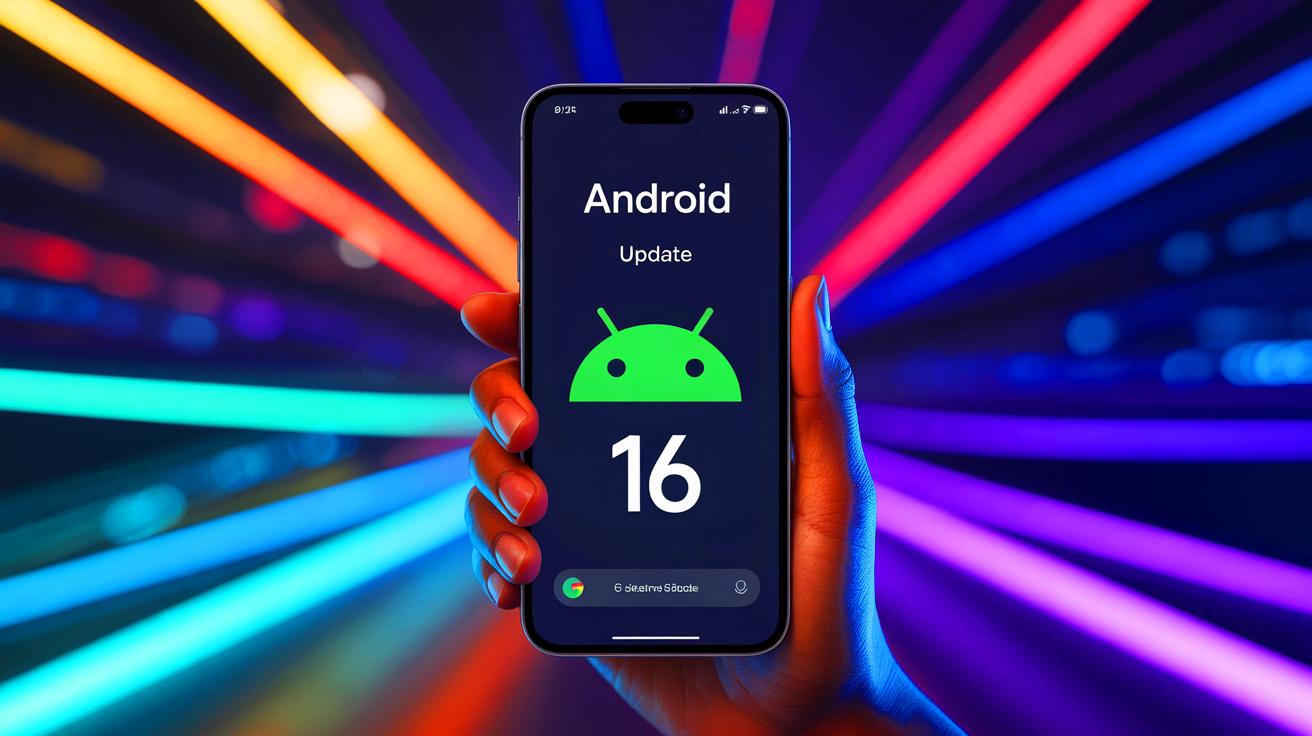
Android 16 has begun rolling out, initially to select Google Pixel devices and beta testers, bringing improvements in security, user interface, and accessibility. Users can manually check for updates and should expect additional features in the September QPR1 update. Compatibility varies by device, with Pixel models and some beta-participating brands receiving the update first.
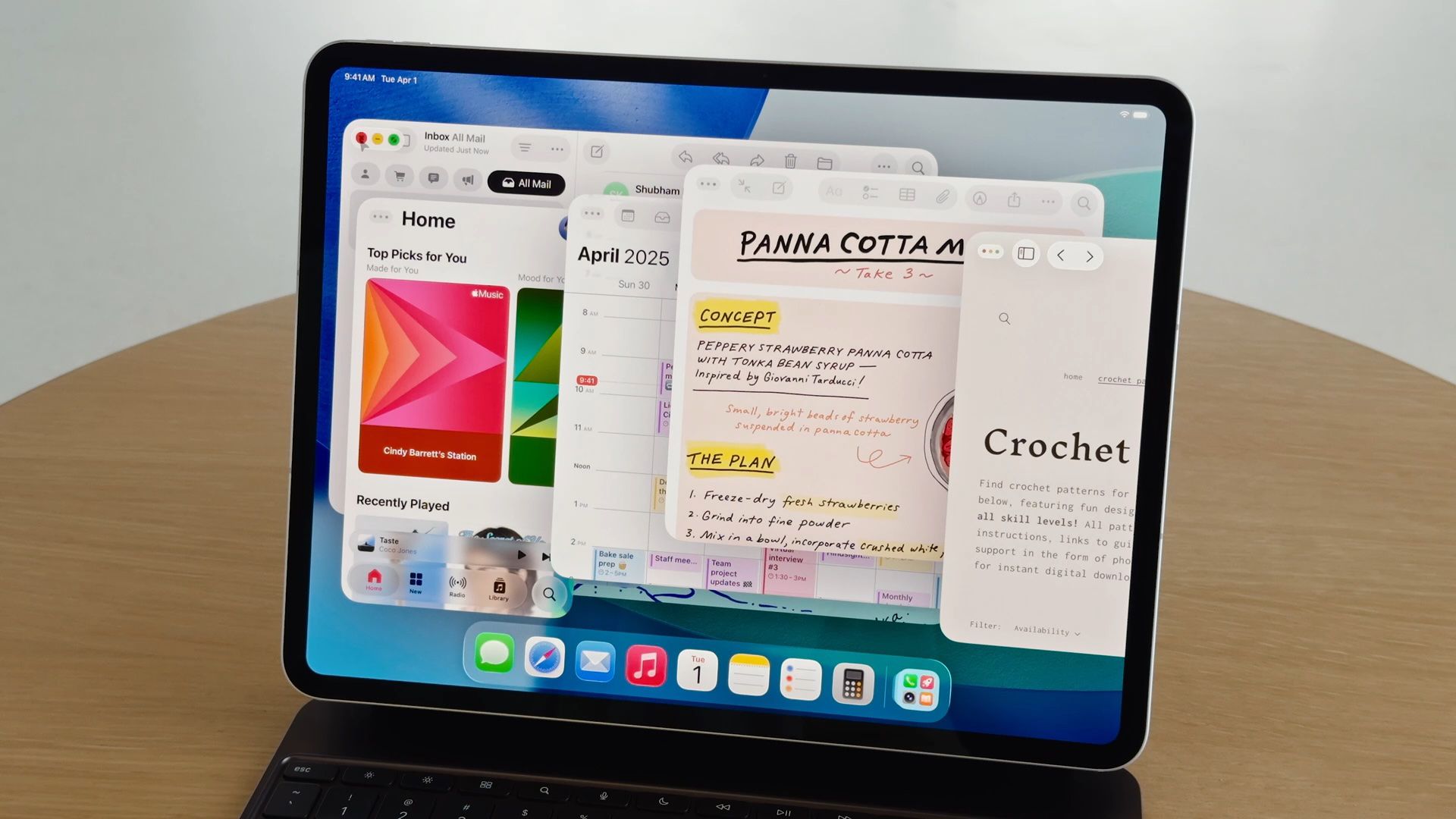
Apple explains why iPads do not run macOS, highlighting differences in hardware and intended use cases between the devices, which influence their respective operating systems.
WhatsApp will stop supporting iPhone 5s, iPhone 6, and iPhone 6s by May 5, 2025, as the app will require iOS 15.1 or newer. This change is due to the need for updated APIs and technologies in newer iOS versions, allowing WhatsApp to introduce new features. Users of these older models are advised to upgrade their devices or back up their chats to transfer to a supported device.
Rumors suggest that iOS 18 will support the same devices as iOS 17, while iPadOS 18 is expected to drop support for older generation iPads such as the iPad (6th generation) and certain models of the iPad Pro. The compatibility list for iOS 18 includes the latest iPhone models, while iPadOS 18 will be compatible with devices from 2019 and later, with some unexpected discrepancies in device support based on processor generation.
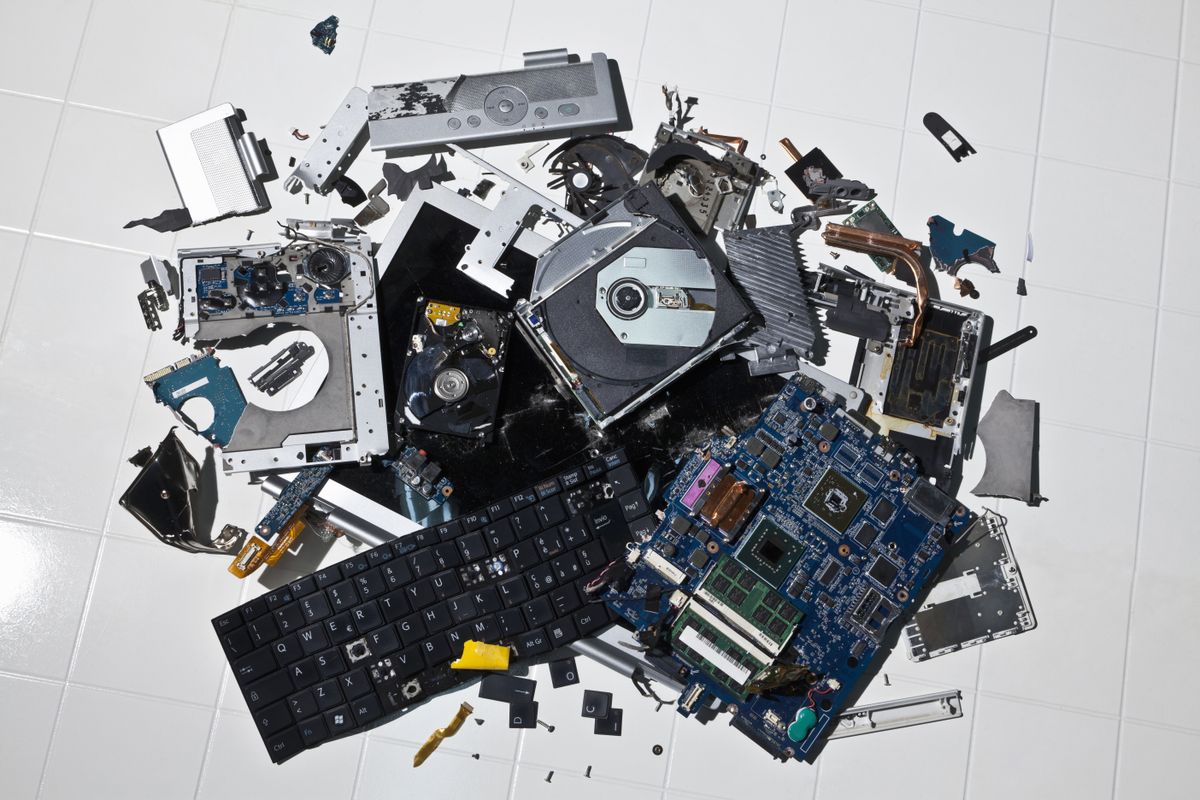
Analysts warn that the end of life for Windows 10 could lead to a surge in e-waste, with up to 240 million devices expected to be scrapped due to the shift to Windows 11. Concerns are raised about device refreshes and the responsibility of vendors to extend product lifecycles. Many of the devices set for disposal won't meet the minimum system requirements for Windows 11, despite being in good condition. This could result in a significant strain on IT budgets and contribute to environmental impact. Analysts urge device manufacturers and software vendors to prioritize durability, reparability, and recyclability in their designs and to ensure devices remain usable and secure for as long as possible.
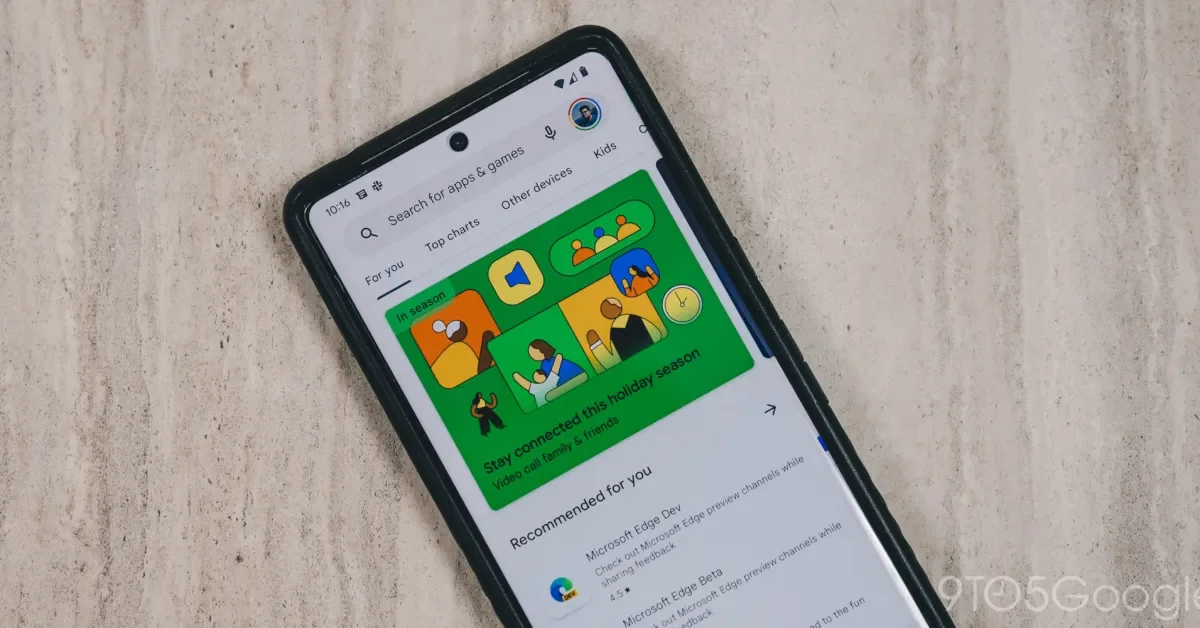
Google Play is introducing a new way to browse device screenshots in app listings by form factor, including phones, watches, Chromebooks, tablets, and cars. Instead of a lengthy carousel, a form factor carousel will be added, allowing users to easily view screenshots specific to their device. Additionally, a "New" tab is being introduced for tablets and Chromebooks, featuring editorial content, upcoming games, ebooks, movie/TV deals, and more. These updates join other filters throughout the Play Store.