The relationship between startups and the U.S. government is becoming more complex as startups increasingly rely on government contracts, especially in defense, AI, and tech sectors. Recent government shutdowns and increased government ownership stakes in tech and industrial companies highlight the evolving and intertwined nature of this relationship, which now impacts startup growth and innovation more than ever.
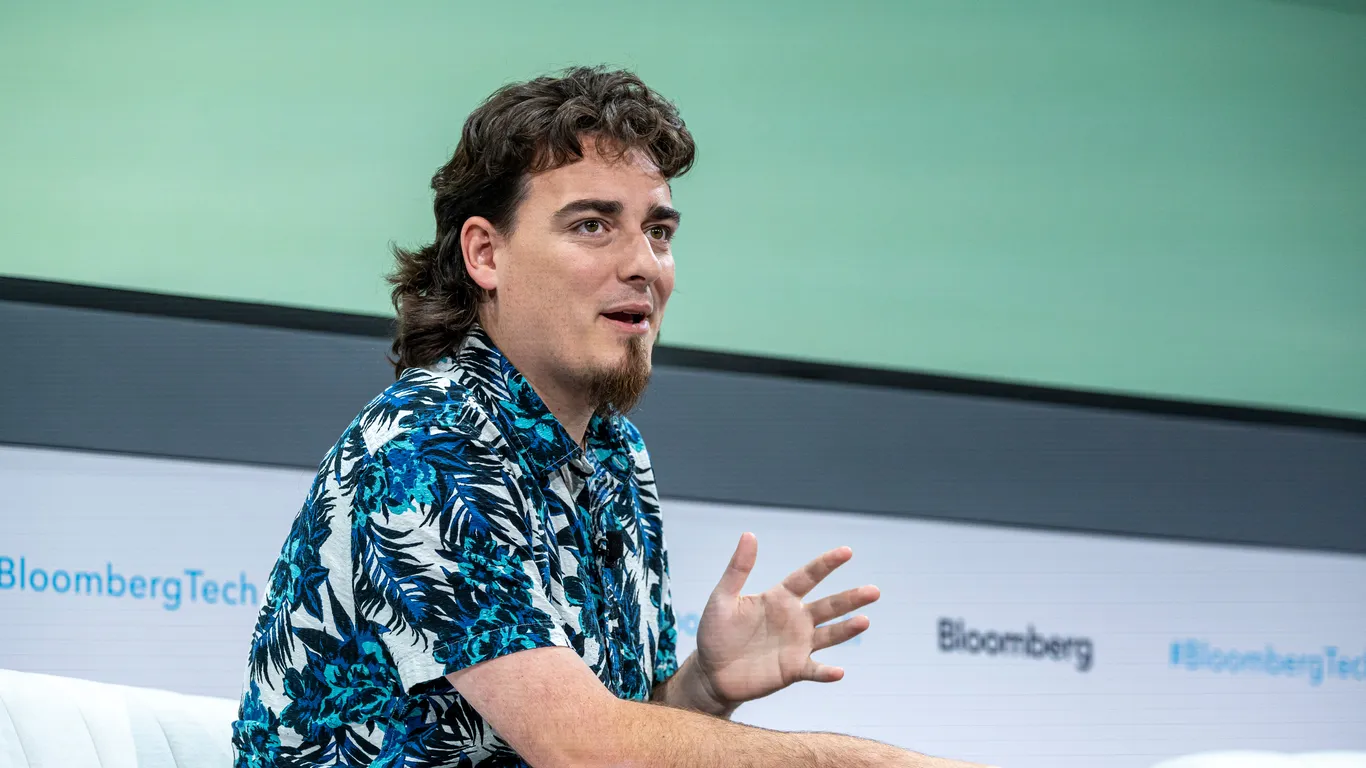
Anduril, a defense technology startup led by Palmer Luckey, has raised $2.5 billion at a $30.5 billion valuation, nearly doubling its revenue to $1 billion in 2024 and securing around $1.5 billion in contracts, reflecting increased investor interest in defense tech and positioning the company as a major player in the sector.
Munich-based AI startup Helsing is raising at least $400 million in a Series C funding round led by General Catalyst, valuing the company at around $4 billion. This makes Helsing one of the most valuable defense tech startups globally. The company, which focuses on AI software for military applications, has secured contracts with European militaries and aims to enhance national security interests amid global tensions.
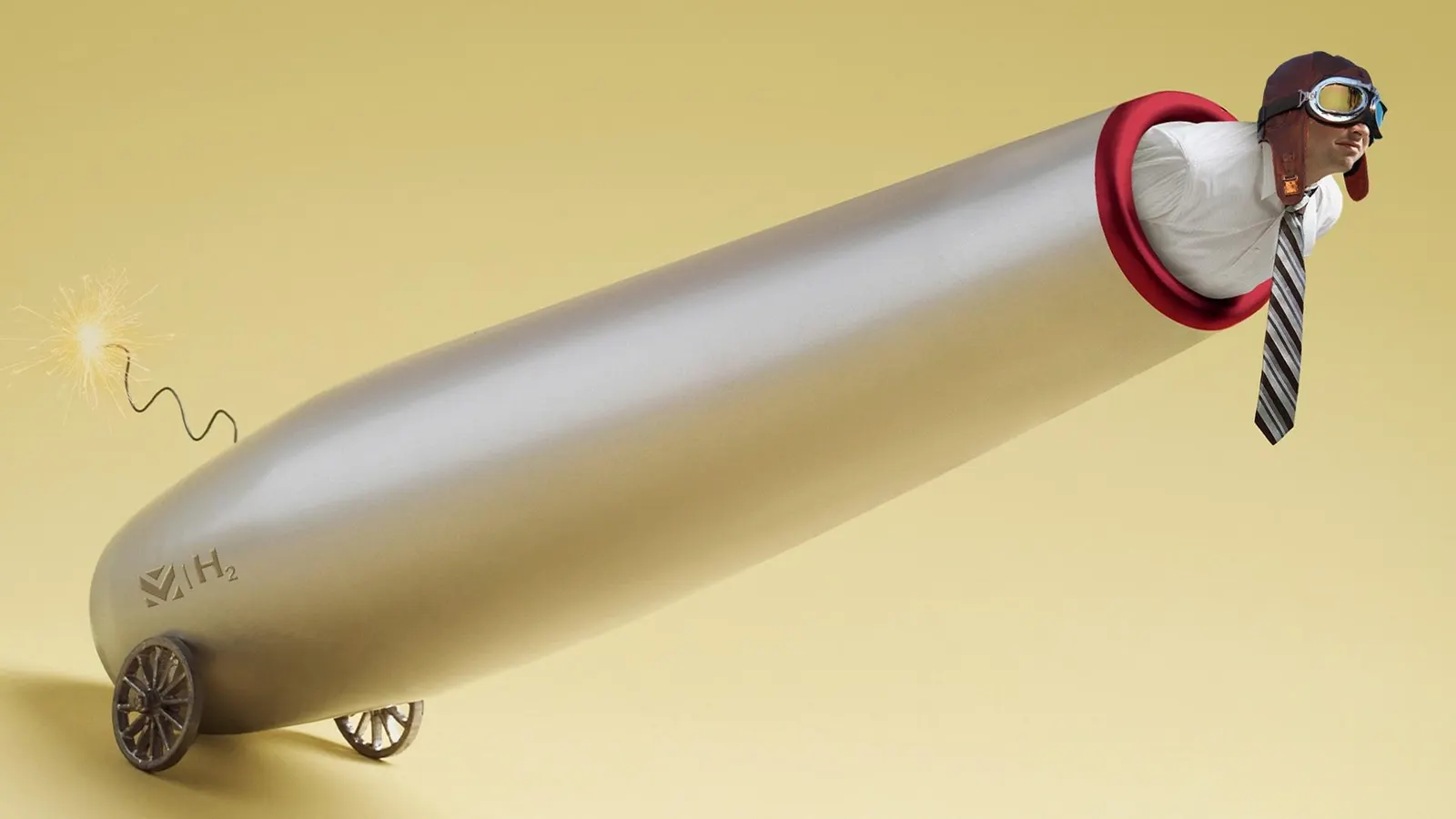
Ethan Thornton, a 19-year-old MIT dropout, raised $85 million from top investors for his startup Mach Industries, which aimed to revolutionize military weaponry with hydrogen-powered technology. However, the company has faced significant technical and safety challenges, chaotic leadership, and failed product tests, leading to internal turmoil and skepticism about its viability. Despite these issues, Thornton remains optimistic and has pivoted the company towards developing drones and cruise missiles.
The Pentagon plans to select its first candidates for the Replicator initiative, which aims to deploy thousands of drones within the next two years, by early December. Deputy Secretary of Defense Kathleen Hicks stated that the selection will represent the first tranche of systems, with varying costs depending on payload. However, the Pentagon has been cautious in providing details about Replicator, leaving defense tech industry executives uncertain about increasing production or securing additional funding. Hicks assured that funding is not a concern, as the money is already allocated in existing programs. The focus of Replicator will be on programs useful for Indo-Pacific Command, with the goal of creating operational dilemmas for China.