A newly revealed document from the upcoming David Bowie Center lists the singer's 15 favorite songs, including a mix of rock, jazz, and obscure tracks from various eras, providing insight into his musical influences and tastes.
A fire engulfed Copenhagen's historic Old Stock Exchange, reminiscent of the Notre-Dame blaze, prompting a collective effort to save cultural treasures. Emergency services, chamber of commerce members, and bystanders joined forces to rescue historic paintings from the burning building. The fire, which started during renovation work, caused the collapse of the spire and significant damage to the structure. Denmark's National Museum dispatched 25 employees to assist in evacuating and safeguarding cultural artifacts.
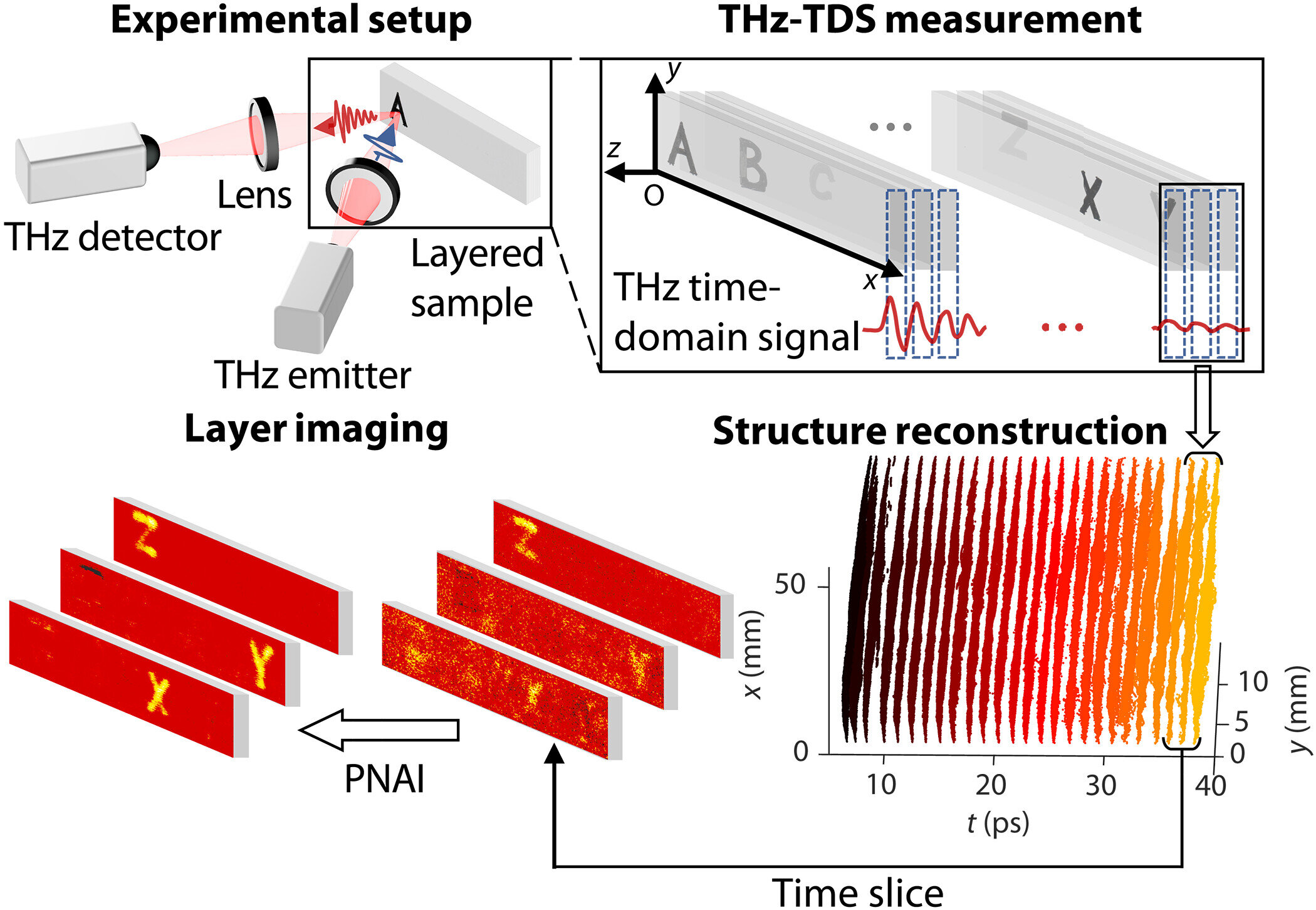
Scientists have developed a method using terahertz time-domain spectroscopy (THz-TDS) to extract hidden structural and content information from layered structures. By studying the local symmetrical characteristics of reflected terahertz pulses, the researchers were able to accurately reconstruct the structure and achieve high-contrast imaging at ultralow signal-to-noise ratios. The method has potential applications in inspecting cultural artifacts, coatings, and composites, allowing for the examination of internal architecture without damage.
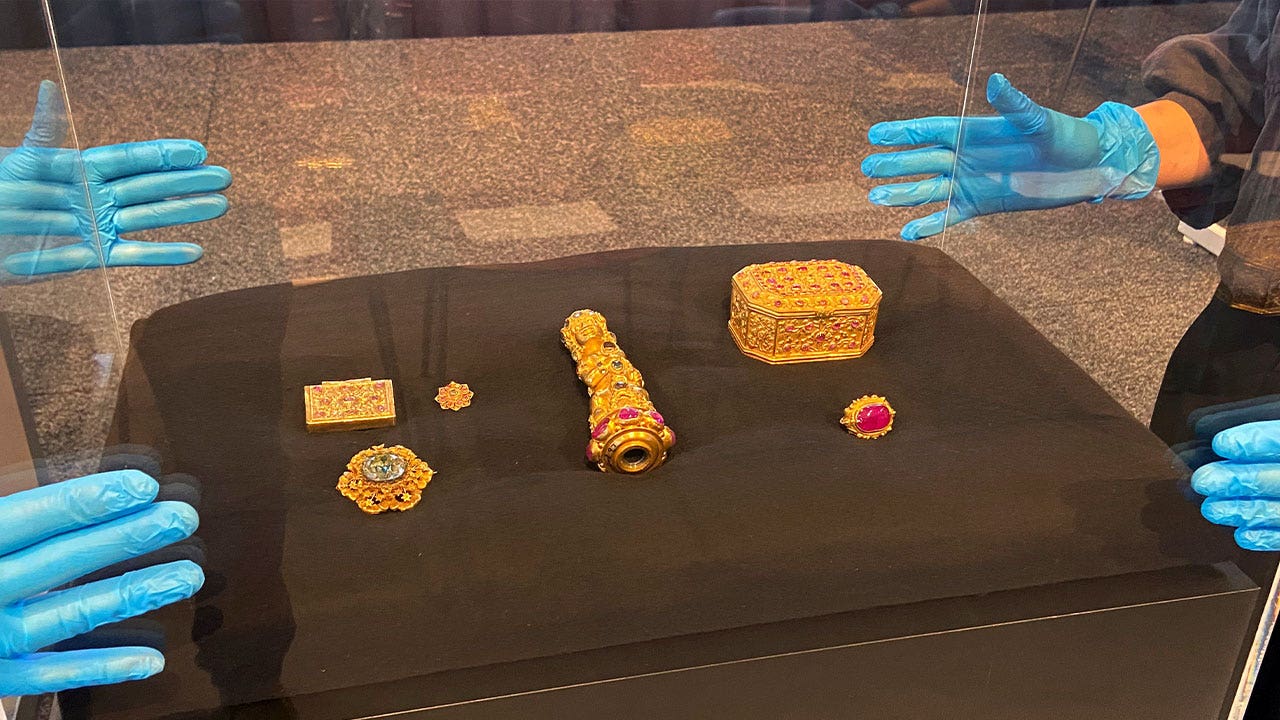
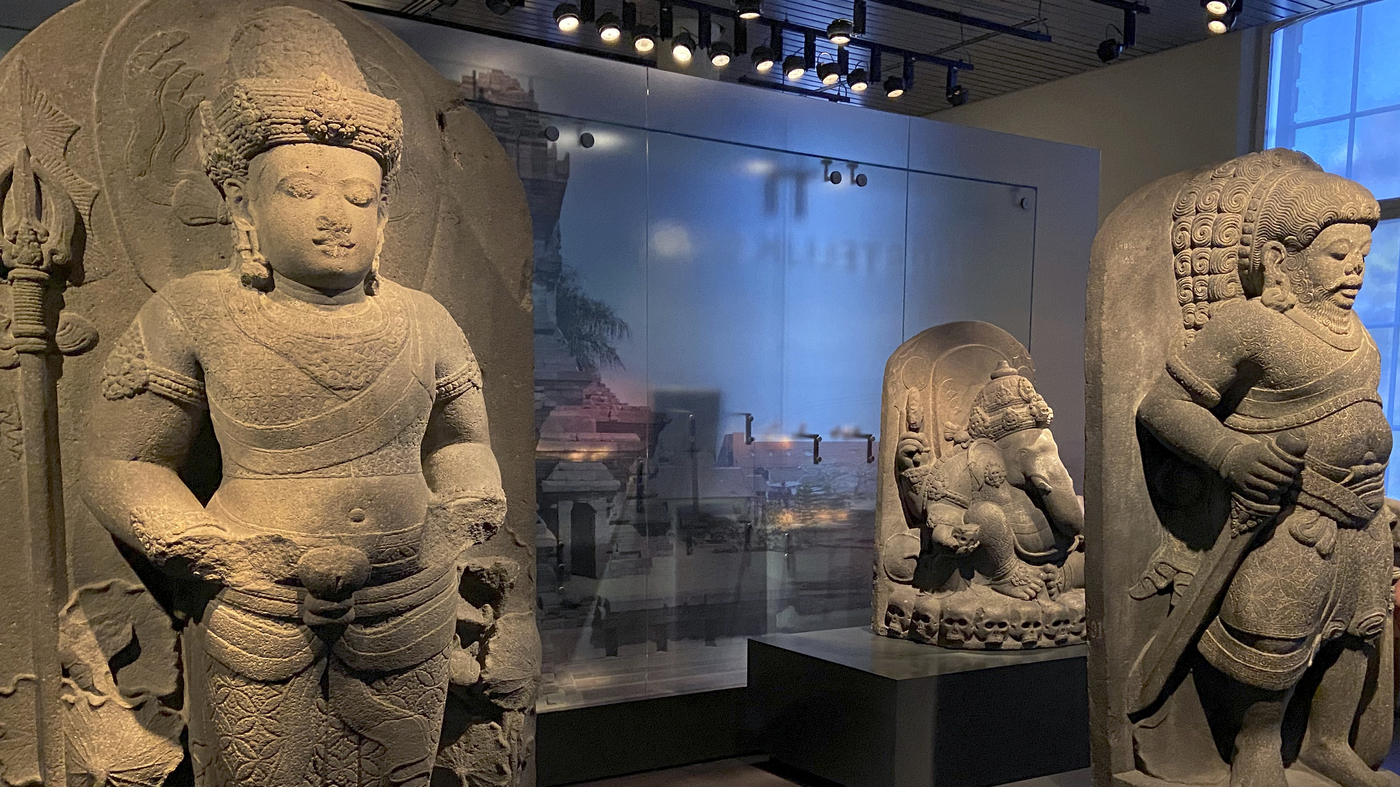
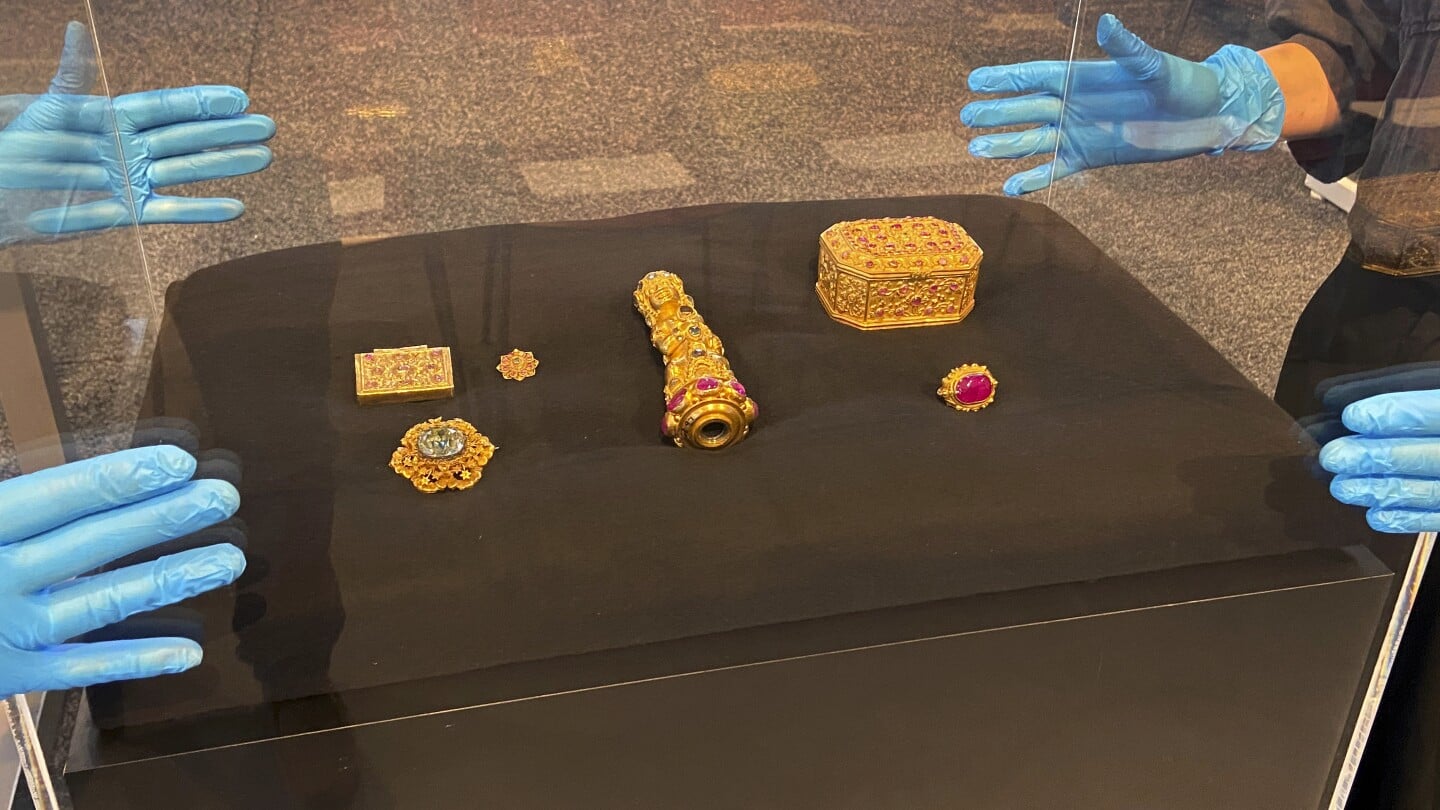
The Netherlands and Indonesia celebrated the return of hundreds of cultural artifacts, including jewels and temple carvings, that were taken during colonial times. The artifacts were officially handed back to Indonesia at a ceremony in Leiden, marking a significant step in global restitution efforts. The Dutch government, following the advice of a committee set up in 2022, returned the items, which are the first to be repatriated based on restitution requests. The return of these objects holds symbolic and cultural importance for Indonesia, allowing them to reintegrate them into their historical narrative. This event highlights the sensitivity surrounding colonial objects and their return.
The Netherlands has returned hundreds of cultural artifacts looted during the Dutch colonization of Indonesia and Sri Lanka in a ceremony in Leiden. The items include ancient temple carvings, a traditional Balinese dagger, and jewels taken by Dutch troops. This marks a major step forward in restitution efforts worldwide and contributes to the global debate about returning colonial objects. However, just sending back the artifacts is not enough, as it is important to counter the colonial mentality and maintain the returned artifacts for future generations. This is part of a larger trend of Western Powers repatriating items plundered during colonial times.
The Netherlands has returned hundreds of cultural artifacts, including jewels and temple carvings, to Indonesia in a ceremony in Leiden, marking a significant step in global restitution efforts. The return of these items, taken during colonial times, is seen as a contribution to the global debate on returning colonial objects. The Dutch government has set up a committee to assess restitution requests from countries, including Indonesia, Sri Lanka, and Nigeria. This follows similar restitution efforts by other countries, such as France returning artifacts to Benin and Belgium returning a tooth belonging to Patrice Lumumba.
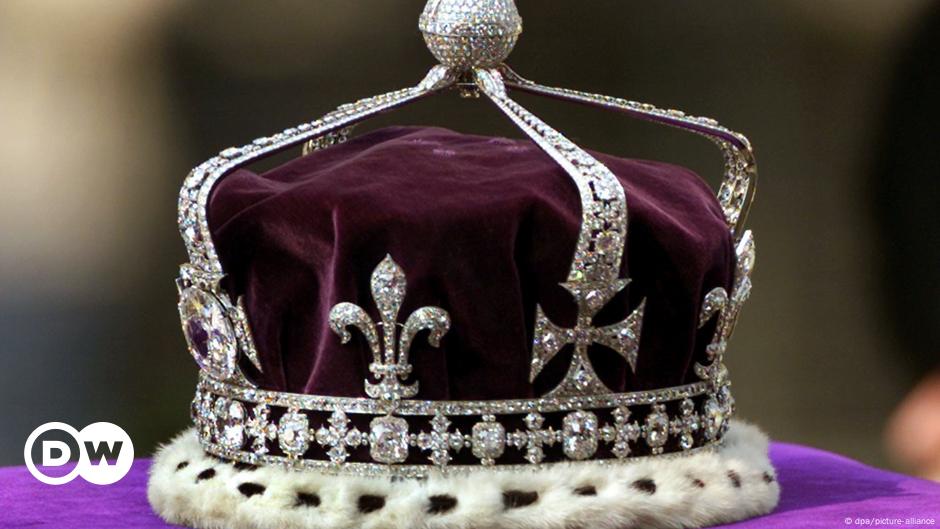
Queen Camilla will not wear the Koh-i-Noor diamond on her crown during her coronation to avoid offending "political sensitivities." The diamond, which has a long history of conquest and is a symbol of British imperialism, has been at the center of debates for decades, with demands from India for its return. While some activists argue that returning cultural artifacts is a way for the UK to atone for its colonial past, Buckingham Palace's decision to use other gemstones on the queen-consort's crown suggests a limited sensitivity to the issue.