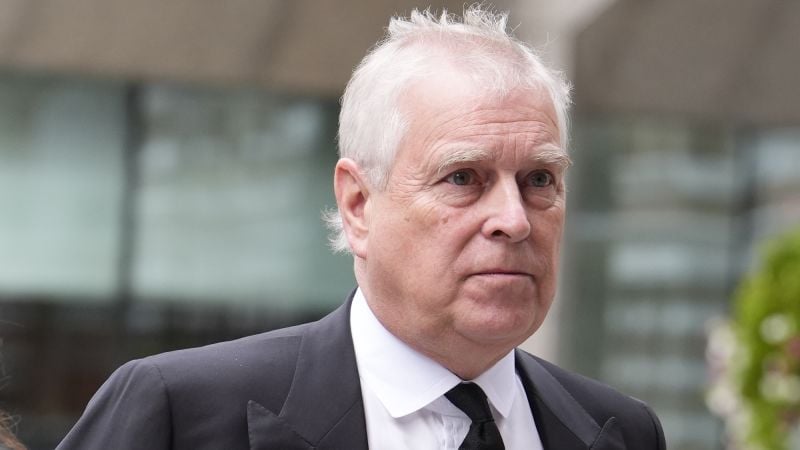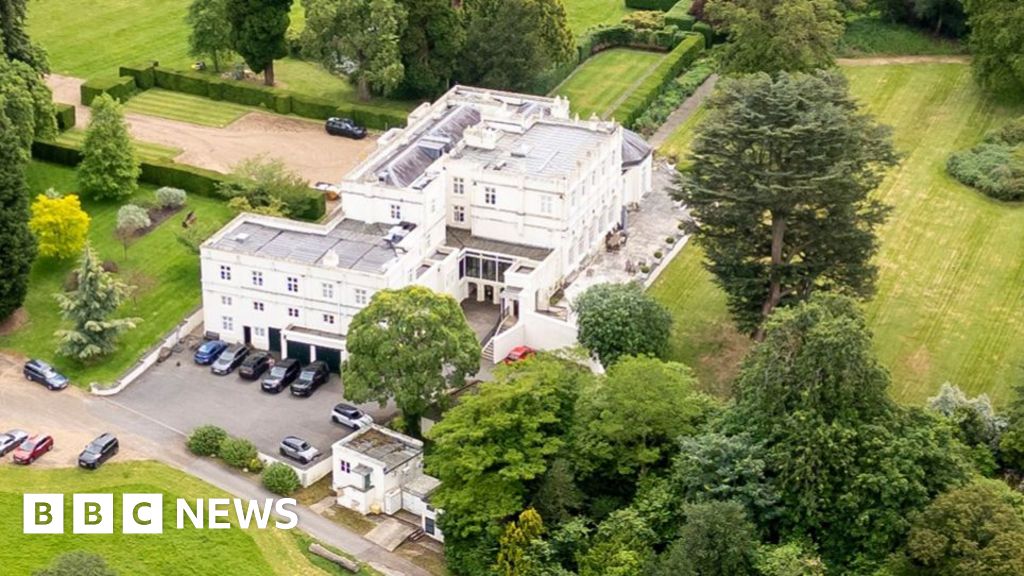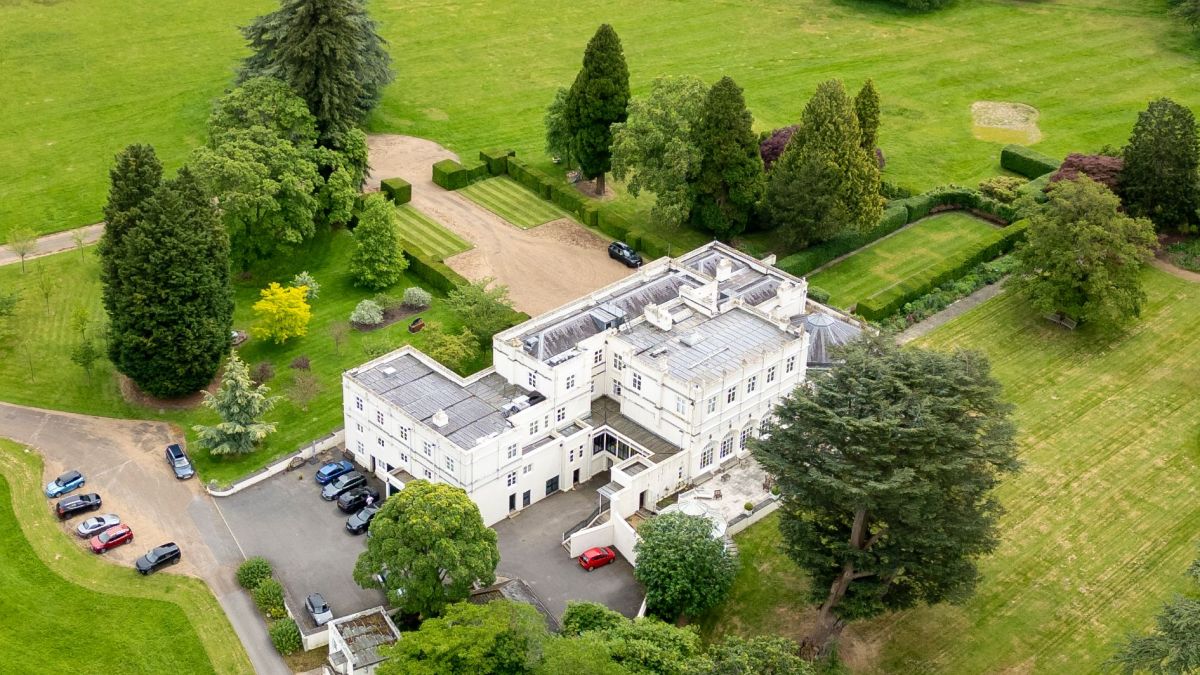
Prince Andrew has been denied a six-figure compensation for his early eviction from Royal Lodge due to its poor condition, with the Crown Estate indicating no payout is likely once repairs are considered. The eviction follows his loss of royal titles amid controversy, and the Crown Estate plans to investigate lease agreements with the Royal Family.
Andrew Mountbatten-Windsor is unlikely to receive compensation for leaving Royal Lodge due to its poor condition, and an MPs' inquiry into the Crown Estate's royal leases is expected to be launched next year. He has given notice to vacate the property, which he leased since 2003, amid ongoing scrutiny of his financial arrangements and recent loss of royal titles.
MPs are pushing to investigate Prince Andrew's residence at Royal Lodge over concerns about transparency and financial arrangements, amid ongoing scrutiny of his conduct and lease terms, with potential for a parliamentary inquiry to examine the lease and Andrew's living situation.
Calls have been made for Prince Andrew to testify before MPs regarding his lease of Royal Lodge and transparency issues surrounding royal finances, amid ongoing scrutiny over his links to Jeffrey Epstein and the financial arrangements of the Royal Family. The lease deal, which involved lump sum payments instead of rent, and broader concerns about transparency in royal funding are central to the debate.
A leaked document reveals that Prince Andrew's lease for Royal Lodge involves a unique arrangement where he paid a large upfront sum in 2003, effectively buying out future rent, and has since covered renovation costs, allowing him to live there with minimal ongoing payments despite his controversial status and lack of official royal duties.
The Crown Estate faces pressure to disclose the terms of Prince Andrew's lease of Royal Lodge amid scrutiny over his residence and financial arrangements, with calls for transparency and concerns about his future status within the royal family following recent scandals.
The U.K. Treasury has announced a recalculation of public funding for King Charles III and the royal family's official duties due to unexpected profits from offshore wind farms on the monarch's Crown Estate. The proportion of profits paid to the royals will be halved from 25% to 12% next year, following a review by the Royal Trustees. The windfall from six new offshore windfarm lease deals, estimated to be worth £1 billion ($1.3 billion) annually, will now be used for the "wider public good" instead of funding the monarchy's official duties. This move aims to address criticism of the royals being out of touch with wider British society.