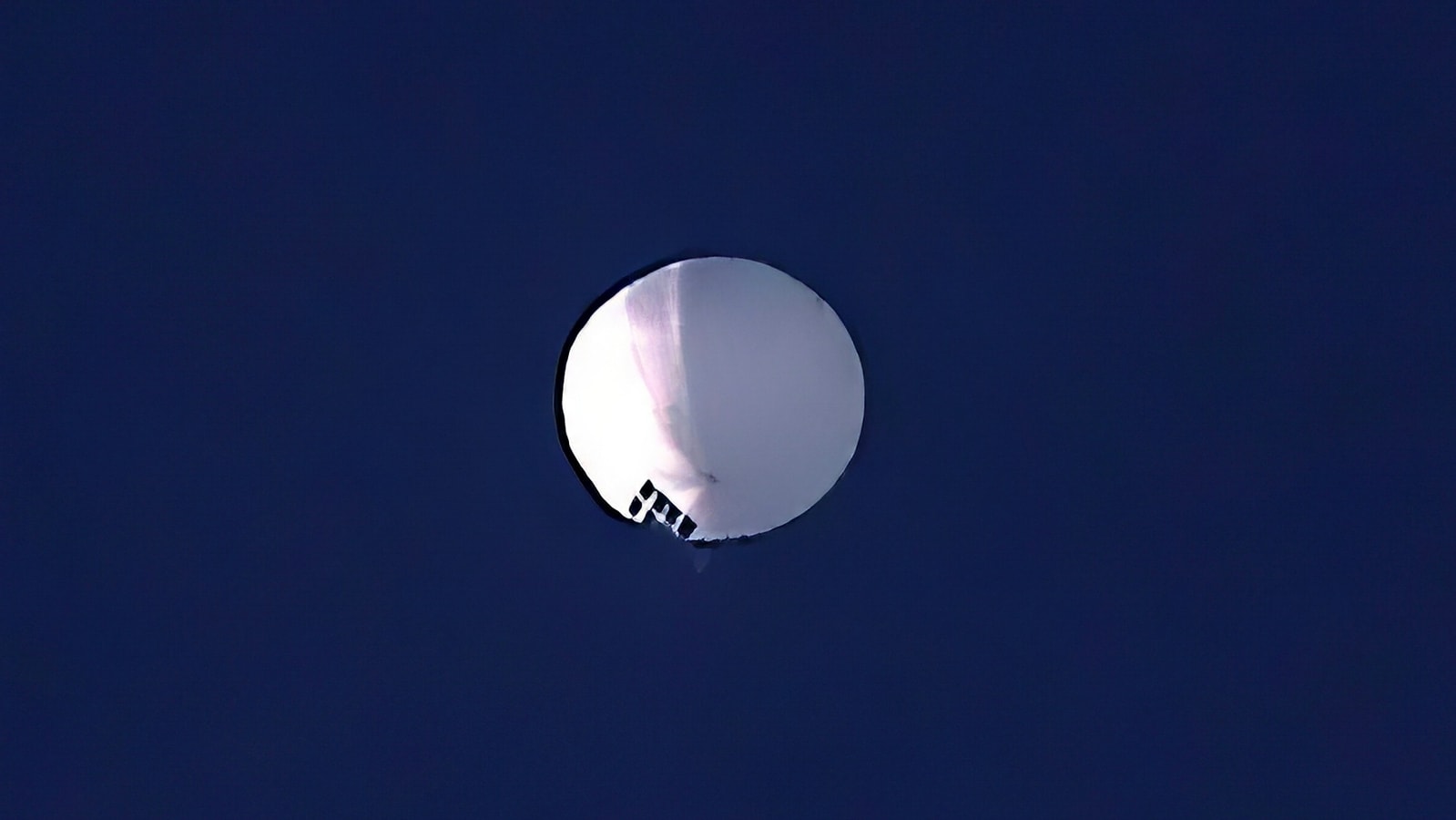
Taiwan's Ministry of Defense has accused China of sending balloons across the Taiwan Strait, posing a threat to the safety of international flight paths. The ministry reported 12 incidents of Chinese balloons crossing the median line from January 1-5, escalating tensions ahead of Taiwan's presidential elections. China maintains that the balloons are for civilian purposes, but Taiwan and the US have expressed concerns over potential surveillance activities. The issue has become a focal point in Taiwan's election campaign, with China reasserting its territorial claims.
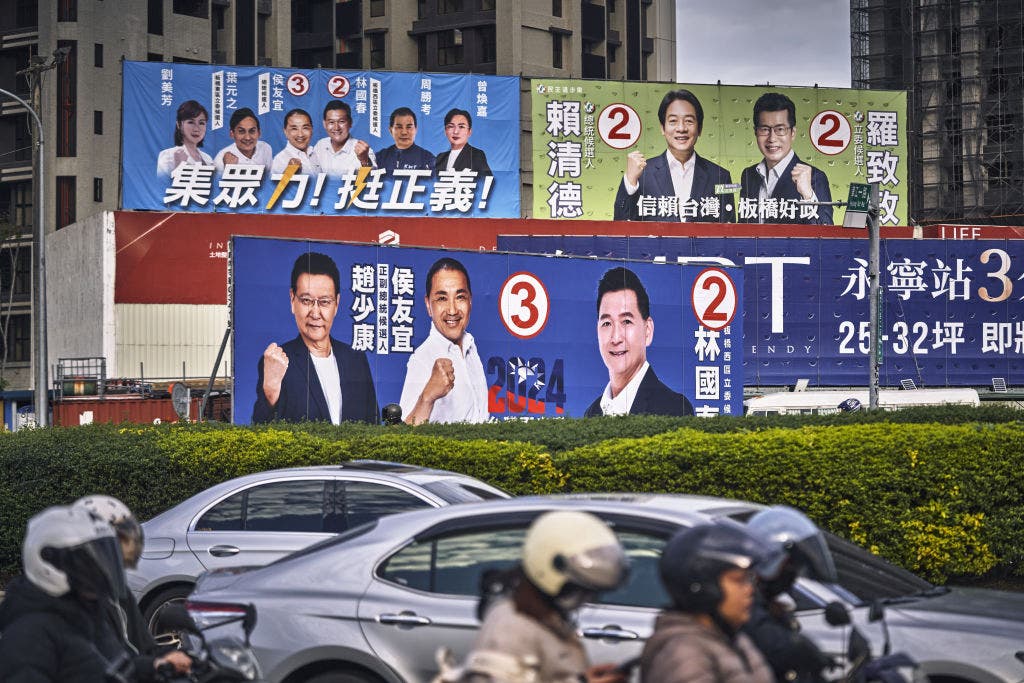
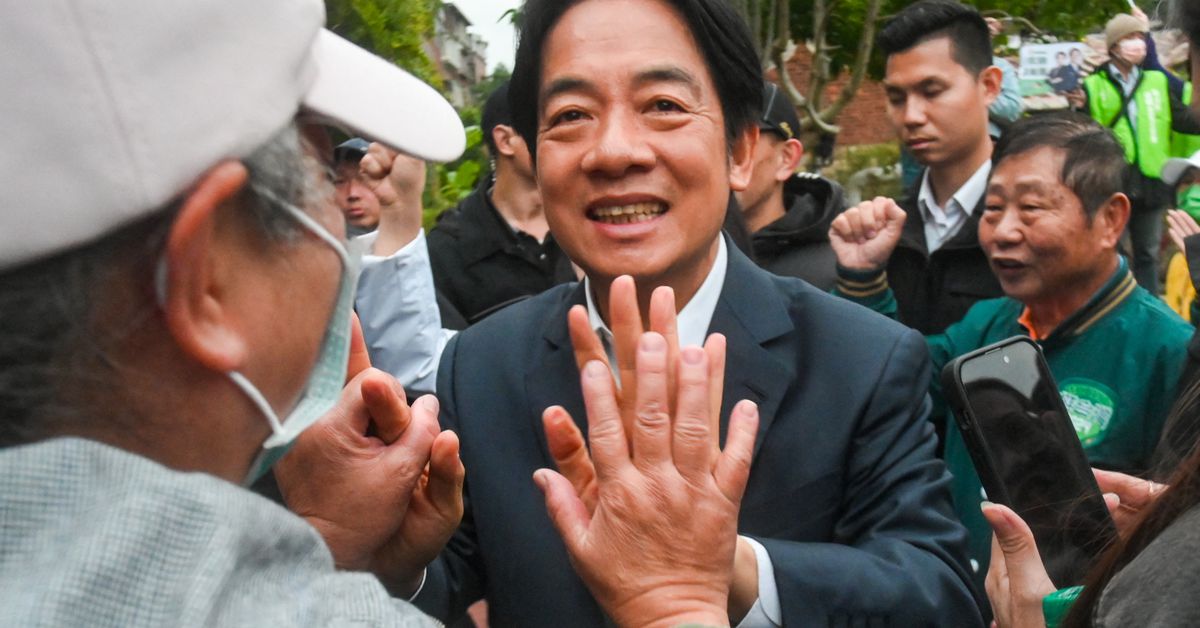
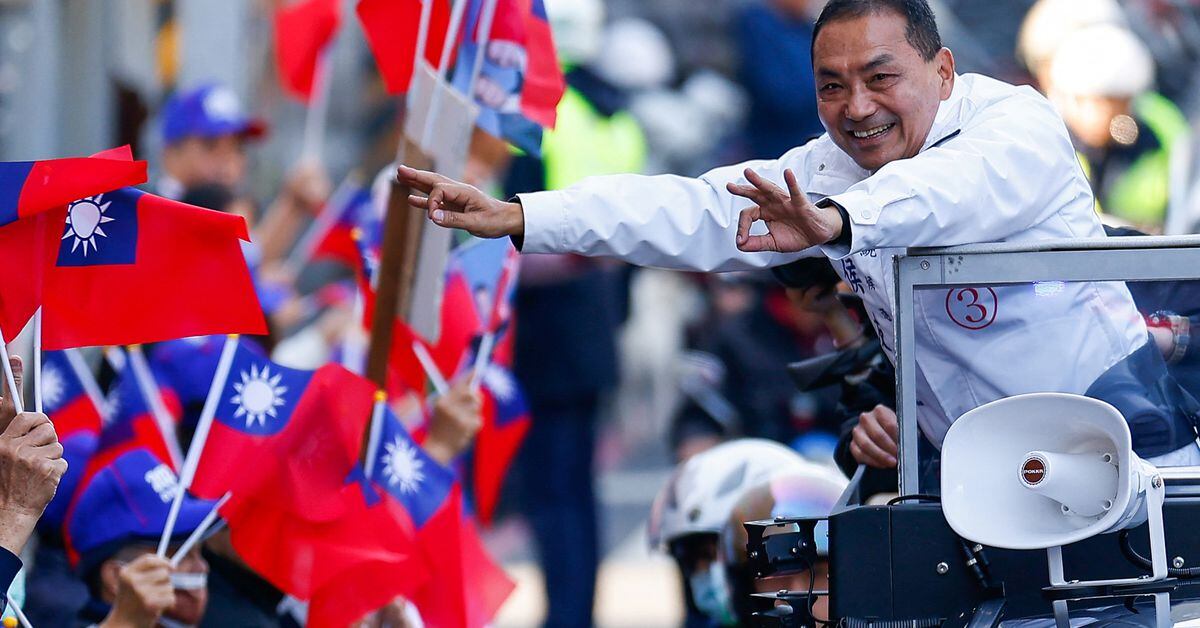
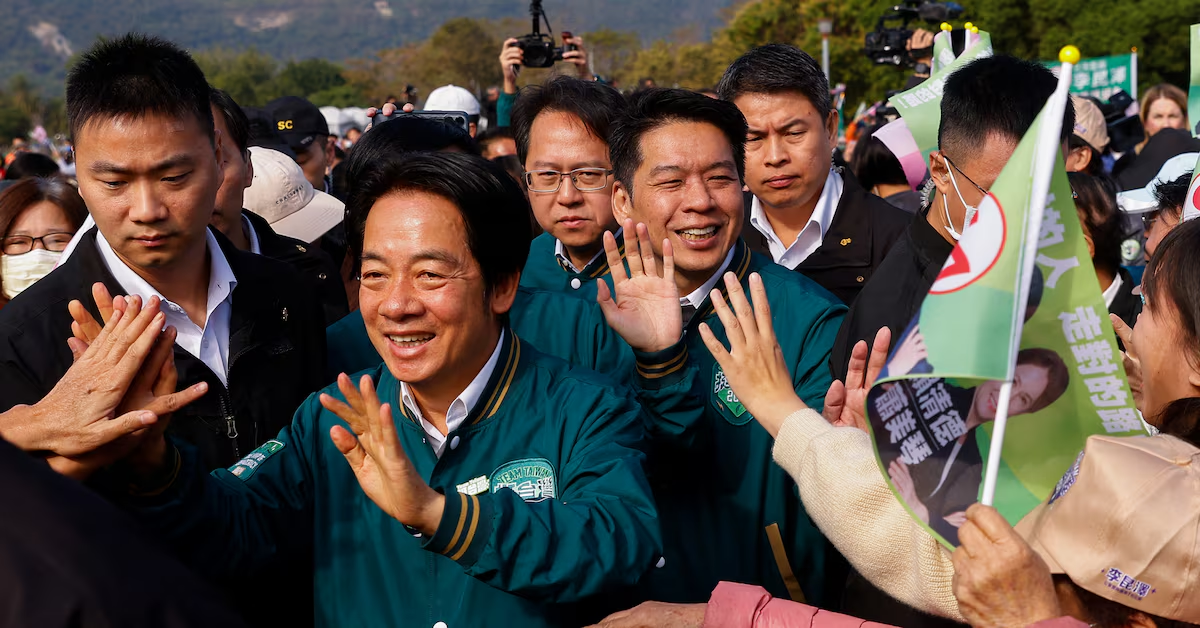
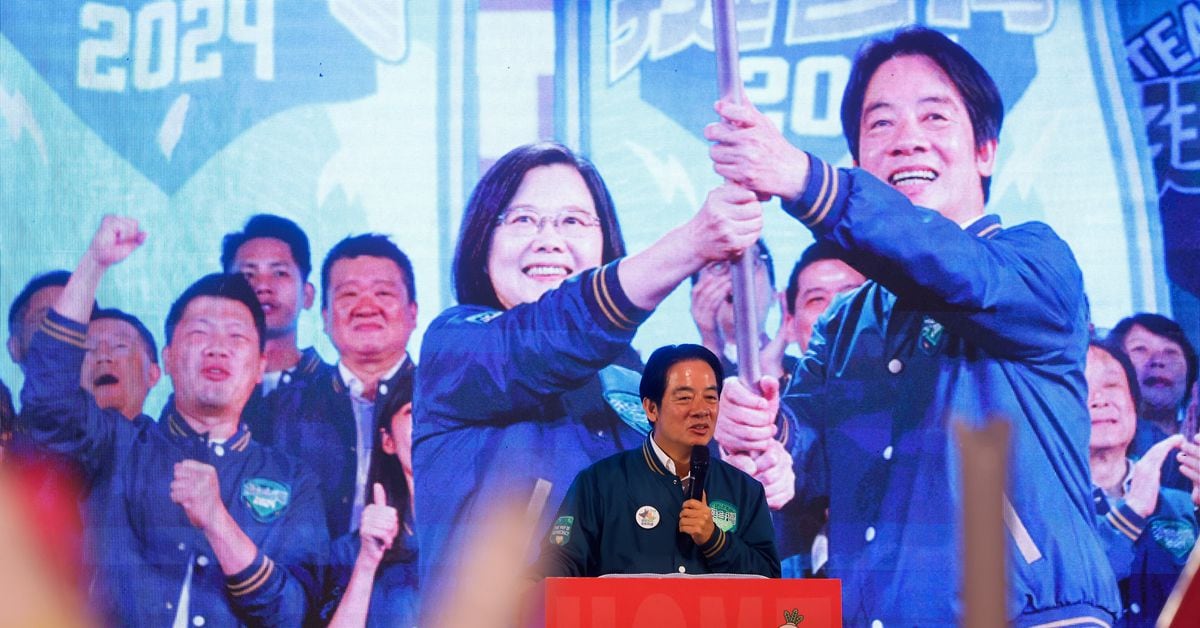
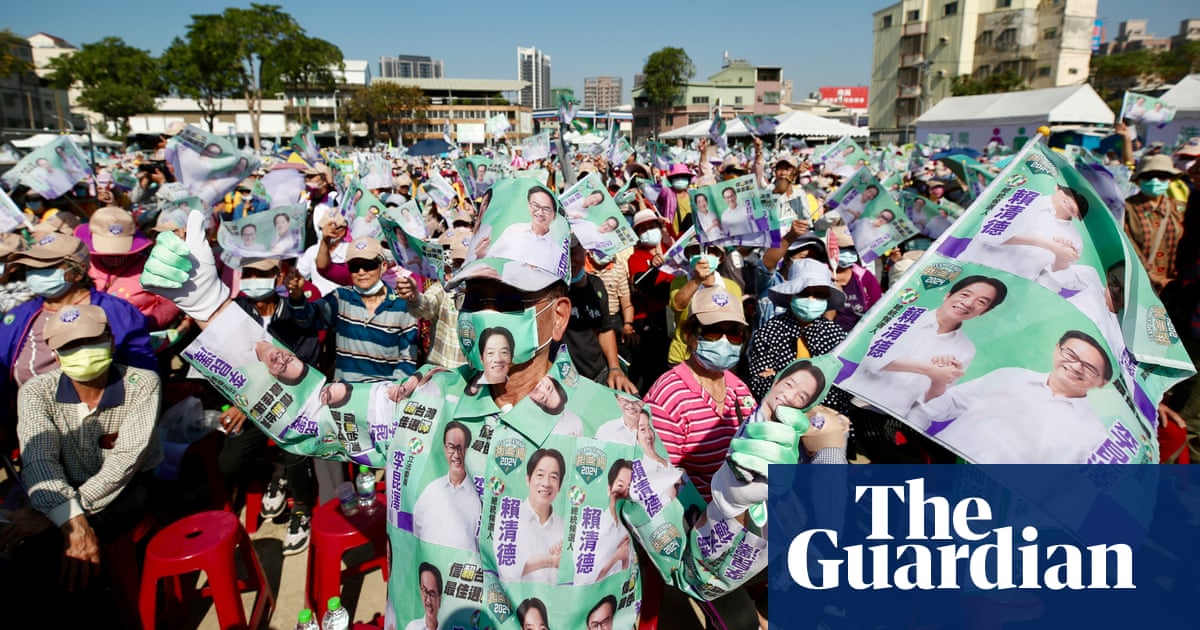
Taiwan is set to elect a new president on January 13, with the outcome poised to impact the already tense relations between Taiwan, China, and the United States. The leading candidate, William Lai of the Democratic Progressive Party (DPP), aims to maintain the status quo, opposing the "1992 Consensus" and promoting closer ties with the U.S. and other democracies. His main opponent, Hou Yu-ih of the Kuomintang (KMT), favors better communication and trade with China. Beijing, preferring the KMT, warns of consequences if the DPP wins, while the U.S. watches closely due to potential involvement in any conflict. The election is framed as a choice between war and peace, with Taiwan's future and regional stability at stake.
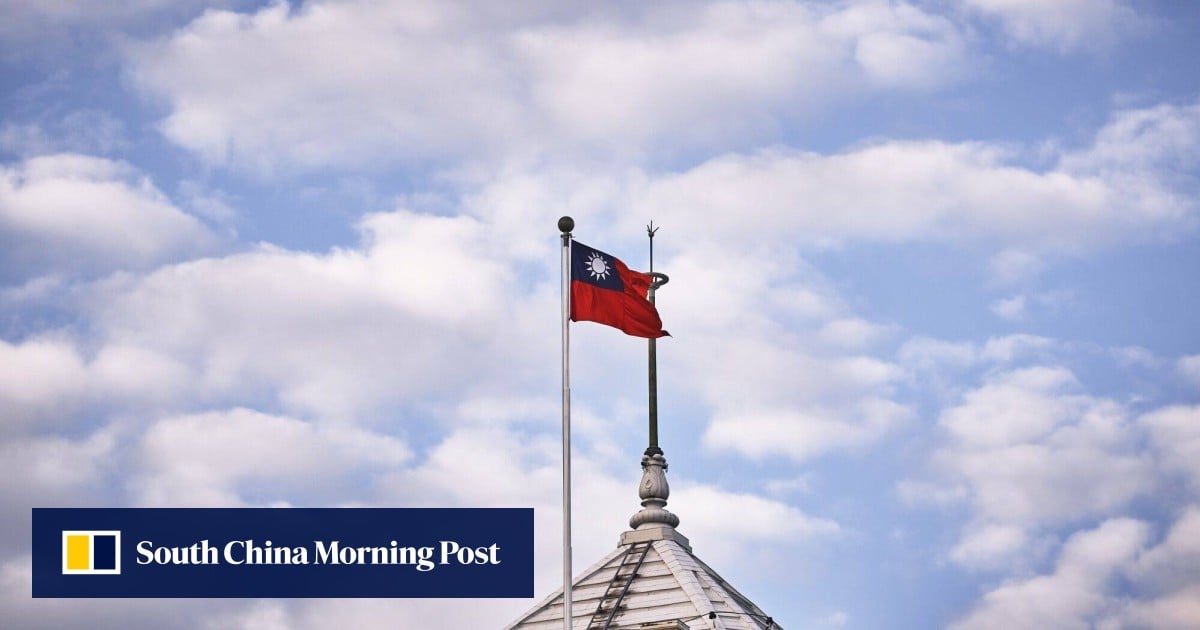
Taiwan's upcoming presidential election is a pivotal event with global implications, particularly concerning the island's relationship with China. The election features candidates with differing views on managing Taiwan's autonomy and economic ties with China. China's aggressive stance on reunification, including military and economic pressure, has heightened tensions and drawn international concern, with potential global economic and security repercussions. The election's outcome will influence not only Taiwan's future but also the broader geopolitical landscape, especially considering the strategic interests of the United States and other countries in maintaining stability in the region.
As Taiwan's general elections approach, the Taiwanese defence ministry has reported 17 balloons crossing from mainland China into Taiwanese airspace since early December, with daily occurrences since New Year's Day. These incidents are seen as a form of "grey-zone attack" and "cognitive warfare" by Beijing to influence Taiwanese morale and potentially interfere with the elections. The median line, an unofficial border tacitly respected for decades, has been increasingly violated by the PLA since 2019. The US has been urged not to interfere with the elections, and there is no evidence linking these balloons to a previous incident involving a Chinese balloon over the US.
Taiwan's upcoming presidential and parliamentary elections on January 13 pose a significant challenge for the Biden administration's efforts to stabilize relations with China. The ruling Democratic Progressive Party (DPP) candidate, branded as a separatist by China, could increase military pressure from Beijing if victorious, while a win for the opposition Kuomintang (KMT) party might raise concerns about Taiwan's commitment to defense spending due to their traditional stance of closer ties with China. U.S. officials maintain a neutral stance publicly but have developed relationships with both candidates, emphasizing the importance of defense and maintaining the status quo in the Taiwan Strait. The U.S. hopes for a free and fair election without foreign interference and is preparing for increased pressure on Taiwan from China regardless of the election outcome.
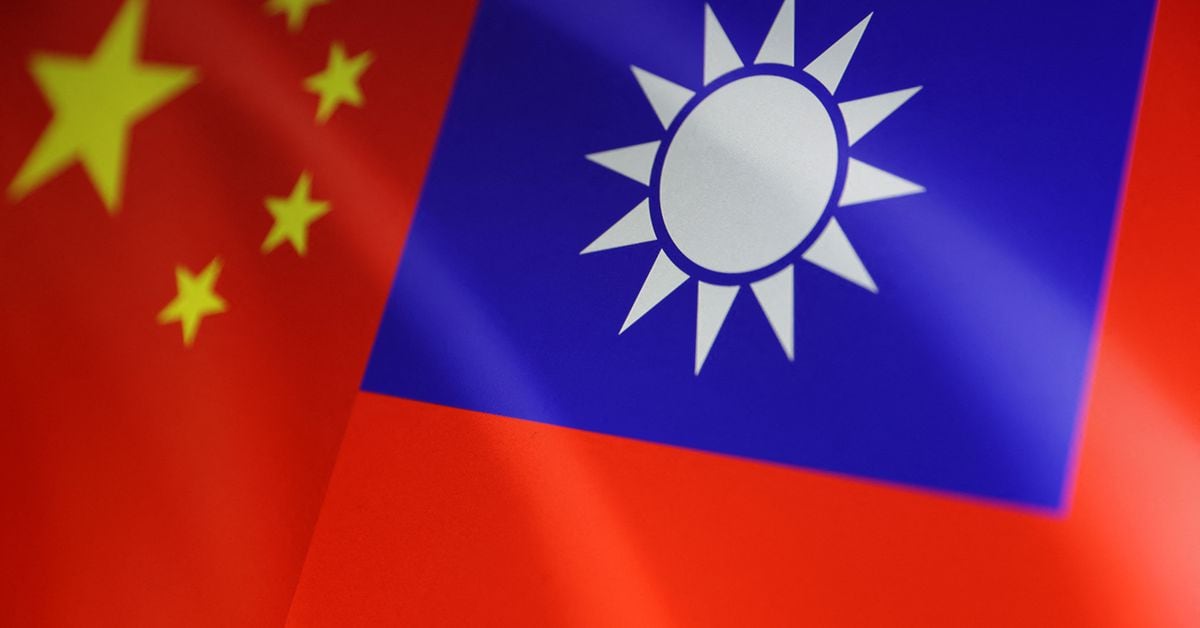
The head of China's Taiwan Affairs Office, Song Tao, urged the people of Taiwan to work towards "peaceful reunification" with China, aligning with President Xi Jinping's stance that reunification is inevitable. This appeal comes ahead of Taiwan's presidential and parliamentary elections on January 13. Taiwan's government and major political parties reject China's sovereignty claims, insisting that Taiwan's future can only be decided by its people. Despite not directly mentioning the upcoming elections, China has increased military pressure and economic threats as the vote approaches. China continues to advocate for the "one country, two systems" model, which lacks support from any major Taiwanese party.
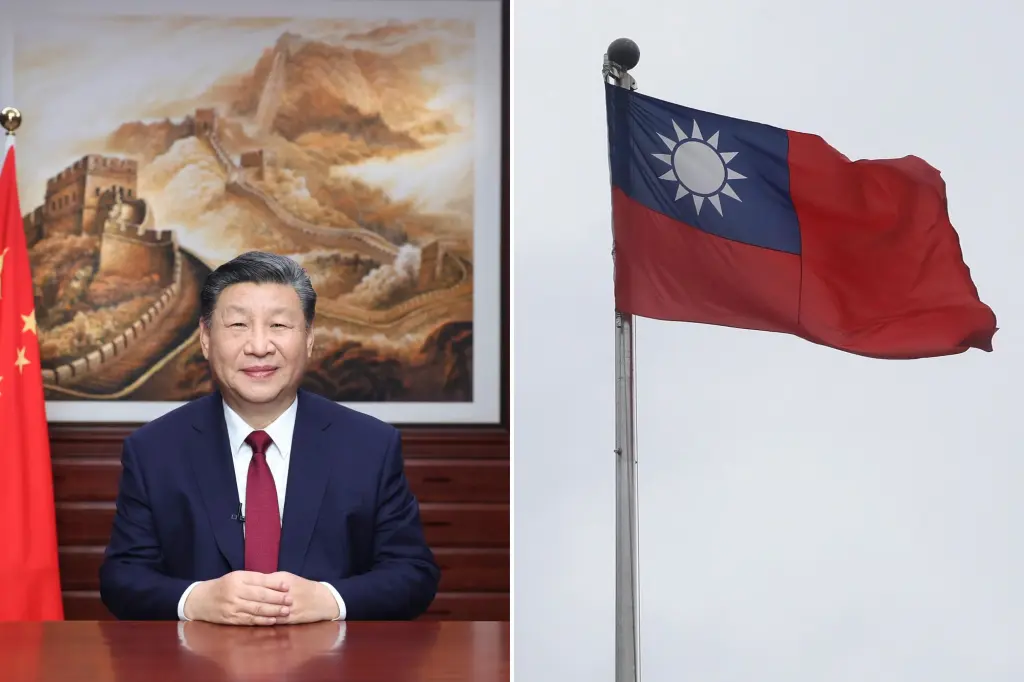
In his New Year's address, Chinese President Xi Jinping reiterated China's stance on Taiwan, stating that reunification is inevitable, amidst heightened tensions as Taiwan approaches its presidential and parliamentary elections on January 13. Beijing has labeled the Taiwanese presidential front-runner, William Lai, a "separatist" and a "destroyer of peace," accusing him of inciting conflict. Lai, defending Taiwan's democratic self-rule, insists on equality and dignity in any dialogue with Beijing. The elections are seen by China as a critical point that could either lead to war or peace in the region.
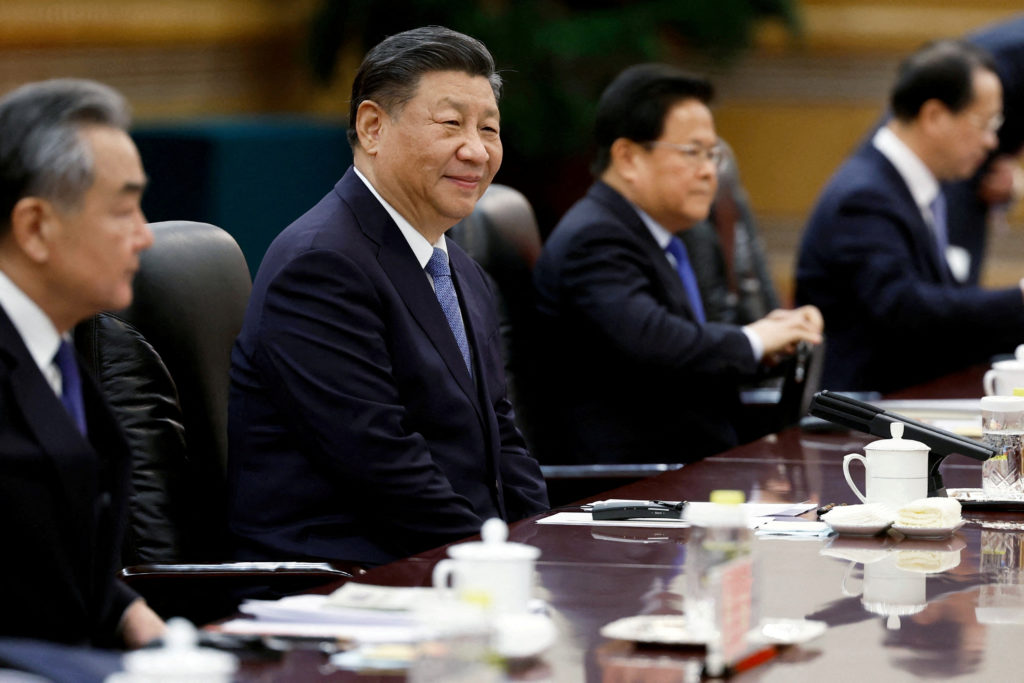
Chinese President Xi Jinping has reiterated his commitment to the "complete reunification" of China and Taiwan, stating that it is an "irresistible trend" and suggesting the use of force if necessary. This statement comes as Taiwan prepares for its upcoming elections on January 13, with polls indicating a preference for the independence-leaning candidate Lai Ching-te. Xi's comments underscore the ongoing tensions between China and Taiwan, especially in light of China's military exercises near Taiwan following US political visits in 2022.
China has labeled Taiwan's vice president and presidential frontrunner, Lai Ching-te, as "confrontational" and a "destroyer of peace" following his remarks on Taiwan's sovereignty during a presidential debate. The criticism comes amid heightened tensions and military pressure from Beijing, which claims sovereignty over the self-governed island. Lai, representing the Democratic Progressive Party (DPP), is leading in opinion polls and advocates for the decision of Taiwan's future to be in the hands of its people, a stance that has led to China's rebuff of dialogue offers from the current DPP-led government. The elections are set for January 13, with the DPP and its main opposition, the Kuomintang (KMT), both asserting Taiwan's autonomy from China.
Taiwan's Vice President and presidential candidate Lai Ching-te emphasized during a debate that Taiwan's sovereignty and independence are determined by its 23 million people, not China. The debate, which focused on relations with China and tensions in the Taiwan Strait, comes ahead of the January 13 presidential and parliamentary elections. Lai, who leads in opinion polls, is open to dialogue with China, despite China's view of him as a separatist. His main opponent, Hou Yu-ih, advocates for maintaining the status quo and peace with China while keeping close ties with the US. The third candidate, Ko Wen-je, prioritizes protecting Taiwan's political system and way of life in any engagement with China.
Taiwan is gearing up for a pivotal presidential election on January 13, with the outcome having significant implications for the island's future and its relations with China. The ruling Democratic Progressive Party (DPP) seeks to maintain the status quo and resist Beijing's claims over Taiwan, while the opposition Kuomintang (KMT) party promotes closer ties with China as a path to peace. A third candidate from the Taiwan People's party offers a "middle ground." The election comes amid heightened cross-strait tensions, with China not ruling out the use of force for reunification and Taiwan bolstering its civil defense in response to Chinese military exercises. The U.S. remains Taiwan's key ally, with the potential for a Chinese attack on Taiwan to have broader regional and global repercussions. Disinformation campaigns and influence operations are also at play as the election approaches.