Southeast Asia's online scam industry remains resilient despite high-profile arrests and crackdowns, due to its complex, adaptable infrastructure rooted in illegal casinos and trafficking networks that exploit forced and willing labor across multiple countries, making dismantling efforts challenging.
In Sweden, criminal networks are recruiting children as young as 12 through social media platforms, grooming them for violent acts like murder, with some children being manipulated into carrying out shootings within days to weeks of initial contact. Authorities have shut down channels like Telegram's Samurai Children, which facilitated these activities, highlighting a disturbing trend where social media glamorizes violence and fast money, leading to increased youth involvement in crime.
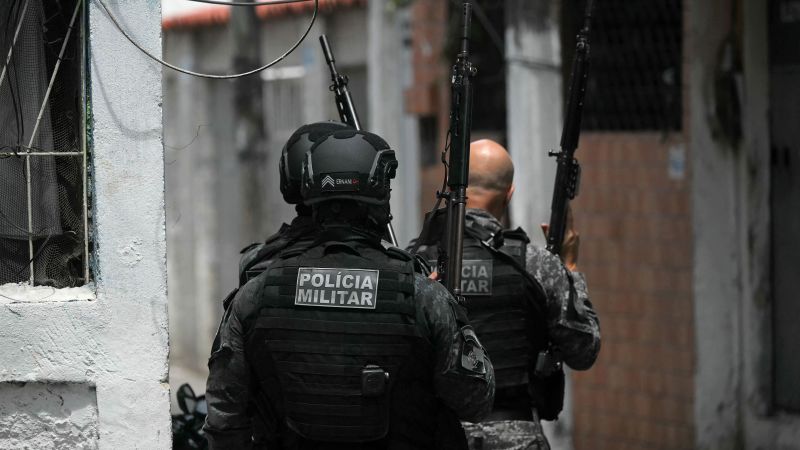
A massive police and military raid in Rio de Janeiro targeting the Red Command gang resulted in over 120 deaths, arrests, and seizures of weapons and drugs, highlighting Brazil's ongoing struggle with entrenched organized crime, community violence, and the complex social and political challenges involved in combating these criminal networks.
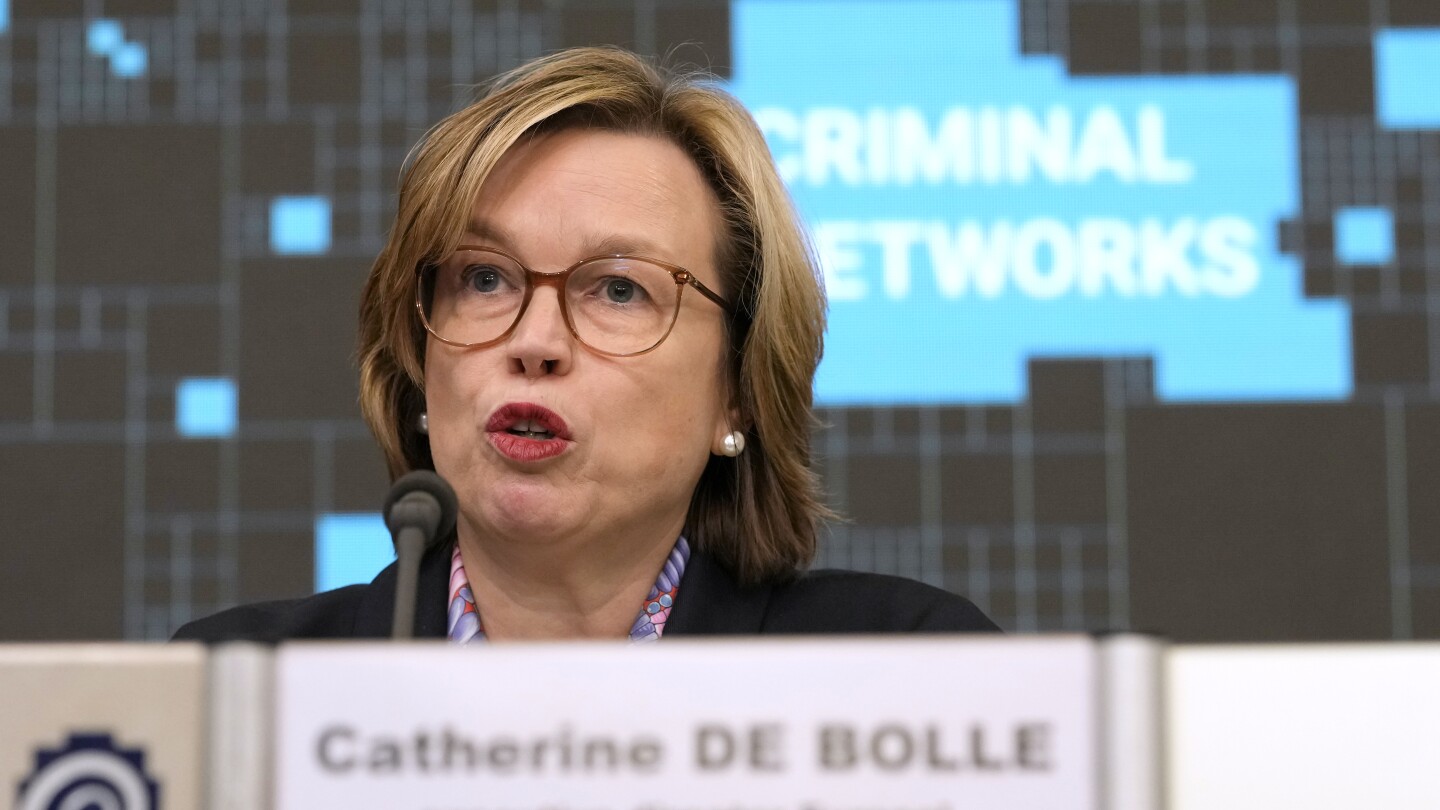
Europol's report reveals that criminal networks in the EU are infiltrating legal businesses and using corruption to hide their activities and launder profits, with drug trafficking and corruption being the main concerns. The networks, with members from 112 nationalities, are involved in various criminal activities, including drug and arms trafficking, tax fraud, and violence. The report aims to help law enforcement agencies in EU member countries better target these criminal organizations.
The theft of catalytic converters, which contain valuable metals, has become a billion-dollar epidemic, with stolen devices passing through middlemen, smelters, and refineries before being sold primarily to companies that make catalytic converters for automakers, as well as pharmaceutical companies, military contractors, and banks. The provenance of the stolen metal becomes opaque along the way, leaving beneficiaries with plausible deniability and little incentive to stop the thefts. Despite efforts to combat the problem, including dismantling criminal rings and introducing new laws, the thefts continue, causing financial losses and violence. The true scale of the crime is difficult to determine, but estimates suggest that about 6% of the 12 million catalytic converters recycled each year are believed to have been stolen.
The theft of catalytic converters, which contain valuable metals, has become a billion-dollar epidemic, with stolen devices passing through middlemen, smelters, and refineries before being blended with legitimate supplies and sold to various industries. The stolen metal is difficult to trace, leaving beneficiaries with plausible deniability. Banks and shadow bankers provide financing for processing the metals, while the thefts continue despite efforts to combat them. The article highlights the involvement of companies like Stillwater Mining, which paid over $170 million for stolen converters, and the role of enablers in the market. The thefts have led to violence, with shootouts and stabbings occurring, and the true scale of the crime is often underreported.
German police conducted raids across the country, resulting in the discovery of over 100 Syrian citizens suspected of being smuggled into Germany. The investigation involved more than 350 federal police officers executing arrest warrants and seizing evidence, including cell phones, sim cards, gold worth around 220,000 euros, and cash amounting to 16,000 euros. The suspects, who were already living in Germany as asylum-seekers, allegedly received payments of up to 7,000 euros from the migrants they smuggled. The raids highlight the exploitation of migrants by criminal networks seeking to profit from their desperate circumstances.