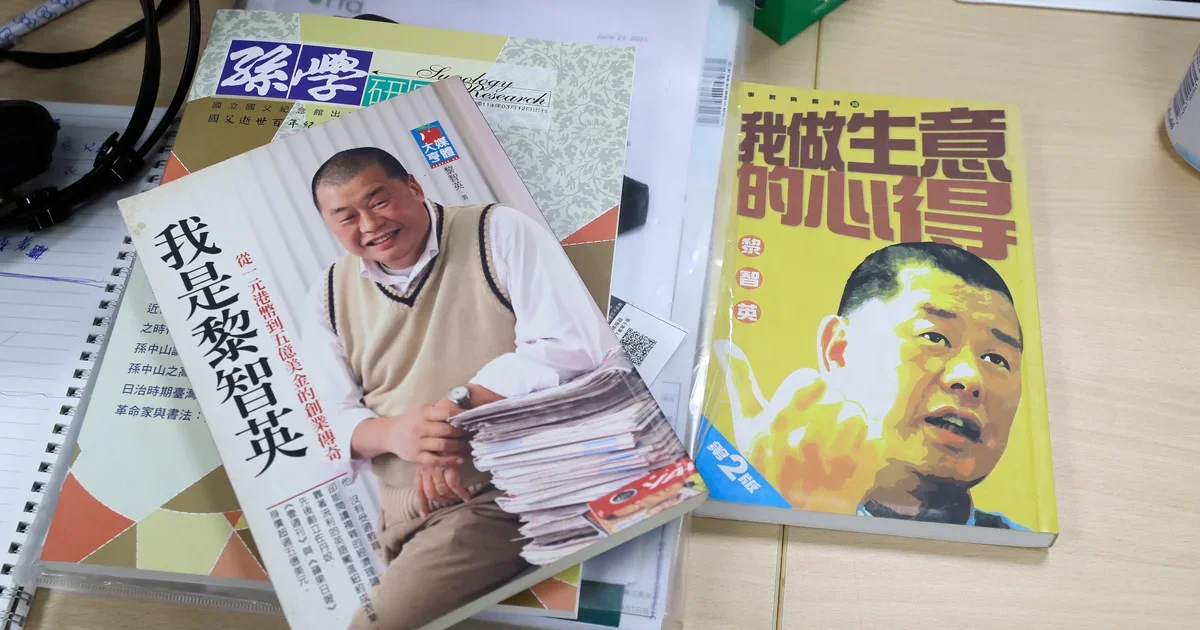
Hong Kong’s Court of Appeal reversed the fraud convictions against Jimmy Lai, ruling the alleged concealment and lease breach did not meet the fraud threshold; Lai still serves a 20-year sentence from a separate national security case, and the government may appeal the ruling.
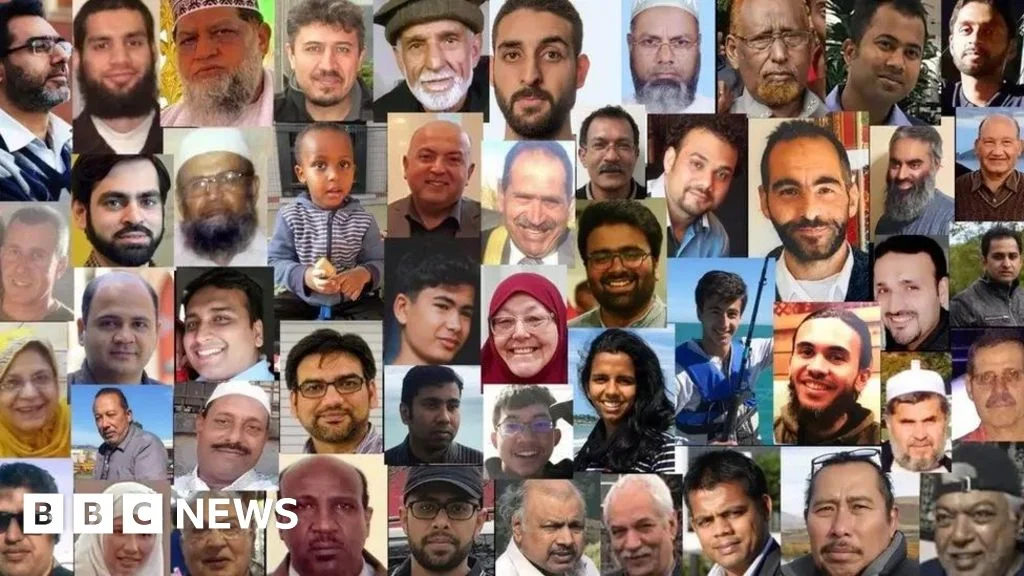
Australian Brenton Tarrant, who killed 51 people in the 2019 Christchurch mosque attack, has gone to New Zealand’s Court of Appeal to try to withdraw his guilty plea and challenge his life sentence. He argues prison conditions were so torturous and inhumane that he could not make rational decisions when he pleaded guilty a year after the attack, and he also seeks to appeal his sentence. The week-long hearing in Wellington will include video-linked testimony; if the court allows retracting the plea, the case could return to trial on all charges; otherwise another hearing would address the sentence appeal. Victims’ families, watching via delayed broadcast, describe reopening trauma, as the massacre—which spurred NZ gun-law reforms—continues to echo in the country.
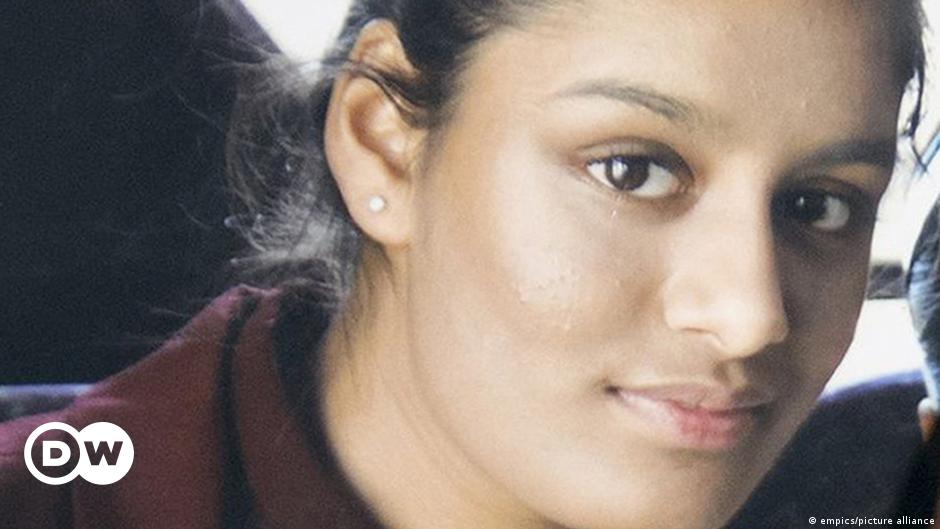
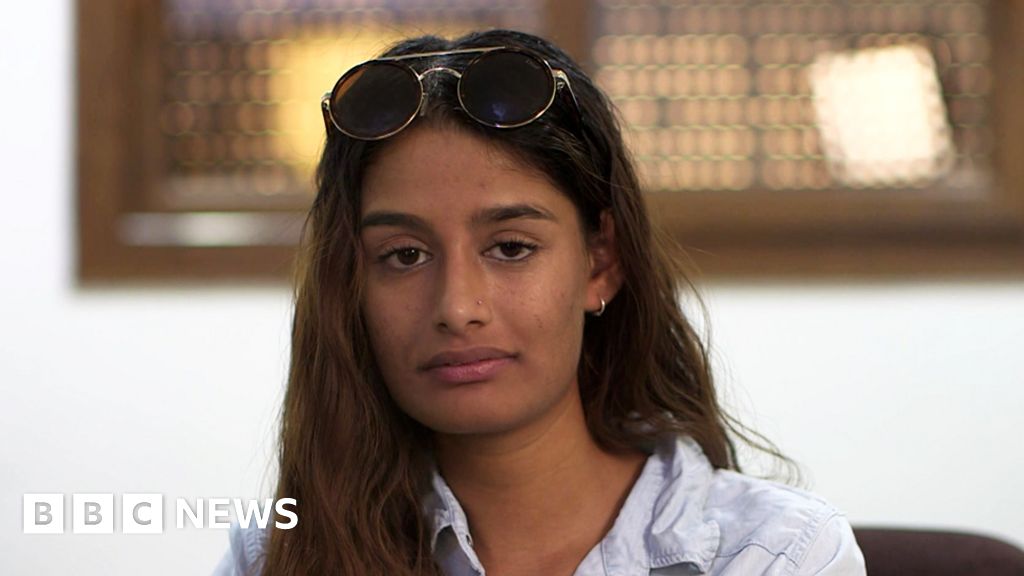
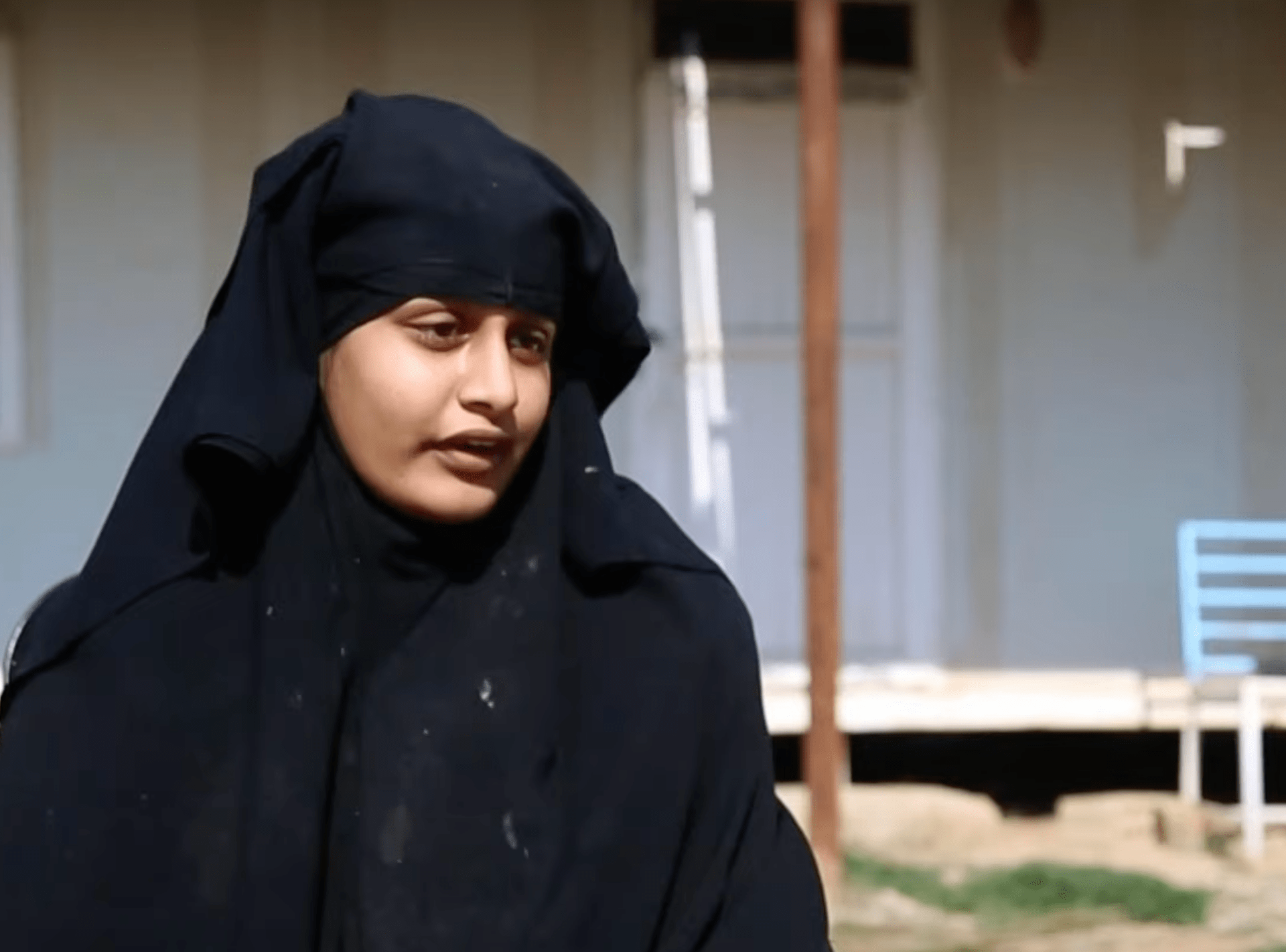
Shamima Begum, who joined the Islamic State group as a teenager, lost her appeal against the UK government's decision to revoke her citizenship. The Court of Appeal rejected all five arguments presented by Begum, stating that the deprivation decision was not unlawful. Despite the ruling, Begum can still take her case to the supreme court. Begum, who married an IS fighter and had three children, claimed she was left stateless by the UK government's decision, but a UK tribunal ruled that she was not stateless. She is one of hundreds of Europeans whose fate has challenged governments following the collapse of the Islamist extremists' self-styled caliphate in 2019.
Shamima Begum, who left the UK as a teenager to join the Islamic State group in Syria, lost her appeal against the British government's decision to revoke her citizenship. The Court of Appeal judges stated that it wasn't their role to determine the harshness of the decision, but rather to assess its lawfulness. Begum's legal team plans to continue fighting the decision, arguing that she should have been treated as a child trafficking victim. The British government claimed she could seek a Bangladeshi passport, but her family argued that she was from the UK and never held a Bangladeshi passport.
Shamima Begum, who left the UK as a teenager to join the Islamic State group in Syria, lost her appeal against the British government's decision to revoke her citizenship. The Court of Appeal judges stated that it wasn't their place to determine whether the decision was "harsh," but rather to assess its lawfulness. Begum's lawyer indicated plans for a further challenge, emphasizing the ongoing fight for her return to the UK. The British government claimed she could seek a Bangladeshi passport, while campaigners expressed disappointment over the ruling, citing concerns about the treatment of exploited children in such cases.
Shamima Begum, who left the UK at 15 to join ISIS, has lost her Court of Appeal challenge against the removal of her British citizenship. The decision was made by then-Home Secretary Sajid Javid in 2019, and Begum's newborn son died in a Syrian refugee camp the following month. The ruling does not necessarily signal the end of Begum’s legal battle, as there is potential for her lawyers to appeal again, particularly on grounds of being left stateless. Begum has made public appeals, insisting she is not a bad person and blaming her media portrayal for being viewed as a danger and a risk. Her lawyers argue she was a victim of child trafficking and that the decision rendered her stateless.
Shamima Begum, who left the UK at 15 to join the Islamic State group in Syria, has lost her Court of Appeal bid to regain her UK citizenship, meaning she must remain in Syria. The government stripped her citizenship in 2019 on national security grounds. The ruling, which could still be challenged in the Supreme Court, was unanimous. Begum's legal team expressed determination to continue fighting for her return to the UK. The judges dismissed all of her arguments, emphasizing national security as the key factor in the case.
Shamima Begum, who left the UK as a teenager to join ISIS in Syria, has lost her appeal to regain her British citizenship, leaving her effectively stateless. The Court of Appeal ruled that the decision to strip her of citizenship was lawful, stating that while it may be seen as harsh, Begum is "the author of her own misfortune." Begum's lawyers have the option to take the case to the Supreme Court. She now resides in a detention camp in Syria and is likely to remain there as she is unable to obtain citizenship from any country.
Shamima Begum, a British woman who joined the Islamic State in Syria as a schoolgirl, has lost her latest appeal over the removal of her British citizenship on national security grounds. The Court of Appeal in London rejected her appeal, which argued that the decision was unlawful, on Friday.
Shamima Begum, who left Britain to join Islamic State as a schoolgirl, has lost her appeal against the removal of her British citizenship. The court of appeal ruled that the then home secretary, Sajid Javid, had the power to set aside concerns about her being a victim of child trafficking when she traveled to Syria in 2015. The court also dismissed the argument that citizenship deprivation disproportionately affected British Muslims. Begum, now 24, is currently being held in indefinite detention in a refugee camp in Syria and her legal team has hinted at a possible appeal to the supreme court.
The Justice Department has appealed against a judge's refusal to ban the protest anthem "Glory to Hong Kong." The department has asked the Court of Appeal to review the judge's decision, stating that the move is in the interests of national security.
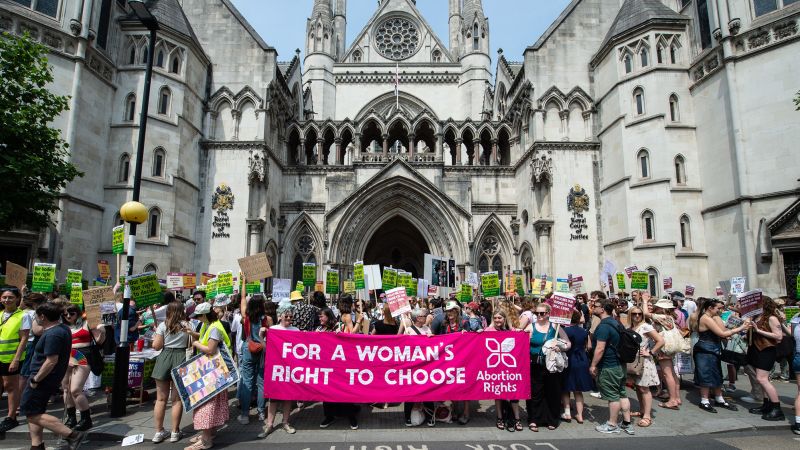
A British woman who was jailed for terminating her pregnancy after the legal limit in the UK has won her appeal and will be released from prison. The judge reduced her sentence and ordered her immediate release, citing the "length of gestation" and the need for compassion. The woman was sentenced under a Victorian-era law, sparking calls for the decriminalization of abortion in the country. Abortion is currently legal in the UK up to 24 weeks of pregnancy, but the case highlights the need for reform to prevent further unjust criminalization of women in similar situations.
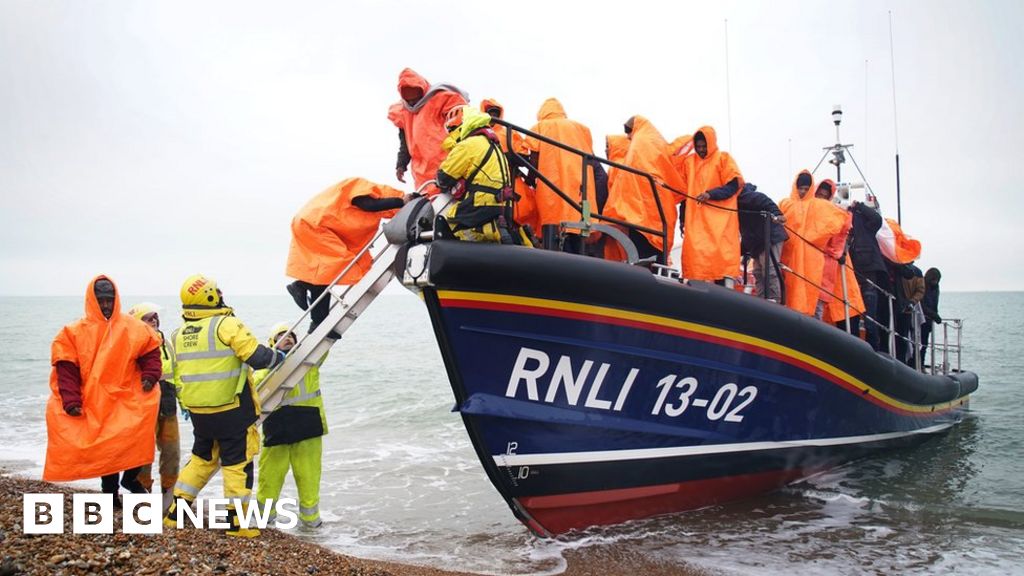
The Court of Appeal in the UK has ruled that the government has broken the law by claiming that Rwanda is a safe country for asylum seekers. The court found that Rwanda's asylum system is so poor that sending individuals there would breach their right not to be tortured or subjected to inhuman treatment. The government plans to appeal the decision to the Supreme Court, but it must first convince the judges to grant permission. The ruling has implications for the government's proposed Illegal Migration Bill, which would require the home secretary to send most asylum seekers who cross the English Channel to third countries. Time is running out as the case may not be considered until the end of the year or early 2024, potentially impacting a General Election.
The UK government's plan to send asylum seekers to Rwanda has been ruled unlawful by the Court of Appeal. The court found that there are deficiencies in the Rwandan asylum system that pose a real risk of asylum seekers being returned to their home countries where they face persecution or inhumane treatment. The ruling is seen as a victory for campaigners and asylum seekers, who argued that Rwanda is not a safe third country. The government's policy, which aimed to deter small boat crossings, has been criticized as immoral, ineffective, and costly. The Home Secretary has been urged to focus on fixing the UK's broken migration system instead.