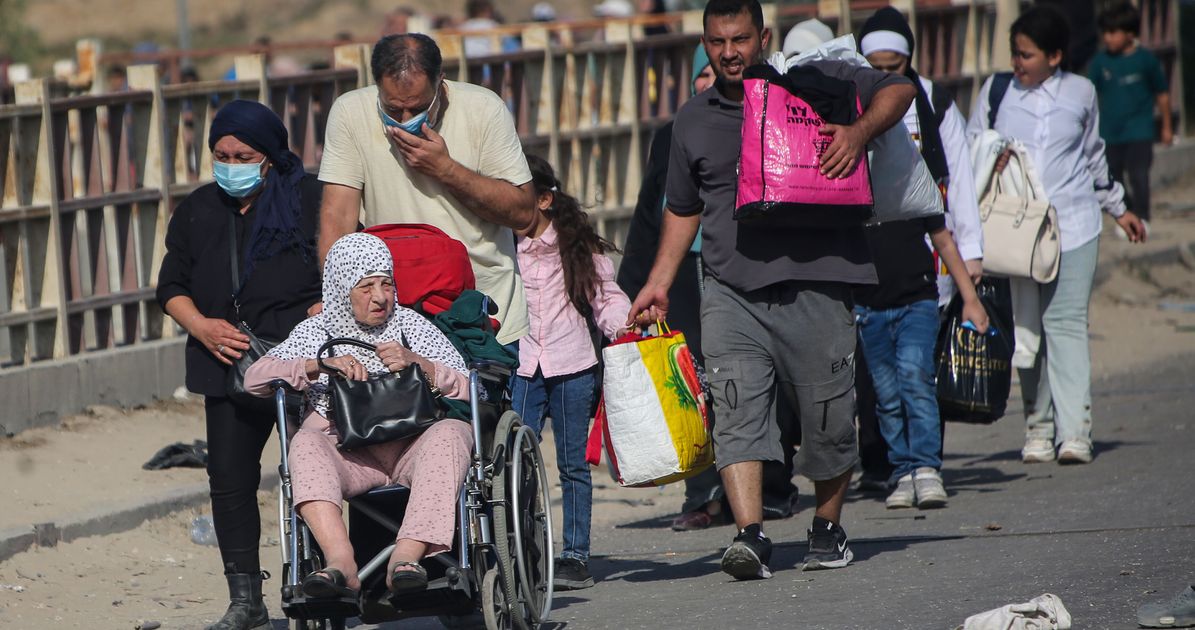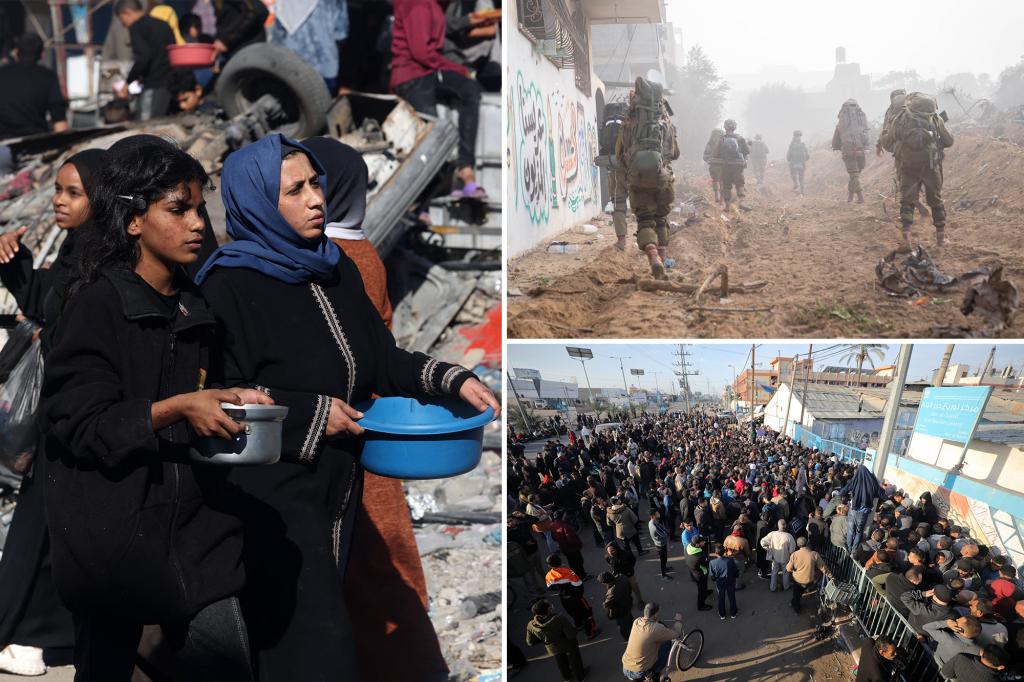
Hunger is worsening among Palestinians in Gaza as the United Nations General Assembly prepares to vote on a ceasefire resolution. The ongoing conflict between Israel and Hamas has resulted in hundreds of civilian deaths, with most of Gaza's population displaced and struggling to find food and refuge. The UN World Food Programme has reported that half of the population is starving. The General Assembly resolution, although not binding, carries political weight and reflects global views. The US, which vetoed a Security Council resolution for a ceasefire, did not send a representative on a recent visit to the Rafah border crossing with Gaza. The vote is expected to garner greater support than the previous call for a humanitarian truce.
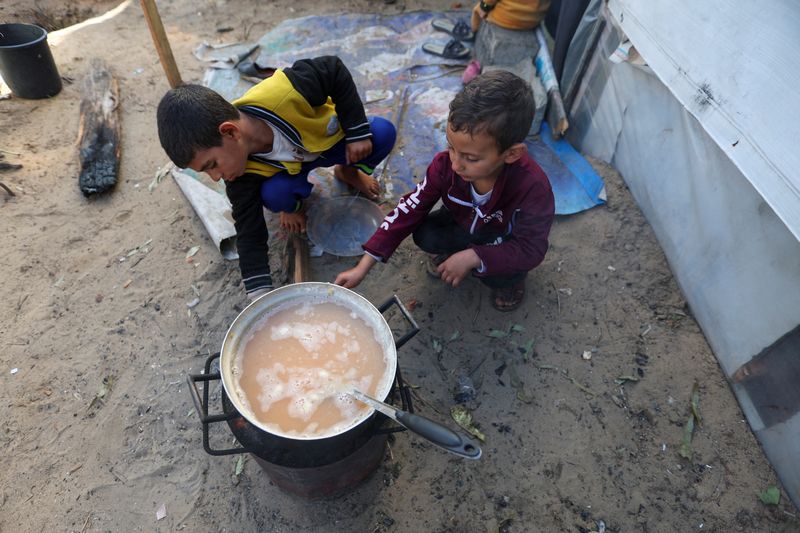
As the conflict between Israel and Hamas continues to escalate, Palestinians in Gaza are facing a worsening humanitarian crisis, with hunger spreading among the civilian population. The United Nations Relief and Works Agency (UNRWA) has warned of a breakdown in social order, and there are fears of a mass exodus into Egypt. Aid agencies have reported desperate attacks on aid trucks and sky-high prices, with half of the population said to be starving. Israel denies accusations that it is pushing Palestinians into Egypt and claims it is defending itself from Hamas, which it accuses of using civilians as human shields.
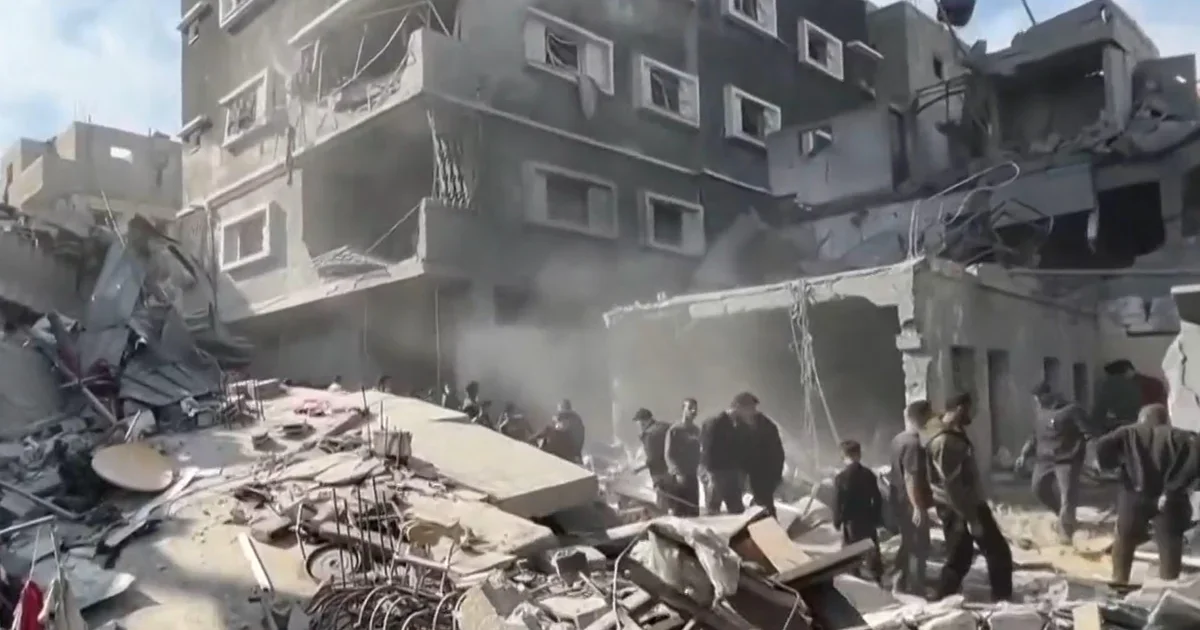
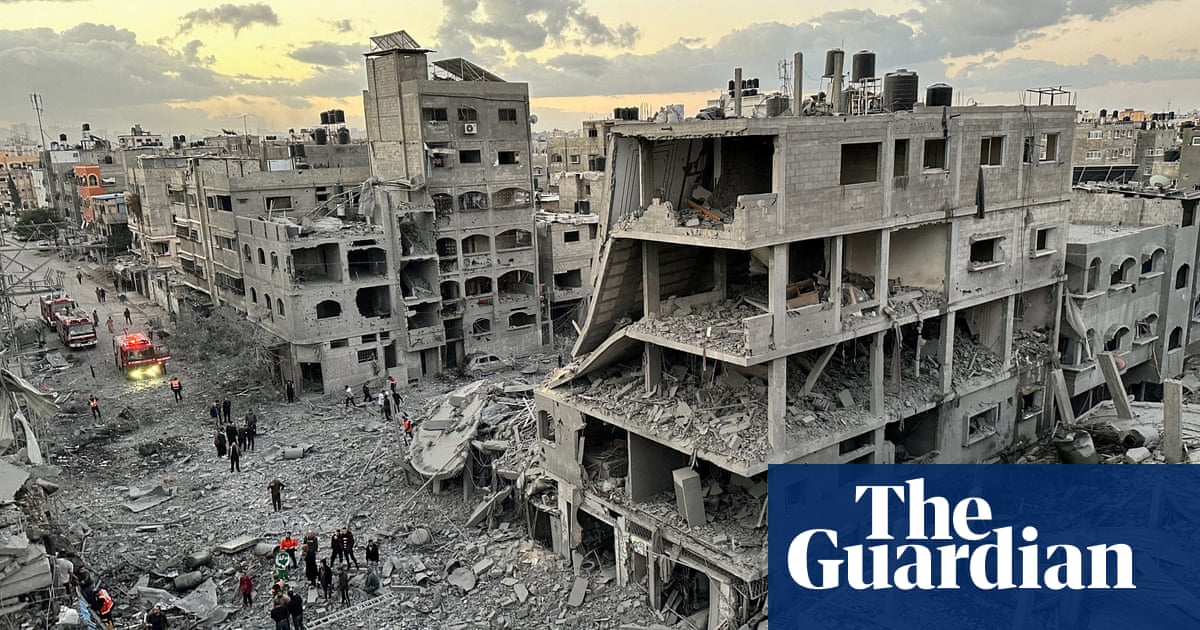
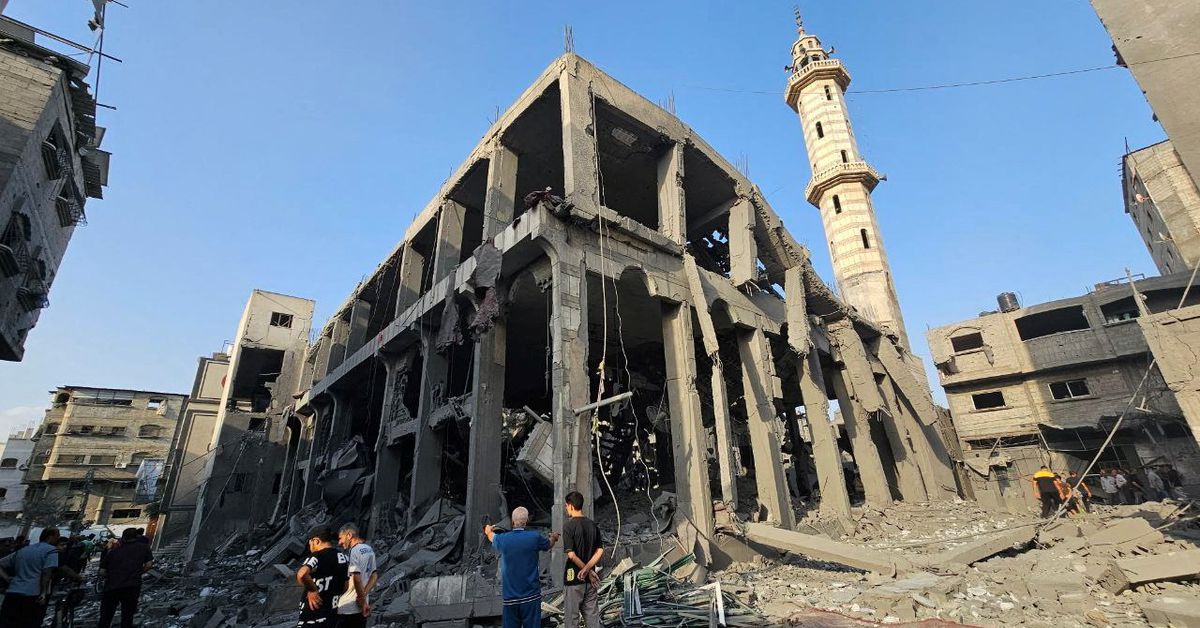
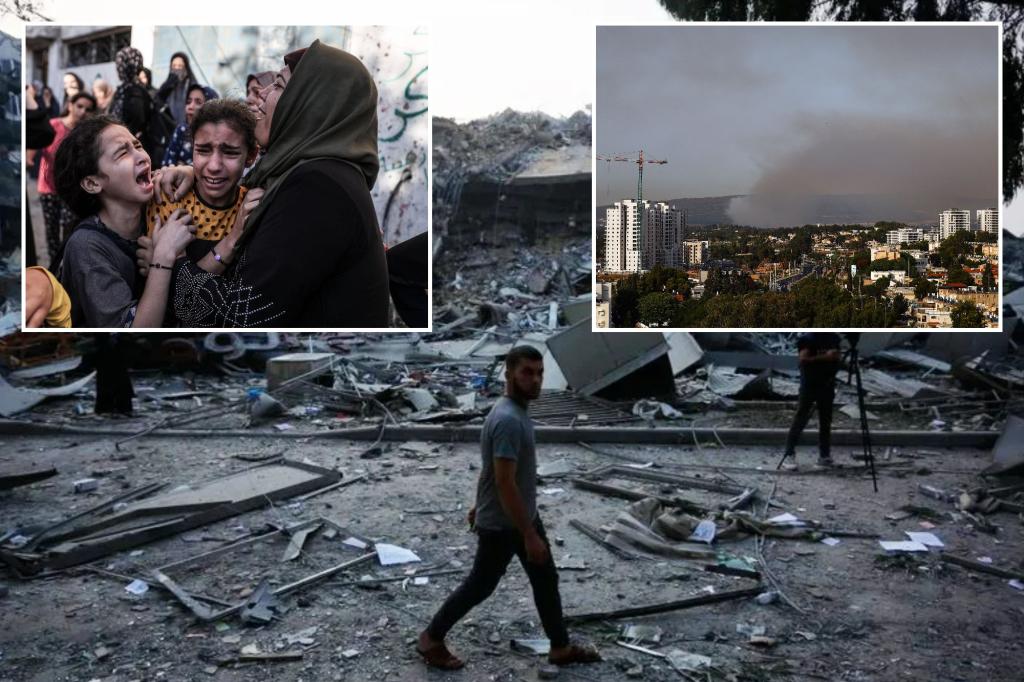
Israel has launched airstrikes on Khan Younis in its ongoing attacks against Hamas, exacerbating the already dire humanitarian crisis in Gaza, where civilians are facing severe food and water shortages.
The World Food Programme (WFP) has warned of a "catastrophic hunger crisis" intensifying in Gaza as Israeli military operations escalate. The WFP called for a resumption of the ceasefire between Israel and Hamas that broke down last week, as the renewed fighting makes the distribution of aid almost impossible and endangers the lives of humanitarian workers. The WFP reached approximately 250,000 people in just one week during the previous ceasefire, but this progress is now being lost. The United States has also called for Israel to allow more fuel and humanitarian aid into Gaza, as conditions in the south of the territory worsen.
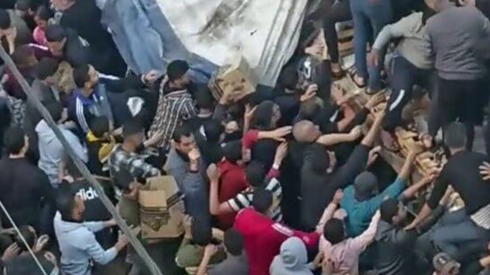
Continued looting of aid trucks entering the Gaza Strip by southern Gaza residents has resulted in little food and medicine reaching the north. The ongoing fighting in Gaza has made it difficult for trucks to distribute aid to central and northern areas. The United Nations Relief and Works Agency (UNRWA) has warned of chaos spreading in the Strip, with warehouses and distribution centers being looted. Saudi Arabia, Qatar, and the UAE have provided humanitarian assistance, but the situation remains dire for the Palestinian residents.
Aid agencies have welcomed the two-day extension of the truce in Gaza but are concerned about the potential resumption of Israel's attack on Hamas, which could worsen the humanitarian crisis among Palestinians. The agencies fear that the crowded south of the strip, where approximately 2 million people are living, will be heavily impacted. There are concerns about population displacement and shortages of water, food, and other necessities. Aid organizations have been able to provide some relief aid during the truce but face challenges in operating effectively on short timeframes. The UN relief agency has stated that the amounts of cooking gas delivered to Gaza are insufficient to meet the population's needs.
The humanitarian crisis in Gaza is worsening as the Israeli offensive continues, despite claims by Israel and the US that civilian protection is a priority. The US is leading talks to get aid supplies into Gaza through the Rafah Crossing, but data shows that the number of trucks entering Gaza falls short of the daily goal of 100. Nearly 70% of Gaza's population has been internally displaced, with overcrowded shelters, scarcity of basic necessities, and a growing public health crisis. Gazans fear losing their homes and communities, as Israel imposes strict limits on construction supplies entering Gaza. The Biden administration's mixed messaging and lack of strategic planning for reconstruction after the conflict is causing concern. The US needs to push for a UN mechanism to vet supplies for Gaza and advocate for Israel to follow international humanitarian law. Failure to do so could have dire consequences beyond Gaza, including potential radicalization and threats to US counterterrorism efforts.
Israel's military has warned Gaza residents that they risk being identified as accomplices "in a terrorist organisation" if they do not move south, amid growing humanitarian fears with little aid being allowed in. Relief agencies warn of a humanitarian catastrophe, with hospitals nearly out of fuel to power critical equipment. Israeli forces have pummeled the strip since Hamas militants rampaged through Israeli towns, killing over 1,400 people. Aid has started to arrive, but the situation remains dire, with a fuel shortage and limited supplies.
The United Nations Agency for Palestinian Refugees (UNRWA) reported that 29 of its staffers, including many teachers, have been killed in Israel's war on Hamas in Gaza. The agency also warned that humanitarian supplies and fuel are set to run out in just three days, which would lead to a humanitarian disaster for the more than half a million people it serves. Israel has imposed an embargo on fuel until Hamas releases the estimated 210 hostages it holds, but has allowed water, food, and medical supplies to be delivered. Aid organizations have criticized recent deliveries as insufficient to meet Gaza's needs. Meanwhile, the UNRWA is facing criticism from US Republican senators seeking to strip its US funding over allegations of inciting violence and ignoring terrorist activities.
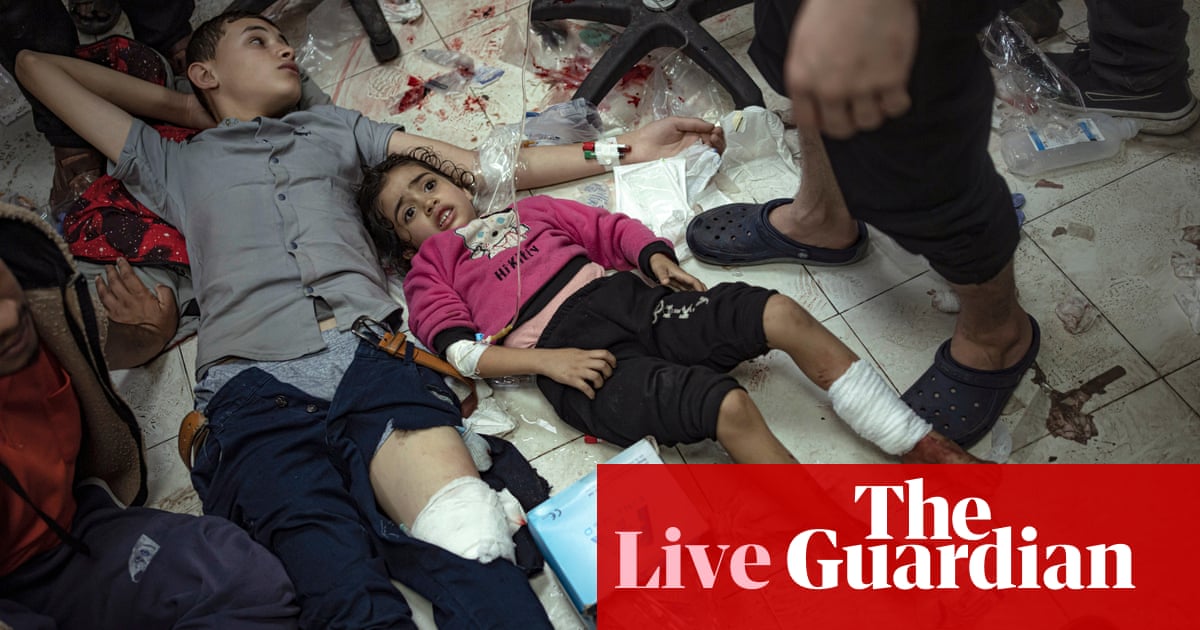
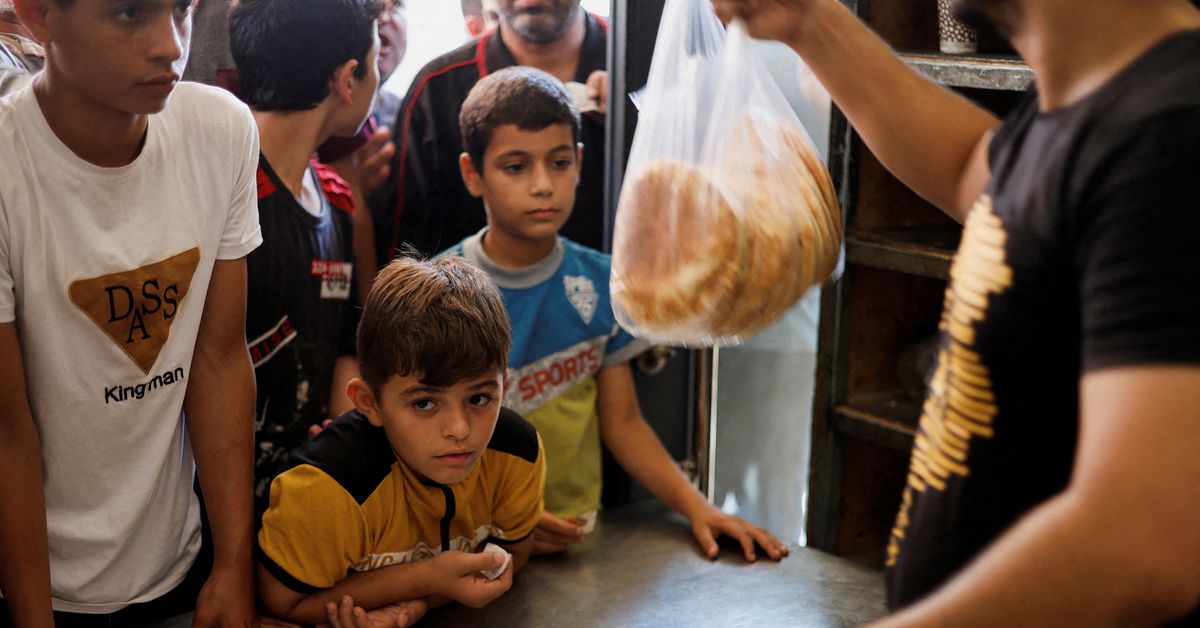
As Israel continues its bombardment of Gaza, bakeries are running out of bread, drinking water is scarce, and power outages are leaving families without charged phones to check on the safety of their fleeing relatives. The influx of people fleeing the north for the south has strained already limited resources, prompting the United Nations to call for Israel to avert a humanitarian catastrophe. Israel has imposed a total blockade, halting food supplies and cutting electricity to Gaza, leading to shortages in shops. The Gaza authorities have reported numerous casualties and injuries, while hospitals are struggling to cope with limited medical supplies and fuel. The UN refugee agency has appealed for the siege on humanitarian assistance to be lifted, emphasizing the urgent need for fuel to provide safe drinking water.
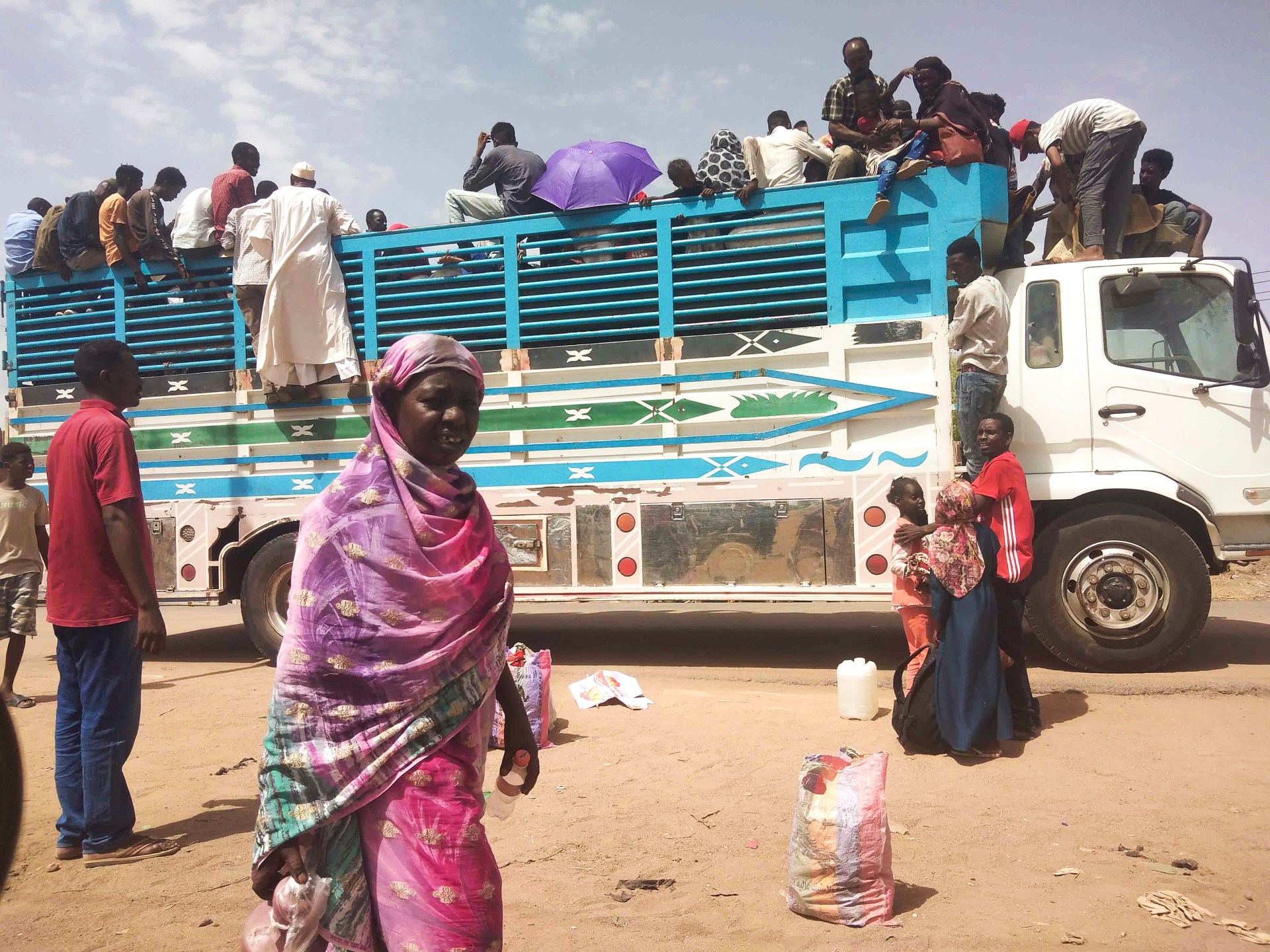
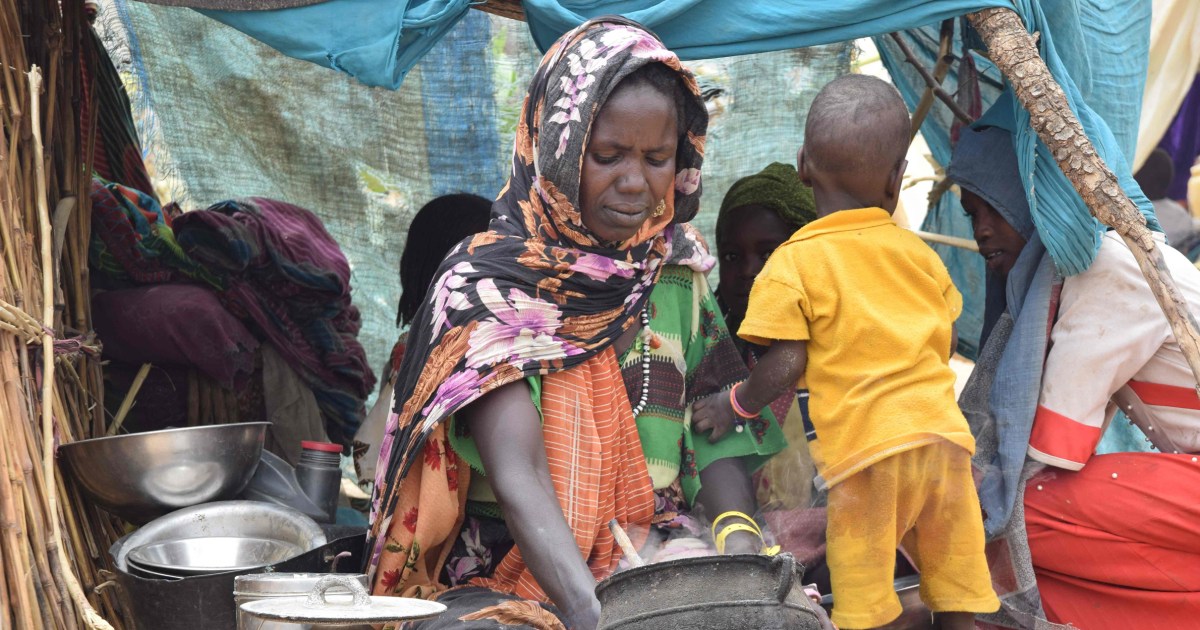
The United Nations has warned that the conflict in Sudan is fueling a humanitarian crisis of "epic proportions," with hundreds of thousands of malnourished children at risk of dying. The war and hunger are threatening to consume the entire country, with concerns about the safety of civilians in the breadbasket region of Gezira state. Over 4.6 million people have been displaced since the fighting broke out in April, and food stocks have been depleted in some areas. General Abdel Fattah al-Burhan, who commands the Sudanese army, is set to visit Egypt and Saudi Arabia to discuss the war and prospects for peace.
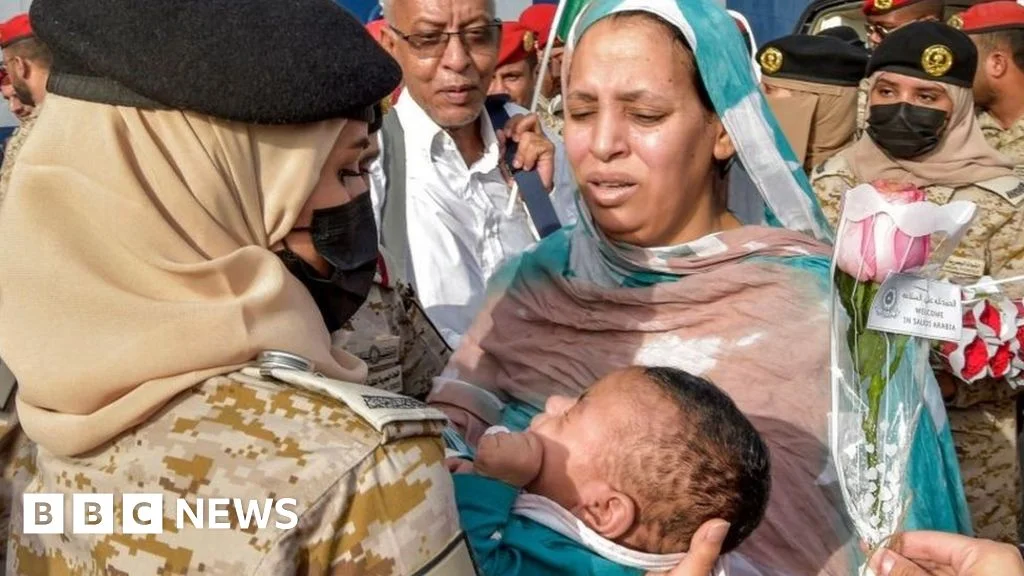
The United Nations has warned that the ongoing conflict in Sudan could force 800,000 people to flee the country, as battles between rival military factions persist in the capital despite a supposed ceasefire. The crisis has unleashed a humanitarian disaster, damaged swathes of Khartoum, risked drawing in regional powers and reignited conflict in the Darfur region. The UN's refugee agency is planning for an exodus of 815,000 people including 580,000 Sudanese as well as foreign refugees now living in the country. At least 528 people have been killed and 4,599 wounded, and foreign governments have pulled out their citizens over the past week in air, sea and land operations.
More than 100,000 people have fled Sudan since heavy fighting broke out between rival forces on 15 April, with a further 334,000 displaced within Sudan. Officials have warned of a "full-blown catastrophe" if fighting does not end. Talks are set to take place between the army and the paramilitary Rapid Support Forces (RSF) to negotiate a "stable and reliable" ceasefire. The conflict has worsened the humanitarian crisis in Sudan, with food, water, and electricity running out in Khartoum, and aid supplies being warehoused due to violence. Health facilities have also come under attack, with some being used as military bases.
A new three-day ceasefire brokered by the US and Saudi Arabia in Sudan has been shaken by fighting, as aid agencies raise alarm over the humanitarian situation in the country. Multiple aid agencies have had to suspend operations and dozens of hospitals have been forced to shut down. The UN refugee agency said it was gearing up for potentially tens of thousands of people fleeing into neighbouring countries. Calls for negotiations to end the crisis in Africa’s third-largest nation have been ignored.