Tag

Computer History

All articles tagged with #computer history

technology1 year ago

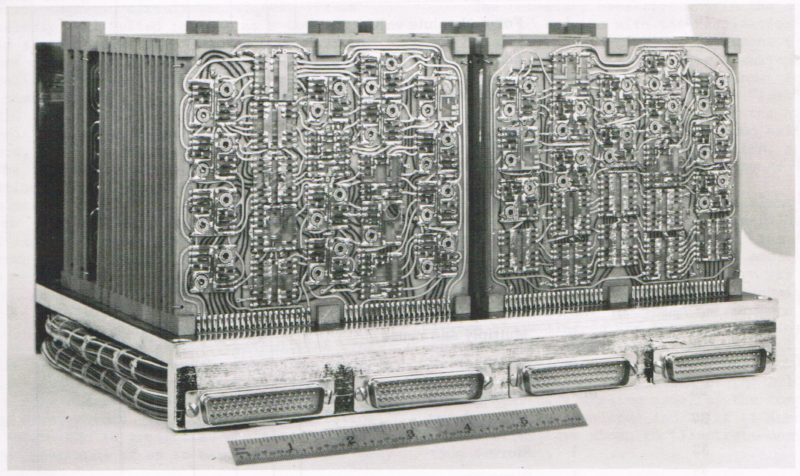
Unraveling the Mystery of the Transfluxor

The transfluxor was the heart of a 20-pound transistor computer from Arma in 1962, which was considered "micro" for its time. It utilized serial processing and DTL logic to reduce size and handle shock, temperature, humidity, and vacuum. The transfluxor itself was a special type of core memory that allowed reading without destroying stored data. Despite its slow 1 MHz clock, the computer could perform powerful operations like multiplication, division, and square roots.

technology1 year ago

"Rare Discovery: World's First Desktop PCs Unearthed in London House Clearance"

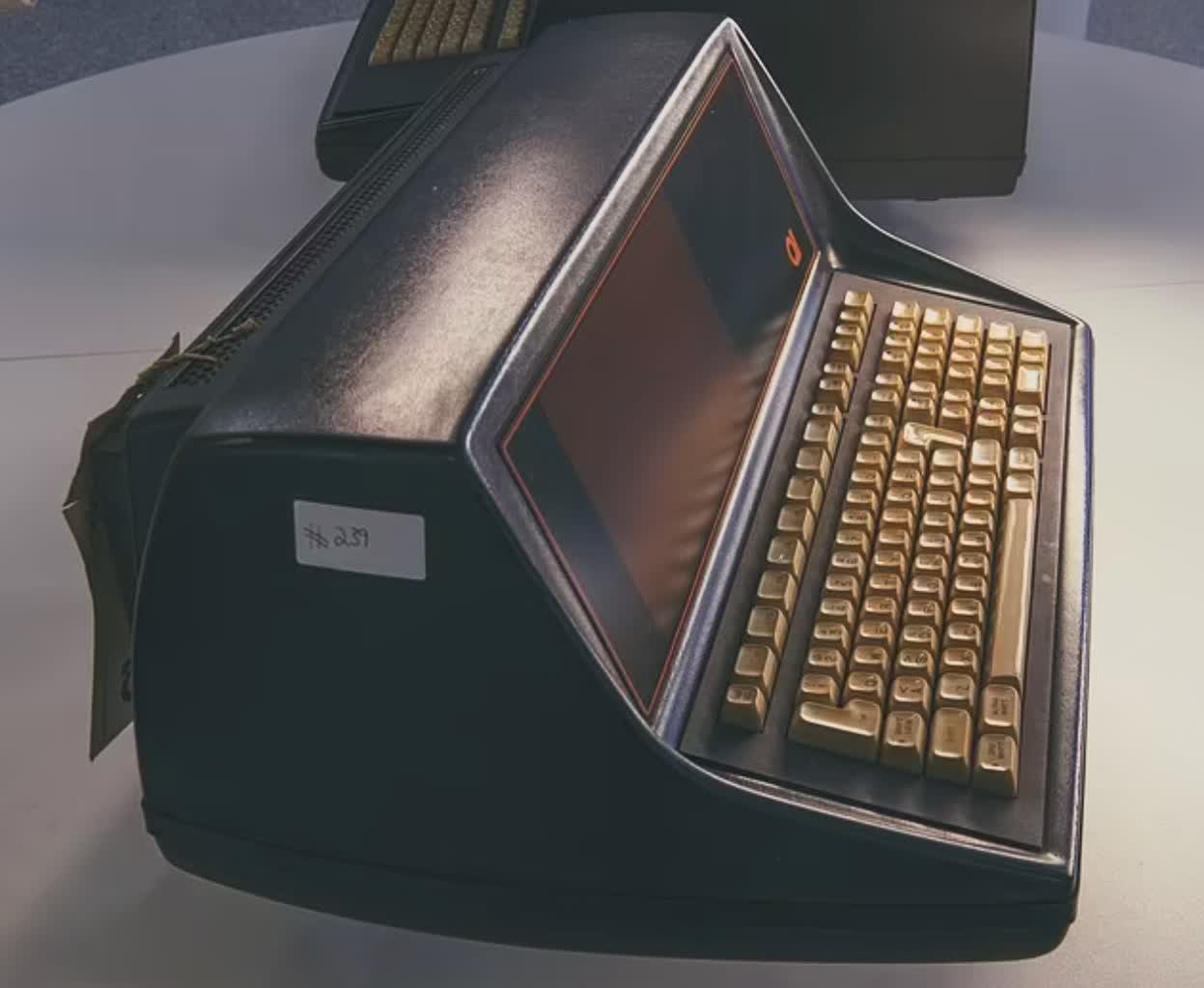
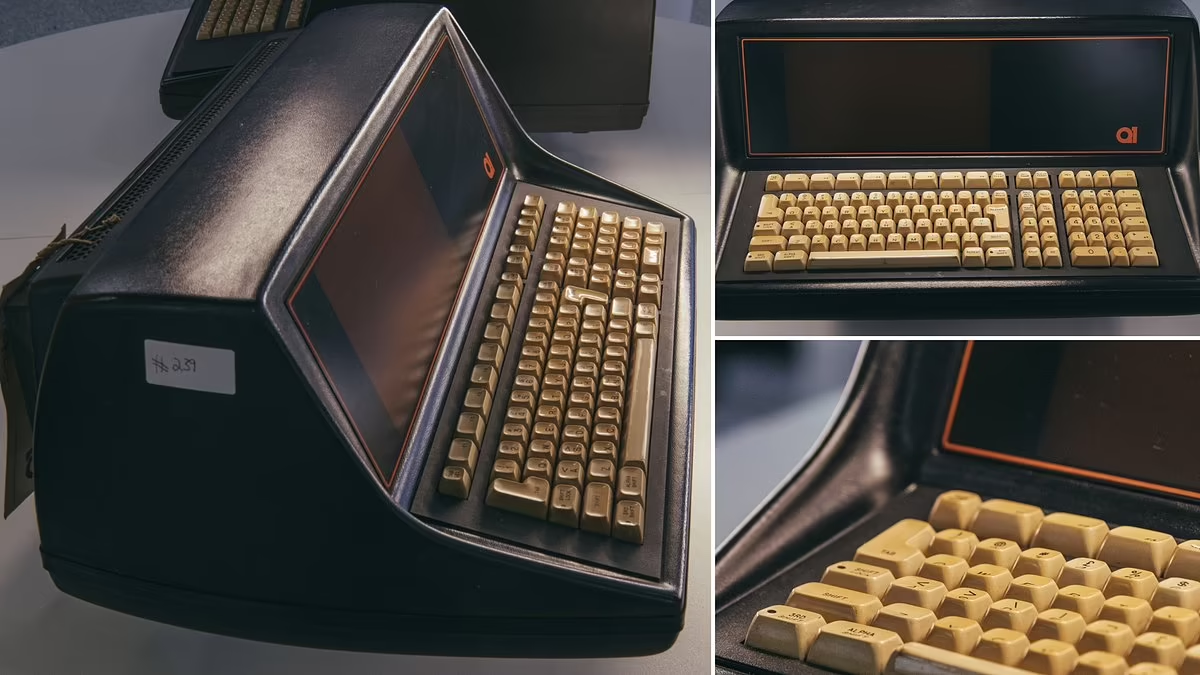
Two of the world's first desktop PCs, the Q1 PC, were discovered during a routine house cleaning in London. These computers, released in the early 1970s and featuring a fully integrated single-chip microprocessor, are extremely rare, with only three known to exist today. The Q1 PCs were put on display at a technology exhibition at Kingston University in Surrey and are expected to be placed for auction or sold to a private buyer, with potential values reaching tens of thousands of dollars.

technology1 year ago

"Rare Discovery: World's First Desktop Computers Unearthed in House Clearance"

Two of the world's first desktop computers, the Q1, have been discovered during a house clearance in London. These relics, dating back over 50 years, were found by staff from a waste firm and will be displayed in an exhibition at Kingston University's computer science department. The Q1, released in 1972, was the first fully-integrated desktop computer powered by a single-chip microprocessor and preceded the earliest fully-integrated computers from IBM and Apple. Despite its high cost, the Q1 laid the foundation for today's modern computers and will be showcased alongside 60 other computers and gaming machines until February 17.

technology2 years ago

"Demystifying the Linux Kernel: A Comprehensive Guide to its Fundamentals"

A developer named Seiya has taken a unique approach to understanding the Linux kernel by examining the 0.01 version, which contains only 10,000 lines of code. Despite its limitations, such as lacking certain features and compatibility with modern compilers, studying this early version provides insights into the core ideas and evolution of the kernel. This read-only exercise offers an interesting glimpse into computer history and serves as a valuable learning experience.

science-and-technology2 years ago

"Possible Supernova: Safety Concerns for Observing Betelgeuse Through Telescopes"

Betelgeuse, the red giant star in the constellation Orion, could go supernova in the next few decades, according to a new study. The star has entered the carbon fusion phase of its life, which only lasts on the scale of a hundred years for a star that size. Meanwhile, a pictorial guide to computer history shows machines going back to the 1940s, and an online converter helps convert metric drill sizes to fractional and letter-size drills. Finally, One Wilshire Boulevard, a dumpy 1960s skyscraper in Los Angeles, is home to some of the most expensive real estate in the United States as it houses the infrastructure for major telecom carriers and data centers for big players like Amazon, Google, and Netflix.

technology2 years ago

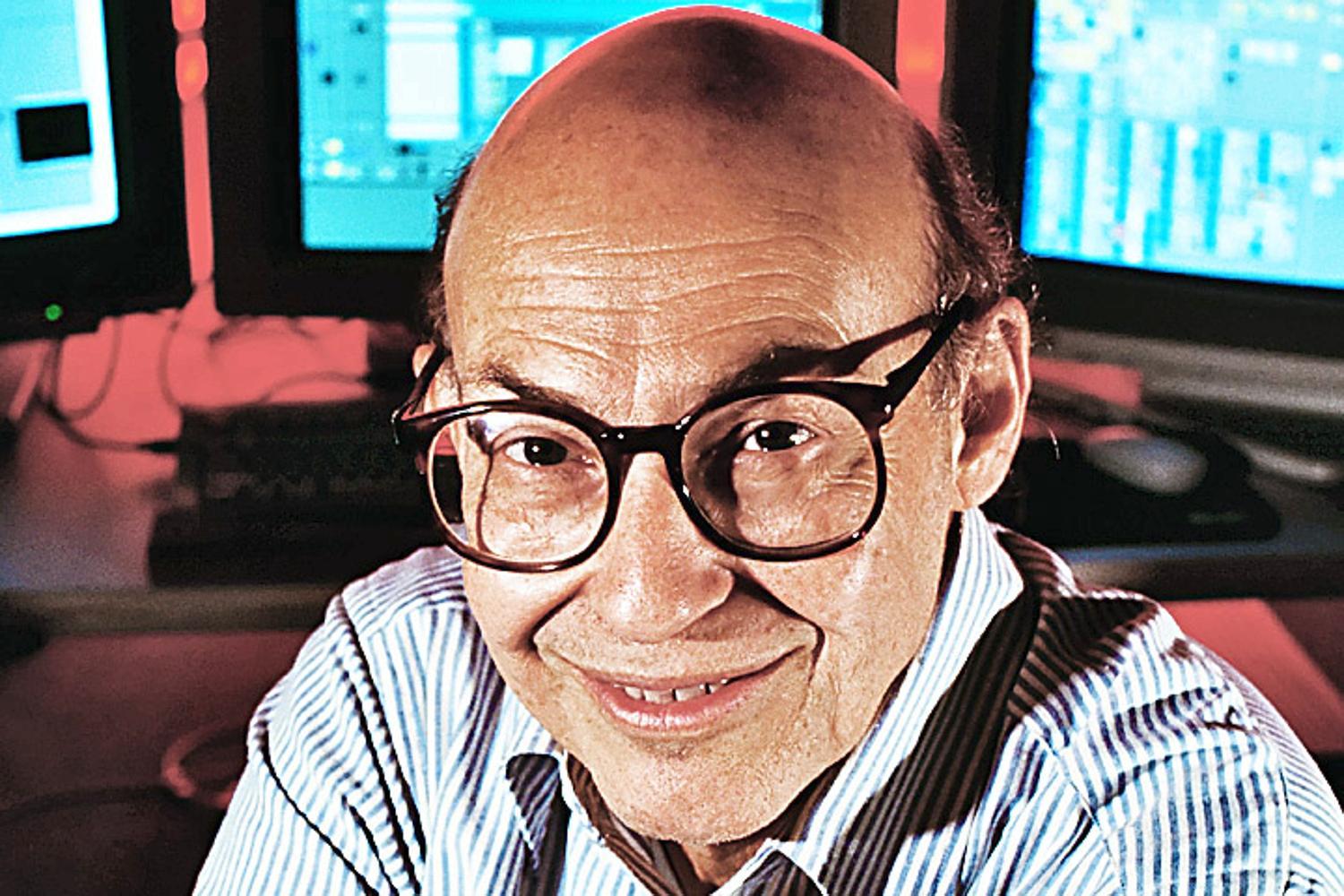
"Marvin Minsky's Revolutionary Logo Computer"

Marvin Minsky, co-founder of the MIT AI lab, developed a computer called the Turtle Terminal TT2500 intended to run Logo applications in an educational environment. The machine used 16-bit user-definable instructions and had a dual display configuration for text and real-time graphics. It became a display terminal for a connected computer due to its tiny control store. The original schematics for the TT2500 are now available for examination. A simulation of the TT2500 running atop a PDP11/45 emulator has been created by Lars Brinkhoff.

technology2 years ago

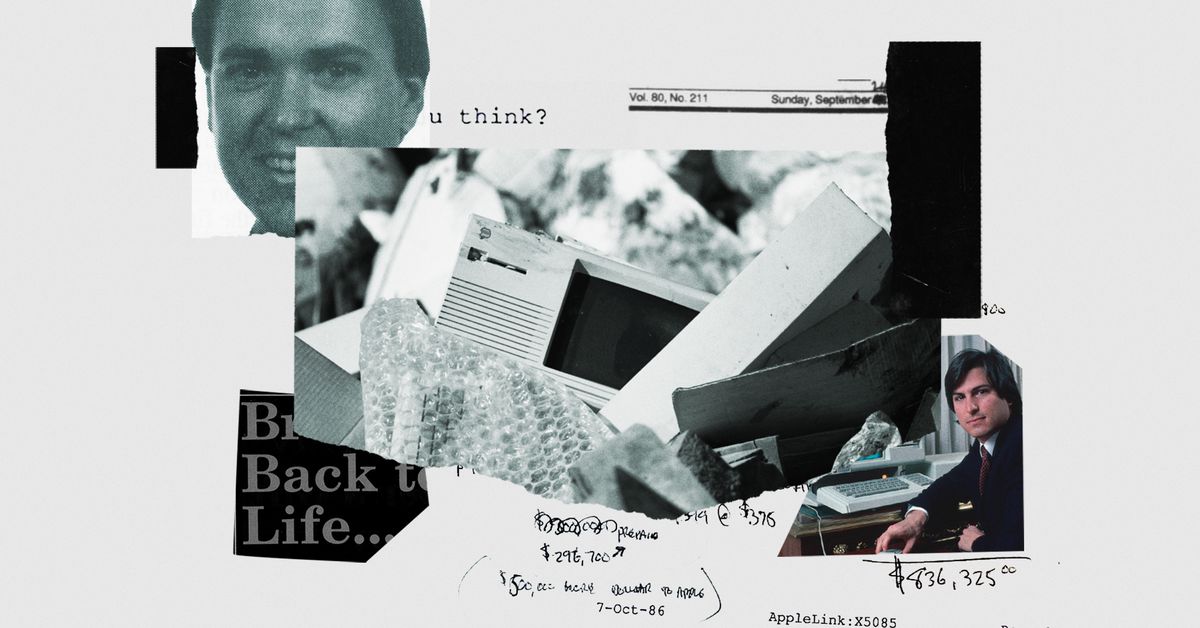
"The Dark Side of Apple: Lisa's Story of Sabotage and Secrecy"

The fate of Apple's iconic failure, the Lisa computer, has been uncovered by a Verge video crew who visited the landfill in Logan, Utah where 2,700 unsold Lisas were buried in 1989. The Lisa was Apple's first modern, graphically driven computer, but it was overshadowed by the forthcoming cheaper Mac. Bob Cook, a former computer salesman, had been trying to improve the Lisa by upgrading both the hardware and operating system to be more competitive with newer Mac models like the Plus, at a fraction of the price. However, Apple changed its mind about the deal and destroyed the Lisas he was selling. The story involves sabotage, hired goons, and the outsize influence of Steve Jobs.