Iran is experiencing widespread protests across major cities like Tehran, Mashhad, and Yazd, with large crowds demanding an end to the Islamic Republic and praising the monarchy, amid government threats and a communications blackout.
Internet connectivity in Afghanistan experienced a blackout starting Monday, with partial restoration reported after false claims about the cause circulated online. The outage disrupted essential services and humanitarian efforts, with the Taliban and officials working to restore communications amid confusion and concerns over the impact on the Afghan population.
Israeli troops have entered the second day of their ground invasion of Gaza City, with many residents fleeing amid widespread network disruptions causing a communications blackout.
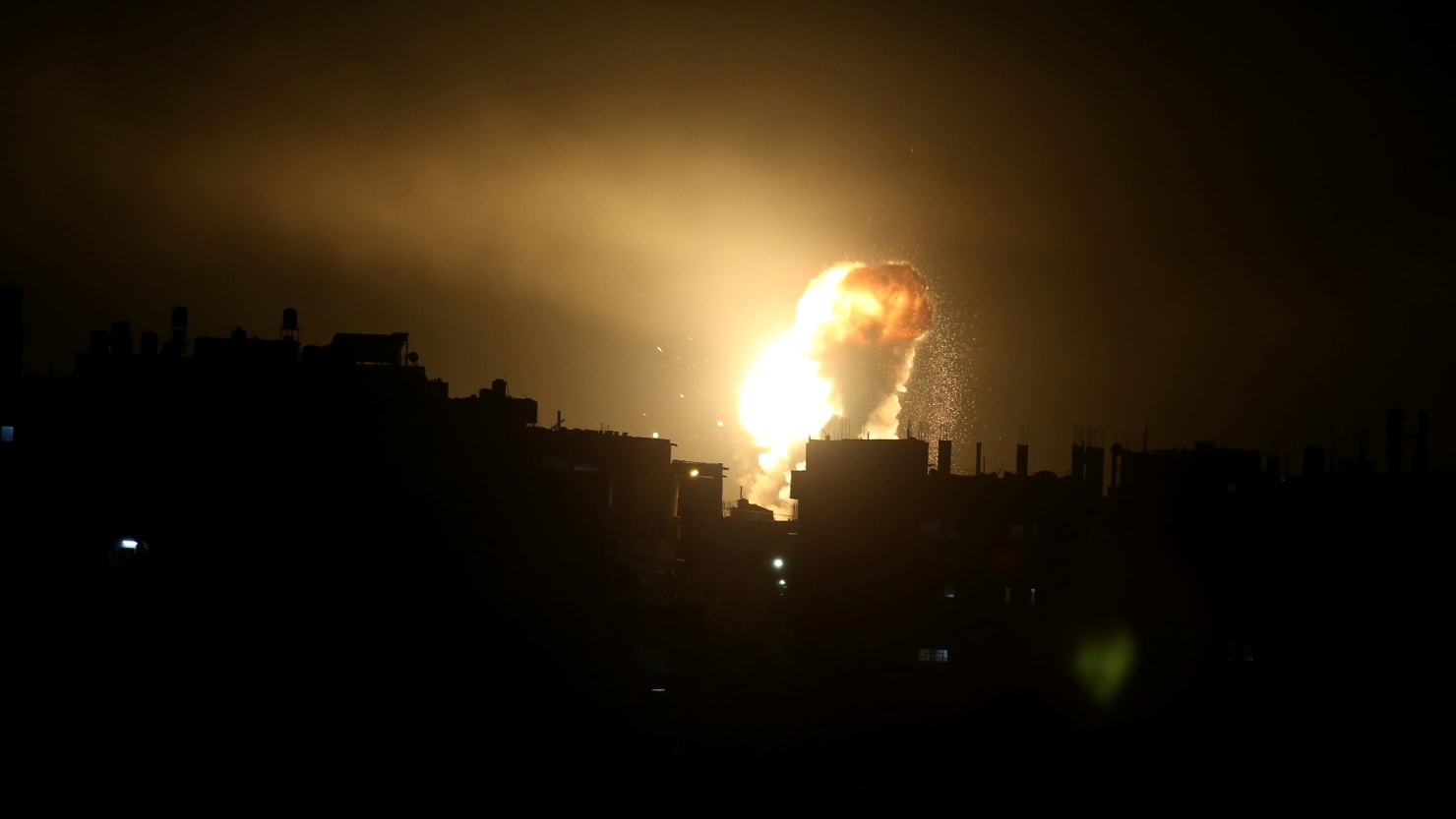
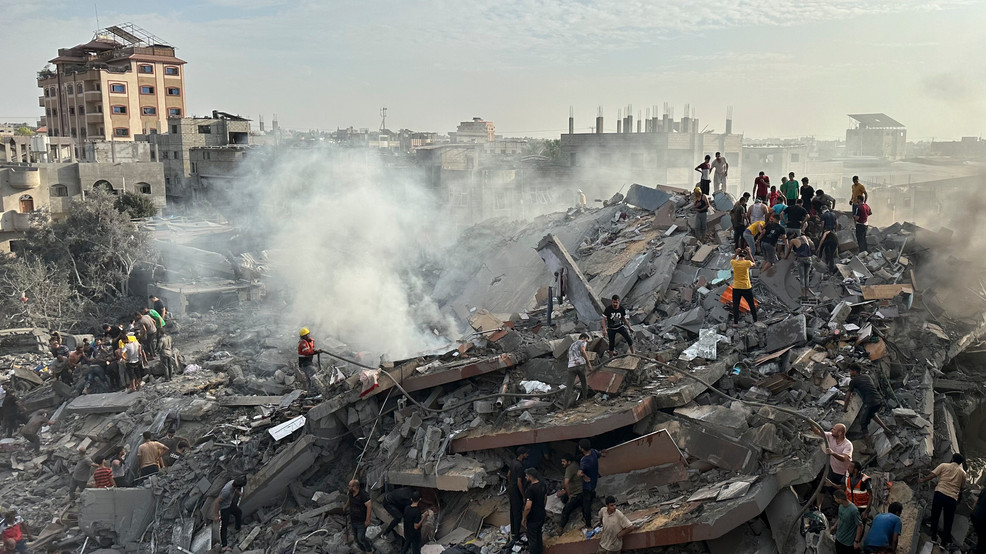
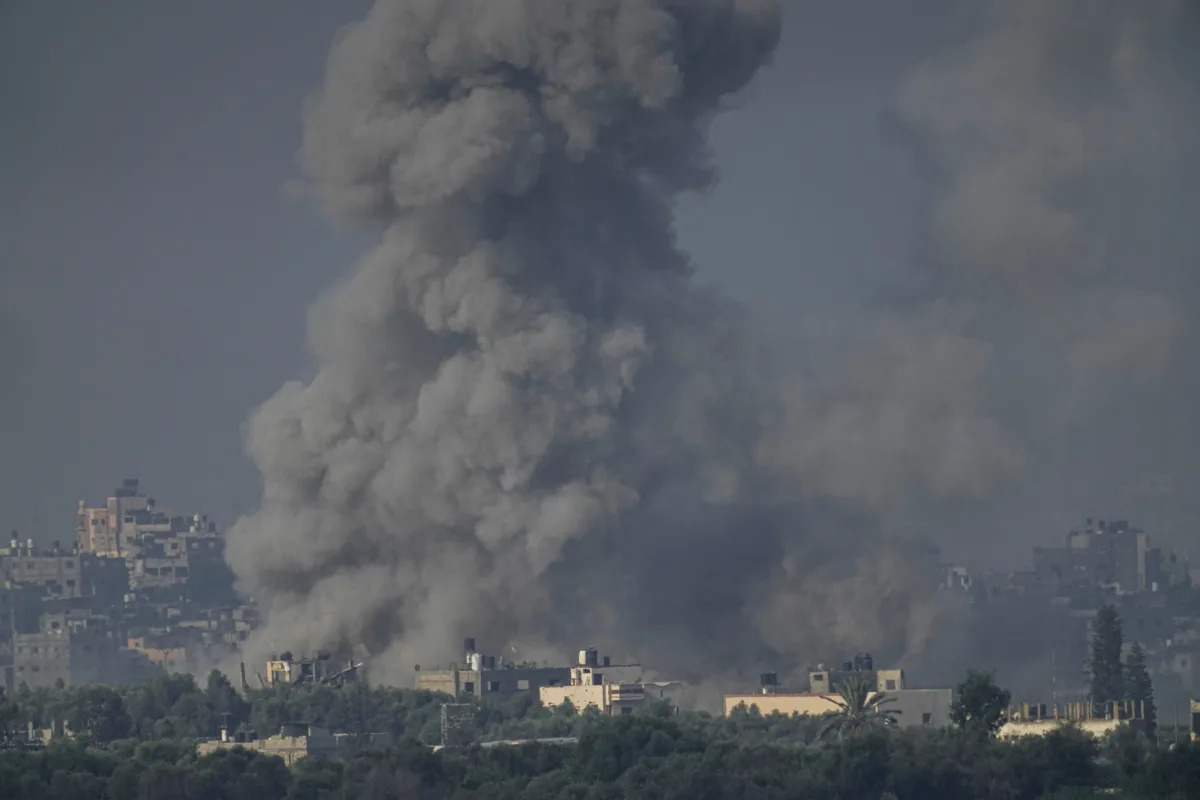
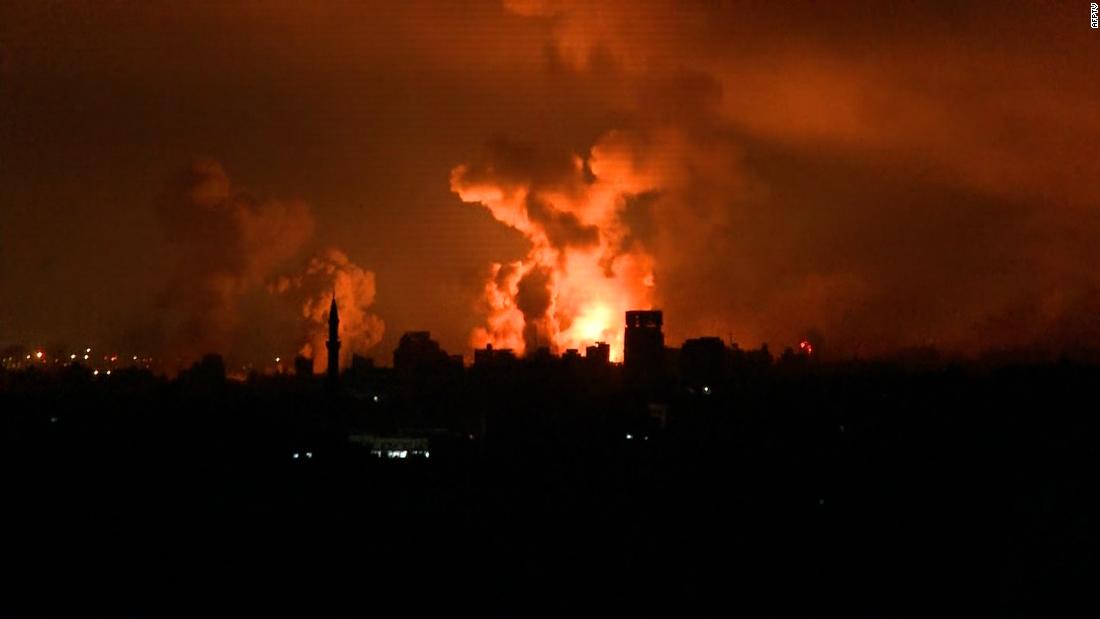
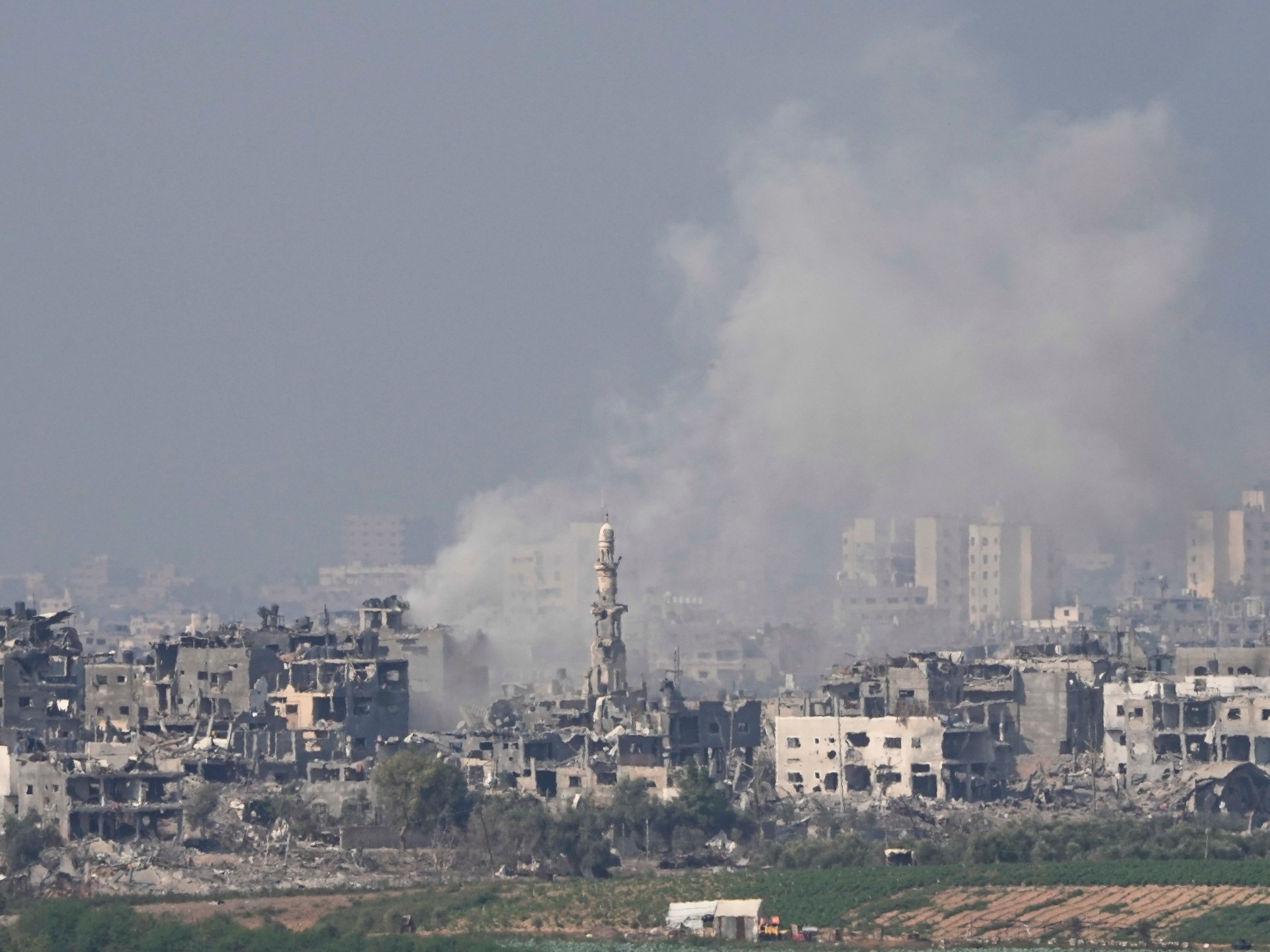
Israel's military has encircled Gaza City, effectively splitting the Gaza Strip in half, in an effort to make it harder for Hamas to control the enclave. The extent of the fighting overnight is unclear due to a communications blackout in Gaza, the third since the start of the war. Israel said it struck 450 targets overnight. Meanwhile, Jordan's air force airdropped urgent medical aid to a field hospital in Gaza, as Israel's blockade and recent siege have put some hospitals out of service. Secretary of State Antony Blinken warned that more attacks on U.S. forces would bring reprisals, as armed groups allied with Iran have claimed responsibility for attacks against bases with U.S. troops in Syria and Iraq. The World Health Organization has documented over 100 attacks on the healthcare system in Gaza, while Israel accuses Hamas of using hospitals as cover for its operations. Australia has seen a rise in antisemitic and Islamophobic incidents following the conflict.
Israeli forces continue heavy shelling around hospitals in Gaza, including the largest hospital, Al Shifa, amid a blackout of communications and internet services. The Israeli military accuses Hamas of using hospitals for military purposes, while Hamas denies the charge. Concerns are raised for the safety of patients, health workers, and civilians seeking shelter in hospitals. The World Health Organization calls for an immediate ceasefire and protection of civilians and healthcare. Since the conflict began, 39 health facilities have been damaged, and at least 9,770 Palestinians, including 4,008 children, have been killed. Nearly 1.5 million people are internally displaced in Gaza.
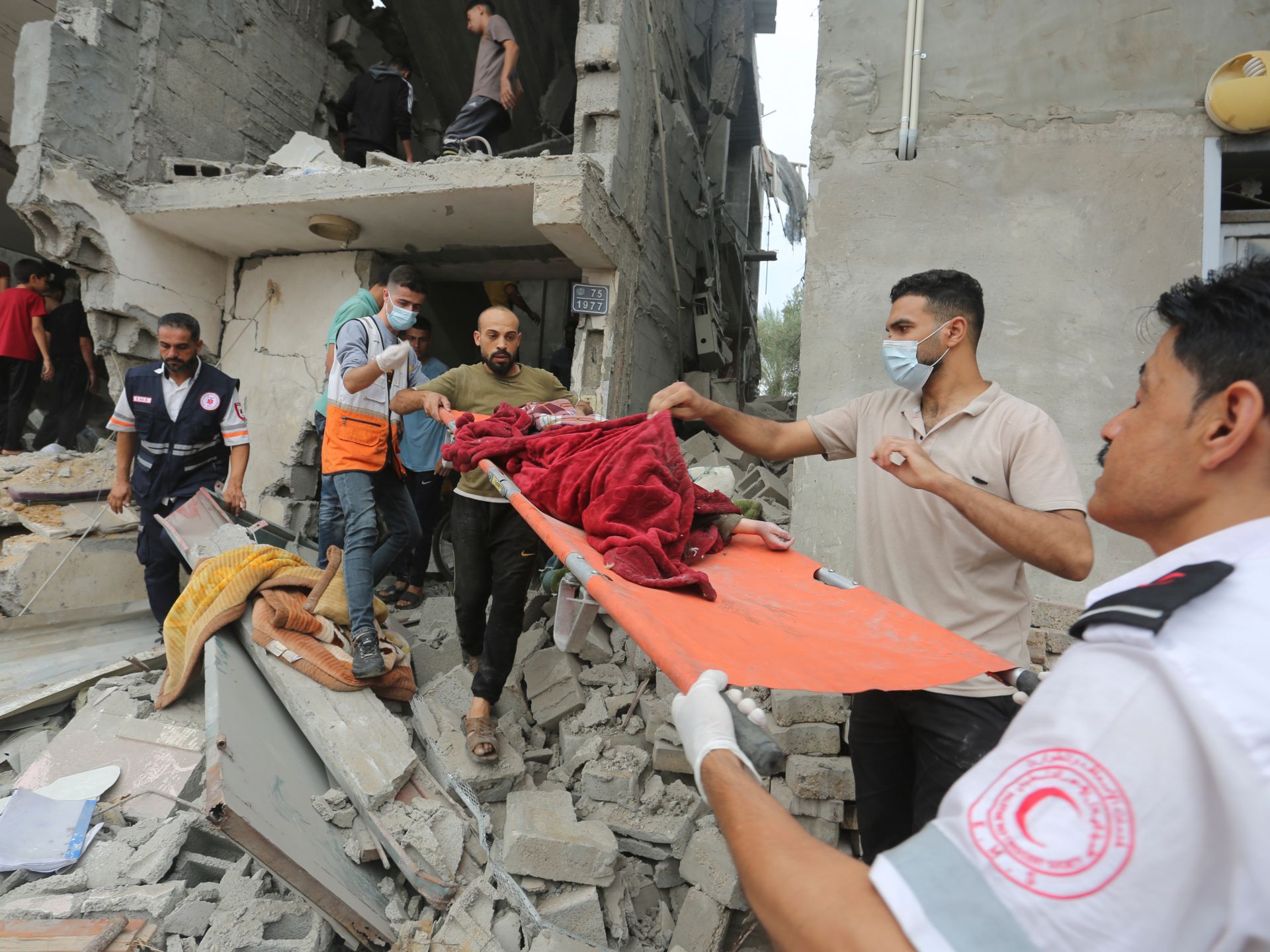
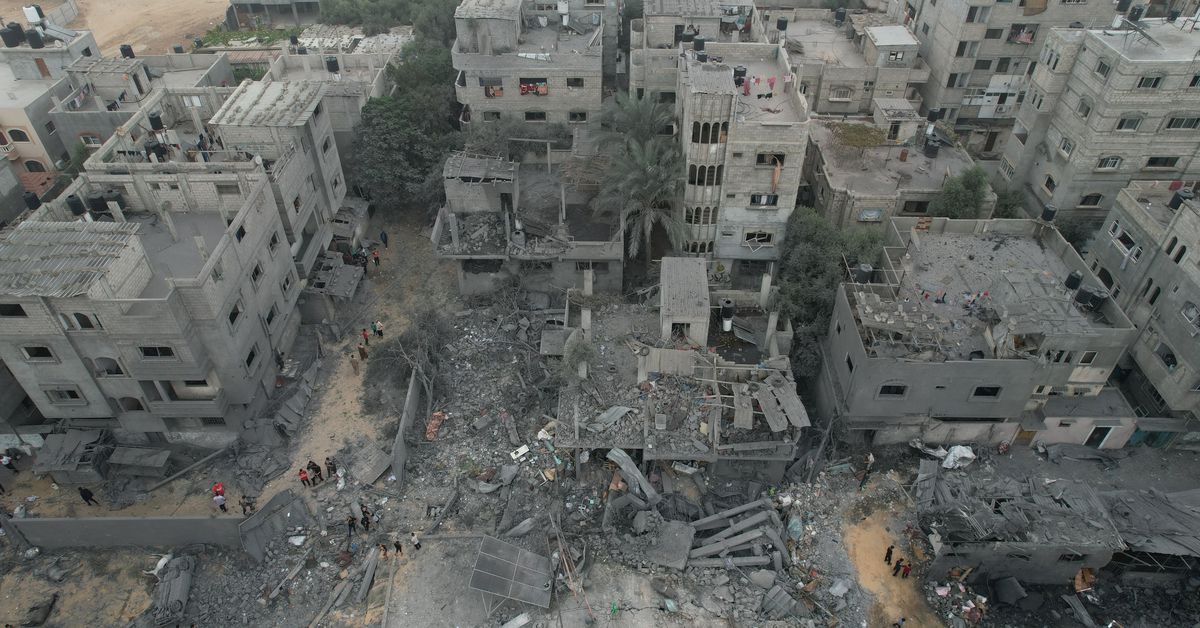
Gaza has experienced its third total communications blackout since the start of the war, as the Israeli army surrounds Gaza City and divides the territory into two. The blackouts hinder emergency services and prevent Palestinians from contacting their loved ones. Israel continues to launch "significant" airstrikes across Gaza, including strikes on refugee camps, resulting in numerous casualties. The US Secretary of State, Anthony Blinken, met with Middle East leaders to discuss the possibility of a ceasefire, emphasizing the need to protect innocent lives in Gaza.
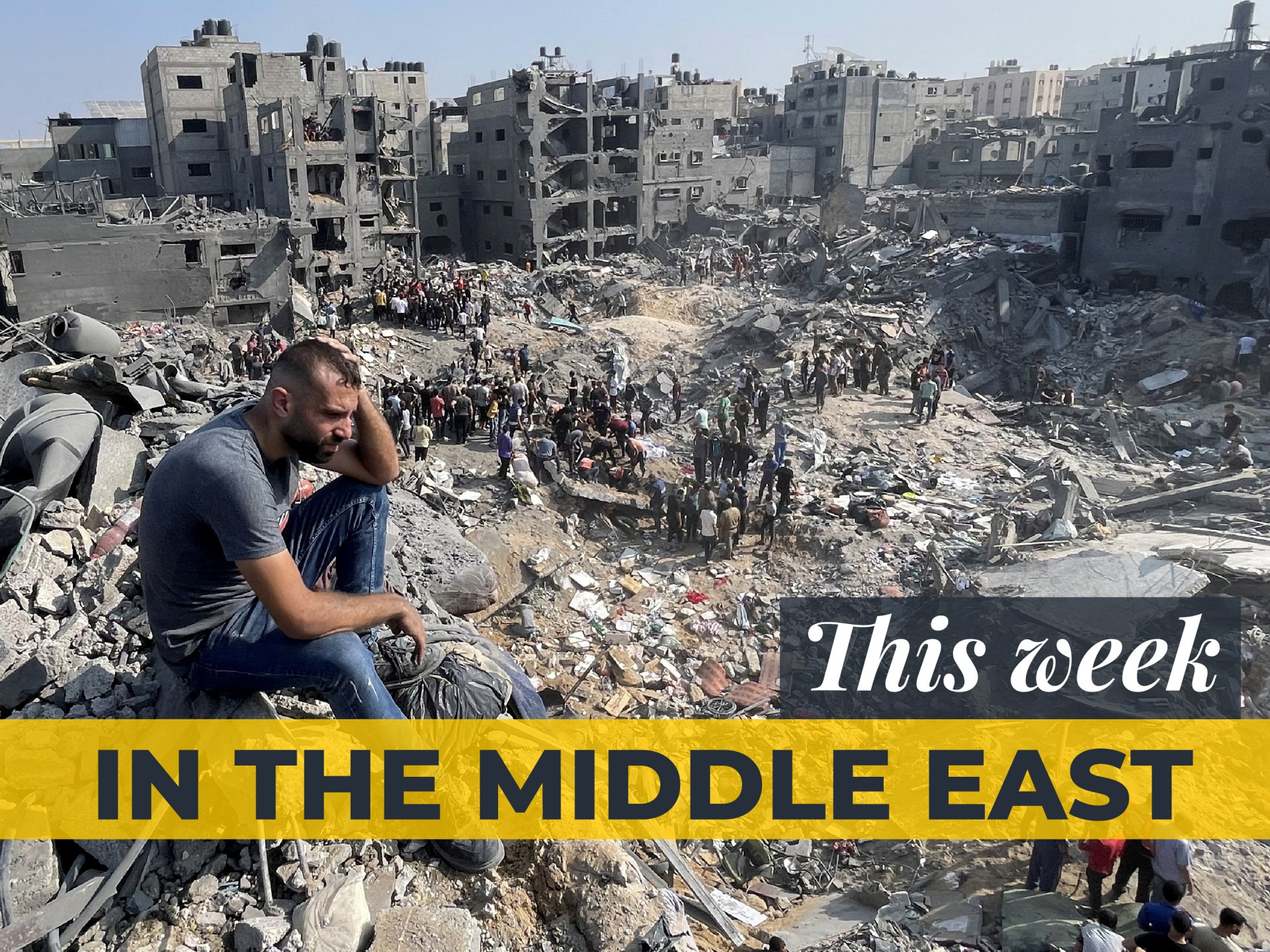
This week's coverage of Gaza includes the bombing of a refugee camp, a communications blackout, the struggles faced by Gaza's mothers and journalists, and the limited exit options for those seeking medical treatment or safety. The Israeli attacks have resulted in the deaths of over 9,000 Palestinians, including 133 babies. The communications blackout has disrupted daily life and led to fears of escalated bombing. Despite the challenges, some wounded individuals have been allowed to cross into Egypt for treatment, while foreign nationals also seek to leave. Palestinian women are resorting to taking pills to delay their menstrual cycles due to unsanitary conditions, and hospitals are struggling to cope with the influx of patients. Fears of a regional conflict are growing, with Hezbollah and Yemen's Houthi rebels involved. Al Jazeera journalists reporting on the atrocities in Gaza are also facing personal tragedies, with some losing family members in Israeli raids.
Gaza experienced another communications blackout as Israeli troops battled Hamas militants, disrupting aid agencies' work in an already dire situation. Dozens of foreign passport holders gathered at a border crossing, preparing to leave the besieged Palestinian enclave. While some foreigners and wounded individuals were permitted to exit, the rest of Gaza's 2.3 million people found themselves cut off from the world once again. The ongoing conflict has resulted in a high number of casualties on both sides, with over 8,500 Palestinians and 1,400 Israelis killed. The situation in Gaza remains critical, with shortages of basic supplies and a lack of access to medical care.
Israel has imposed a second communications blackout in Gaza, cutting off phone and internet services, despite warnings from humanitarian aid agencies that such blackouts exacerbate the already dire situation in the war-torn Palestinian enclave. The blackout has caused concern and fear among residents, who are unable to communicate with their loved ones and understand the situation. It also hampers the work of humanitarian agencies on the ground. Israel has been accused of using internet blackouts as a warfare tactic, while the US has expressed concern about the impact on civilians and the humanitarian crisis. Elon Musk's offer to provide satellite internet service to aid organizations in Gaza has sparked protests from Israel.
Gaza experienced another communications blackout as Israeli troops battled Hamas militants, disrupting aid agencies' work and leaving the population cut off from the world. Dozens of foreign passport holders gathered at a border crossing in hopes of leaving the besieged enclave, while a small number of wounded individuals were also permitted to exit. However, Egypt has expressed concerns about accepting Palestinian refugees, fearing that Israel will not allow them to return after the war. The conflict has resulted in a high number of casualties on both sides, with over 8,500 Palestinians and 1,400 Israelis killed. The situation in Gaza remains dire, with shortages of basic supplies and a lack of access to medical care.
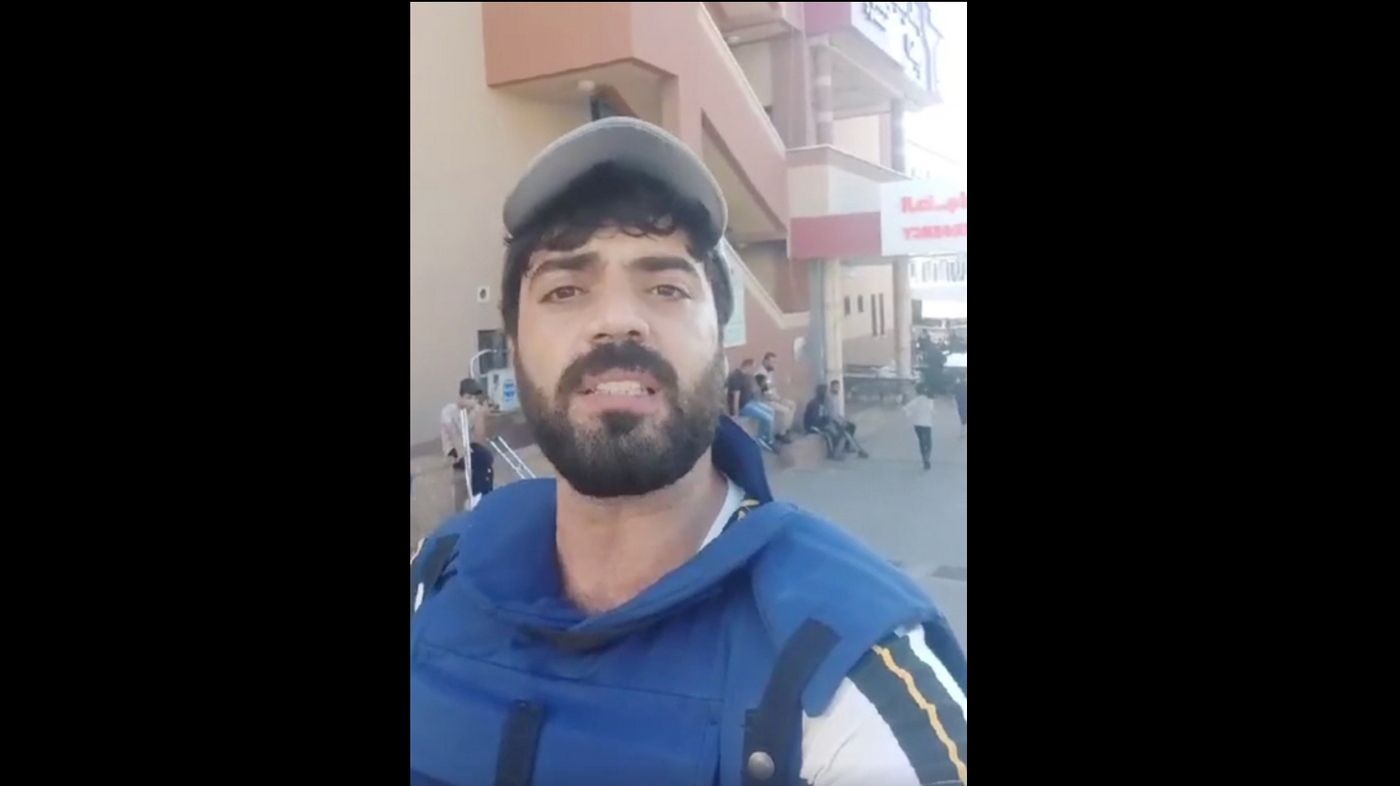
The Gaza Strip experienced a 34-hour blackout of phone and internet services over the weekend, leaving its 2 million residents cut off from communication with each other and the outside world. Palestinian telecommunications providers blamed deliberate Israeli sabotage, while an Israeli defense official claimed to be unaware of the matter. Anas Baba, a producer for NPR based in Gaza, sent voice memos describing the uncertainty, isolation, desperation, and death that occurred during the blackout. The intensified Israeli bombardment over the weekend resulted in over 1,000 deaths, and aid groups say the current aid supply is insufficient for the population. Phone service has been partially restored, but the situation remains dire as the Israeli ground incursion continues.
Israel's ground war on Gaza enters its second phase, causing fear to escalate. Palestinians, after enduring a communications blackout for over a day, are now assessing the damage and loss caused by the conflict.
Israeli forces have launched ground operations against Hamas in Gaza, marking the second phase of a three-week-old war aimed at crushing the Palestinian militant group. Telephone and internet communications in Gaza, which were largely severed during the conflict, are slowly being restored. The disruption of communications has impacted rescue operations, with people unable to call for help. Israel has tightened its blockade and bombarded Gaza for three weeks, resulting in a mounting international outcry over the toll from the bombing and growing calls for a "humanitarian pause" to allow aid to reach Gaza civilians and ease the crisis.
The Israel Defense Forces (IDF) have struck over 450 targets in Gaza, including command centers and missile launch sites, as the conflict enters a new stage. Israeli Prime Minister Benjamin Netanyahu has declared the war in Gaza to be long and aims to destroy Hamas and return the hostages taken on October 7. Communications in Gaza have been partially restored, but the blackout has hindered medical staff from reaching the injured and disrupted contact between hospitals. The International Committee of the Red Cross has called for an immediate de-escalation and delivery of humanitarian aid, while Elon Musk's pledge to provide satellite service to aid organizations in Gaza has been met with opposition from Israel.
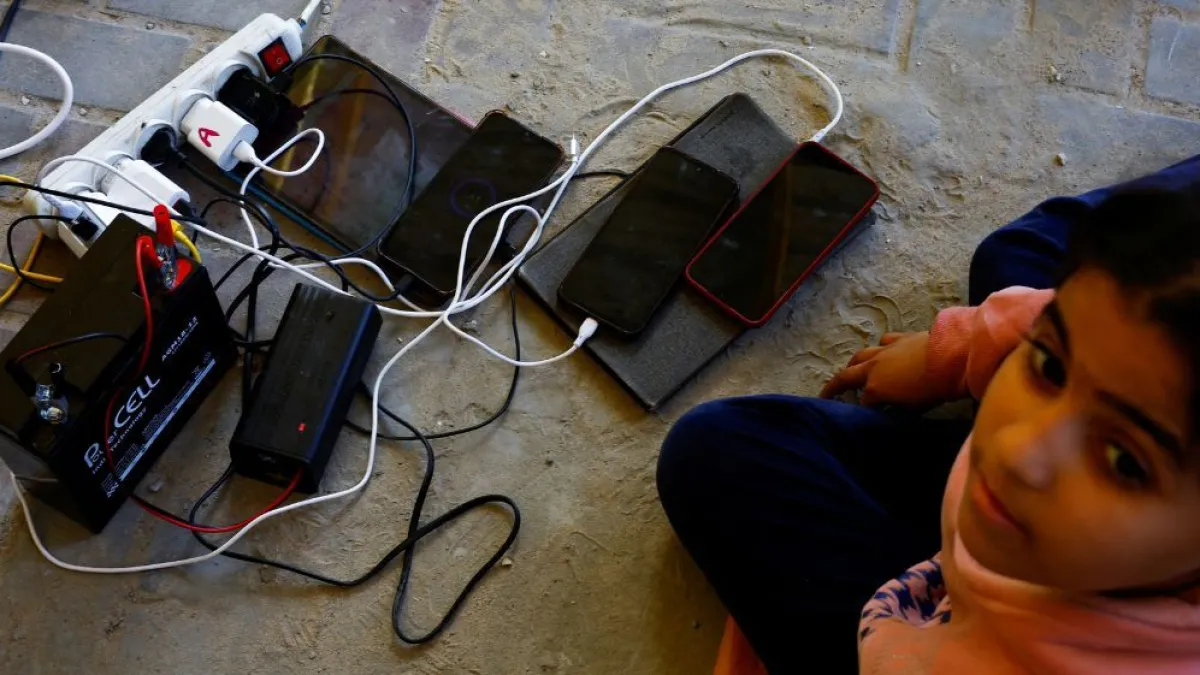
Internet and phone services are gradually being restored in Gaza after a communications blackout caused by Israeli air attacks. Paltel Group, the main communications provider in Gaza, stated that their technical teams are working to address the damage to the network infrastructure. The blackout had raised concerns among humanitarian groups about the potential for war crimes to go undocumented. Elon Musk offered his Starlink satellite internet service to aid organizations in Gaza, prompting protests from Israel.