Stellantis has launched Pro One, an enhanced strategic offensive for its Commercial Vehicles Business, aiming to achieve global leadership. The Pro One strategy includes a comprehensive lineup of vans, pickup trucks, and micro-mobility options, as well as leading electrified propulsions, connected vehicle technologies, and a full business partnership approach. Stellantis aims to double commercial vehicle net revenues by 2030, achieve a 40% electric vehicle sales mix, and generate €5 billion in service revenues. The company plans to unveil a fully renewed van lineup with second-generation zero-emission powertrains and a hydrogen solution. Stellantis also intends to reinvigorate its product lineup in North America with electrified vans and pickups.
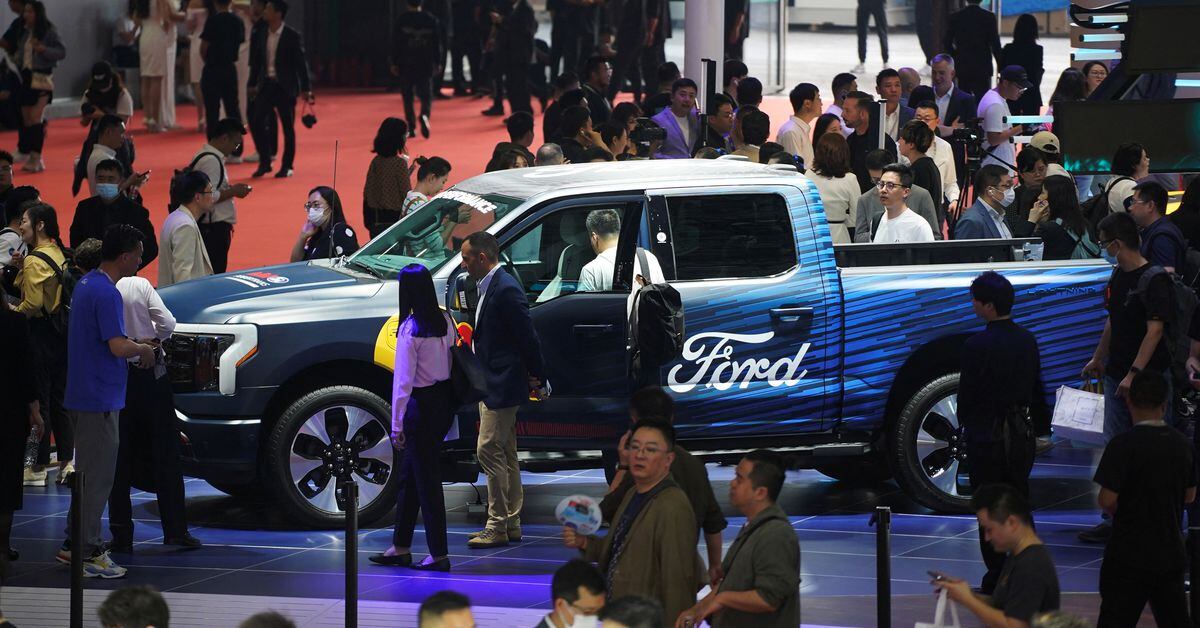
Ford's Q1 revenue and profit exceeded expectations due to strong demand for trucks and SUVs, but the company's outlook for the year is tempered by continued losses in its electric-vehicle unit. CEO Jim Farley stated that Ford does not intend to pursue EV sales volume "at any cost" and hopes to become "boringly predictable" at meeting investor expectations. The company plans to restructure its operations in China to run on lower investment and focus on its commercial vehicle business, including EVs. Ford's Q1 earnings before interest and taxes were $3.4 billion, beating analysts' expectations, but shares were down 2% in after-hours trading.
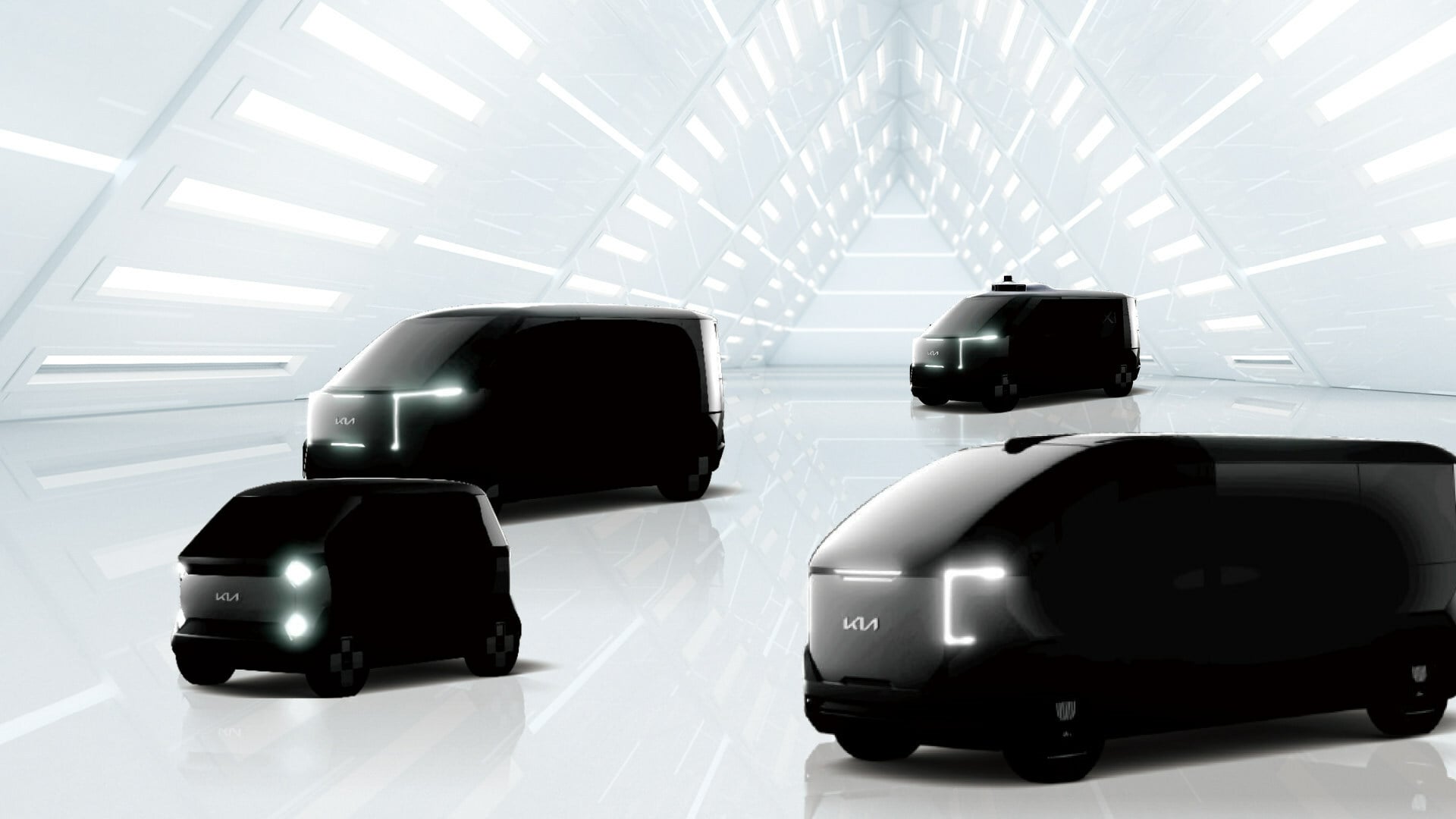
Kia has announced an all-new production facility for an upcoming commercial vehicle lineup called “purpose-built vehicles,” or PBVs. The Korean automaker will build an all-new commercial electric vehicle plant in South Korea, investing $758 million. The PBVs will be built on the all-new “eS” electric skateboard platform, and it will be produced using a “flexible production method,” allowing for easy transition between variants of the vehicle. Kia will fully launch its PBV lineup in 2025, ahead of the launch of its mass production at the new plant.