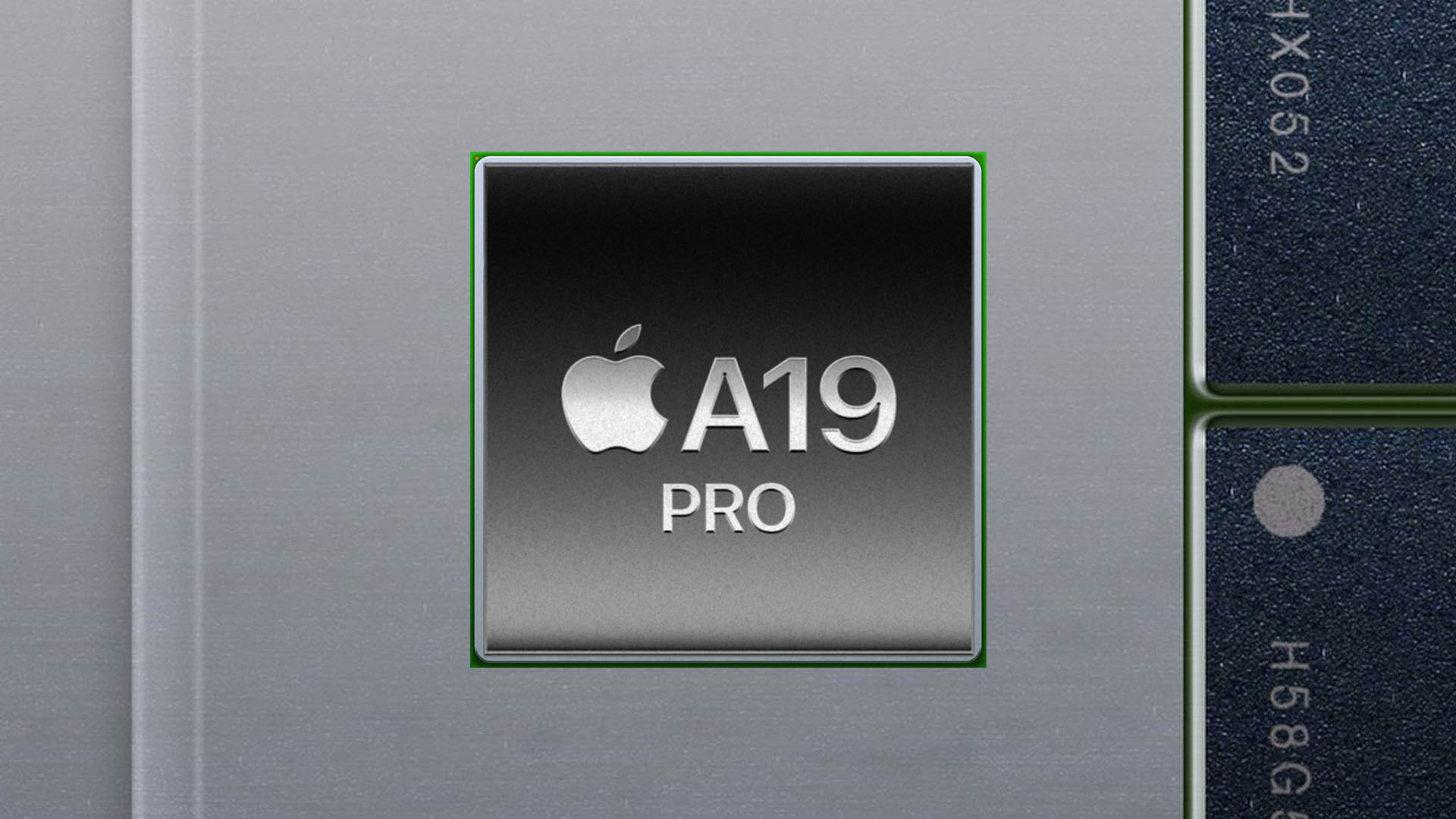
The A19 Pro chipset from Apple features significantly upgraded efficiency cores that deliver up to a 29% performance boost without increasing power consumption, thanks to major architectural changes, making it a standout in chip performance and efficiency.
Apple reportedly pays less than 30 cents per chip in royalties to Arm, despite being one of its biggest customers. This amount is significantly less than what Arm's other smartphone chip customers pay. SoftBank, the owner of Arm, attempted to renegotiate the deal with Apple to raise royalty rates but was unsuccessful. While Apple is unlikely to sever ties with Arm, it has explored the possibility of using a competing open-source technology called RISC-V for its chips in the long term.
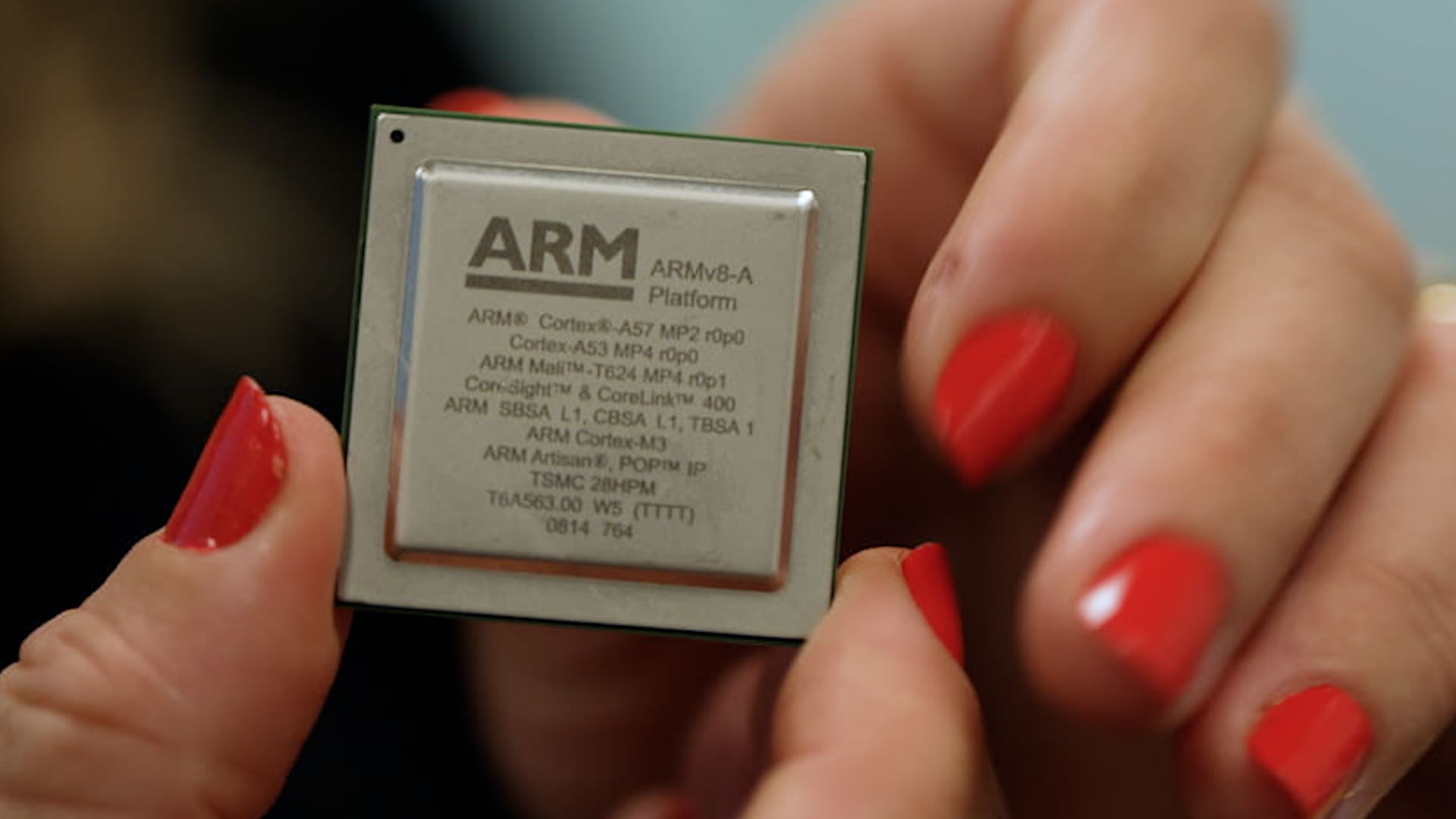
Arm, the dominant company in chip architecture, is gaining chip dominance with its architecture being used by major tech giants such as Apple, Nvidia, AMD, Amazon, Qualcomm, and more. Arm's revenue is up 28% on an annual basis, but its revenue guidance fell short of expectations. Arm's architecture enables chips to use less power than those made with x86, and it has seen a surge in adoption, particularly in the PC market. However, Arm faces competition from RISC-V and x86, and it has also faced risks from geopolitical uncertainty and the decline in smartphone sales. Despite these challenges, Arm continues to expand its presence in various markets, including AI and automotive.