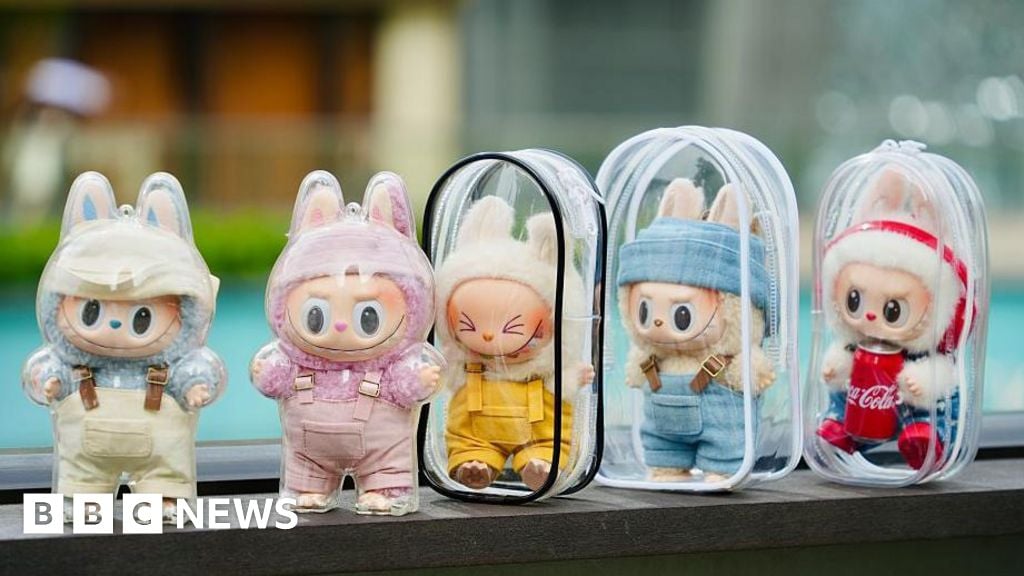
Labubu dolls, created by Pop Mart, have become a global sensation, driven by celebrity endorsements and social media, significantly boosting Pop Mart's profits and showcasing Chinese creativity on the world stage, despite their quirky appearance and the randomness of internet virality.
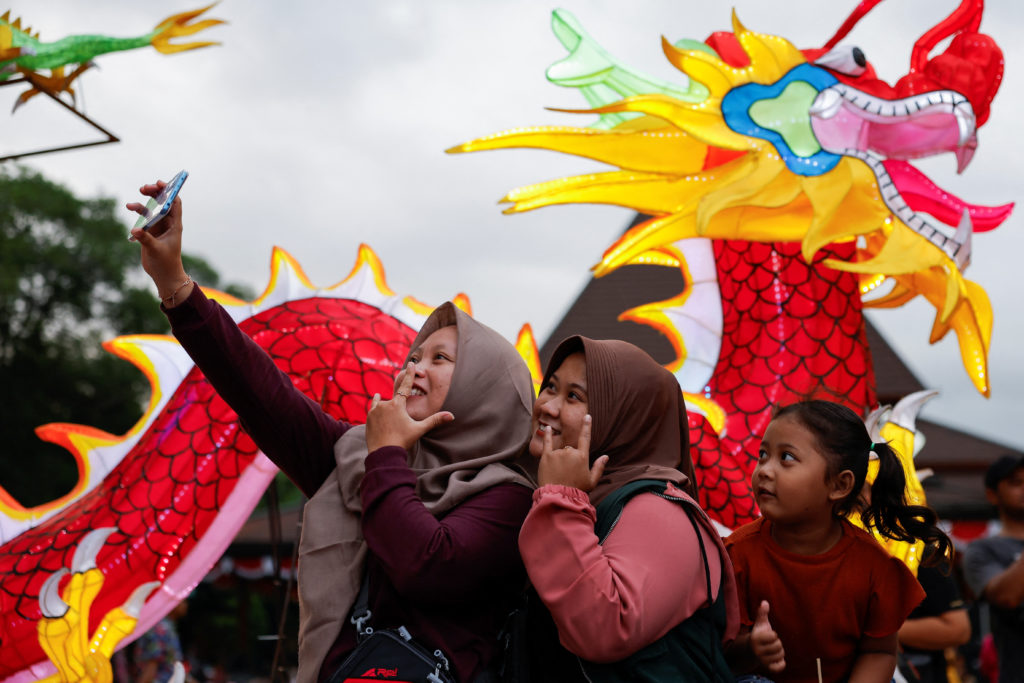
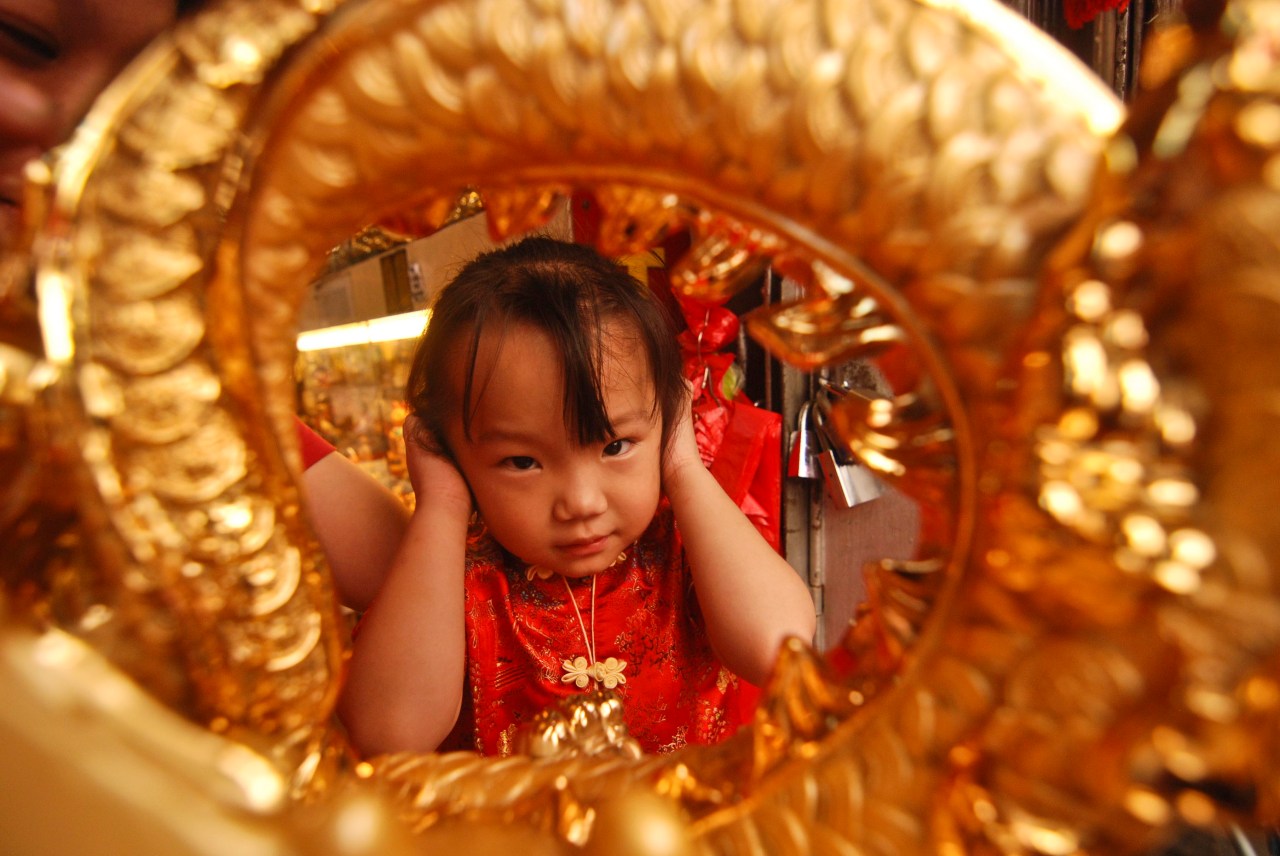
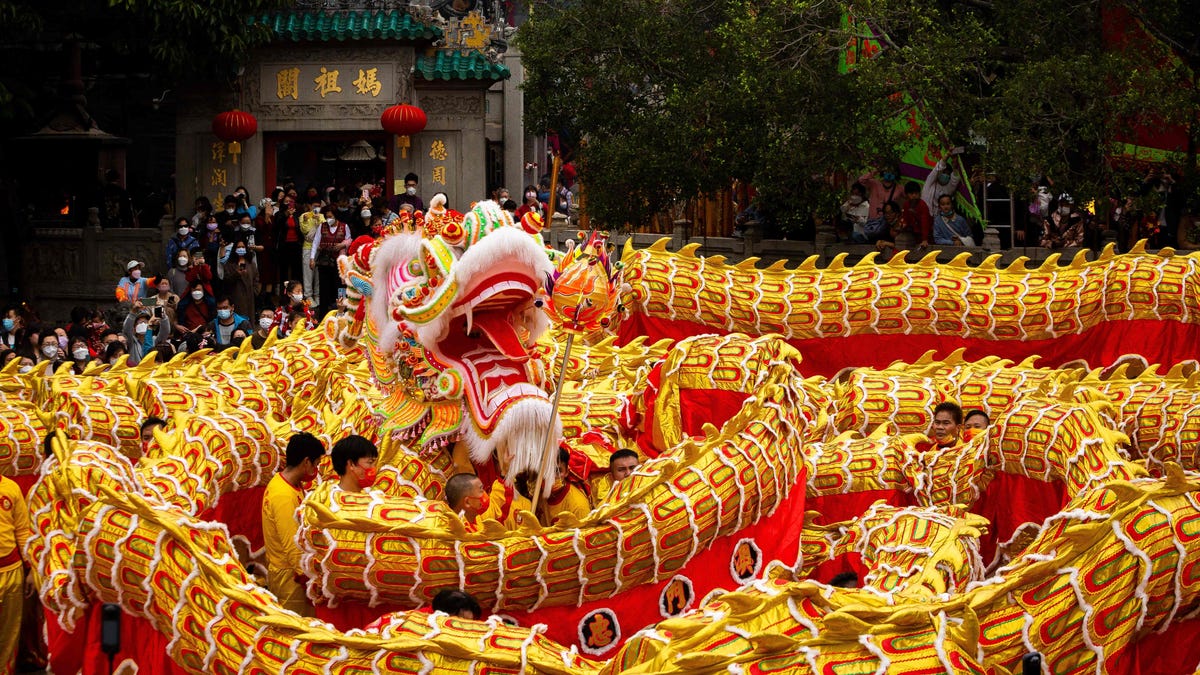
Across Asia, people celebrated the Lunar New Year, marking the start of the Year of the Dragon with family gatherings, festivals, and temple visits to seek blessings. The Year of the Dragon is considered highly auspicious in Chinese communities, with many hoping for children born in this year to possess qualities symbolized by dragons. Festivities included dragon dances, traditional performances, and the exchange of red envelopes filled with cash. The celebrations extended beyond China to other Asian countries and overseas Chinese communities, with worshippers in various countries visiting temples to pray for good luck and blessings.
As the Lunar New Year approaches, it's important to be mindful of various taboos associated with the celebration. These include avoiding unlucky words, refraining from breaking porcelain or glass, not scolding children, and not getting a haircut. Other taboos involve not eating certain foods, not using water, and refraining from sweeping or taking out trash on specific days. Following these taboos is believed to bring prosperity and good fortune for the coming year in Chinese culture.
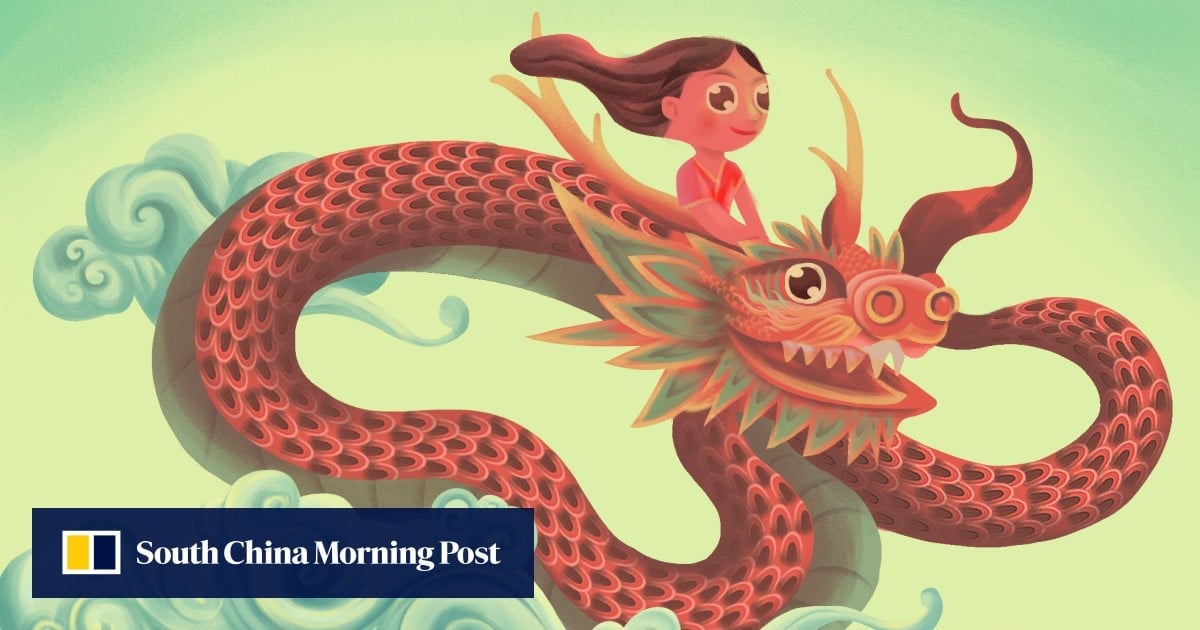
The Lunar New Year, also known as Chinese New Year, is approaching, and this guide provides 10 essential reads to prepare for the Year of the Dragon 2024. From zodiac predictions and traditional customs to what to wear and lucky foods, the guide covers everything from predictions for all 12 zodiac signs to the significance of wearing red clothing and underwear. It also delves into lesser-known traditions, the meaning of the Wood Dragon, and the duration and customs of the 16-day celebration.
Lunar New Year, celebrated by around 2 billion people, falls on Saturday, Feb. 10 this year and is observed in many Asian cultures, each with its own customs and traditions. The holiday signifies letting go of the past and welcoming the new, and is a time for family reunions, feasting, and honoring ancestors. The upcoming year of the dragon in the Chinese Zodiac represents good luck, prosperity, and strength.
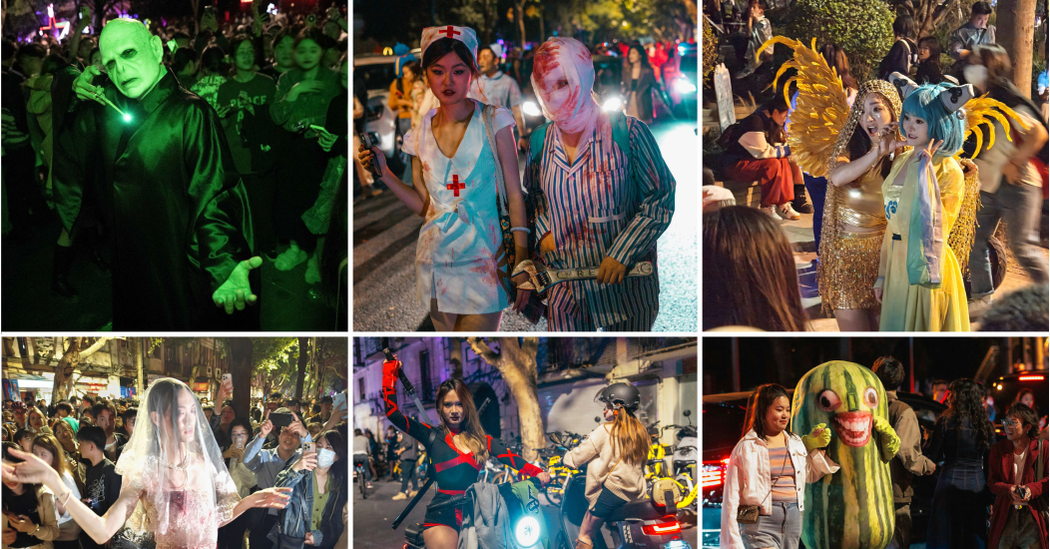
Shanghai's Halloween celebration has become a rare opportunity for Chinese citizens to express themselves creatively and openly, embracing elements of LGBTQ+ life, political and social criticism, and flamboyant costumes that are typically suppressed by Chinese censors. This year's celebration, the first since pandemic restrictions were lifted, saw a large gathering of revelers who delighted in each other's costumes and enjoyed the exuberant atmosphere. The event also featured costumes referencing China's slumping economy, censored subjects like the "Zero Covid" policy, and pop culture references. While the festivities were joyous and tolerant, some online posts sharing costume photos were censored on Chinese social media.