Samsung has been using the same 5000mAh battery in its flagship and foldable phones for years, while Chinese manufacturers are offering larger batteries with faster charging, highlighting a need for Samsung to innovate and improve battery capacity in upcoming models like the Galaxy S26 and Fold 7 to enhance user experience.
Samsung is reportedly considering developing an entry-level version of the Galaxy Z Fold 6 to better compete in the Chinese foldable market, aiming to launch in the second half of 2024. The company also wants to make the Z Fold thinner to improve its competitive position. However, concerns about market uncertainty and potential cannibalization of sales with premium devices may impact the release. Samsung is not considering an entry-level version of the Z Flip 6, focusing instead on increasing sales of its book-style foldable. This move suggests a potential shift in Samsung's priorities towards affordability in its foldable lineup.
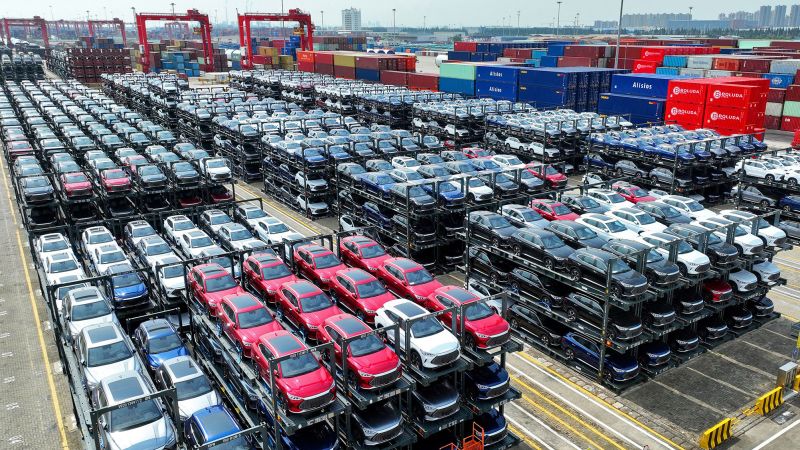
Established automakers such as Ford, Toyota, and Volkswagen are struggling to catch up with Tesla and Chinese competitors in the electric vehicle (EV) market. The gap between legacy carmakers and newer rivals is vast, with Tesla and BYD leading in EV sales. The rise of affordable EVs is crucial for countries to reduce pollution, but automakers in Europe and the United States are facing challenges in delivering them. Chinese carmakers are dominating the EV market, and their market share is expected to double by 2030. Established automakers are investing billions of dollars to narrow the gap, but they face skillset challenges, supply chain issues, and doubts about consumer demand. Additionally, potential union demands in the United States could increase the cost of EVs, making them less competitive. China's dominance in the EV battery supply chain and protectionist controls on critical raw materials further complicate the situation.
BMW chairman Oliver Zipse has warned that the European Union's plan to ban the sale of new gasoline and diesel cars and vans from 2035 poses an "imminent risk" to European automakers, who are unlikely to win an upcoming electric vehicle price war with their Chinese competitors. Zipse believes that the base car market segment will either disappear or be dominated by Chinese manufacturers, while BMW is better positioned to compete in the market for cheaper and smaller electric vehicles. The EU's emissions regulation, which targets significant CO2 emission reductions, was made possible after Germany secured an exemption for e-fuels. Researchers have also noted a potential disruption in German-Chinese trade as China's electric vehicle boom accelerates.