
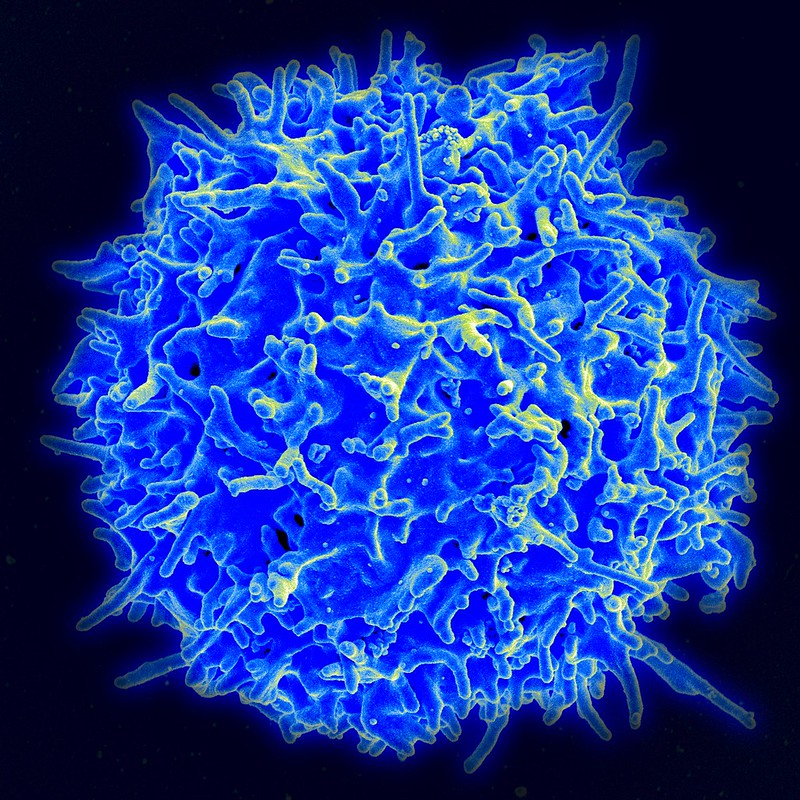
New insights into rare immune disorder with similarities to AIDS.
Researchers at the National Institutes of Health have conducted an 11-year study on idiopathic CD4 lymphocytopenia (ICL), a rare immune deficiency that leaves people vulnerable to infectious diseases, autoimmune diseases, and cancers. The study found that people with the most severe cases of ICL had the highest risk of acquiring or developing several of the diseases associated with this immune deficiency. The most prevalent opportunistic infections were human papillomavirus-related diseases, cryptococcosis, molluscum contagiosum, and mycobacterial diseases other than tuberculosis. Cancer risk was also higher in individuals with the lowest CD4+ T-cell counts, but the risk of autoimmune disease was lower.