Former President Donald Trump won caucuses in Missouri and Idaho, gaining delegates for the GOP nomination, while Nikki Haley secured a victory in the Washington, D.C., primary. Trump and Haley will face off in the North Dakota caucuses and Super Tuesday, with over 800 delegates at stake. The weekend's limited participation in the caucuses and primaries raised concerns, and Trump's victories provide momentum heading into Super Tuesday, while Haley aims to stay in the race until at least March 5.
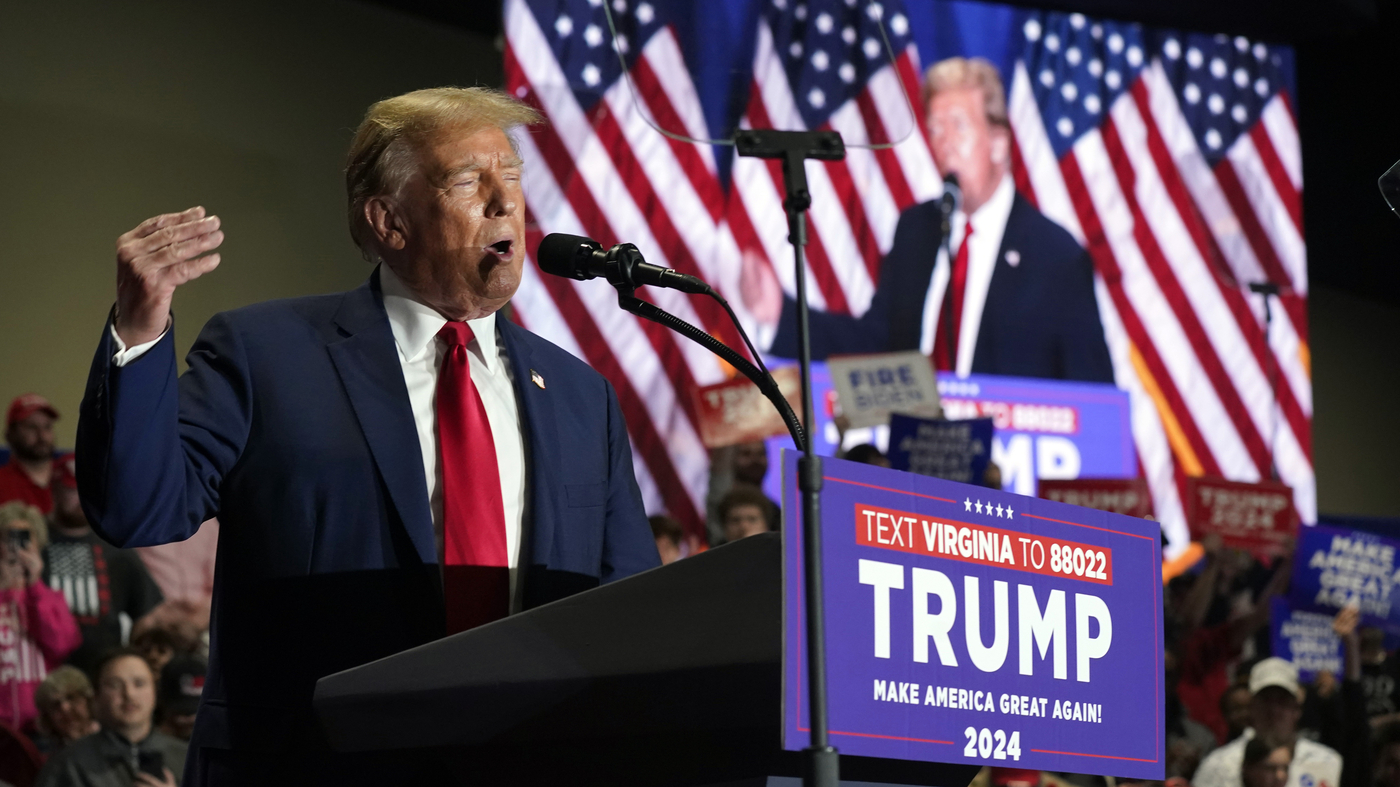
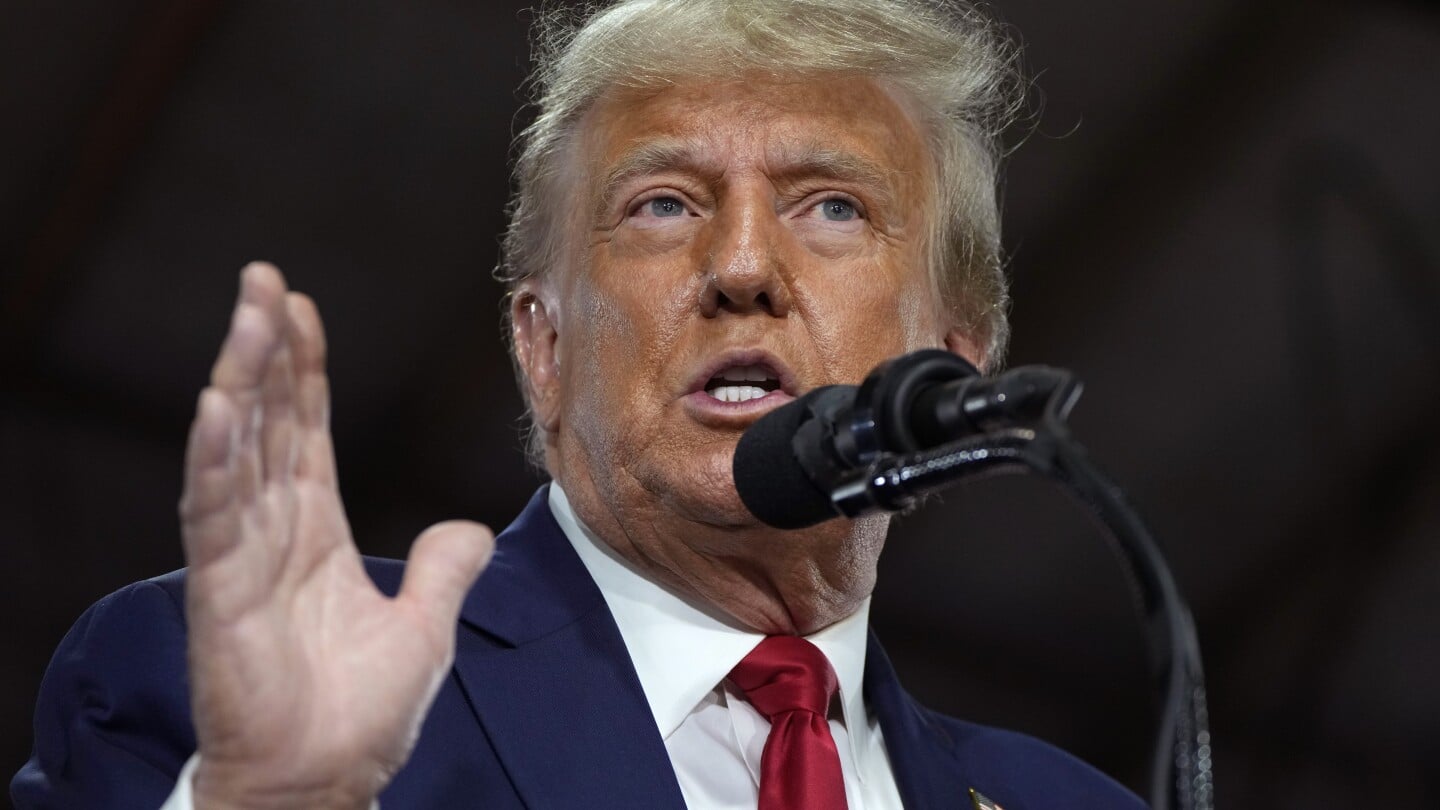
Former President Donald Trump won caucuses in Missouri and Idaho and swept the delegate haul at a party convention in Michigan, bringing his delegate count to 244 compared to 24 for former U.N. Ambassador Nikki Haley. Trump is on track to lock up the Republican nomination, with the next event being in the District of Columbia and Super Tuesday approaching. The steep odds facing Haley were evident in Missouri, where she won just 37 of 263 Republicans in attendance. Michigan Republicans allocated 39 delegates to Trump at their convention, while Idaho held caucuses due to the elimination of presidential primaries.
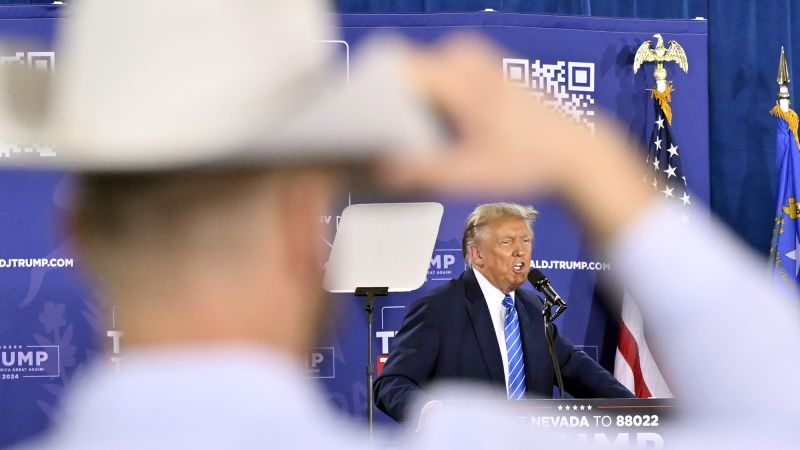
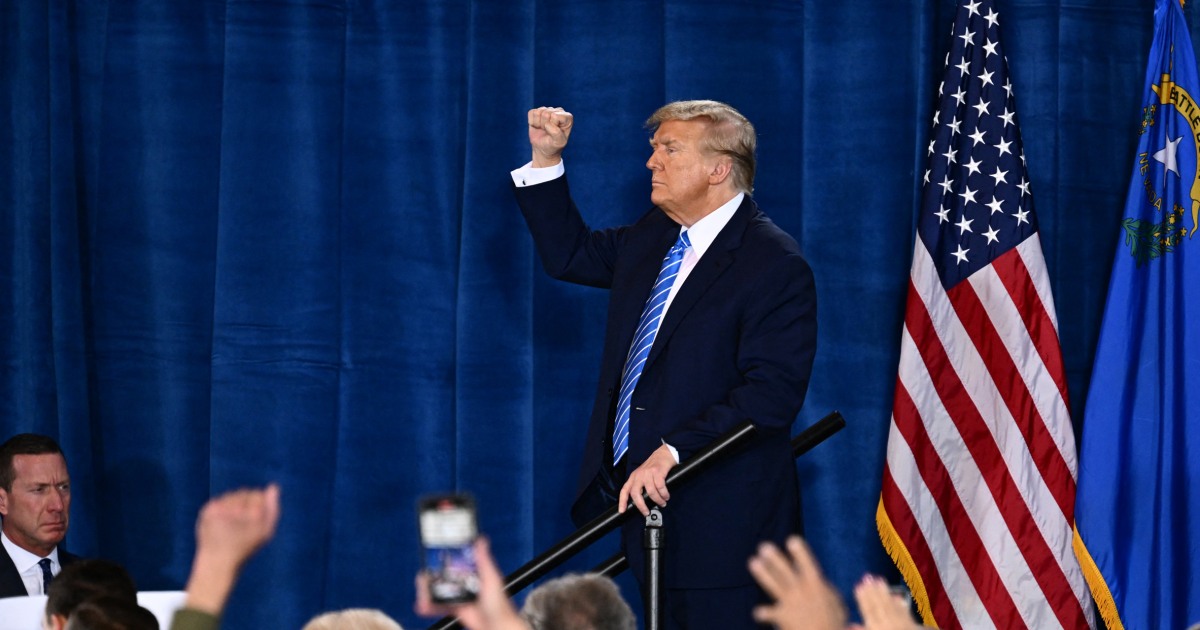
Former President Donald J. Trump easily won Nevada's Republican caucuses, securing his fourth consecutive victory in the Republican nominating contests. His win was all but assured as he was the only major candidate on the ballot, with his last significant rival, Nikki Haley, choosing to skip the caucuses. The state's Republican Party, led by a close Trump ally, decided to allocate its presidential delegates based only on the caucuses, making the results of the primary election effectively immaterial.
Donald Trump wins the Nevada Republican caucuses, securing his third consecutive victory in the Republican contests and moving closer to the GOP's 2024 presidential nomination. Former South Carolina Gov. Nikki Haley chose not to compete for the state's delegates, effectively guaranteeing Trump's win. The Nevada Republican Party opted for caucuses despite holding primaries, with Trump facing little-known opposition. President Joe Biden dominated the Democratic contest, and the lack of competitive primaries in Nevada is expected to change in the fall, making it a presidential and Senate battleground.
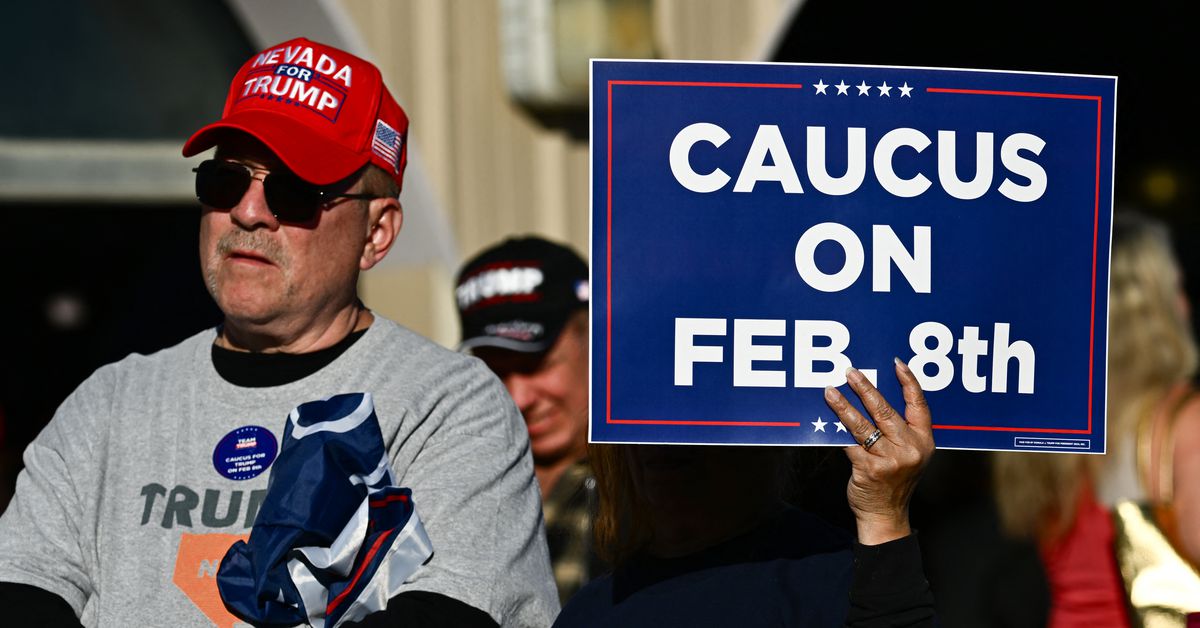
Nevada Republicans are holding caucuses to allocate delegates to the national convention, with former President Donald Trump virtually unopposed. Former U.N. Ambassador Nikki Haley is participating in a state-run primary, mandated under state law but with no delegates at stake. The split between the primary and caucuses is due to a law enacted in 2021, reflecting the state's attempt to secure its spot at the front of the 2024 presidential nominating calendar. Both the GOP caucuses and primary are effectively unopposed, with Trump and Haley as the only major candidates in their respective contests. Turnout expectations are uncertain due to the split system and the lack of recent presidential primaries in Nevada.
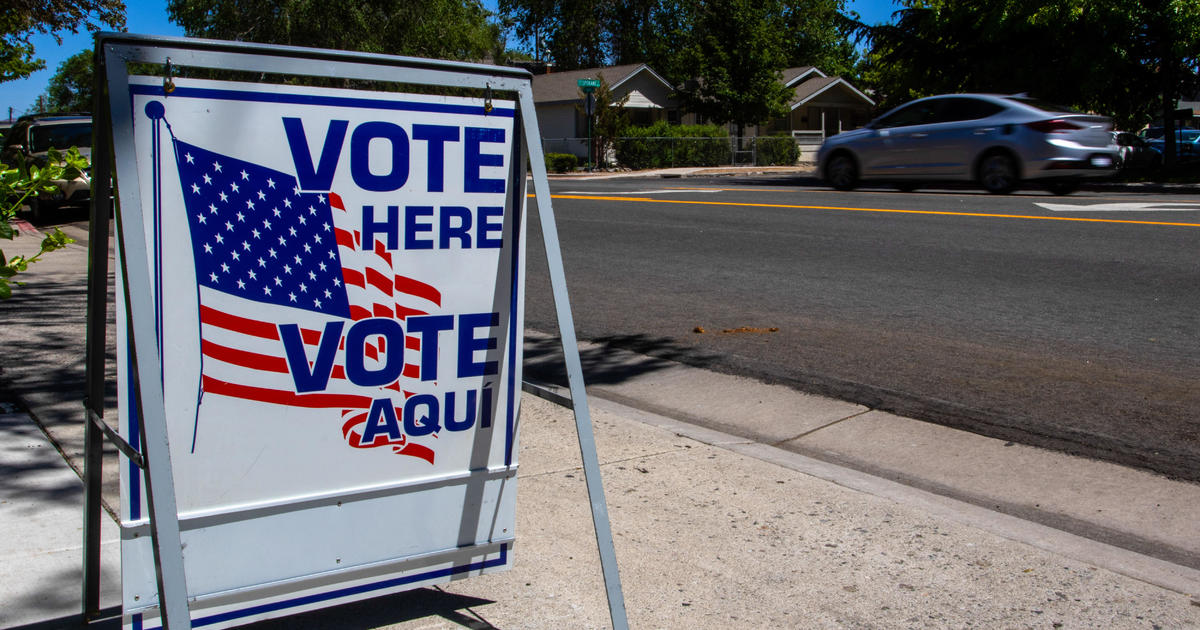
Nevada is hosting its first-in-the-West presidential nominating contest with new twists, featuring both Republican and Democratic primaries on Tuesday, as well as Republican caucuses on Thursday. The state's complicated voting process, stemming from a change in state law and the GOP's decision to hold caucuses despite the primaries, has led to confusion and potential hindrance in turnout. Former U.N. Ambassador Nikki Haley and former President Donald Trump are expected to claim victory in the state, but only one will earn its delegates. Trump's absence from the primary ballot and the implications for the GOP nomination are also highlighted.
Donald Trump's team is concerned that the state of Nevada's decision to hold a primary two days before the GOP caucuses could result in a potential embarrassment for the former president, as the confusing combination of a state-run primary and party-run caucuses may lead to Trump receiving fewer votes in the caucuses than his rival Nikki Haley does in the primary.
Nevada is holding both caucuses and a primary due to a state law requiring a primary election, but the Nevada GOP voted to hold their own caucuses, rendering the state-run presidential primary symbolic. Critics say the new rules were designed to favor Trump, who is poised to take all the state’s delegates in the caucuses. The peculiar arrangement has caused rifts within the state party, with concerns about confusing voters and decreasing turnout. Trump and his political team have spent years building grassroots support and cultivating relationships with party leaders, influencing changes that tilt the nomination fight in his favor.
Nevada's GOP primary and caucuses are causing confusion and controversy, with former President Donald Trump and Nikki Haley competing in separate contests. The state's Republican Party decided that only the caucuses will determine who receives the state's delegates, leading to allegations of favoritism towards Trump and confusion among voters. The chaos and lack of voter education could disenfranchise Republican voters, and the dual system may not survive for future elections, potentially diluting the state's influence in the nominating process.
Iowa Democrats held caucuses to conduct administrative party business and start the process of choosing delegates to the national conventions, with no immediate impact on the presidential race. Democratic caucusgoers will vote for a party nominee through a mail-in voting process, and the county conventions in March will select delegates to the Democratic National Convention in August. Iowa Democratic Party Chair Rita Hart emphasized the importance of getting more Democrats elected and the need for conversations about party goals leading up to November.
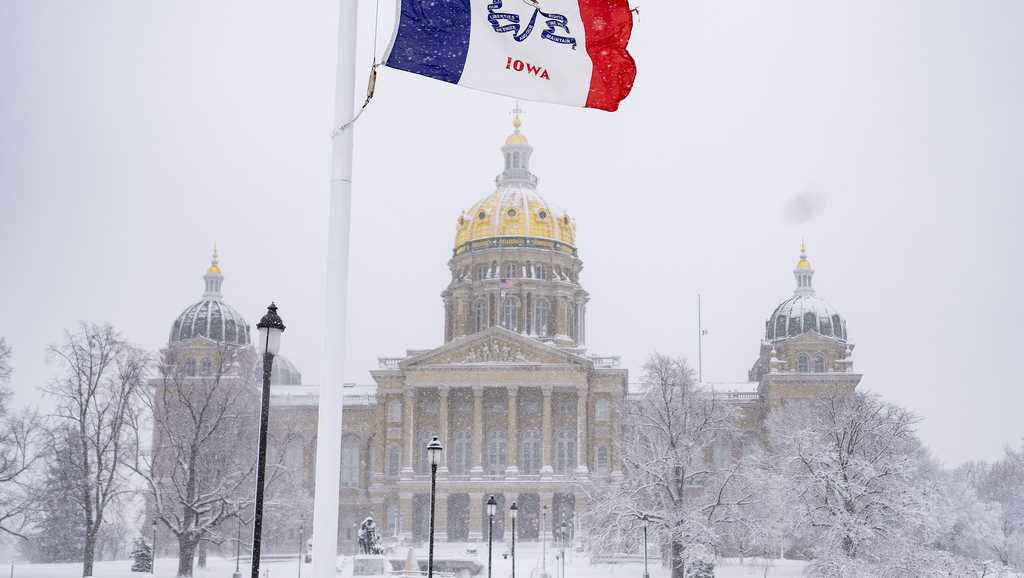
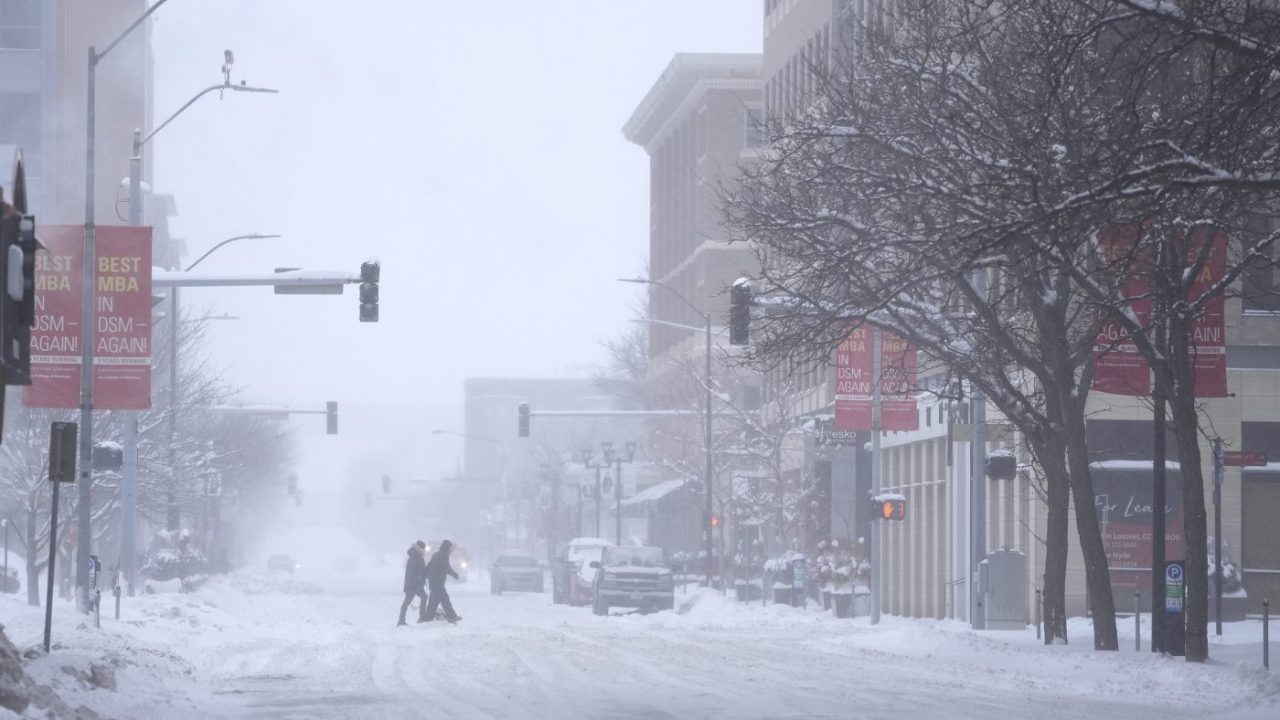
Forecasters have issued a "life-threatening" blizzard warning for Iowa ahead of the caucuses, with 3-5 inches of snow predicted in Des Moines and temperatures expected to plummet. The storm is impacting GOP candidates' campaign events, with Nikki Haley and Ron DeSantis canceling in-person events due to the unsafe weather conditions. Despite the cold, candidates are urging voters to brave the elements and show up to support them. The Trump campaign is confident that local governments will ensure a smooth voting process for the caucuses, as Trump leads in Iowa with 54.4 percent support.
Republican presidential candidates are gathering in Nevada for the Republican Jewish Coalition's annual meeting, with Donald Trump set to make an appearance. Nevada is a crucial early state in the 2024 election, but there are concerns about potential voter confusion due to the state's dual primary and caucus system. The state-run primary will be followed by party-run caucuses, which will determine the allocation of delegates. Critics argue that this setup favors Trump, as the state party is accused of attempting to tilt the scale in his favor. There are also logistical challenges in organizing the caucuses, particularly in rural areas.