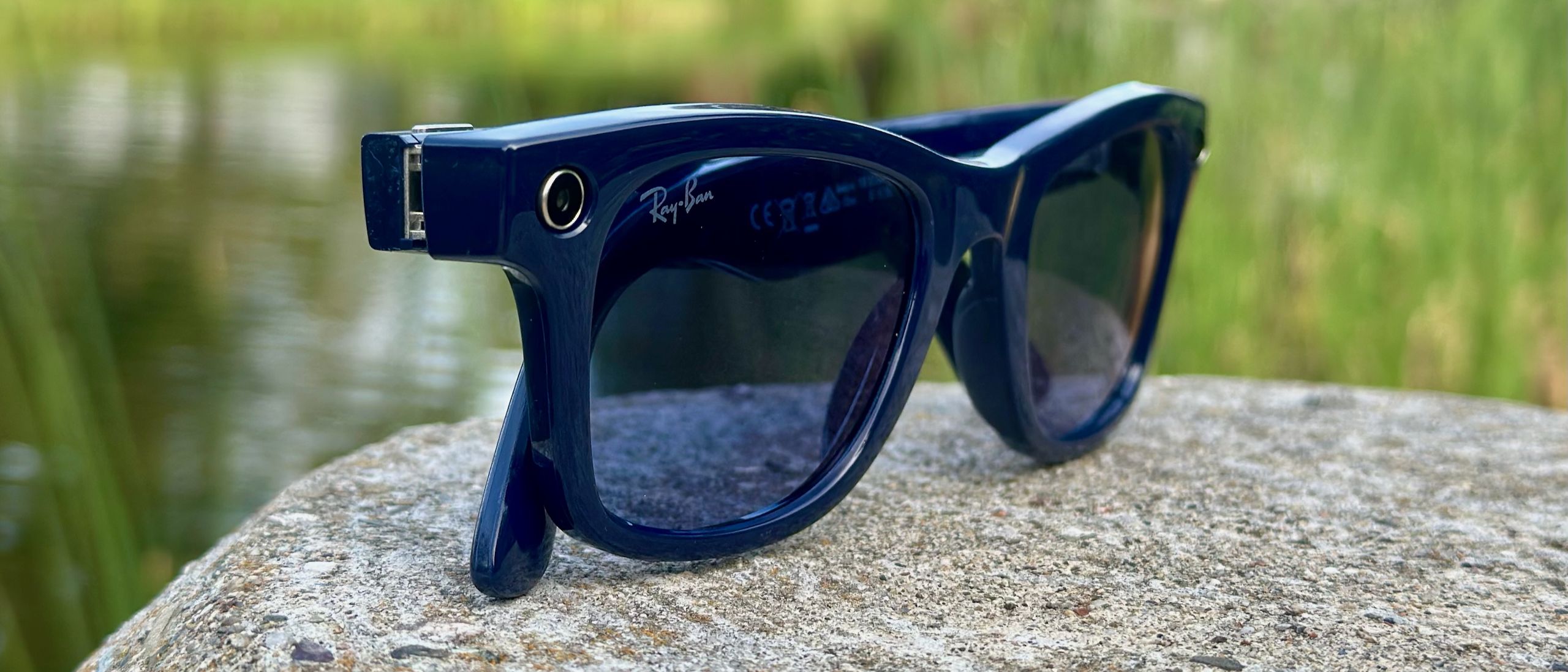
The Ray-Ban Meta (Gen 2) glasses offer notable upgrades like improved battery life, high-res photos, and AI features, making them the best smart glasses for casual use, though they remain thick and lack a HUD. They appeal to existing Gen 1 owners and those seeking stylish, functional smart glasses, but may not satisfy users wanting lighter, more advanced features or a built-in display.

The Ray-Ban Meta Gen 2 smart glasses feature improved battery life and a sharper camera, but remain similar to the first generation, with some users feeling self-conscious about wearing them due to privacy concerns and their appearance. They are priced at $379 and require multiple agreements for use, with some software features still pending release.
The article discusses upcoming upgrades to Meta's Ray-Ban smart glasses, including longer battery life, horizontal photo and video capabilities, audio note-taking, improved camera quality, and easier file transfers, all expected to be announced around September 17, enhancing usability and appeal.
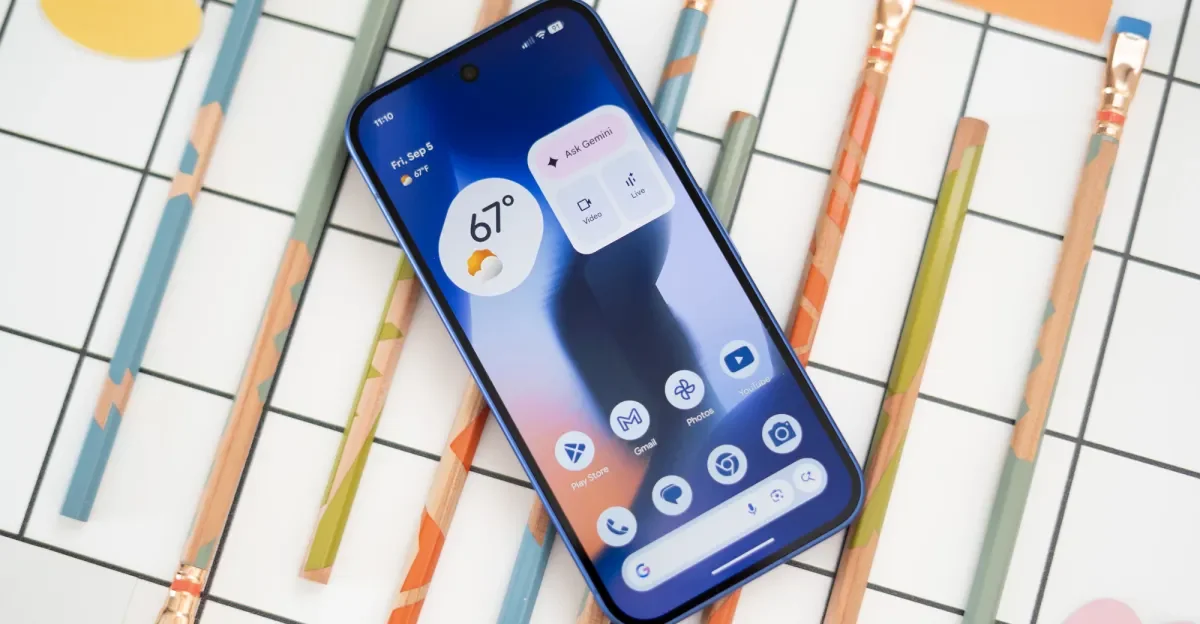
The Google Pixel 10 is a solid flagship smartphone priced at $799, offering useful AI features, Qi2 wireless charging with magnets, and a dedicated telephoto lens. However, its camera system is only average compared to previous models, with downgraded main and ultrawide cameras, and battery life is just adequate.
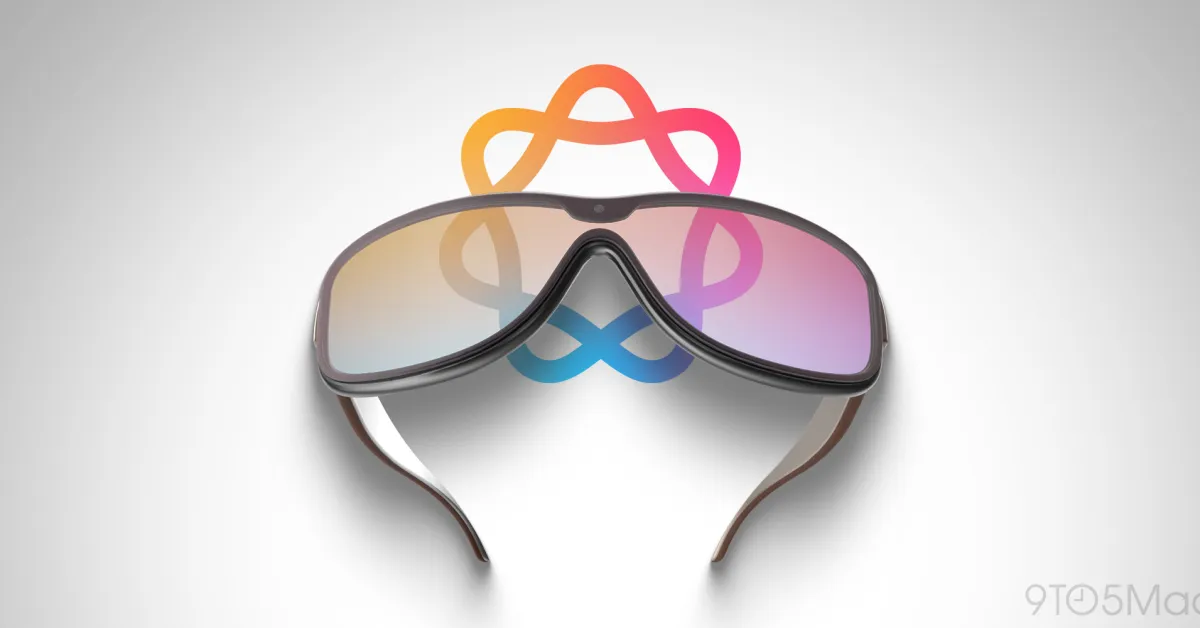
Apple is rumored to launch AI smart glasses next year, featuring cameras, microphones, speakers, Siri integration, and visual intelligence. To stand out, the author suggests improvements like deep Siri integration with personal context, higher quality cameras, and better notification management, which could make the product more appealing than existing options like Meta Ray-Bans.
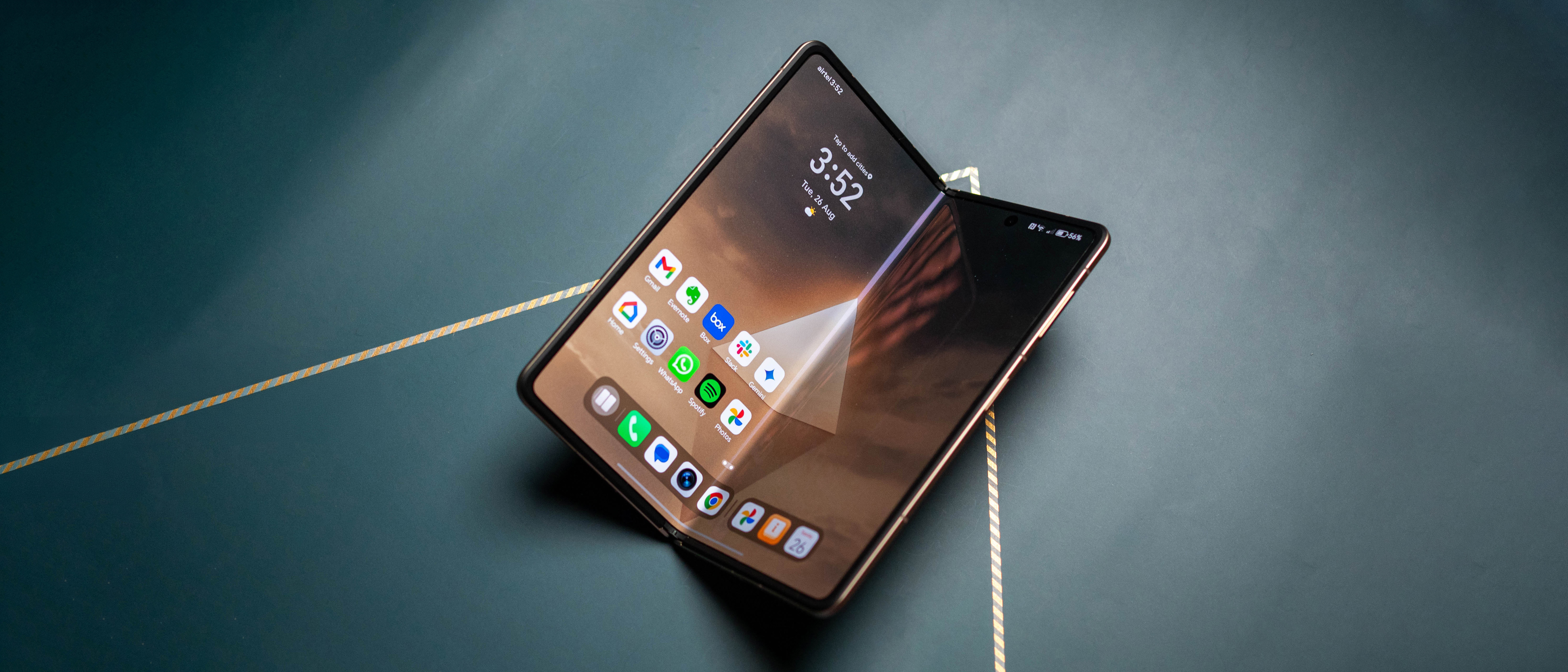
The Honor Magic V5 is a highly competitive foldable smartphone featuring a sleek design, top-tier cameras, the brightest OLED panels, and excellent battery life, making it a strong alternative to the Galaxy Z Fold 7 despite software and UI shortcomings. It offers robust hardware, impressive AI features, and a competitive price point, especially in Western markets where Honor is expanding its presence.
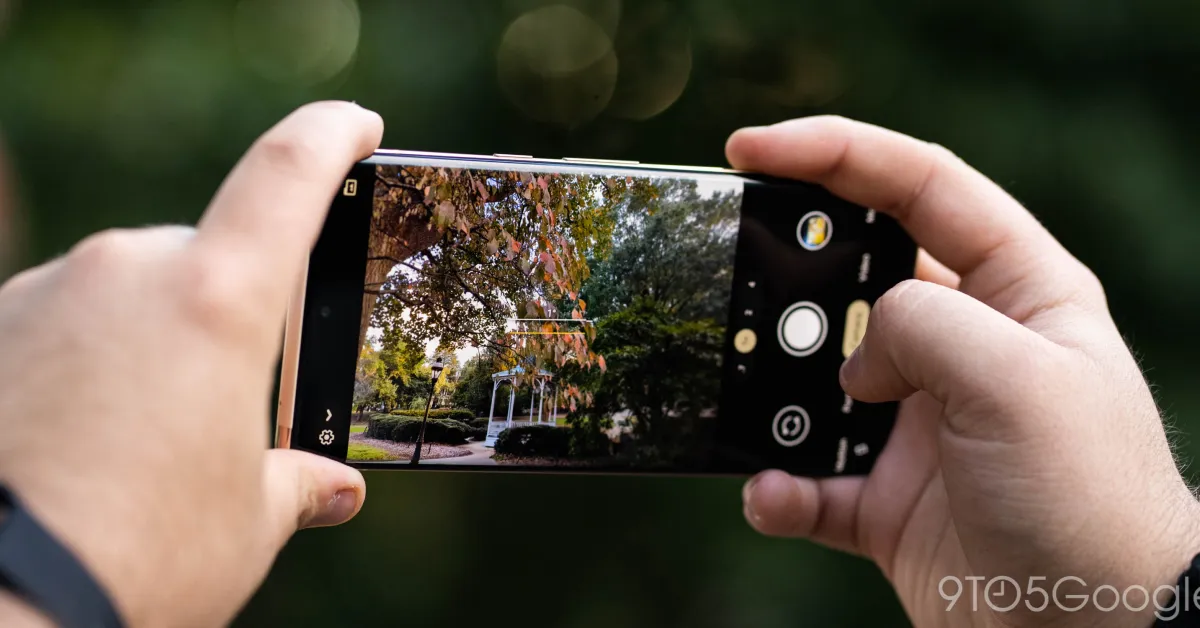
The article reflects on the changing quality of the Google Pixel camera, with nostalgia for the vivid and stunning images of the Pixel 6 Pro era, and discusses how recent updates may have diminished its photographic punch, while also mentioning the new 'Project Indigo' app that aims to revive computational photography excellence.
The Samsung Galaxy S25 Edge, a thin and lightweight premium smartphone, impresses with its design, performance, and camera but suffers from disappointing battery life, reflecting a broader industry trend of returning to ultra-thin phones despite tradeoffs in battery endurance.
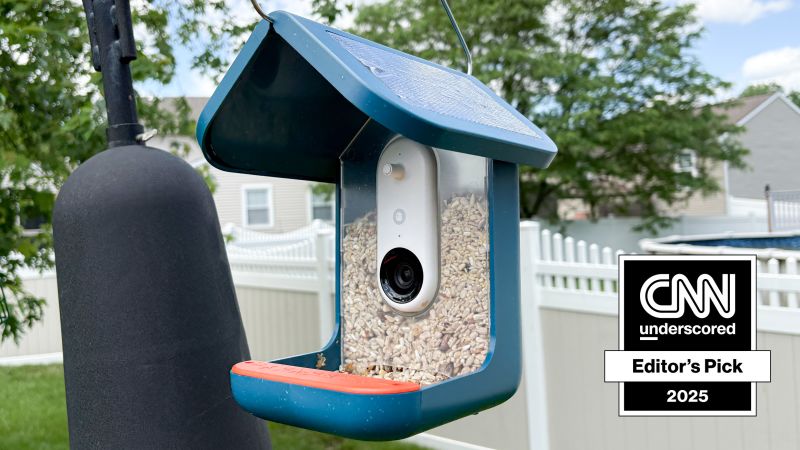
The Bird Buddy Smart Bird Feeder Pro is a highly advanced, camera-equipped bird feeder that connects to an app, allowing users to observe, identify, and learn about backyard birds remotely. It features high-quality video, AI-powered bird recognition, and social sharing options, making bird-watching more interactive and educational, though it has some limitations in bird identification accuracy and requires a subscription for premium features.
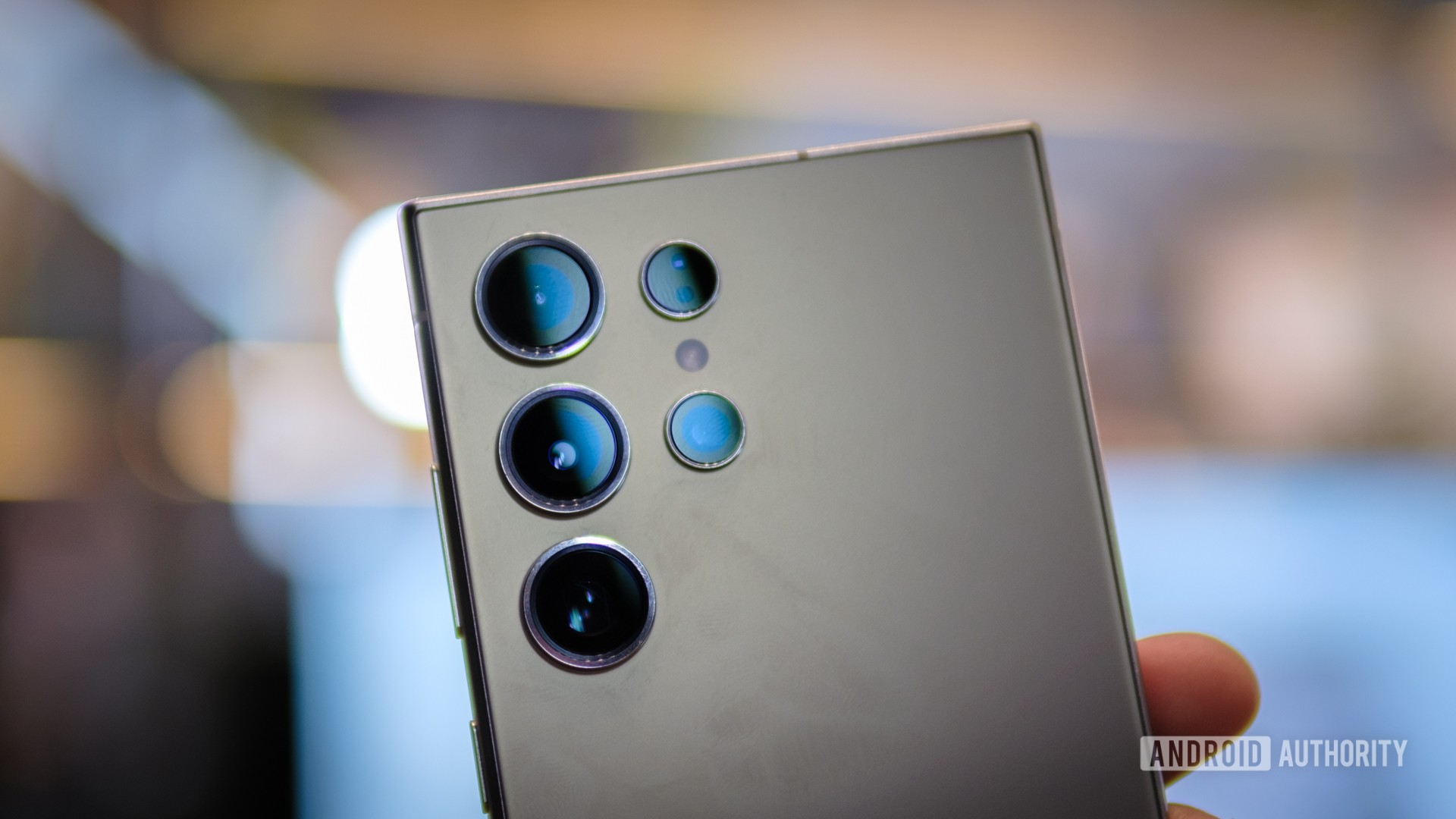
Samsung's Galaxy S24 series will now support Instagram and Snapchat apps with the same camera quality as the stock camera app, allowing access to the camera’s full capabilities. This update will enable users to capture photos within the apps without compromising on quality, and Instagram will also display images in Super HDR on the Galaxy S24 series. The new AI features and camera improvements in the S24 series aim to enhance the overall user experience.
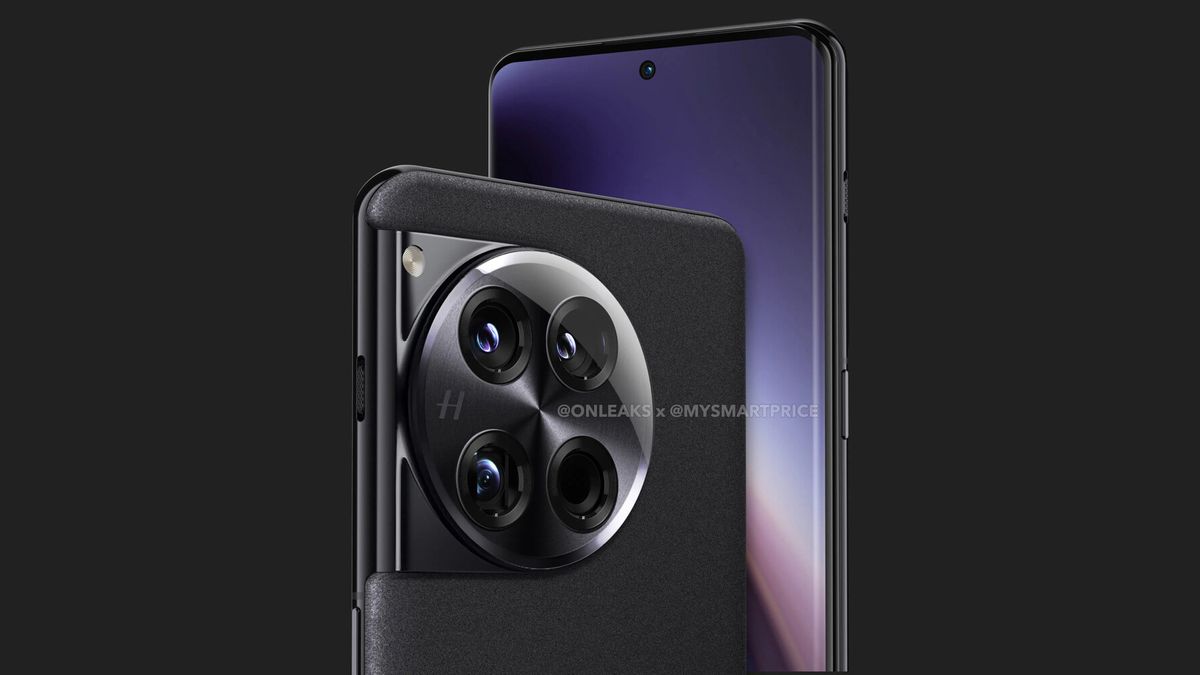
The upcoming OnePlus 12 is set to feature the new flagship camera sensor, codenamed LYT-808, which is part of Sony's Lytia sub-brand. The primary sensor will have a 50MP resolution and "double-layer transistorized pixel technology," resulting in excellent image quality. The telephoto camera will also be upgraded with a 64MP chip, offering 3x optical zoom and increased light sensitivity. This news follows Oppo's partnership with Hasselblad to develop an innovative camera system. The OnePlus 12 is expected to launch in January 2024, potentially making it the first flagship phone of the year.
The new Ray-Ban Meta Smart Glasses, announced at Meta Connect, feature upgraded 12-megapixel ultrawide cameras that significantly improve video and photo quality compared to their predecessor, the Ray-Ban Stories. The glasses offer 1080p video recording at 30 frames per second and higher-resolution photos, making them more shareable on social media platforms. The Meta smart glasses also introduce livestreaming capabilities on Instagram and allow users to share photos via voice command. Other updates include a larger capture LED and improved directional audio. With a classic Ray-Ban design and more style options, these smart glasses may appeal to content creators and influencers. However, questions remain about the companion app, connectivity limitations, IPX4 rating, and battery life.
Nothing has announced the release of the Phone 2, a high-end smartphone with improved performance and camera quality. The device features a Snapdragon 8+ Gen 1 chip, 4K video capabilities, and upgraded rear and front cameras. It also offers a larger 6.7-inch OLED screen, customizable software, and a 4,700mAh battery. The Phone 2 will be available in the US and Canada starting at $599, with pre-orders currently open and early sales on July 13th.
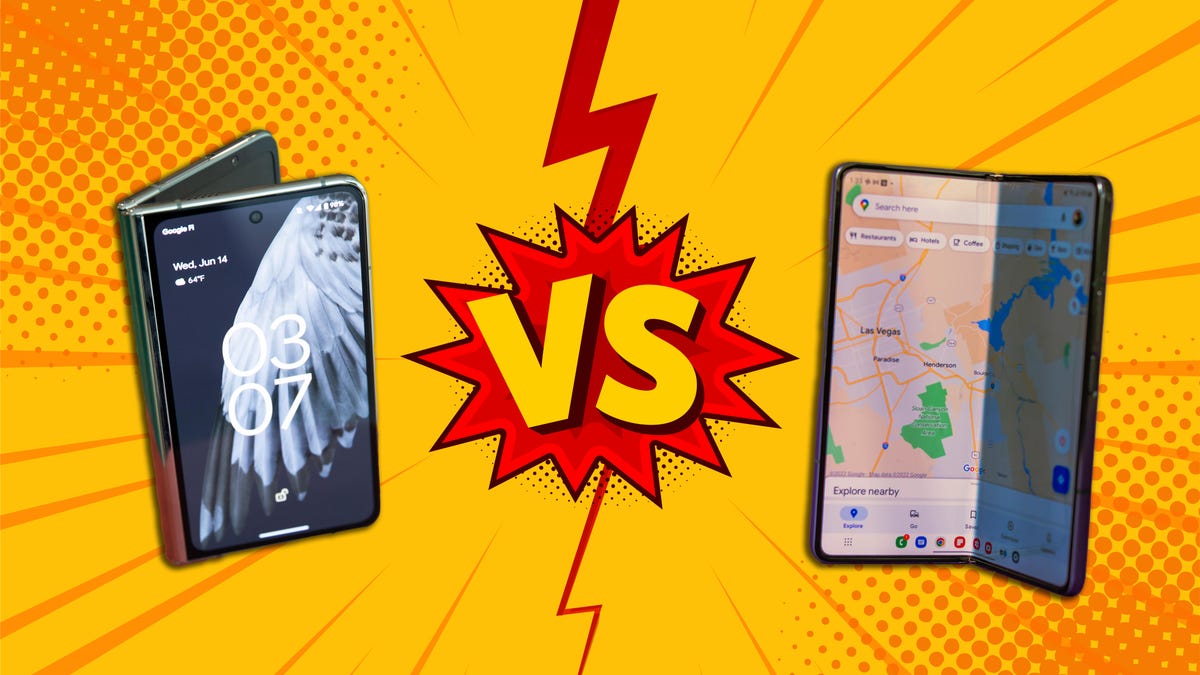
The Pixel Fold and Galaxy Z Fold 4 offer different strengths and weaknesses in the foldable phone market. The Pixel Fold has a wider cover screen, making it more useful when closed and providing a better portable TV experience. Its camera delivers crisp and colorful photos, although not as advanced as the Pixel 7 Pro's. On the other hand, the Galaxy Z Fold 4 has a bolder and sleeker interior screen with slimmer bezels, making it more appealing for viewing photos and browsing the web. Samsung also offers longer Android software updates and more polished software features. Ultimately, the choice between the two depends on individual preferences and priorities.
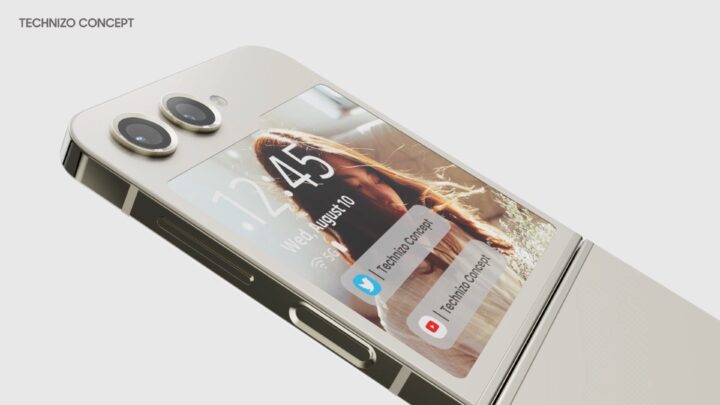
Samsung's upcoming Galaxy Z Flip 5 foldable phone is expected to have improved battery life and camera quality compared to its predecessor, with a bigger 12MP primary camera sensor and software optimizations. Despite a slightly smaller battery capacity, the phone is expected to offer Galaxy S23-like battery life due to its 3.4-inch cover screen that allows users to use the camera, check notifications, and use stock apps and widgets. The phone is also expected to feature a Snapdragon 8 Gen 2 processor, 8GB RAM, 128GB/256GB storage, 5G, eSIM, GPS, Wi-Fi 6E, Bluetooth 5.3, USB 3.2 Type-C port, 25W fast charging, and wireless charging.