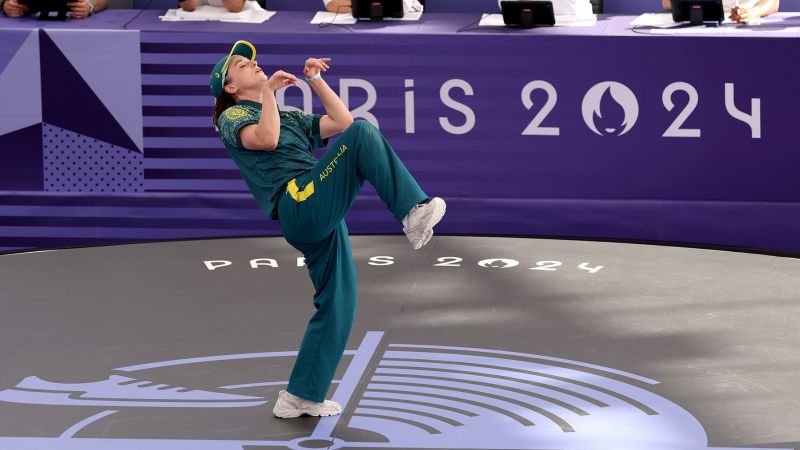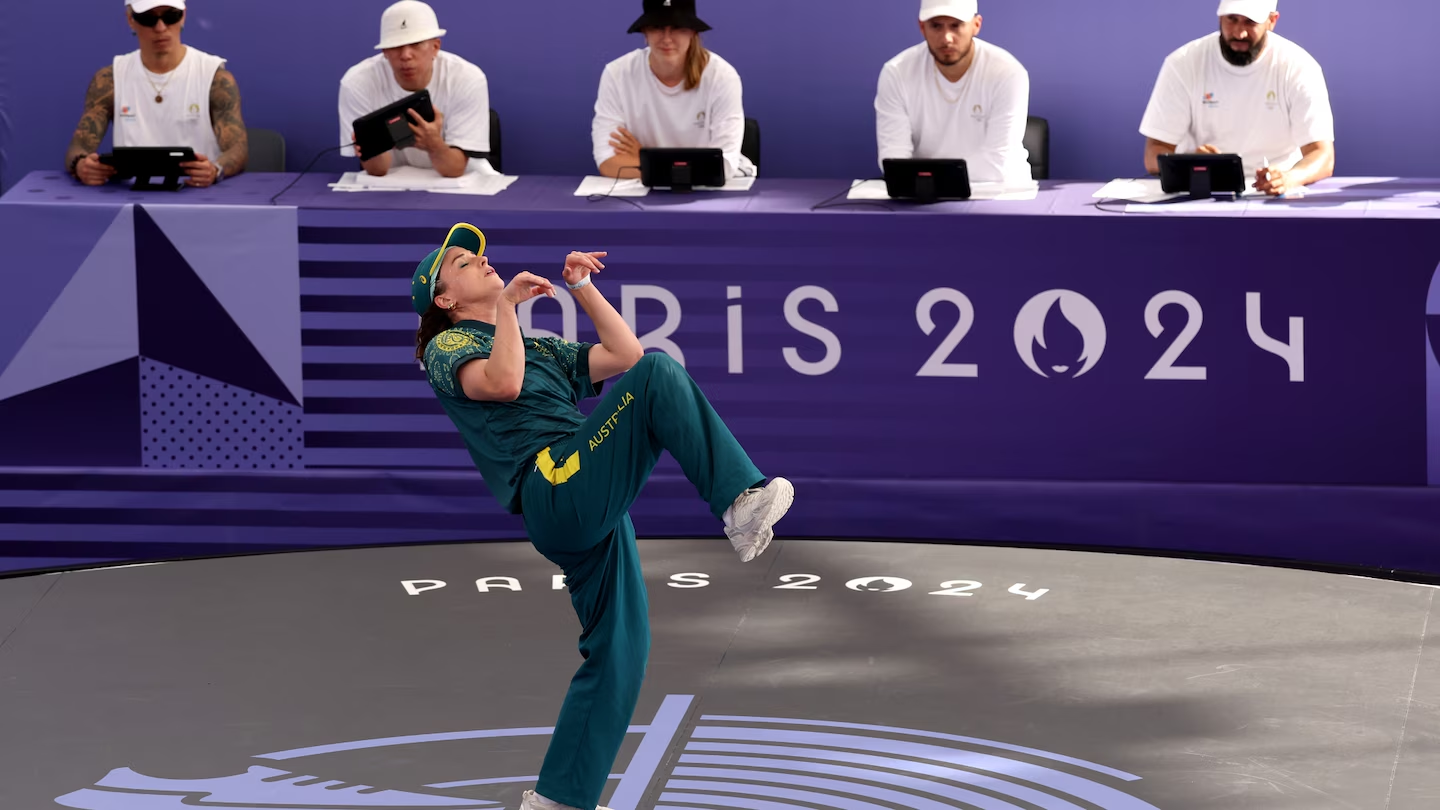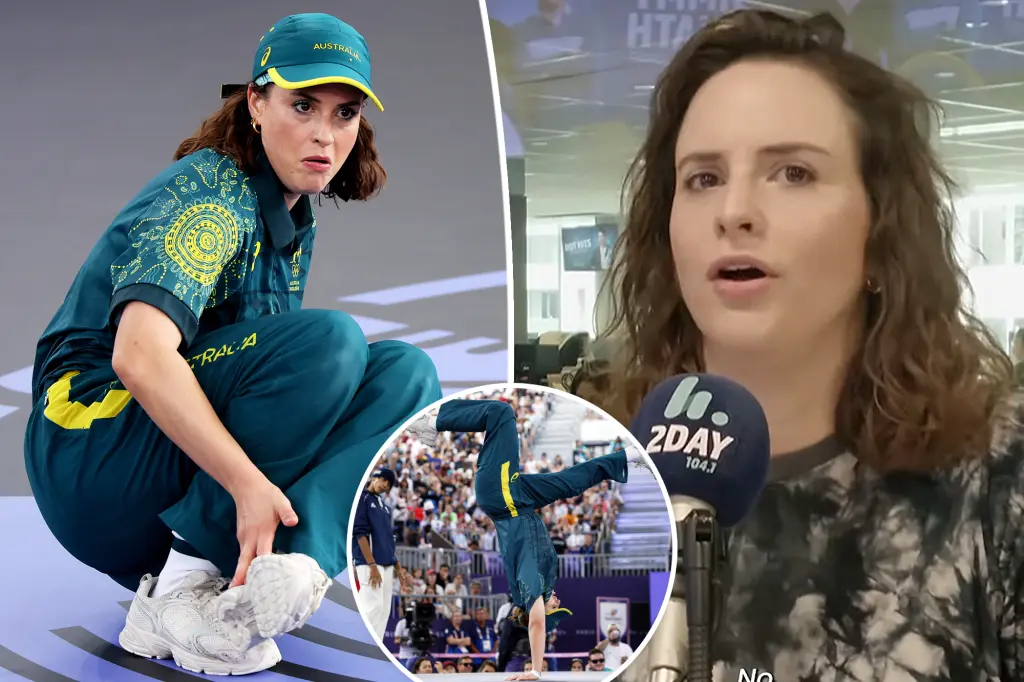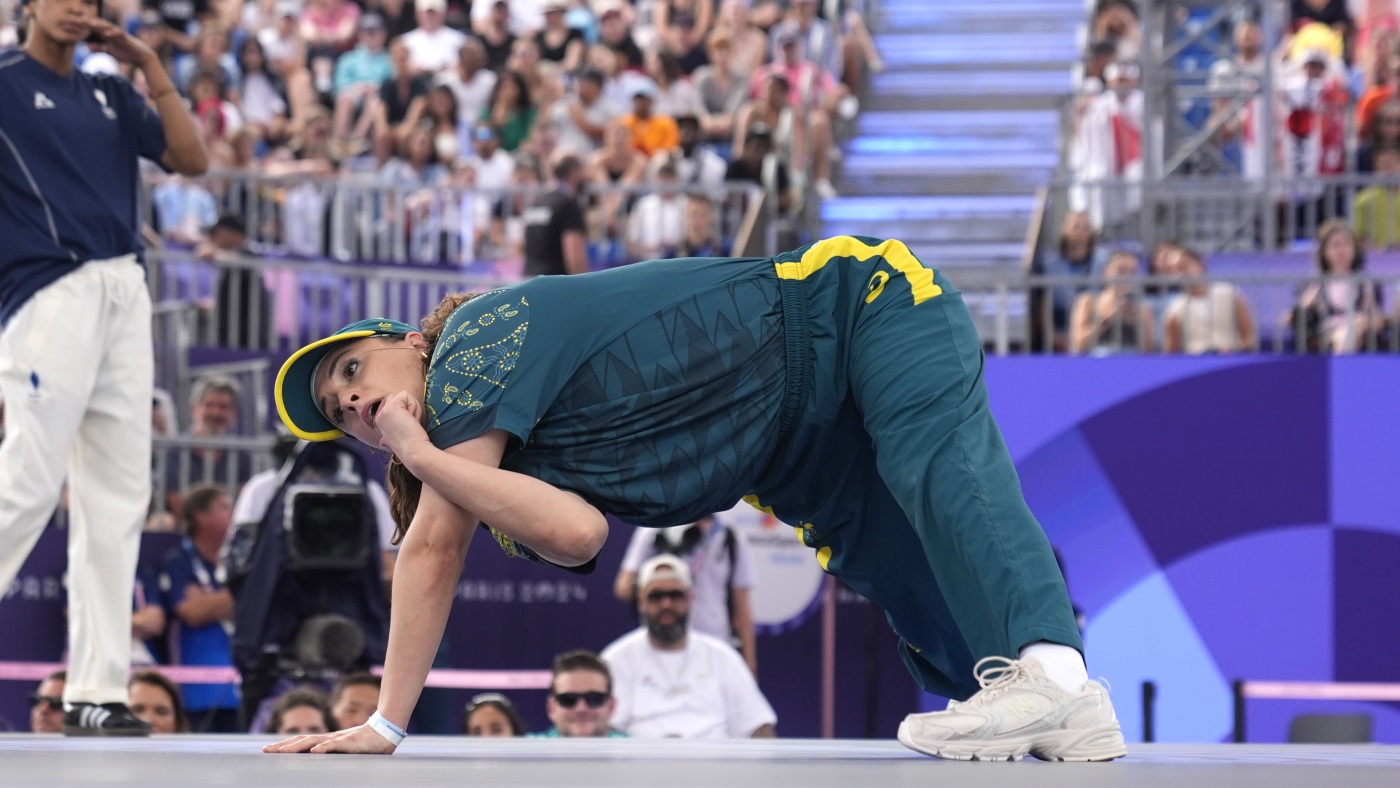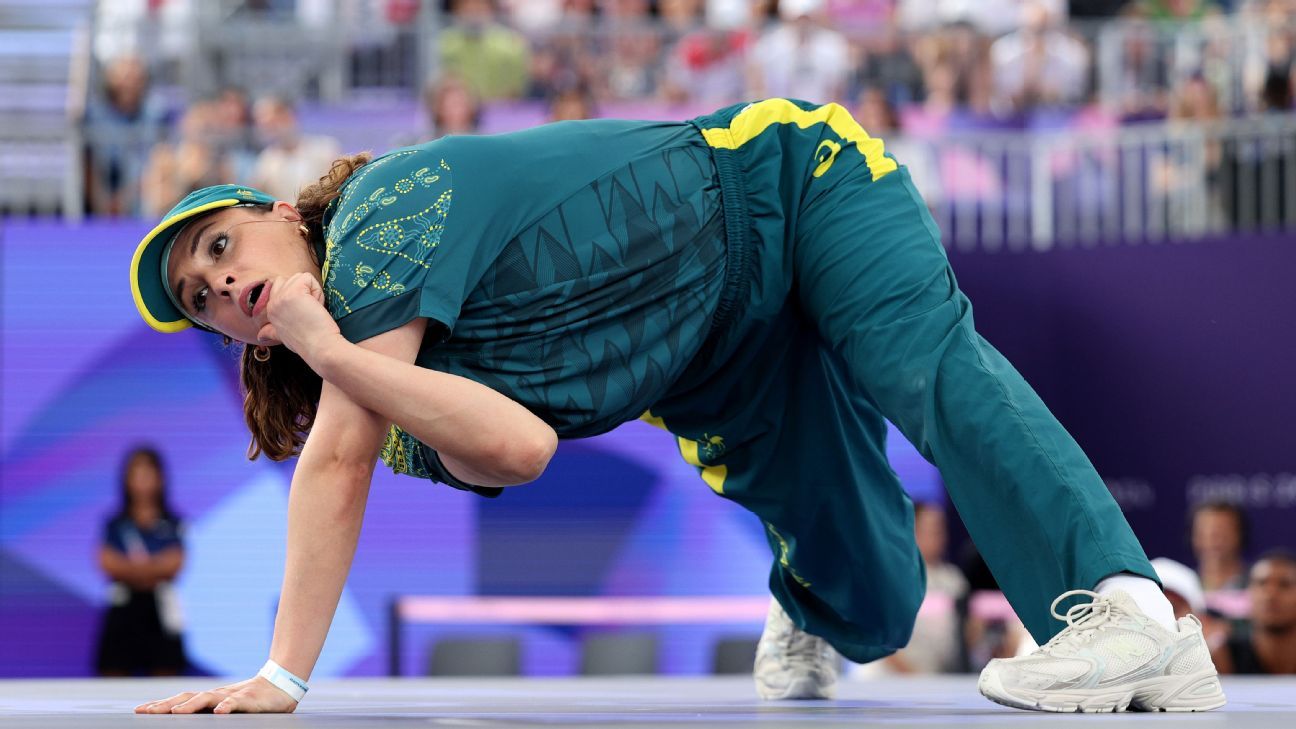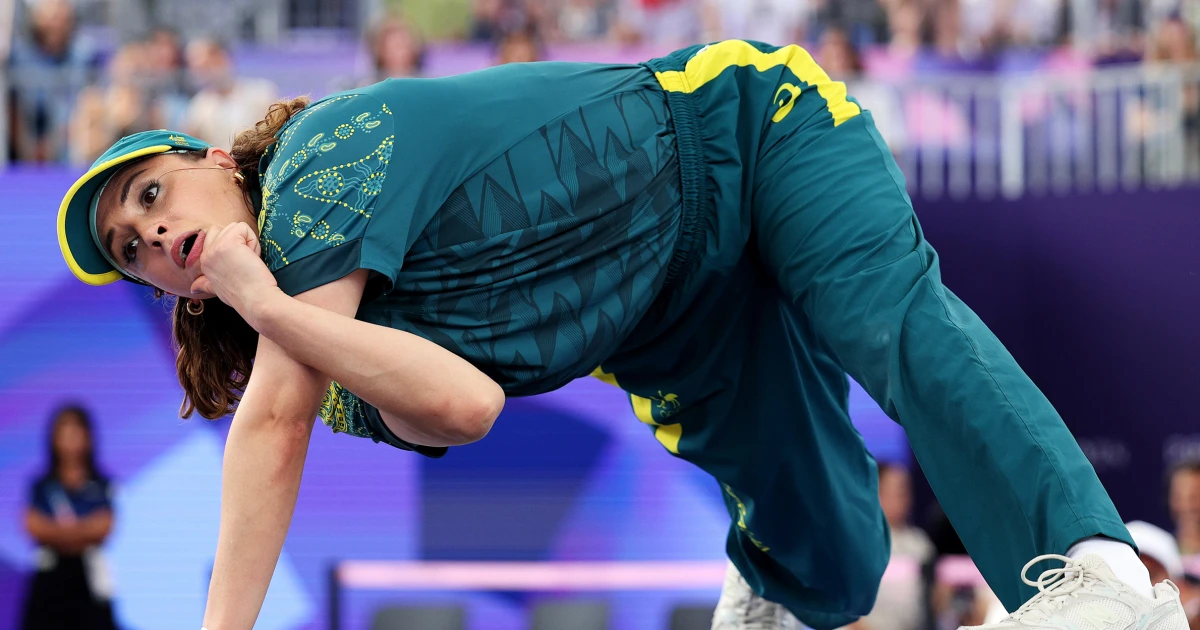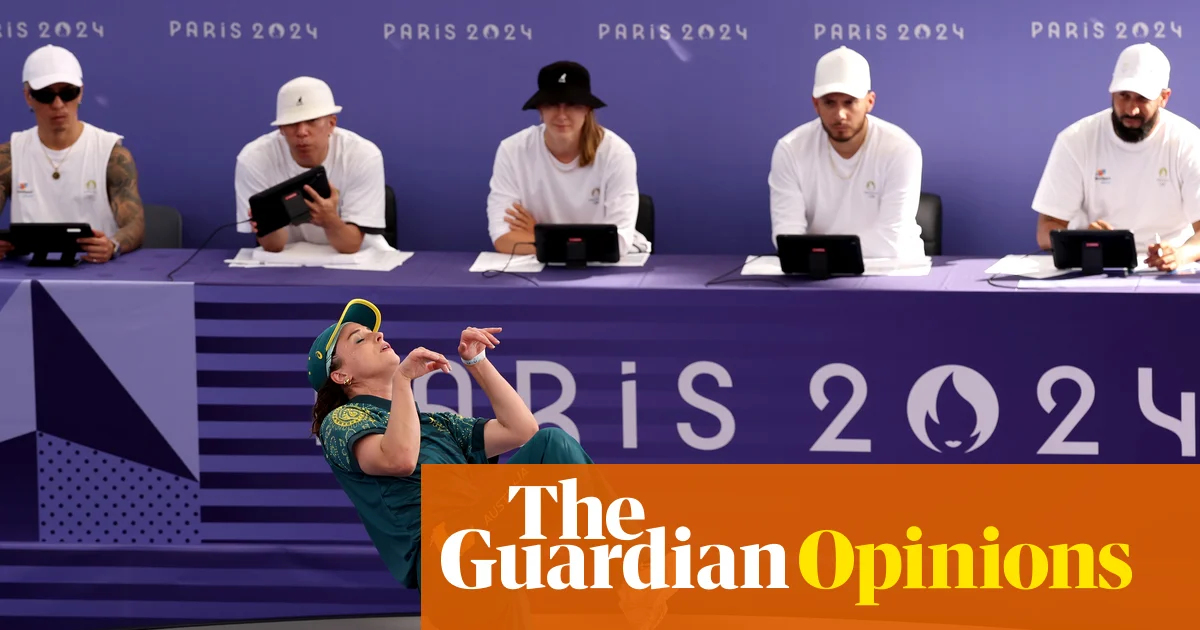
Australian breakdancer Rachael Gunn, aka Raygun, faced widespread ridicule after her Olympic performance and is now the subject of a controversial musical that critiques her and breaking culture, highlighting issues of race, class, and representation in the sport. Despite mixed reviews, her dance was better than many trolls suggested, and the controversy overshadowed the sport's future in the Olympics.
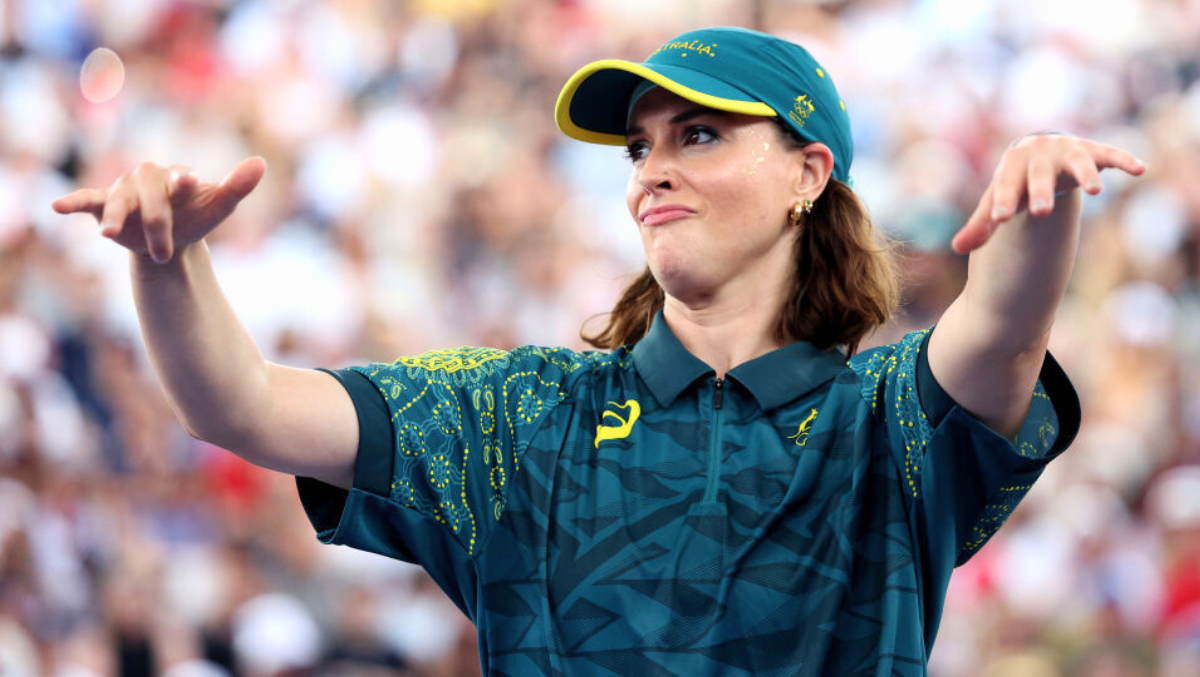
The debut of 'Raygun: The Musical,' a parody inspired by viral Olympic breakdancer Rachael Gunn, was canceled after Gunn's legal team threatened action, fearing it would misrepresent her brand. Despite Gunn's humorous and unsuccessful Olympic performance, her lawyers emphasized the need to protect her creative rights. The musical, written by comedian Steph Broadbridge, was intended as a lighthearted tribute but faced backlash for potentially harming Gunn's image.
The musical 'Raygun: The Musical,' inspired by Olympic breakdancer Rachael Gunn, was canceled just before its debut after Gunn's lawyers threatened legal action, claiming it could damage her brand. The show's creator, Steph Broadbridge, intended the parody to celebrate Gunn's viral Olympic performance but faced legal challenges over trademark issues and concerns about brand affiliation. Ticket proceeds were to benefit a charity, and Broadbridge has apologized for any negativity Gunn experienced.
Breakdancer Rachael Gunn, known as Raygun, has instructed her lawyers to shut down "Raygun: The Musical," a parody inspired by her Olympic performance, to protect her brand. The musical, which was set to premiere in Sydney, has been canceled by creator Steph Broadbridge following legal notice. Additionally, Gunn's lawyers have banned the use of her signature "kangaroo dance" in the show, claiming she owns the rights to it.
Australian breakdancer Rachael Gunn, known as Raygun, announced she will no longer compete in elite competitions following harsh criticism and online backlash after her performance at the Paris Olympics. Despite her love for dancing, Gunn cited the intense scrutiny and misinformation surrounding her Olympic qualification as reasons for stepping back from competitive breakdancing.
Breakdancer Raygun, whose real name is Rachael Gunn, announced her retirement from competitive breakdancing following harsh criticism of her performance at the 2024 Paris Olympics, where she failed to score. Despite being ranked No. 1 by the World DanceSport Federation, the backlash was overwhelming, leading her to step back from competitions. Raygun expressed gratitude to her supporters but found the negative reactions "really upsetting."
Australian breakdancer Rachael Gunn, known as B-Girl Raygun, announced her retirement from competitive breaking following backlash from her performance at the 2024 Paris Olympics. Despite her previous successes, Gunn faced criticism and ridicule for her Olympic performance, which led her to decide against future competitions. She expressed concerns over the impact of public scrutiny and the loss of control over her narrative. Gunn plans to focus on projects that promote creativity and enjoyment in dance.
Australian breakdancer Rachael Gunn, known as Raygun, has retired from competitive breakdancing following backlash from her performance at the 2024 Paris Olympics. Despite going viral and facing criticism for her unconventional moves, Gunn expressed her disappointment over the scrutiny and online attention, which led to her decision to step away from competitions. She emphasized her dedication to the sport and requested privacy for her and her community. Breaking will not be featured in the 2028 Olympics in Los Angeles.
Australian breakdancer Rachael "Raygun" Gunn has decided to stop competing after facing backlash over her performance at the Paris Olympics, where she lost all her battles. Despite continuing to dance privately, Gunn cited the negative attention and conspiracy theories about her qualification as reasons for stepping back from competitive breaking. An online petition accusing her of manipulating the qualification process was removed after the Australian Olympic Committee intervened. Breaking will not be part of the 2028 Los Angeles Olympics.
Rachael "Raygun" Gunn, an Australian breakdancer, has retired from competitive breakdancing following backlash from her viral performance at the 2024 Paris Olympics, where she received zero points. The online criticism and conspiracy theories about her participation led her to stop competing, though she continues to dance privately. Gunn has launched the #RaygunChallenge, a contest encouraging breakdancers to showcase their skills on social media, with cash prizes for the best performances.
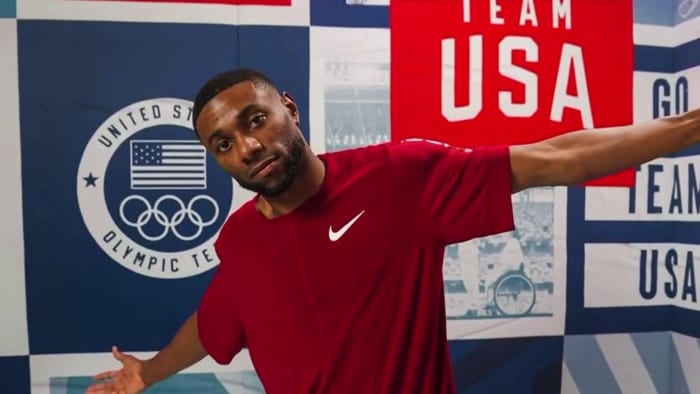
Jeffrey Louis, also known as B-Boy Jeffro, from Alief, Houston, is a top contender for the 2024 Paris Olympics in the new sport of "Breaking." With a strong following on Instagram and a history of success in world competitions, he is vying for a spot on Team USA in the Olympic Qualifier Series in June. The Olympic breaking competitions will take place on August 9 and 10 at La Concorde Urban Park, with Louis aiming to showcase the diversity and culture of Houston through his gravity-defying moves.
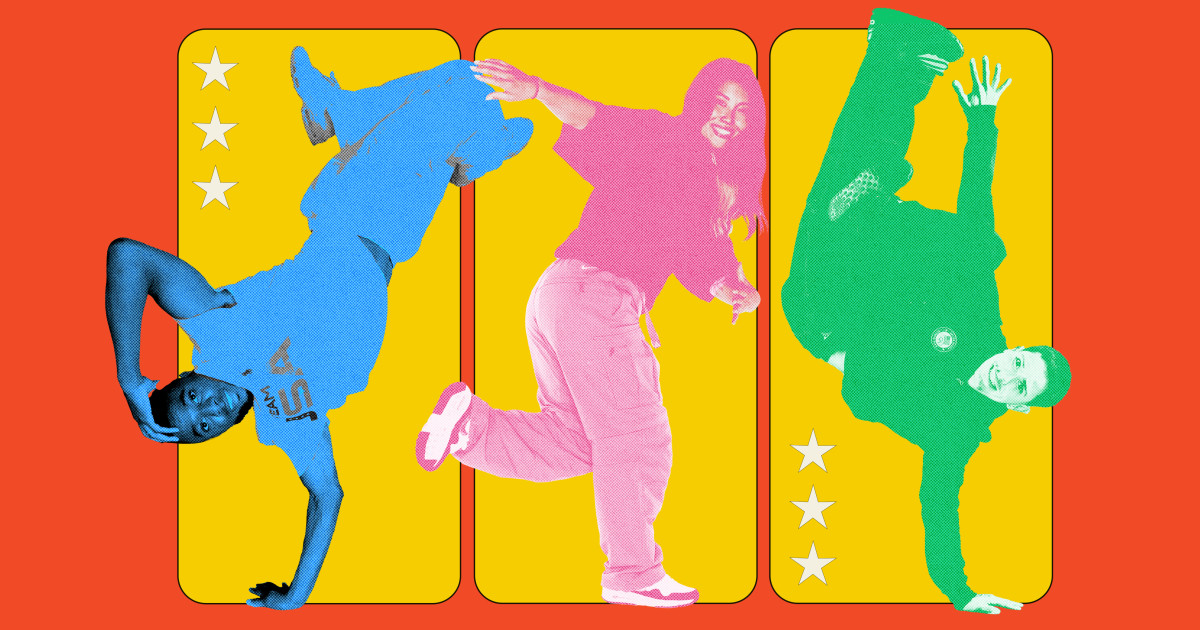
Breakdancing, also known as breaking, will make its Olympic debut at the Paris Games, aiming to captivate a younger audience and inspire participation in the sport. The competition will feature solo battles for men and women, showcasing acrobatic movements, stylized footwork, and power moves set to music. The U.S. Olympic breaking team will include two B-boys and two B-girls, with hopes of securing the first breaking medalists in Olympic history. Originating in New York City in the 1970s, breaking has evolved into a global cultural art form, with the U.S. considered a front-runner in the sport.