Ticketmaster claims to have implemented new measures to combat scalpers and bots, such as ID verification and account restrictions, in response to FTC lawsuits accusing it of working with resellers to inflate prices. The company denies these allegations and states it is doing more than anyone to ensure tickets go to genuine fans, but industry groups criticize these efforts as insufficient and accuse Ticketmaster of collusion with scalpers. The situation remains under scrutiny as more developments are expected.
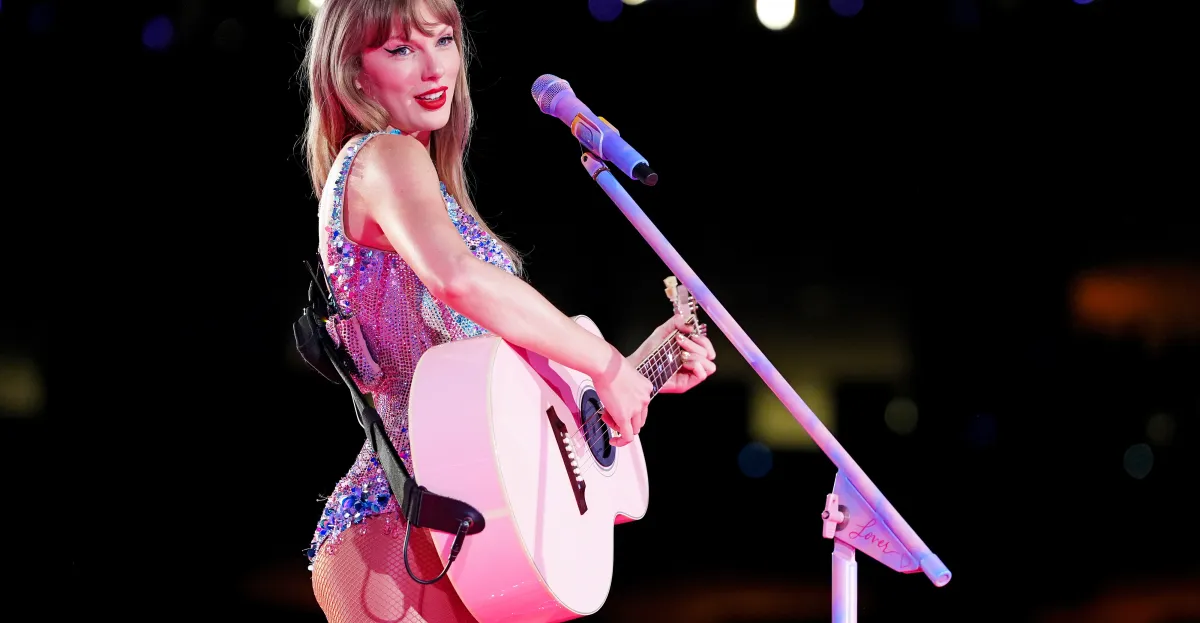
The FTC is suing Key Investment Group for illegally purchasing over 2,200 Taylor Swift Eras Tour tickets using bots and other deceptive methods, reselling them at a significant profit, and violating the BOTS Act. The company denies wrongdoing, claiming the FTC's interpretation of the law is misleading.
The FTC has sued Maryland-based Key Investment Group for allegedly violating the BOTS Act by using illegal methods to buy nearly 380,000 tickets for Taylor Swift's Eras Tour and other concerts, reselling them for millions of dollars, in a move that marks increased enforcement against ticket scalping practices.
U.S. Senators have introduced the Fans First Act, a bipartisan bill aimed at reforming the live-event ticketing system. The legislation seeks to increase transparency in ticket sales, protect consumers from fake or overpriced tickets, and hold bad actors accountable. It requires sellers to disclose the total cost of the ticket, including fees, at the start of a transaction, prohibits the use of bots to purchase tickets, imposes civil penalties on resellers engaging in illegal practices, and establishes refund requirements for canceled events. The bill has garnered support from various industry organizations and Live Nation, the owner of Ticketmaster.