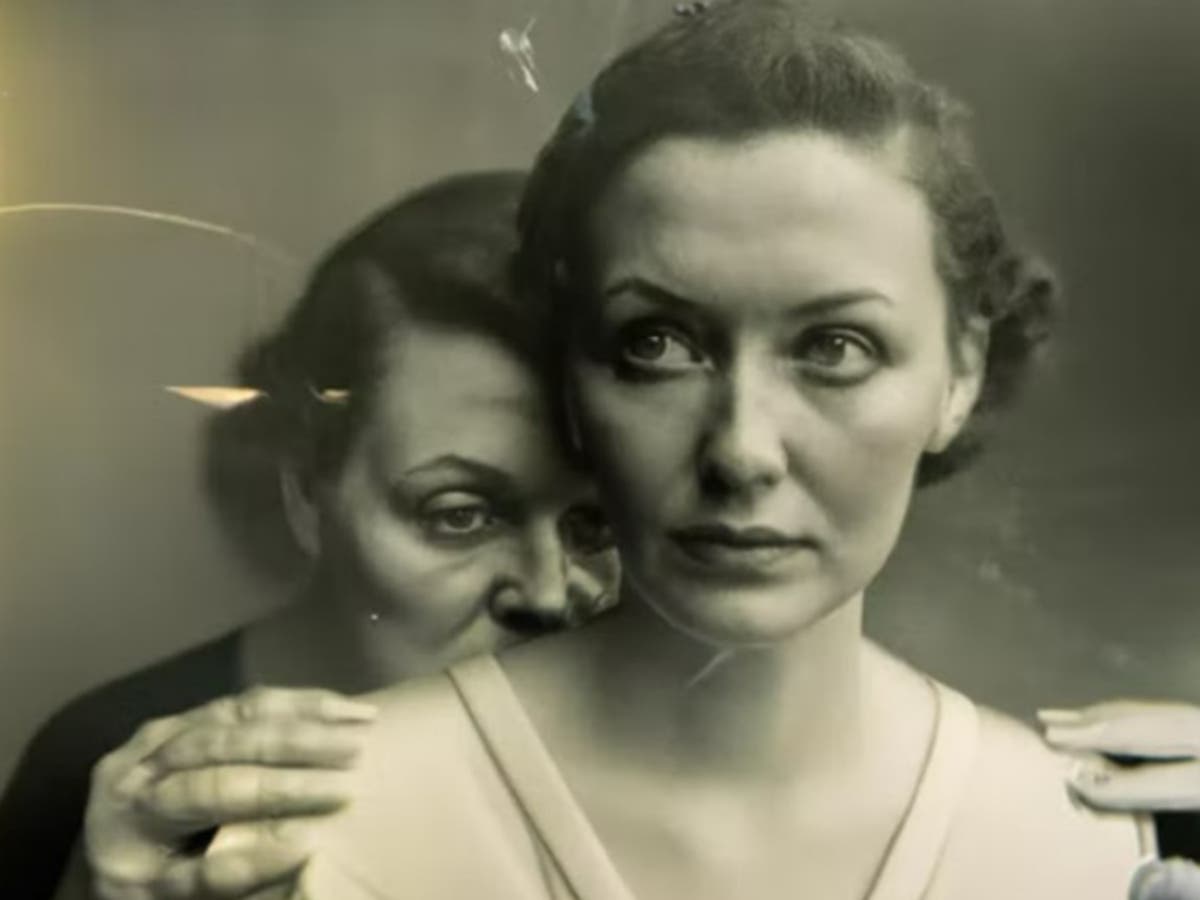
German photographer Boris Eldagsen refused a prestigious prize from the Sony World Photography Awards after revealing that his winning photograph was created using artificial intelligence. Eldagsen said he applied to the competition to find out if it was prepared for AI images to enter and hoped to speed up the debate about what should be considered photography. The World Photography Organisation said Eldagsen had co-created the image using AI before he was announced as the winner and that his entry fulfilled the criteria for the creative open category.
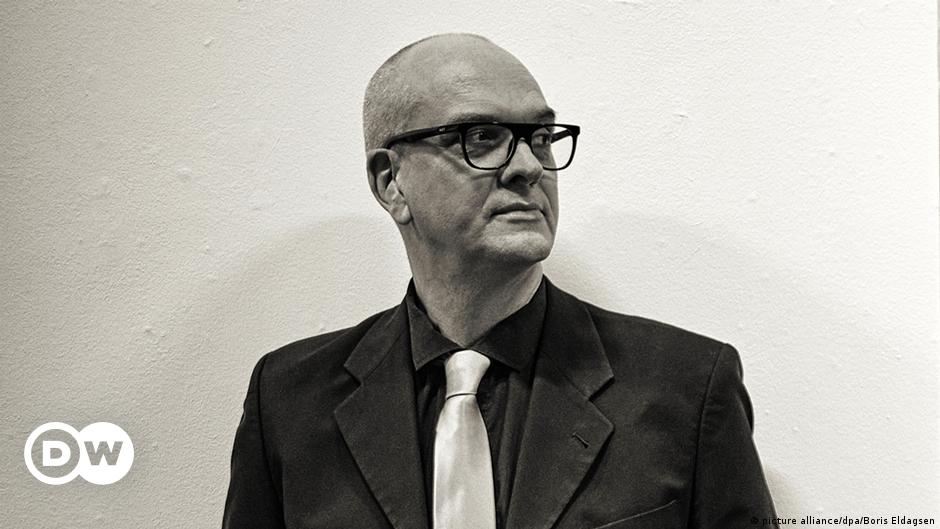
Berlin-based photographer Boris Eldagsen rejected the recognition from Sony World Photography Awards, saying that artificial intelligence (AI) images and photography should not compete with each other in similar contests. Eldagsen urged for debate on the role of AI in photography. Recently, AI has been making headlines with its ability to generate various content, from detailed travel itineraries to academic essays and code in various programming languages.
Photographer Boris Eldagsen won a category in the Sony World Photography Awards with an AI-generated image, but refused the prize, stating that AI images and photography should not compete with each other. Eldagsen submitted the image to spark a debate about the use of AI in the industry and urged for an open discussion about this topic in the photography world. The competition allowed the use of "any device," and Eldagsen claims the photography competition had no clue the photo was AI-generated.
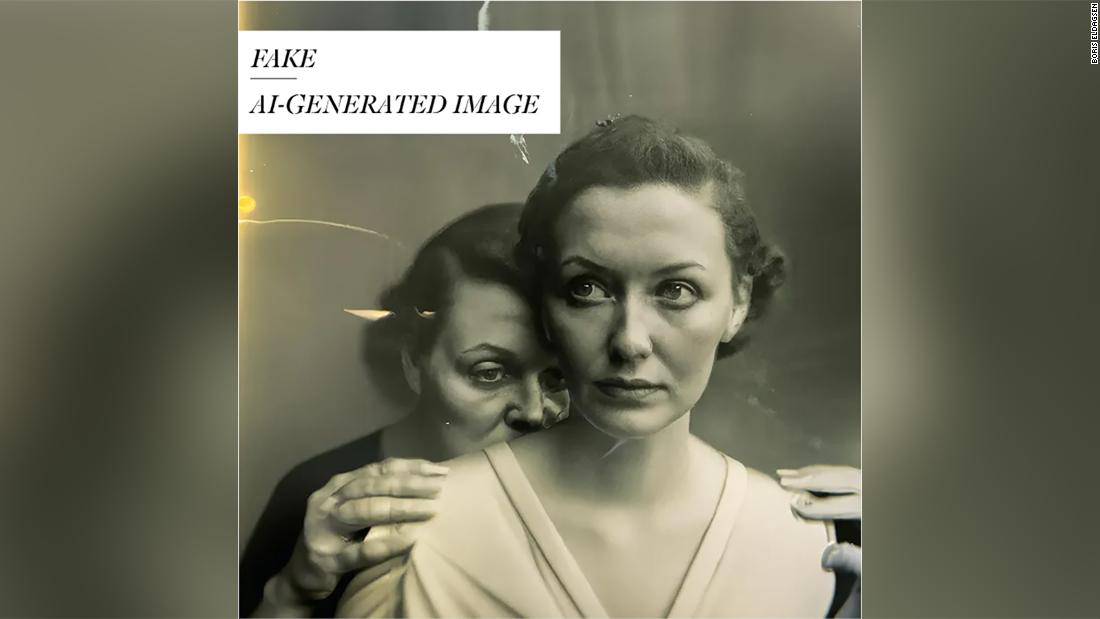
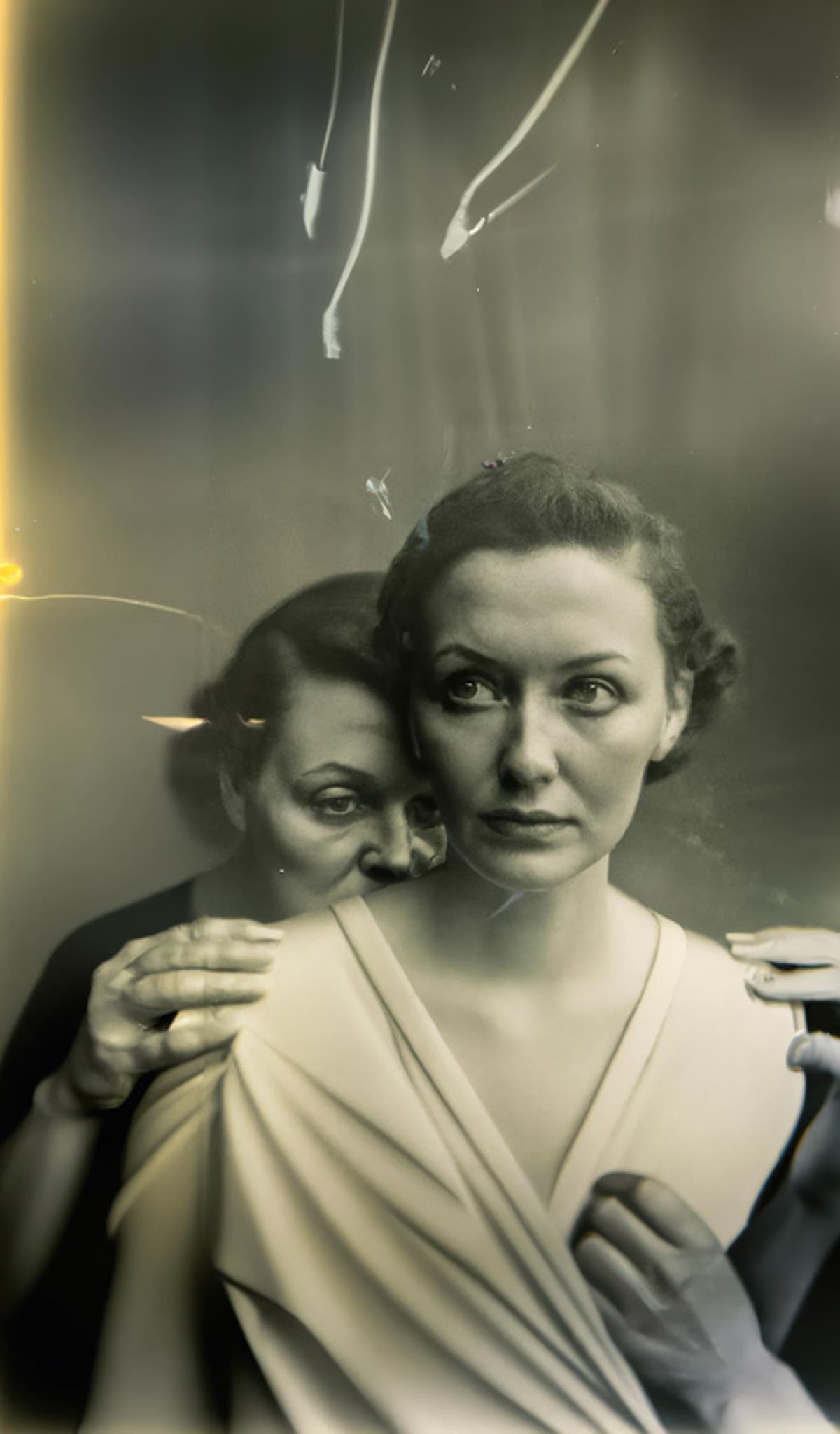
German artist Boris Eldagsen has declined a Sony World Photography award for his work titled "The Electrician" because it was partially generated by artificial intelligence. Eldagsen argued that AI images do not count as photography nor should they be judged in the same competitions, calling for an "open discussion" about what is considered photography and what isn't. The World Photography Organisation insists Eldagsen told organizers he had completed "co-creation" of the image using AI before the win was announced.
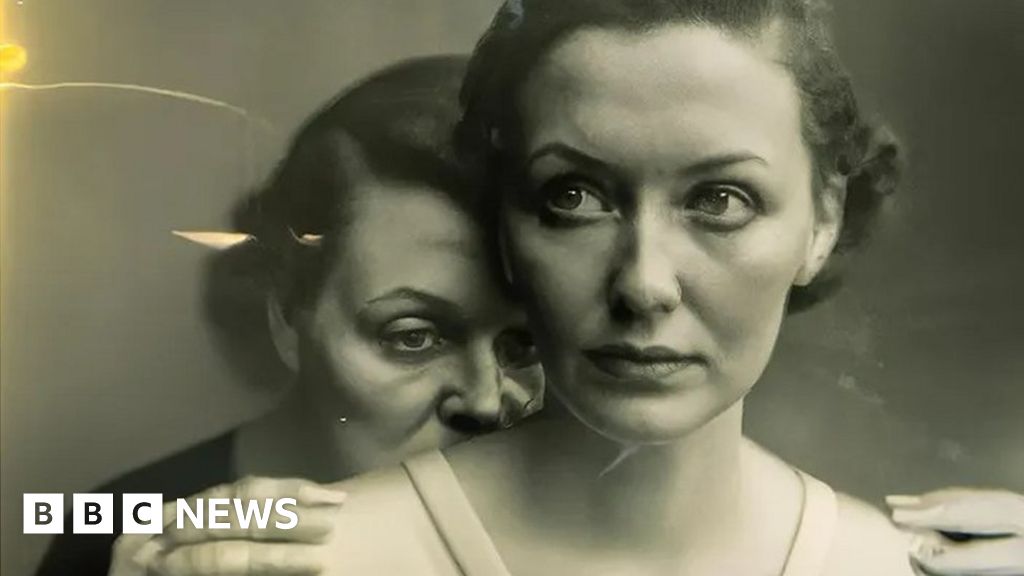
German artist Boris Eldagsen has rejected an award from the Sony World Photography Award after revealing that his submission was generated by Artificial Intelligence (AI). Eldagsen won the creative open category with his entry "Pseudomnesia: The Electrician." Eldagsen said he hoped his actions would open up the conversation around the issue and lead to "separate competitions for AI-generated images." Eldagsen said his intention was not to create trouble, but to open up an important conversation.
German photographer Boris Eldagsen refused a prestigious prize from the Sony World Photography Awards after revealing that his winning photograph was created using artificial intelligence. Eldagsen said he applied to the competition to find out if it was prepared for AI images to enter and hoped to speed up the debate about what should be considered photography. The World Photography Organisation said Eldagsen had co-created the image using AI before he was announced as the winner and that his entry fulfilled the criteria for the creative open category.
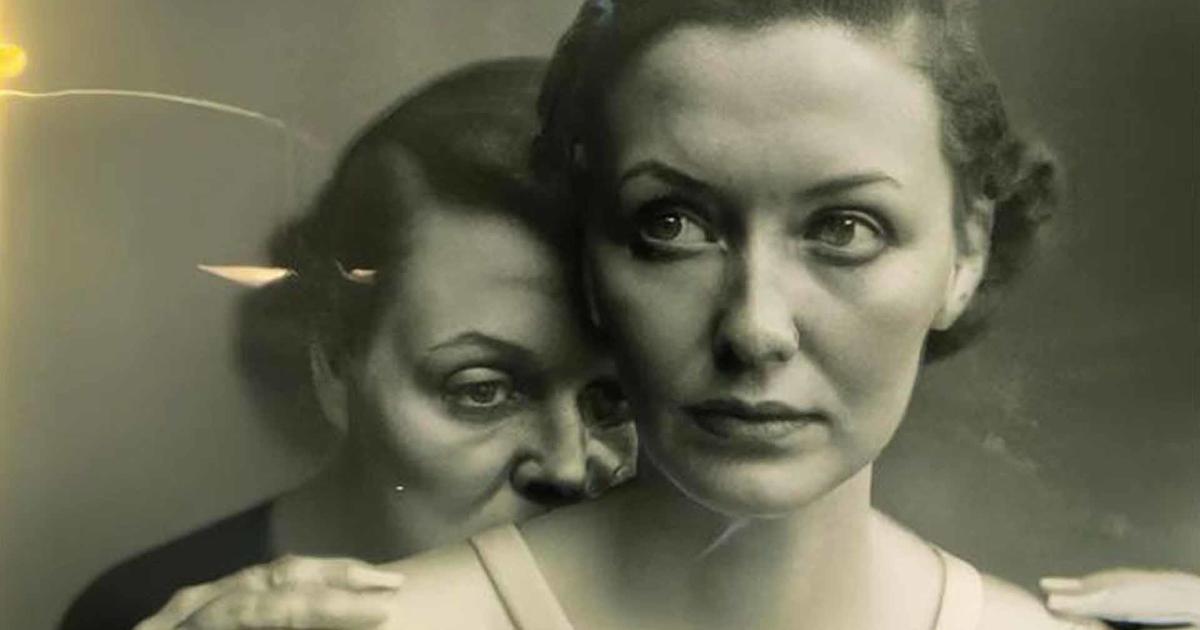
German artist Boris Eldagsen has refused to accept the top prize in the creative open category at the Sony World photography awards after revealing that his winning entry, Pseudomnesia: The Electrician, was generated through artificial intelligence. Eldagsen said he entered the competition to test whether the art world is prepared for the misuse of generative software in competitions, and concluded that it is not. Competition organizers said Eldagsen had misled them.
The winner of the creative open category at the Sony World Photography Award, Boris Eldagsen, has refused his prize after revealing that his entry, entitled Pseudomnesia: The Electrician, was an AI creation. Eldagsen said he used the picture to test the competition and to create a discussion about the future of photography. Organisers of the award told BBC News Eldagsen had misled them about the extent of AI that would be involved. Eldagsen admitted he had been a "cheeky monkey" and questioned if any of the judges "knew or suspected that it was AI-generated".