The article lists 27 movies considered highly offensive due to their use of blackface, stereotypes, racial and cultural insensitivity, and harmful portrayals of marginalized groups, arguing that many of these films should never be re-screened or made today.
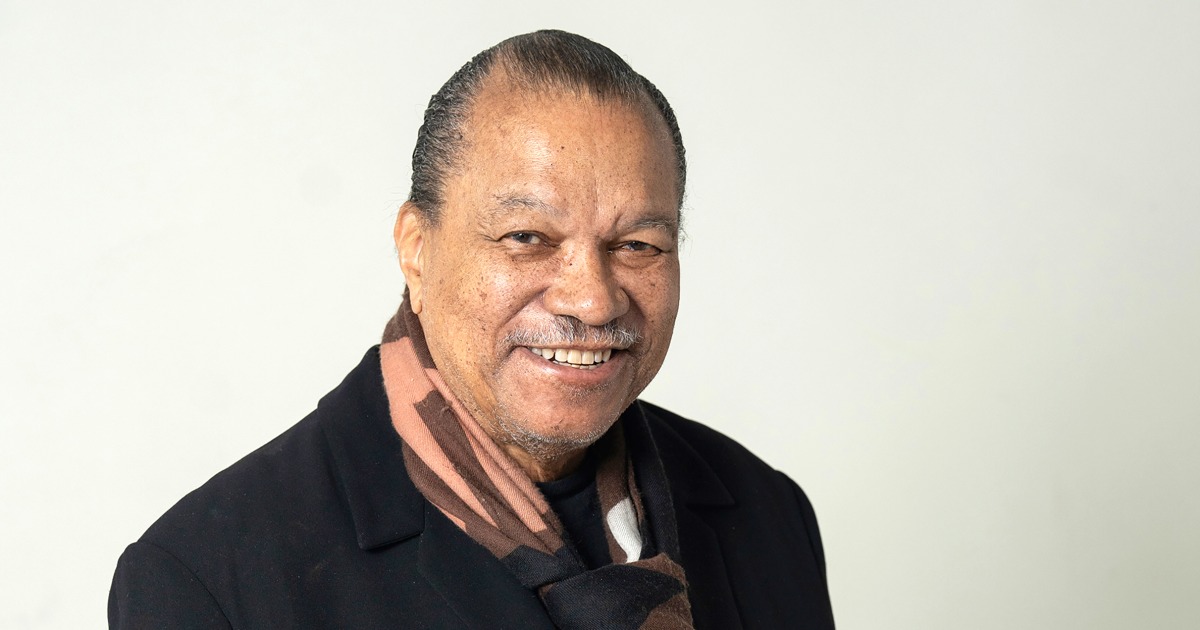
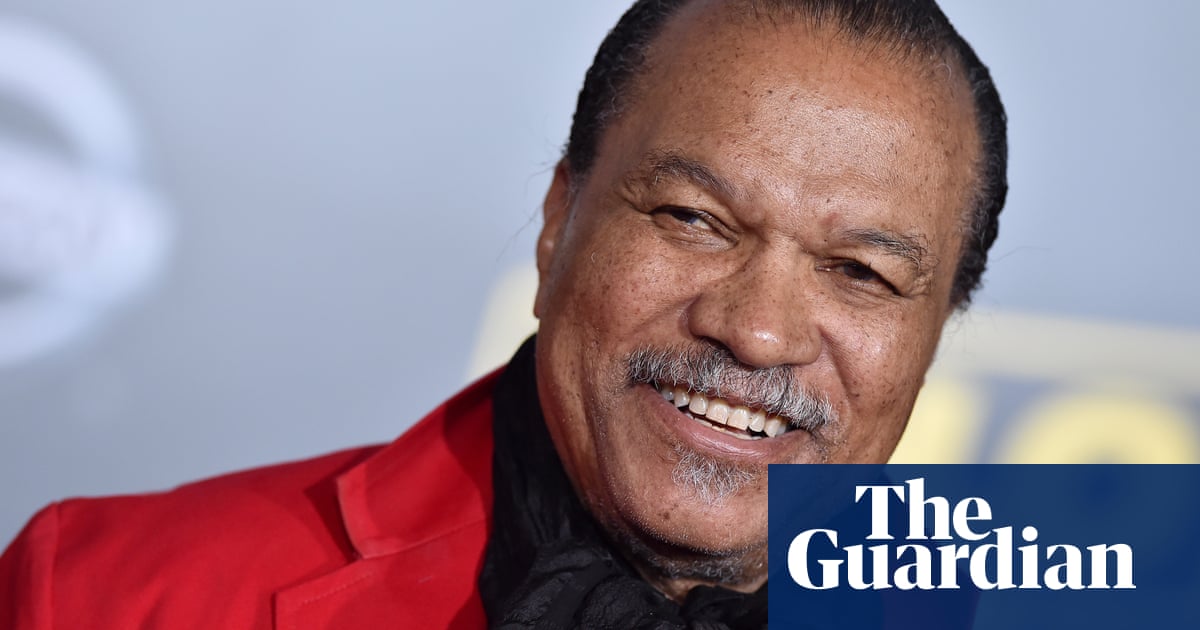
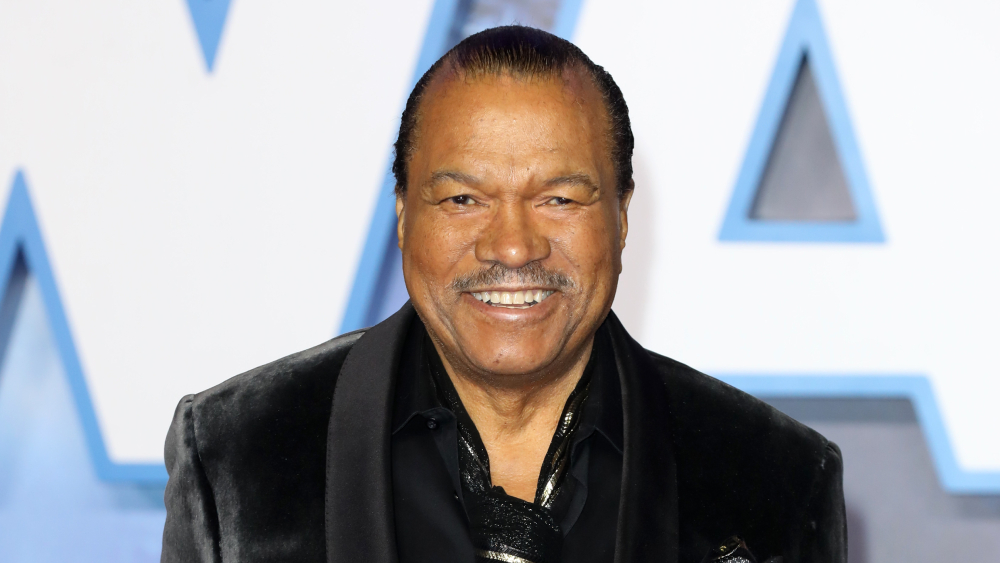
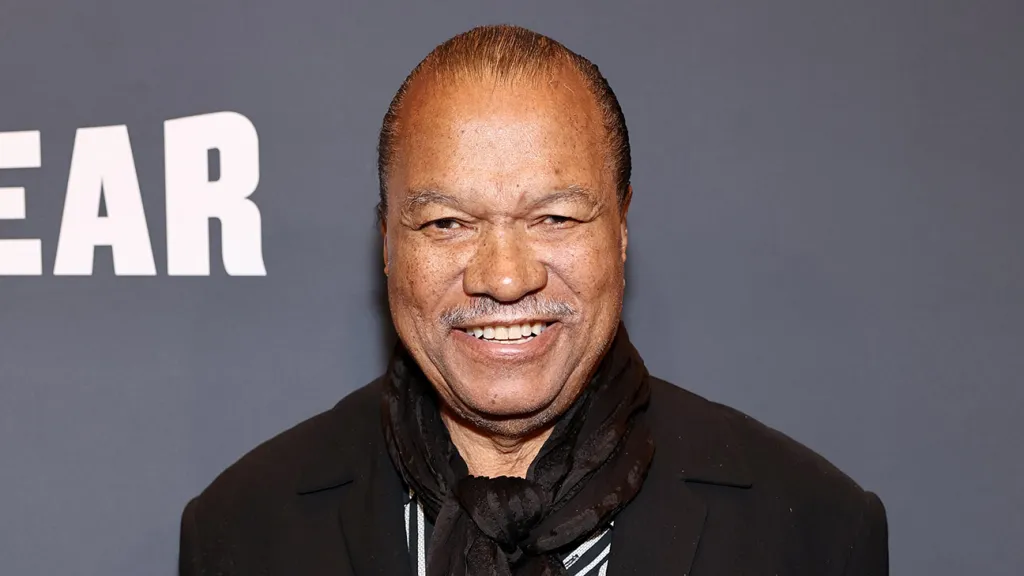
Actor Billy Dee Williams defended the use of blackface in acting, citing Laurence Olivier's portrayal of Othello as an example of comedic performance. Williams expressed the belief that actors should have the freedom to portray any role they choose, and rejected the idea of being limited by racial considerations. His comments have sparked controversy and come as he promotes his memoir, "What Have We Here?".
Billy Dee Williams expressed the belief that actors should be allowed to perform in blackface, citing Laurence Olivier's portrayal of Othello as "really interesting" and expressing a desire for creative freedom without being limited by racial considerations. The Star Wars actor emphasized the importance of individualism and imagination in artistic expression, while also recalling a film studio's discussion of Marlon Brando playing Malcolm X. Williams' comments have sparked controversy and debate over the use of blackface in acting.
Billy Dee Williams expressed his belief that actors should be able to perform in blackface, citing Laurence Olivier's portrayal of Othello as an example. He emphasized the importance of individual creativity and rejected the idea of being limited by racial considerations. Williams, known for his role as Lando Calrissian in "Star Wars," made these comments during a conversation with Bill Maher on the "Club Random" podcast while promoting his memoir.
Actor Billy Dee Williams expressed his belief that actors should be allowed to wear blackface, citing Laurence Olivier's performance in Othello as an example. During a conversation with Bill Maher, Williams defended the idea, stating that actors should be able to do anything they want. Maher pointed out the historical limitations faced by Williams as a black actor, to which Williams responded by rejecting a victim mentality. The discussion also touched on Bradley Cooper's prosthetic nose controversy in Maestro.
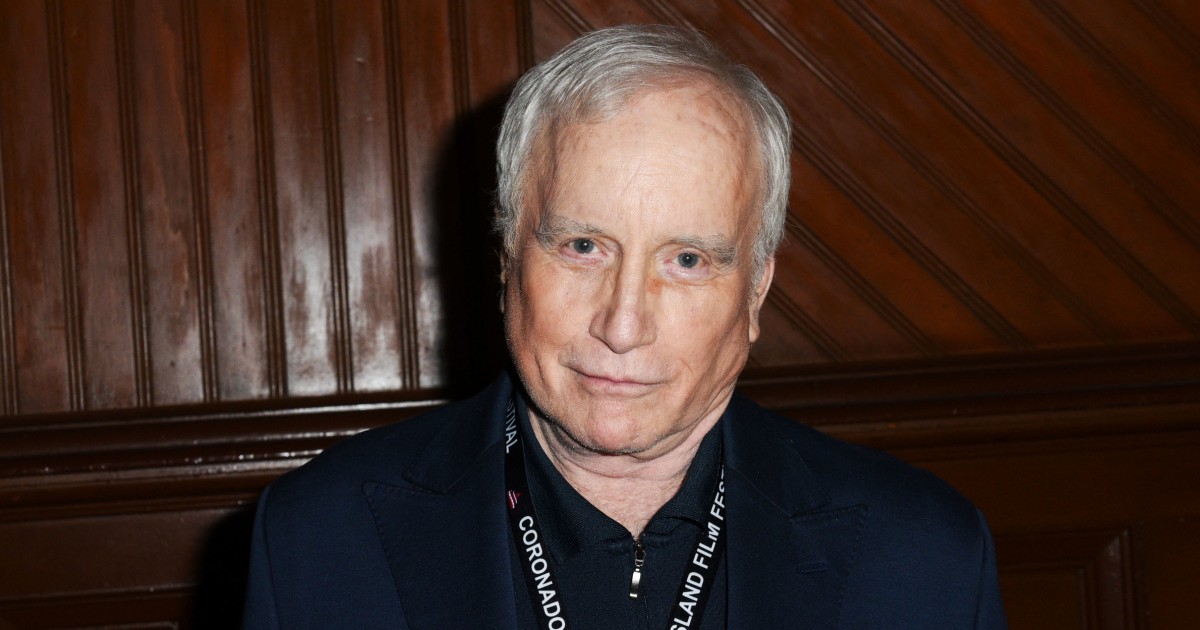
Richard Dreyfuss criticized the Academy's new diversity and inclusion standards, saying they "make me vomit." He defended actors appearing in blackface, citing Laurence Olivier's performance in "Othello." Dreyfuss argued that artists should not be told to conform to the latest idea of morality and that life should be allowed to be life. He also criticized efforts to control curriculum and ban certain books in public schools, calling it cowardly.
The president of West Texas A&M University canceled a student-run drag show, comparing the art form to blackface and arguing that it is offensive to women. The event was intended to raise money for The Trevor Project, an LGBTQ youth crisis intervention and suicide prevention organization. Dozens of students protested the cancellation, while some supported the decision. Legislators in at least 16 states have proposed measures this year that would restrict drag performances, with Tennessee becoming the first state to enact such legislation.