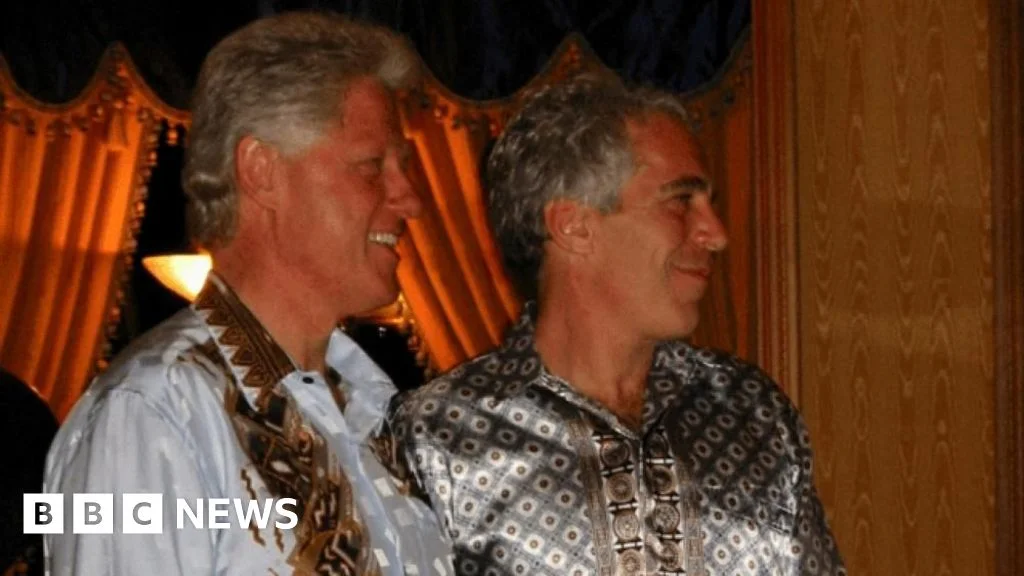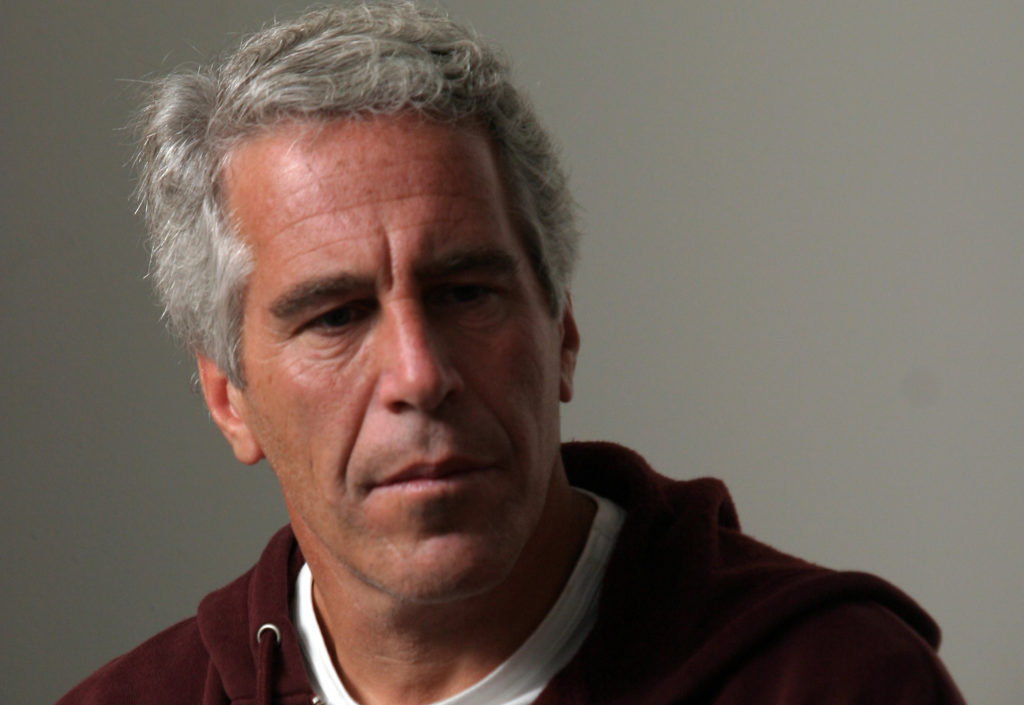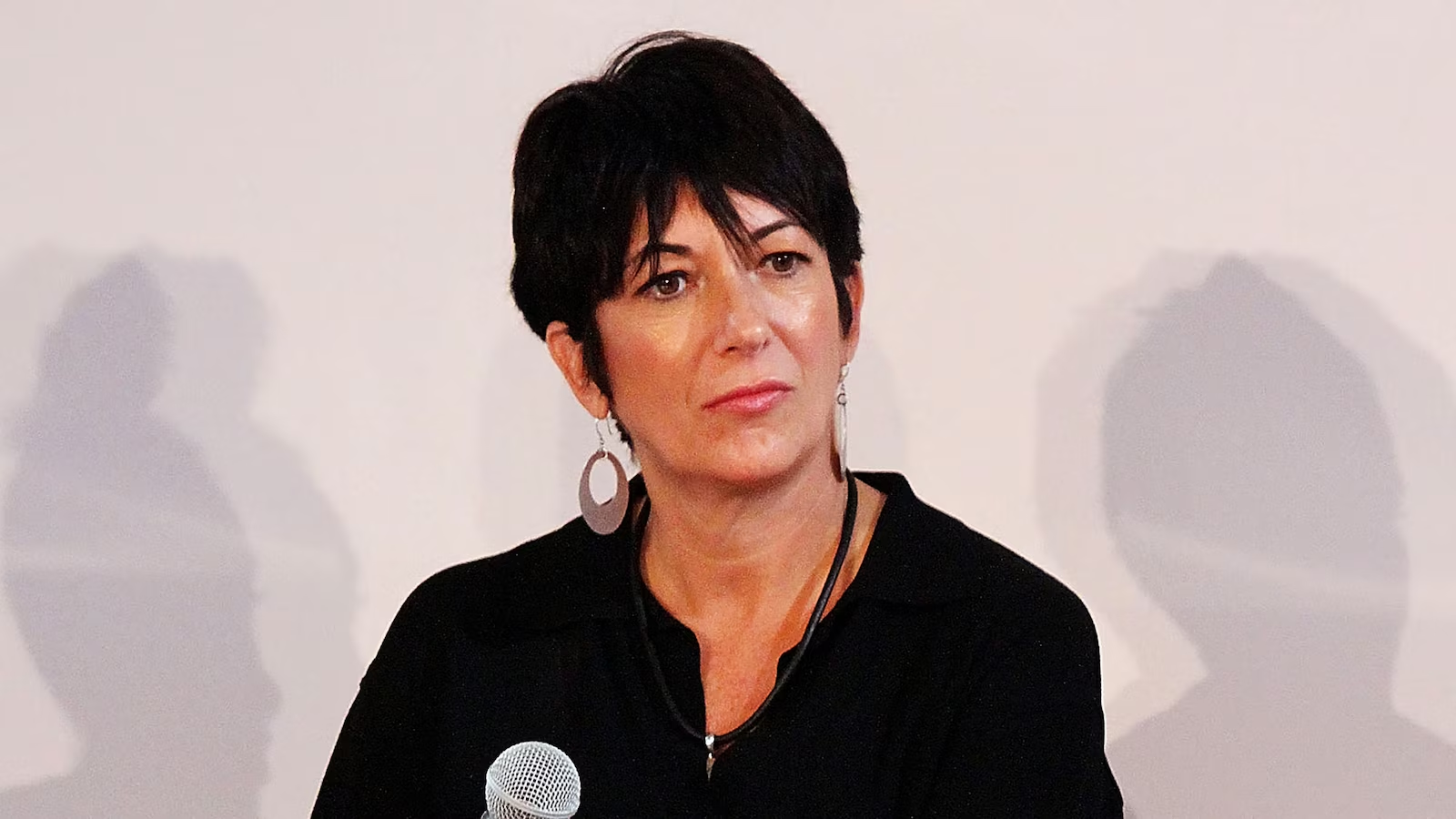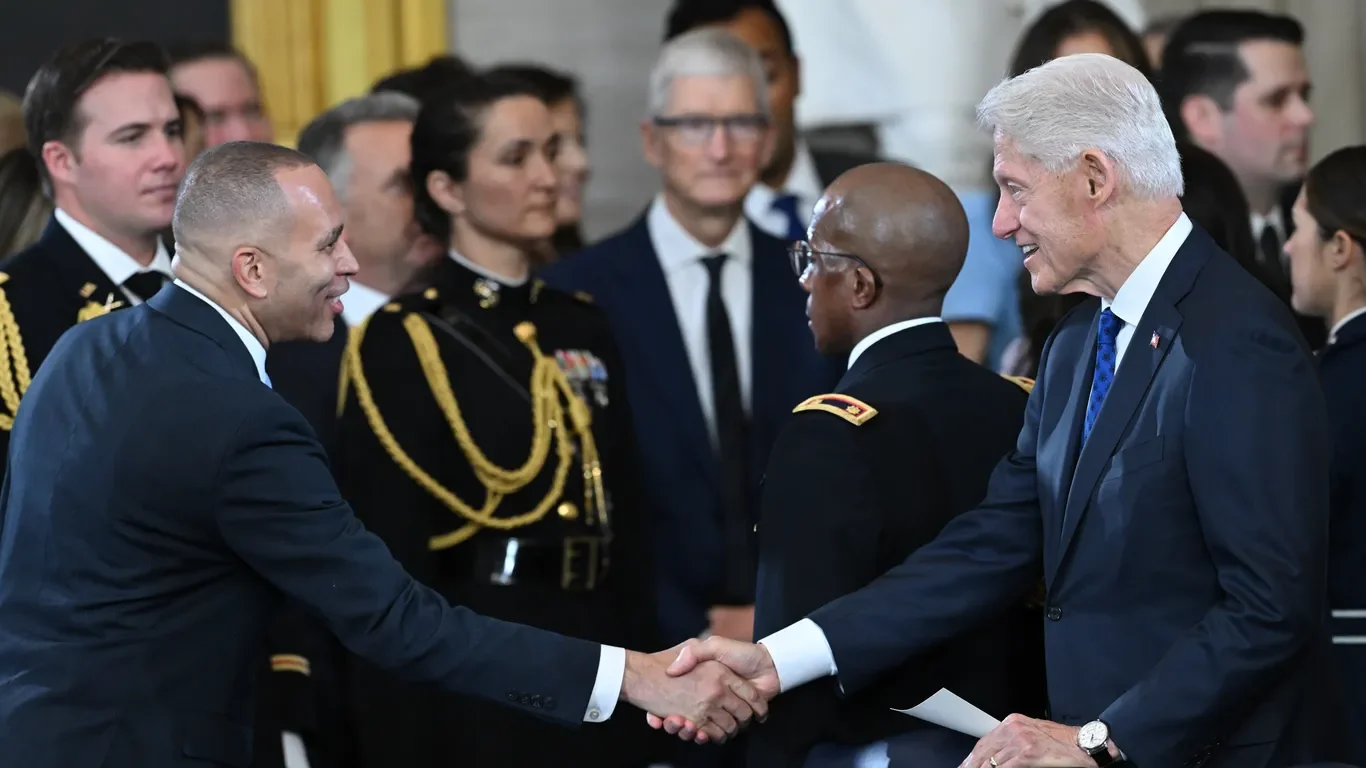
The DOJ released some files related to Jeffrey Epstein investigations, including photos of Bill Clinton with Epstein associates, while withholding others to protect victims' identities, amid ongoing debates over transparency and potential implications for public figures.
The article discusses how Bill Clinton became a central figure in the Jeffrey Epstein scandal, highlighting the connections and implications of the Epstein files related to Clinton.
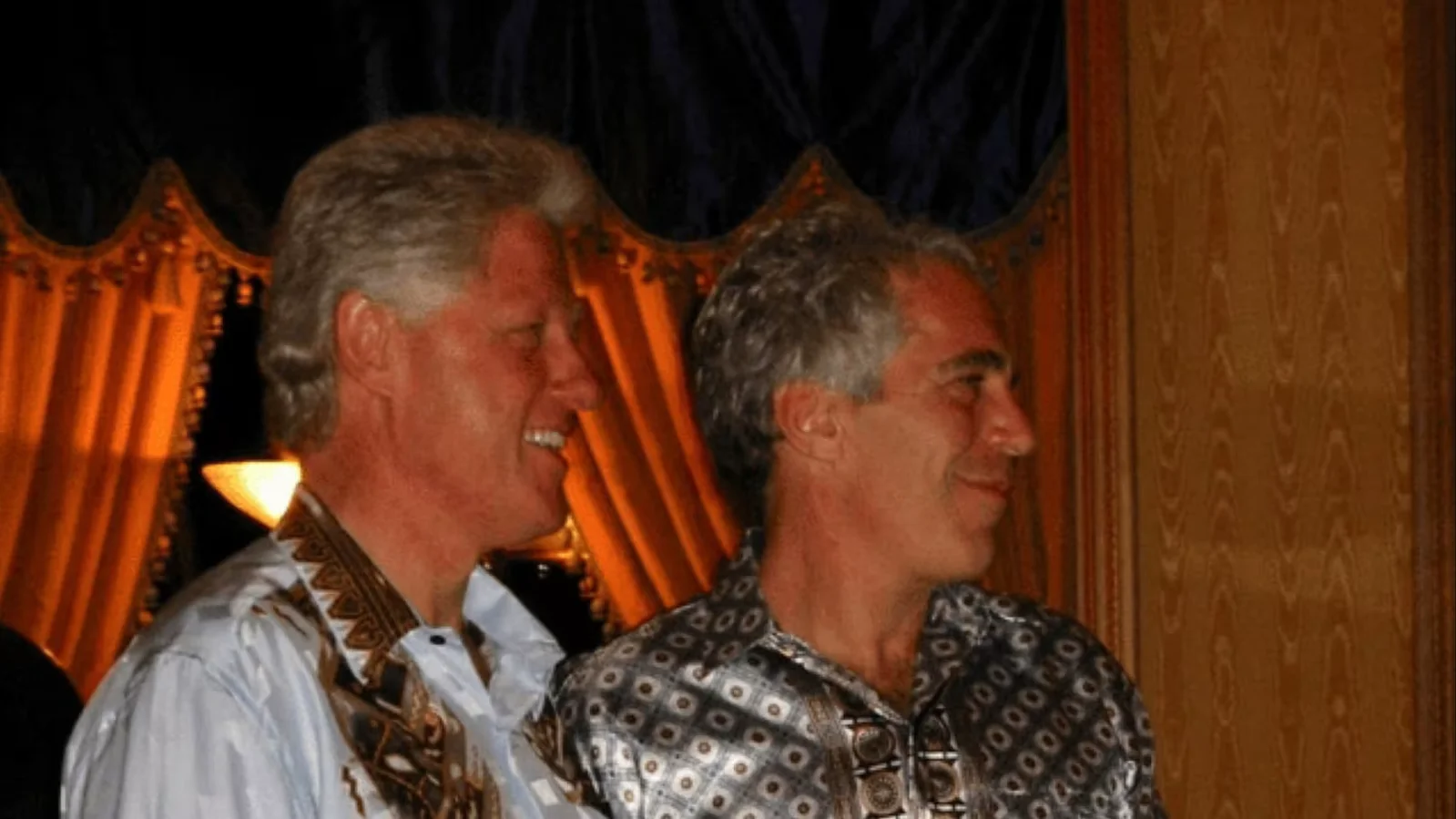
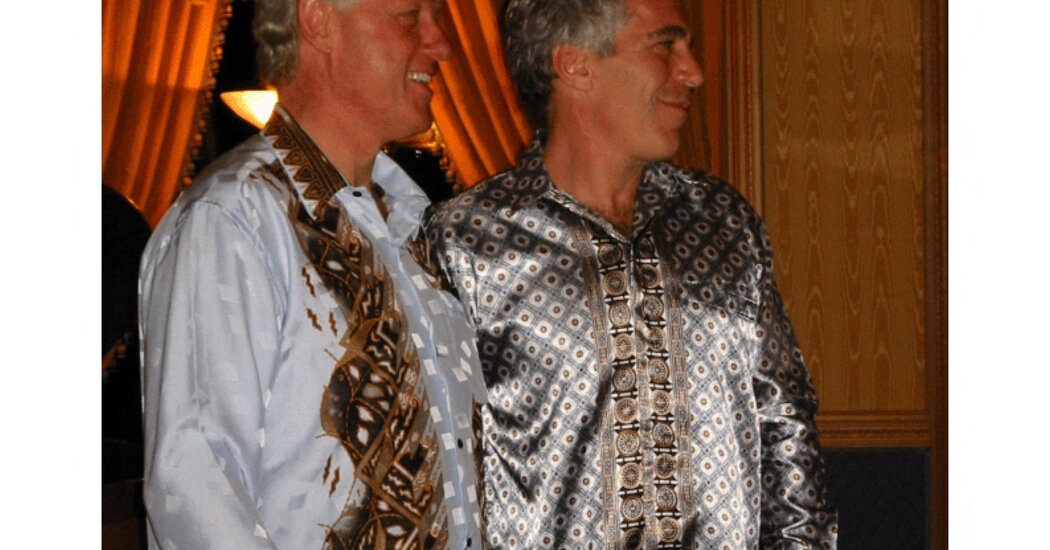
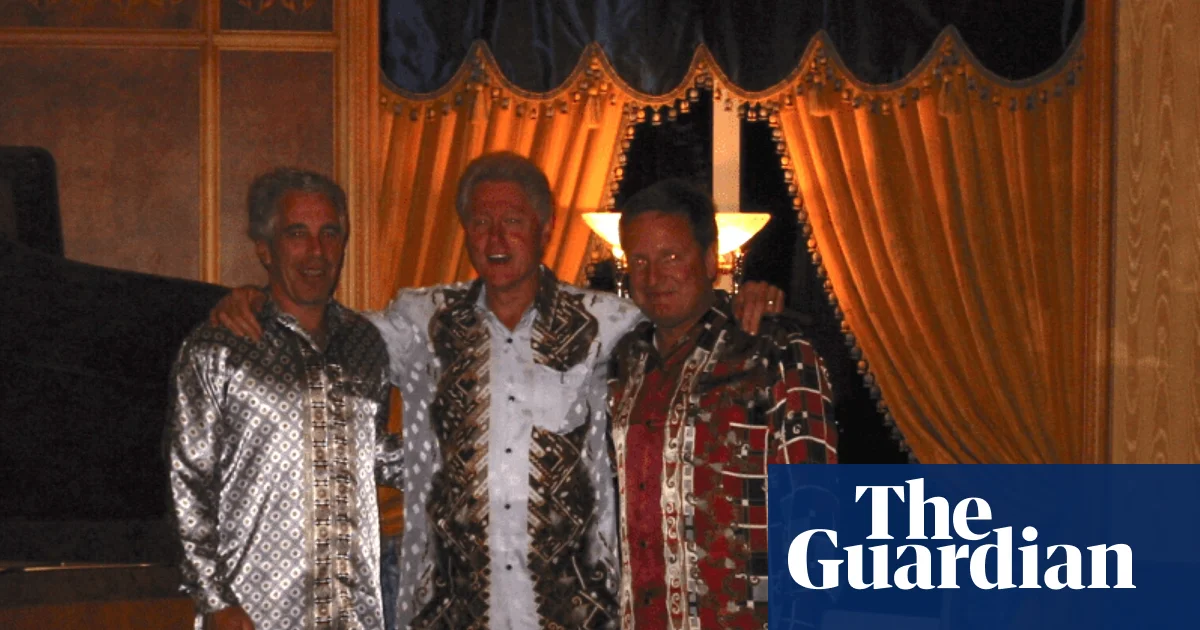
The release of photos showing Bill Clinton with Jeffrey Epstein and others highlights ongoing controversies and scandals involving the former president, illustrating his continued association with Epstein and related figures.
Bill Clinton's spokesperson denies any wrongdoing amid the release of photos linking him to Jeffrey Epstein, accusing the White House of using him as a scapegoat and emphasizing his prior distancing from Epstein, while Clinton faces upcoming depositions related to his ties to Epstein.
The release of heavily redacted files related to Jeffrey Epstein has put Bill Clinton under scrutiny due to his connections with Epstein, including social interactions and trips on Epstein's plane, although Clinton has not been accused of any wrongdoing. The documents are part of ongoing investigations into Epstein's criminal activities, which have become a significant political issue.
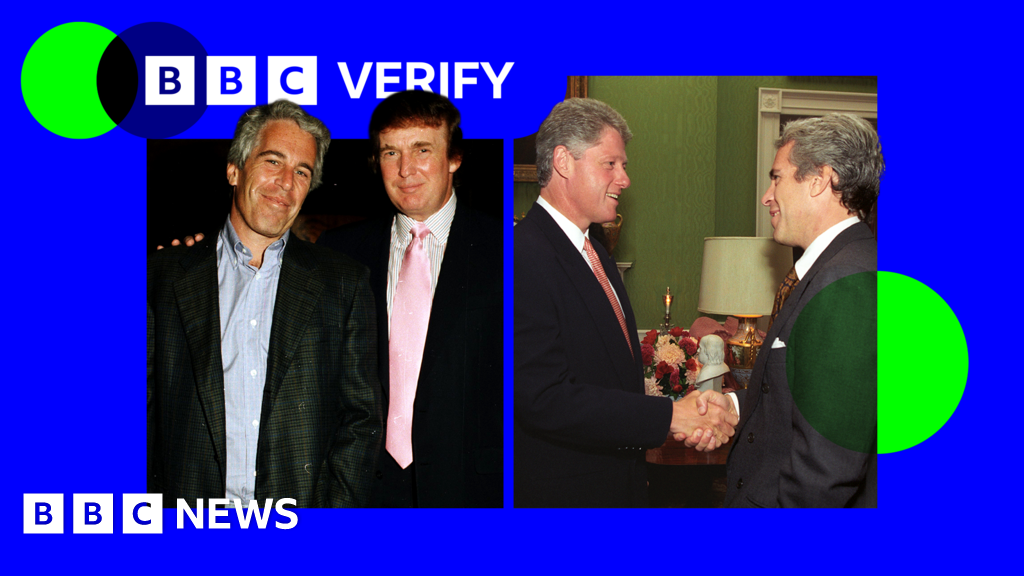
The article examines the decades-long associations between US Presidents Donald Trump and Bill Clinton with Jeffrey Epstein, highlighting their social interactions and denials of wrongdoing, while noting that their relationships reportedly ended years before Epstein's 2019 arrest and subsequent death.
A House committee released a collection of birthday messages sent to Jeffrey Epstein in 2003, revealing entries from notable figures including former President Bill Clinton and others, some of which contain crude or explicit content, shedding light on Epstein's social circle prior to his arrest and charges.
Ghislaine Maxwell told the DOJ that former President Bill Clinton never visited Epstein's island and had no independent relationship with Epstein outside of plane trips, describing Clinton as a friend and denying any wrongdoing or visits to Epstein's island, while also discussing her own connections to Clinton and Epstein's activities.
Representative Comer issued subpoenas for DOJ's Epstein files and depositions with former officials, including a symbolic subpoena of Bill Clinton, amid ongoing disputes over the handling of Epstein-related documents and the broader political controversy involving former presidents and congressional powers.
The Wall Street Journal reports that Jeffrey Epstein's birthday book included an entry from Bill Clinton, adding to the scrutiny of Epstein's connections with influential figures. Donald Trump has denied writing a letter to Epstein and has sued the Journal over the report. Epstein, convicted of soliciting prostitution in 2008 and died in custody in 2019, remains a controversial figure with ongoing investigations into his network.
Bill Clinton reportedly sent a birthday note to Jeffrey Epstein, included in an album with nearly 50 other notable figures, some of which contained inappropriate content. The album was compiled by Epstein's former girlfriend Ghislaine Maxwell, and Clinton's note reflected on their past relationship, though he claimed to have cut ties with Epstein over a decade ago. The article also details other notable signatures and the complex relationships between Epstein, Trump, and other prominent individuals.
Former US President Bill Clinton and author James Patterson collaborated on a political thriller, The First Gentleman, which explores themes of political intrigue, journalism, and a presidential husband's trial for murder, drawing on Clinton's White House experiences and current political issues.
In a recent interview, former President Bill Clinton discussed his views on the upcoming election, diversity, equity, and inclusion (D.E.I.) initiatives, and reflected on one of his personal regrets. Clinton emphasized the importance of these issues in shaping the future political landscape.
Former President Bill Clinton defended President Joe Biden's decision to pardon his son, Hunter Biden, arguing that Hunter faced harsher consequences due to his father's position. Clinton's comments come amid criticism from some Democrats, including California Gov. Gavin Newsom, who expressed disappointment over the pardon. The decision has sparked debate over the use of presidential pardons and its implications for the Democratic Party's stance on the rule of law. Clinton also called for a broader discussion on the pardon process, referencing his own past pardon of his brother.
Bill Clinton expressed regret over President Joe Biden's decision to publicly state he wouldn't pardon his son Hunter, suggesting it weakened Biden's position. Clinton discussed the complexities of the pardon system and the political implications of such decisions at the New York Times' DealBook Conference. He also touched on broader political issues, including the need for clearer Democratic messaging and the challenges of organizing a primary after Biden's decision not to run again. Clinton emphasized the importance of character in politics, despite differing public perceptions.