
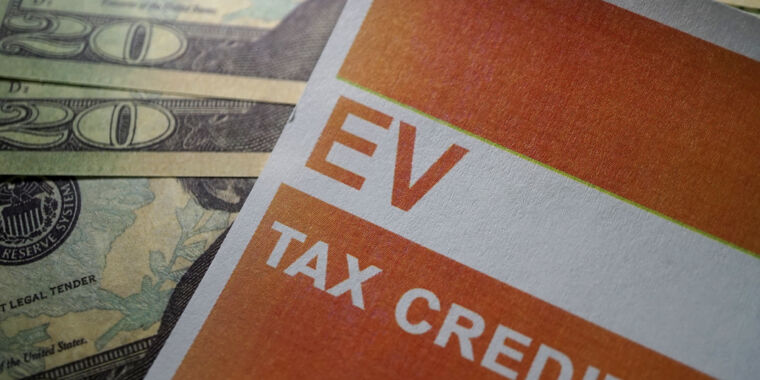
Starting in 2024, new U.S. Treasury Department rules have significantly reduced the number of electric vehicles (EVs) eligible for the clean vehicle tax credit due to strict battery sourcing requirements that exclude materials from "foreign entities of concern," particularly China. The updated guidelines allow for a tax credit of up to $7,500, with conditions such as North American final assembly, income and price caps for buyers, and domestic sourcing for battery components. A limited list of EVs still qualify for the full or partial credit, and dealers can now offer the credit at the point of purchase for both new and used EVs.
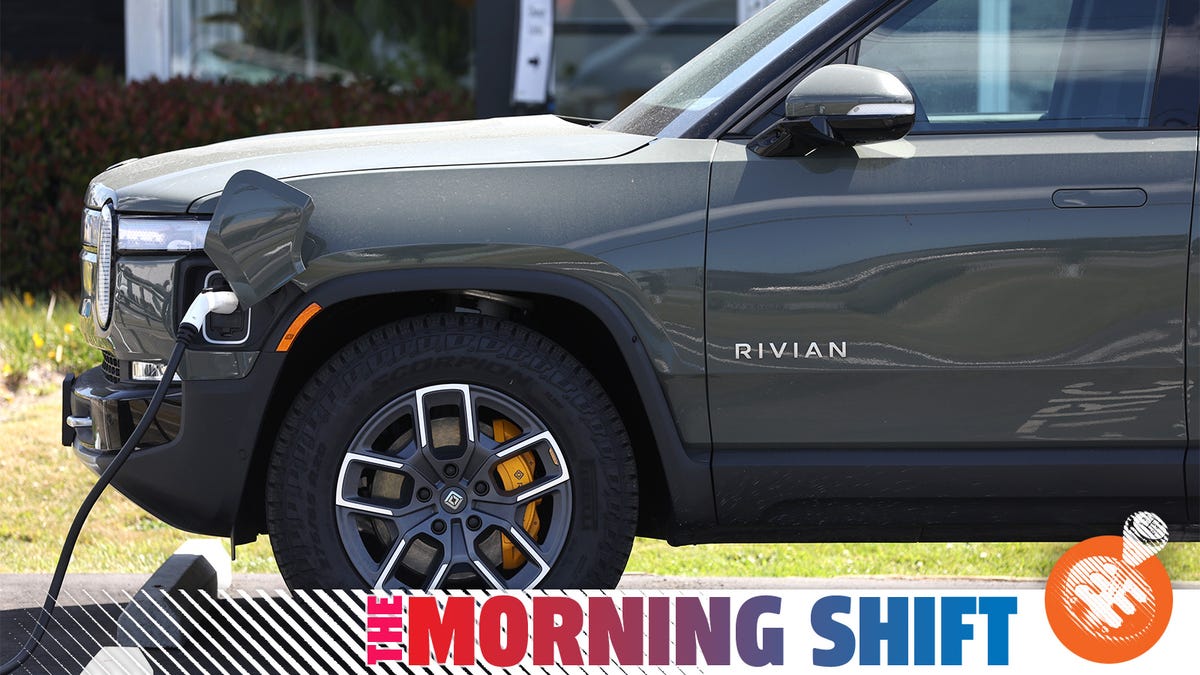
The U.S. Treasury is set to issue guidelines on electric vehicle battery sourcing, which could reduce or eliminate tax credits for many vehicles on the market today. The Inflation Reduction Act mandates that a $7,500 EV tax credit is only available to North American-assembled vehicles that meet certain local battery production and mineral extraction processing standards. Meanwhile, Ford plans to produce half a million F-150 Lightnings annually in Tennessee starting in 2025, and General Motors' Cruise self-driving taxi unit is seeking to expand its testing of autonomous vehicles throughout California. Additionally, the recently-retired CEO of Toyota will remain as head chair of the Japan Auto Manufacturers Association for one more year, and today marks the 34th anniversary of the Exxon Valdez oil spill.