
Tag

Atomic Macos Stealer

All articles tagged with #atomic macos stealer

cybersecurity2 years ago

Beware of Atomic macOS Stealer Malware: Your Keychain Passwords and Crypto Wallets at Risk

A new malware called Atomic macOS Stealer (AMOS) is being sold as a service to malicious parties for $1,000/month. If installed, AMOS can compromise a long list of items including iCloud Keychain passwords, the macOS system password, cookies, passwords, and credit card details from various browsers, and crypto wallets. The malware compresses the data into a ZIP file and sends it back to the malicious party through a C&C server URL. It is important to stay diligent and follow best practices such as downloading and installing software only from the official Apple App Store, using strong passwords and multi-factor authentication, and keeping devices and applications updated.
cybersecurity2 years ago

Beware of Atomic macOS Stealer Malware Targeting Keychain Info, Files, and Crypto Wallets

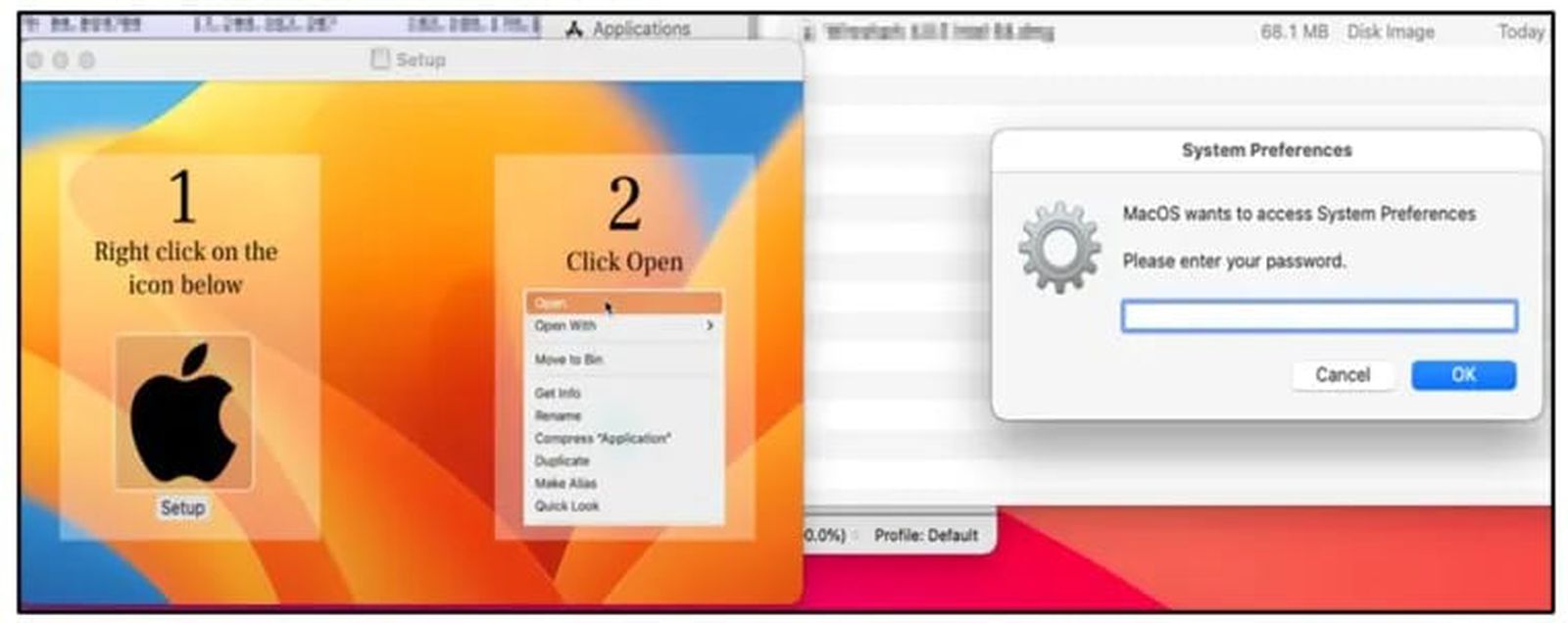
A new Mac malware called Atomic macOS Stealer (AMOS) has been found on Telegram, which is designed to steal sensitive information like usernames and passwords. AMOS can access keychain passwords, system information, files from the desktop and documents folder, and the password of the Mac. It can infiltrate browser apps like Chrome and Firefox, extracting autofill information, passwords, cookies, wallets, and credit card information. Cryptowallets like Electrum, Binance, and Atomic are specific targets. The malware and accompanying services to make it easier to use against victims can be purchased on Telegram for $1,000 per month.

endpoint-security-cryptocurrency2 years ago

"New Atomic macOS Malware Targets Keychain Passwords, Crypto Wallets, and Credit Card Info"

A new information stealer for macOS called Atomic macOS Stealer (AMOS) is being advertised on Telegram for $1,000 per month. The malware can steal Keychain passwords, system information, files, and even the macOS password. It can also extract data from web browsers and cryptocurrency wallets like Atomic, Binance, Coinomi, Electrum, and Exodus. The malware is distributed under the guise of legitimate software and is delivered through phishing websites or by exploiting vulnerabilities. Users are advised to only download and install software from trusted sources, enable two-factor authentication, review app permissions, and refrain from opening suspicious links received via emails or SMS messages.