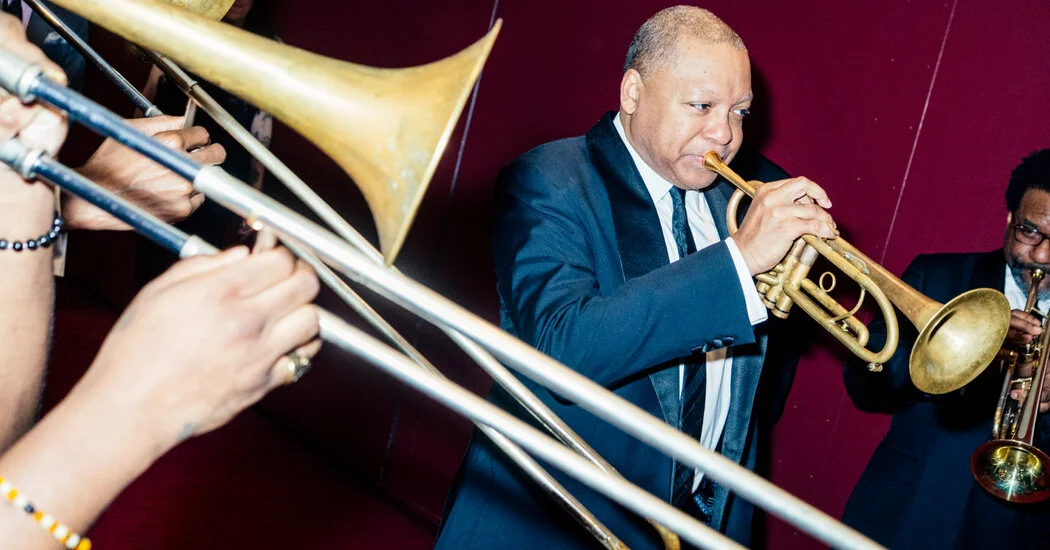
After nearly 40 years, Wynton Marsalis will step down as managing and artistic director of Jazz at Lincoln Center in July 2027, with an advisory role through 2028, as the organization pursues new leadership while expanding its performances and education programs.
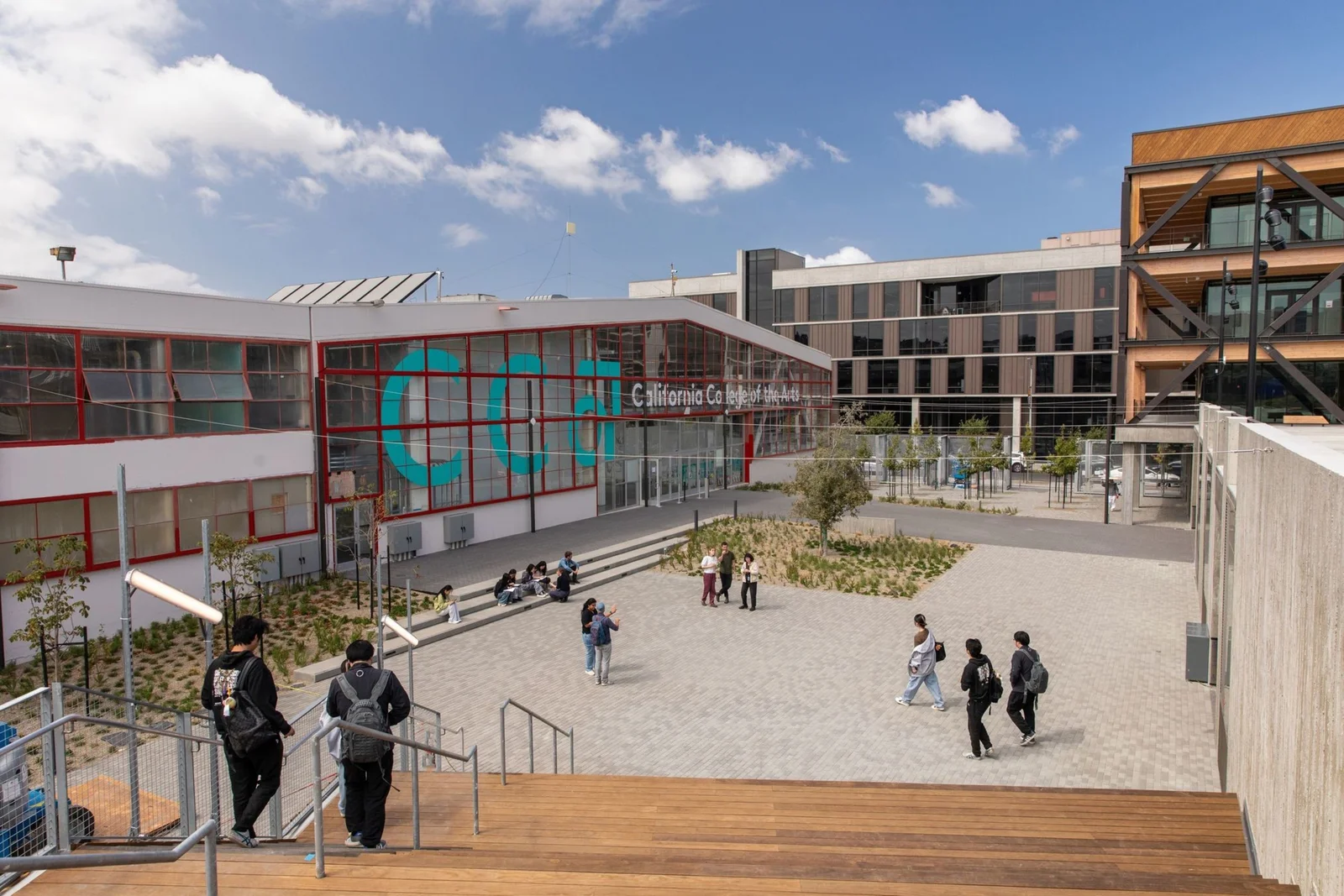
California College of the Arts will cease as an independent institution after 119 years and be taken over by Vanderbilt University at the end of the 2026-27 academic year; CCA will not admit new students next year as enrollment declines and a structural deficit persists. Vanderbilt will assume ownership of CCA's Design District campus and establish undergraduate and graduate programs, with about 1,000 students (roughly 750 on campus) under the new arrangement, down from roughly 1,300 today. Donations, including $45 million from Nvidia's Jensen Huang and a state grant, provided short-term relief but did not secure independent operation. City officials frame the move as a potential boost to downtown San Francisco amid a broader arts-scene contraction.
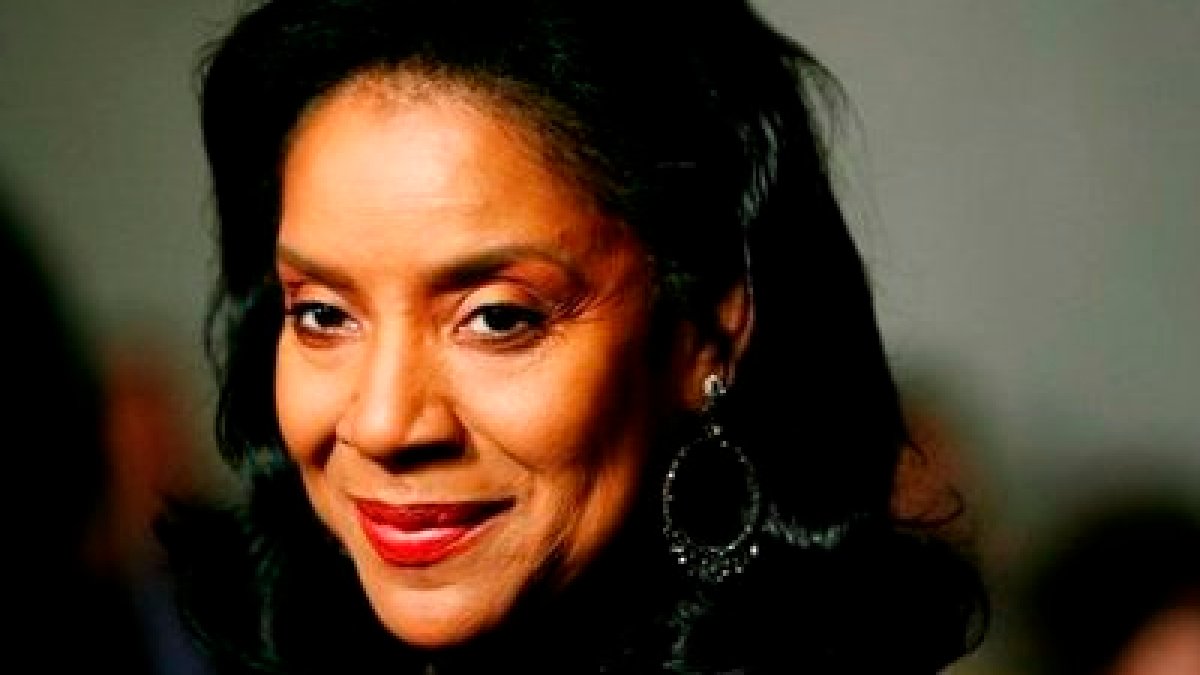
Acclaimed actress and director Phylicia Rashad will resign from her position as dean of the Chadwick Boseman College of Fine Arts at Howard University after the 2023-2024 academic year. Rashad, an alumna of Howard University, returned to her alma mater in 2021 to lead the reestablishment of the College of Fine Arts. During her tenure, she increased contributions to fine arts programming and secured significant donations, including a $5.4 million gift from Netflix to establish The Chadwick A. Boseman Memorial Scholarship. Howard University will soon begin a search for a new dean.
School plays have become the latest battleground in America's political and cultural divisions, with growing scrutiny and objections from both left-leaning and right-leaning parents and school officials. Teachers are facing increasing challenges in selecting age-appropriate productions that avoid controversy, as concerns over depictions of race, gender, and sexuality lead to censorship and cancellations. The polarized political climate and the power of social media have amplified the impact of objections, resulting in self-censorship among teachers. The constraints on play selections are affecting the education of future artists and audience members, limiting exposure to a wide variety of work.
School plays have become the latest battleground in America's political and cultural divisions, with teachers facing growing scrutiny and censorship concerns over the content of their productions. Both left-leaning and right-leaning parents and school officials have raised objections to various plays, citing concerns about depictions of race, gender, sexuality, and controversial themes. The polarized political climate and the power of social media have amplified the impact of these objections, leading to self-censorship among teachers and a struggle to find plays that are both relevant and controversy-free. The constraints on school productions are having an effect on the education of future artists and audience members, limiting exposure to a wide variety of work.