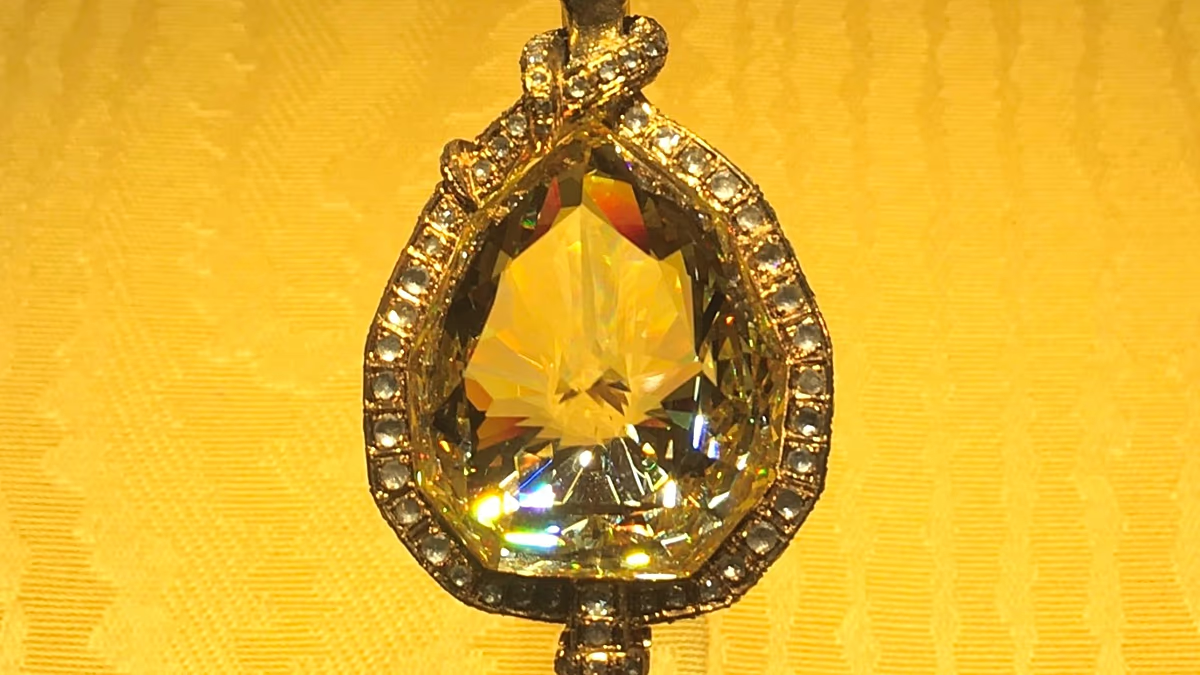
The 137-carat Florentine diamond, once believed lost after the Habsburg family hid it in a Canadian bank vault during WWII, has been rediscovered after a century, ending longstanding speculation about its fate and highlighting its historical significance.
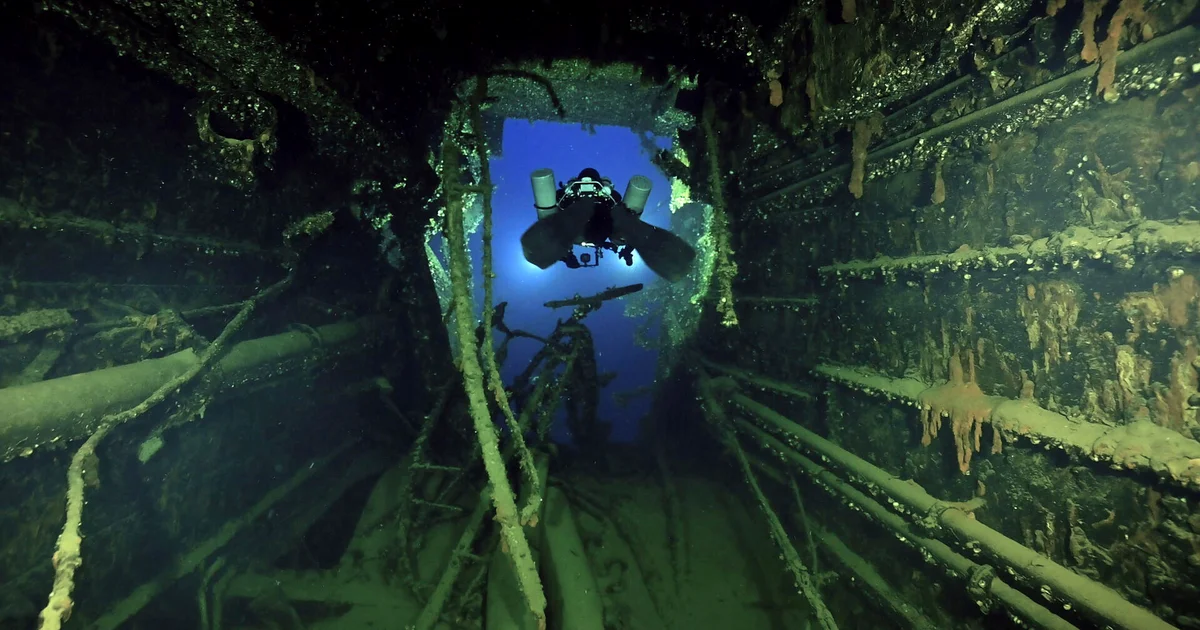
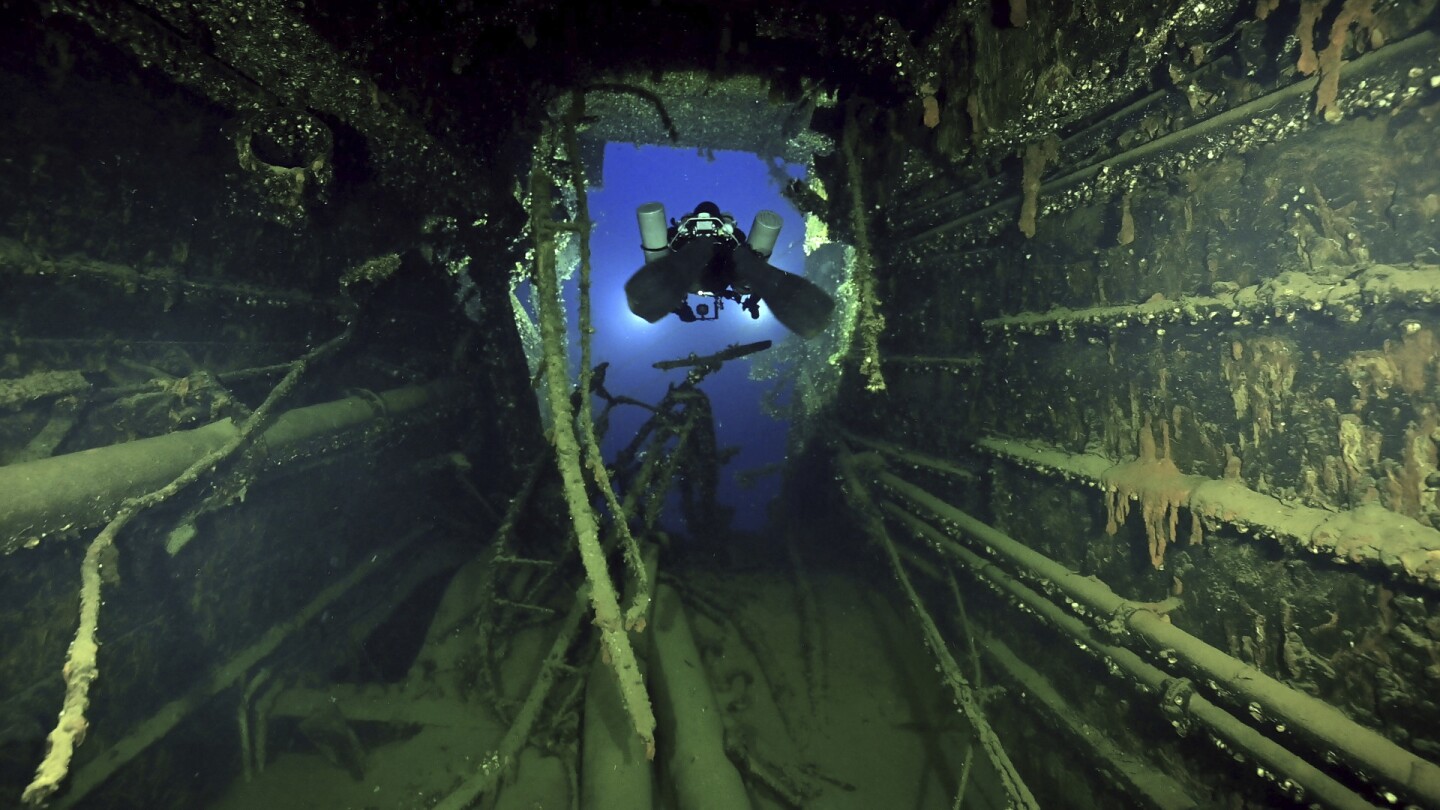
Divers have recovered artifacts from the wreck of Britannic, Titanic's sister ship, which sank in 1916 after hitting a mine during World War I, and these artifacts will be displayed in a new underwater museum in Greece.
Divers have for the first time recovered artifacts from the Britannic, Titanic's sister ship, which sank in 1916 after hitting a mine during World War I, including the ship’s bell and navigation light, and these items will be displayed in a new underwater antiquities museum in Greece.
The company that owns the salvage rights to the Titanic shipwreck has canceled plans to retrieve more artifacts from the site after the leader of the upcoming expedition died in a submersible accident. The decision could impact a court battle with the U.S. government, which has been trying to stop the mission due to concerns about violating federal laws treating the wreck as a gravesite. The company's revised plans now only include imaging and surveys at the wreck site, and they will not send another crewed submersible until the cause of the accident is investigated.
Filmmaker James Cameron, known for his movie "Titanic," shares his perspective on the debate over retrieving artifacts from the Titanic shipwreck. Cameron believes that certain artifacts, such as the Marconi set, should be recovered for public display, as they humanize the tragedy and keep the history alive. However, he draws the line at altering the wreck's appearance, advocating for the bow and stern sections to stand as monuments. Cameron also expresses the importance of responsible diving and urges citizen explorers to be discerning about the submersible companies they choose.