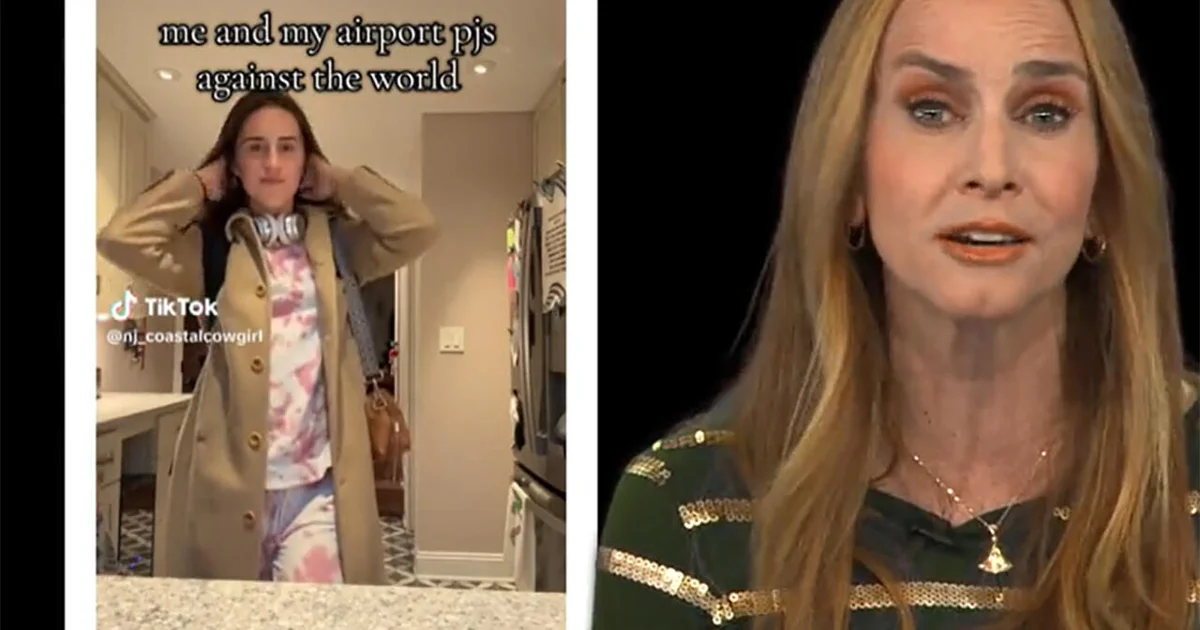
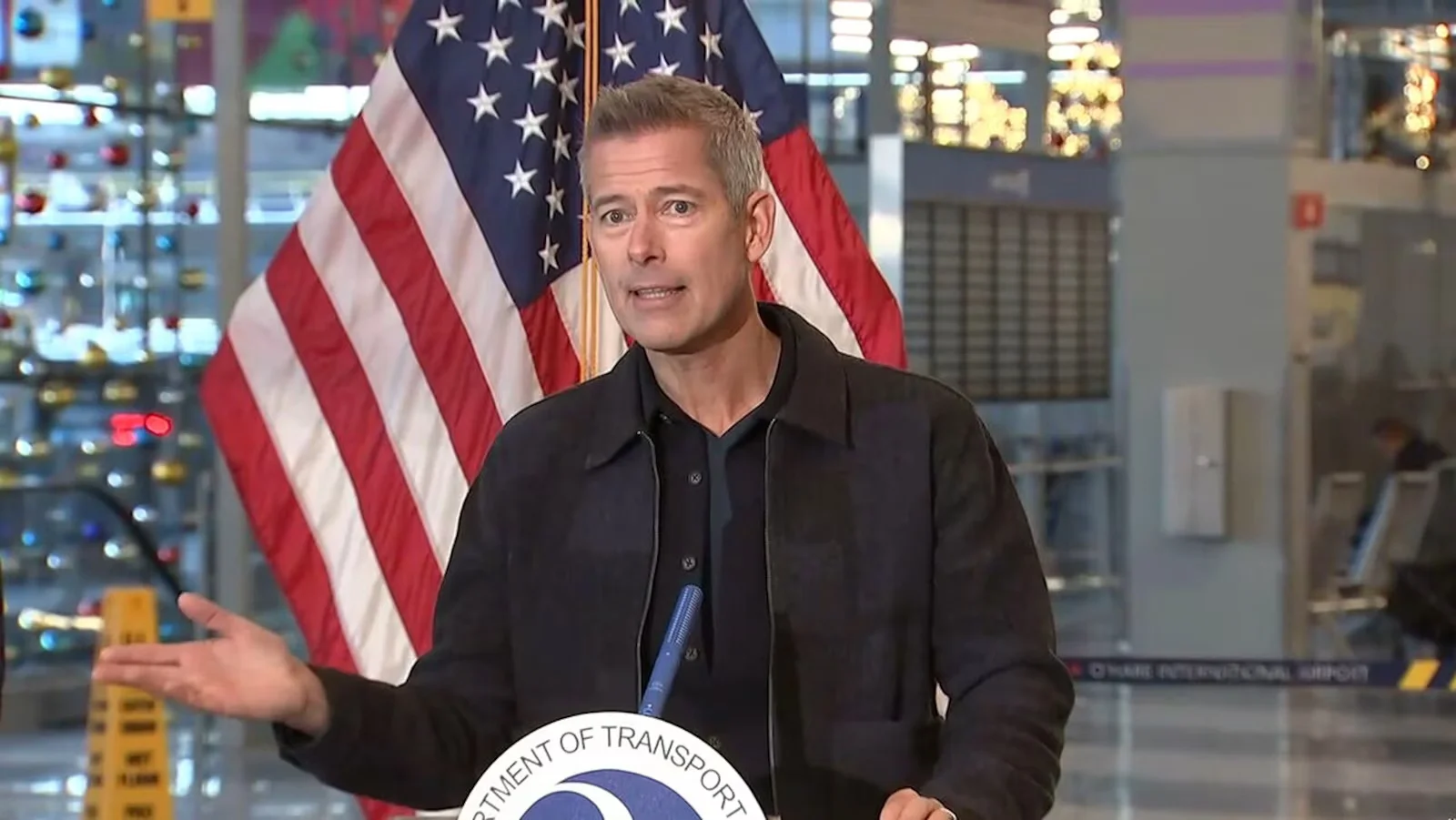
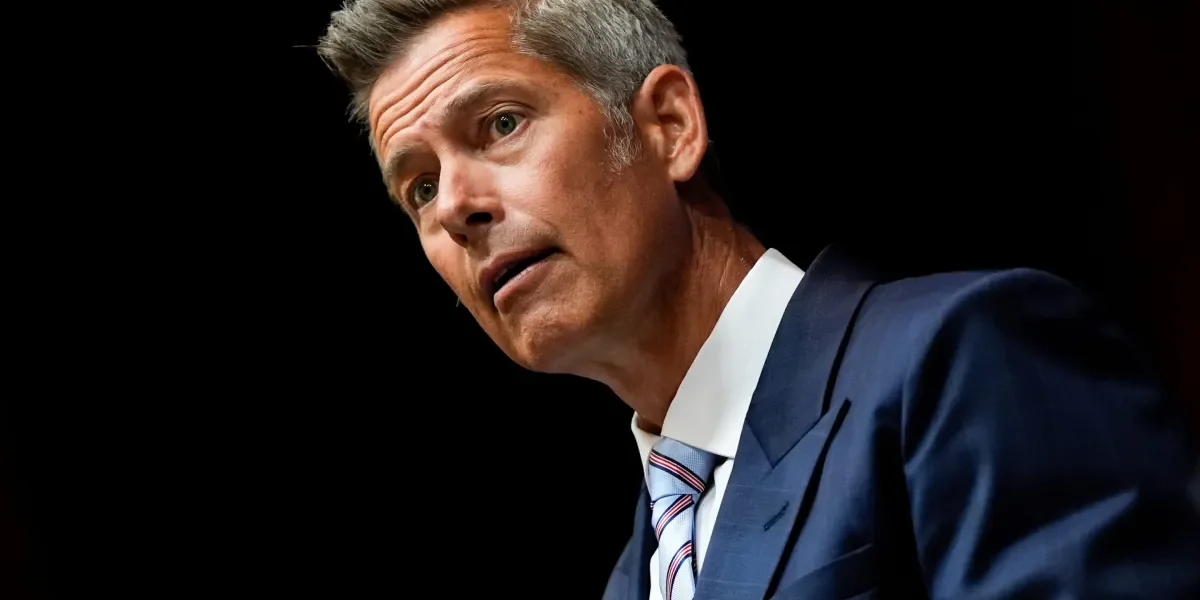
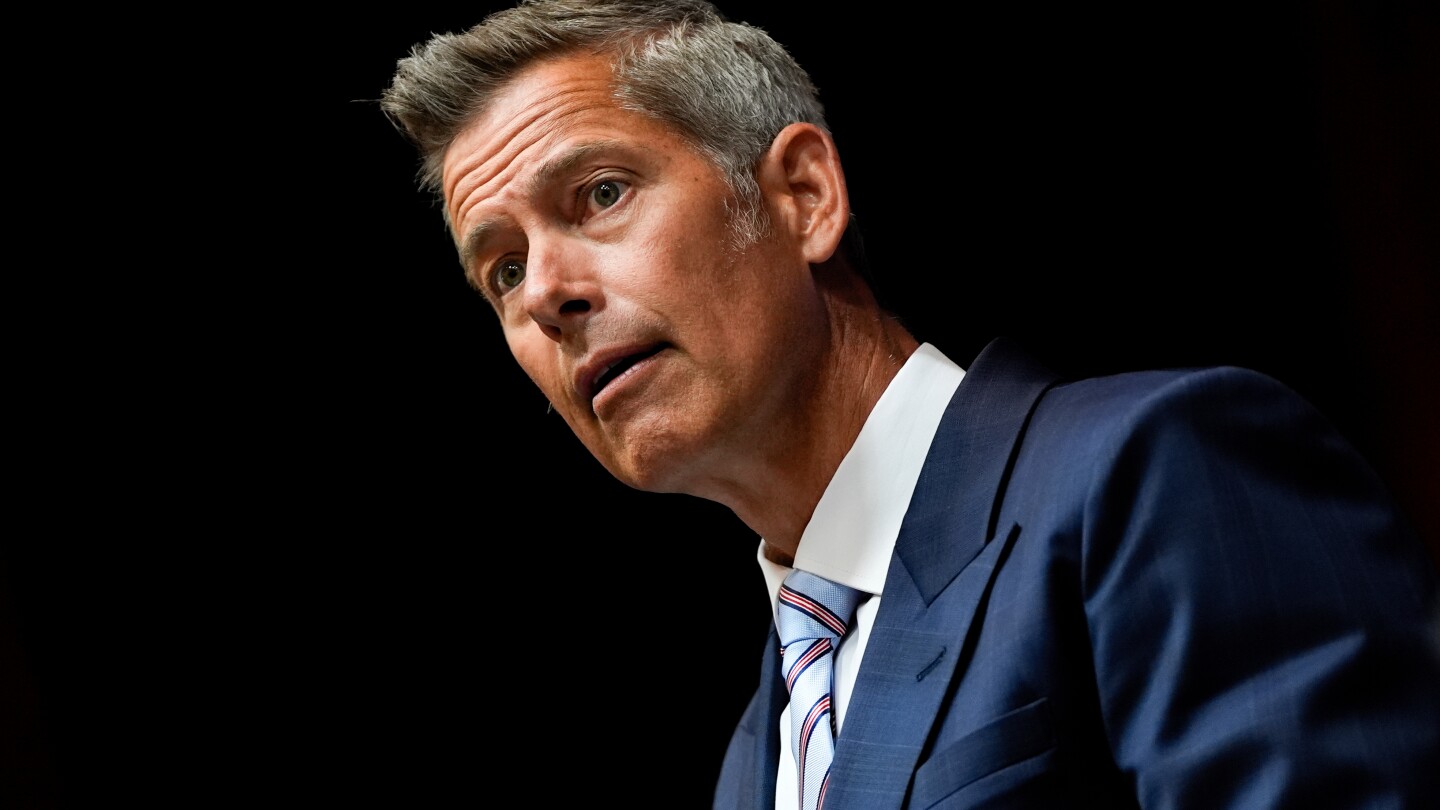
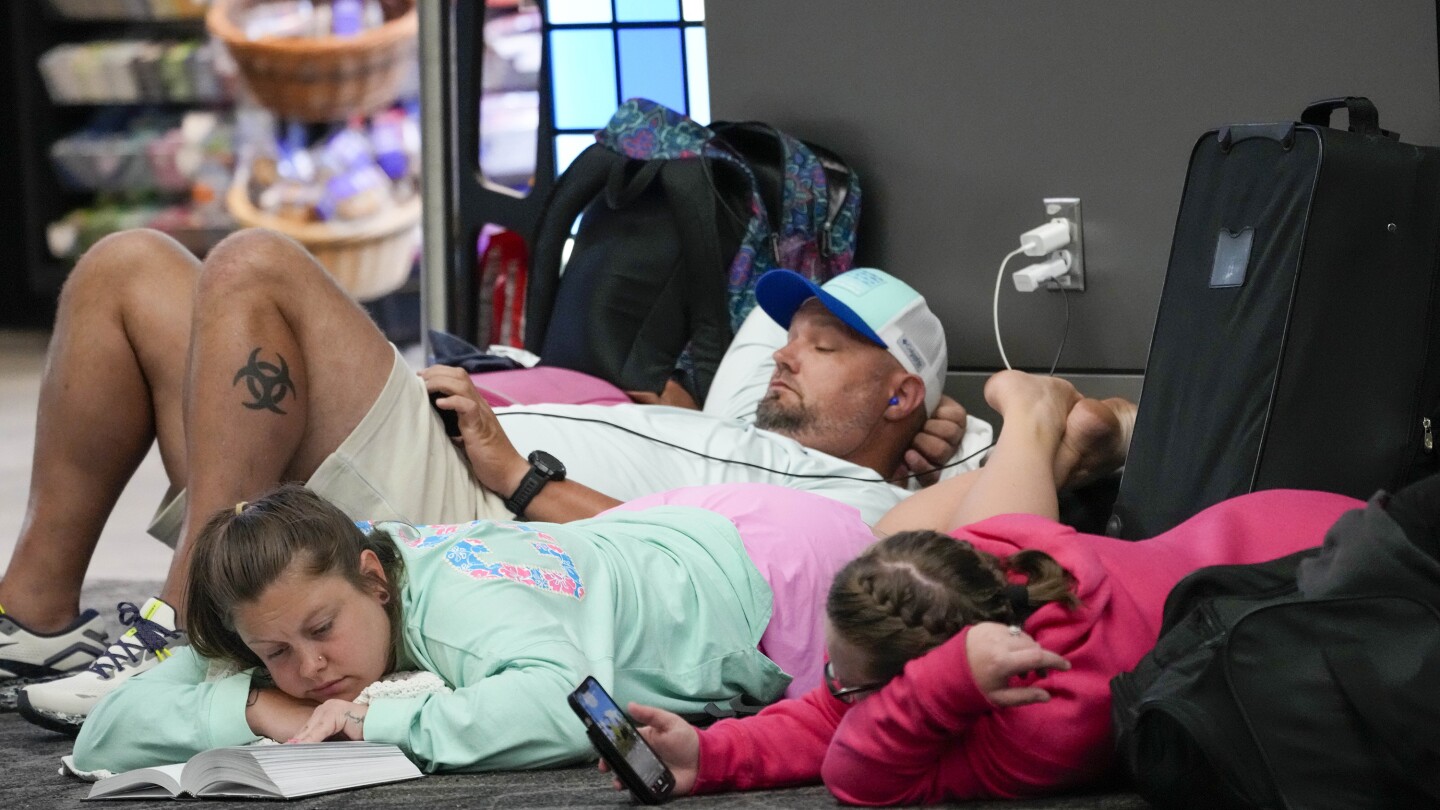
Faith Salie comments on Secretary of Transportation Sean Duffy's call for passengers to dress up for flights to promote civility, while humorously criticizing airline delay reimbursements and the notion that dressing better improves behavior, emphasizing that punctuality and safety are more important than fashion in air travel.
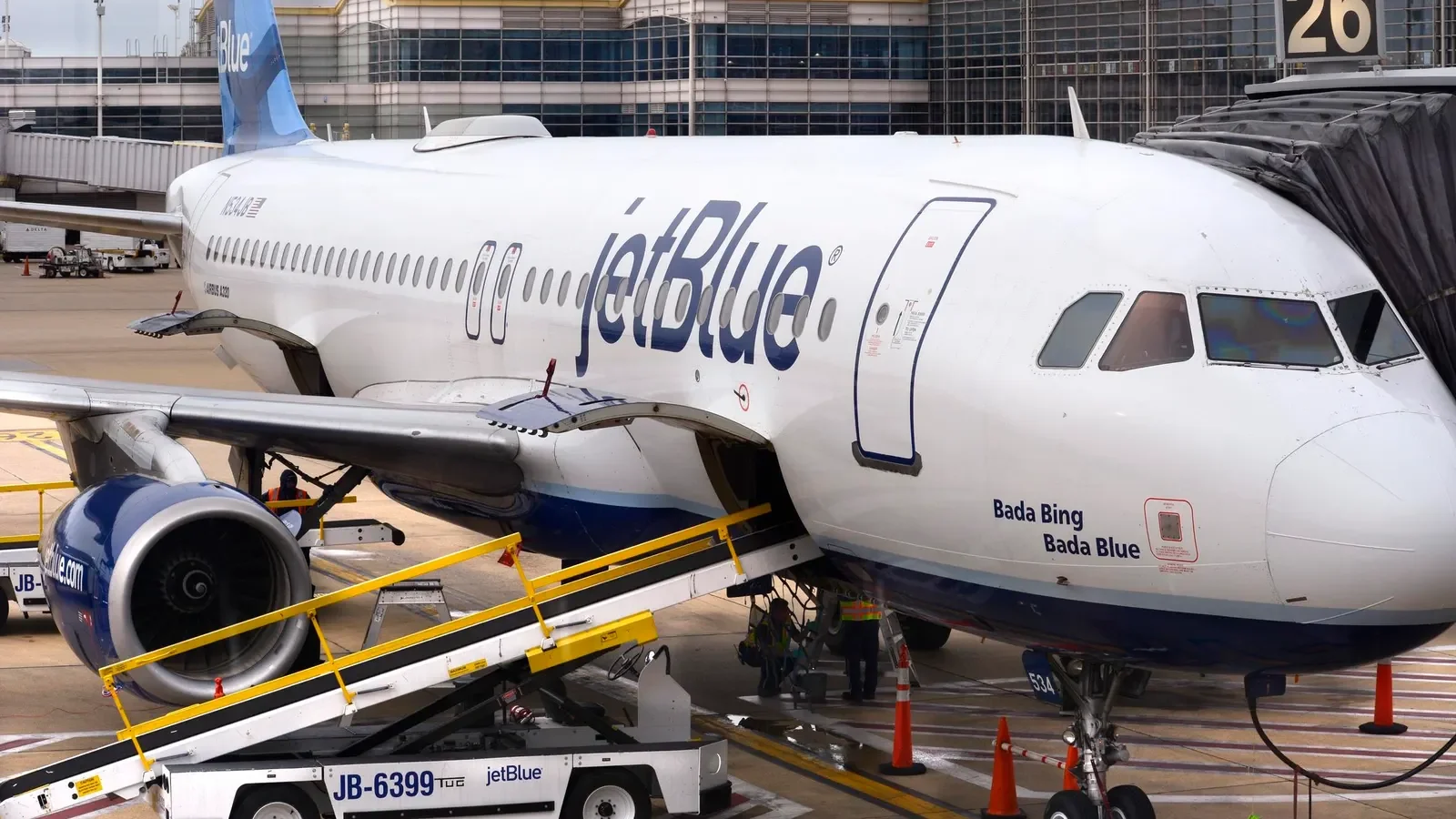
Airbus's stock dropped over 9% after a major software glitch affected nearly half of its A320 aircraft, though most have now been fixed with software updates, with ongoing efforts to repair the remaining planes. The company prioritized safety and apologized for passenger delays.
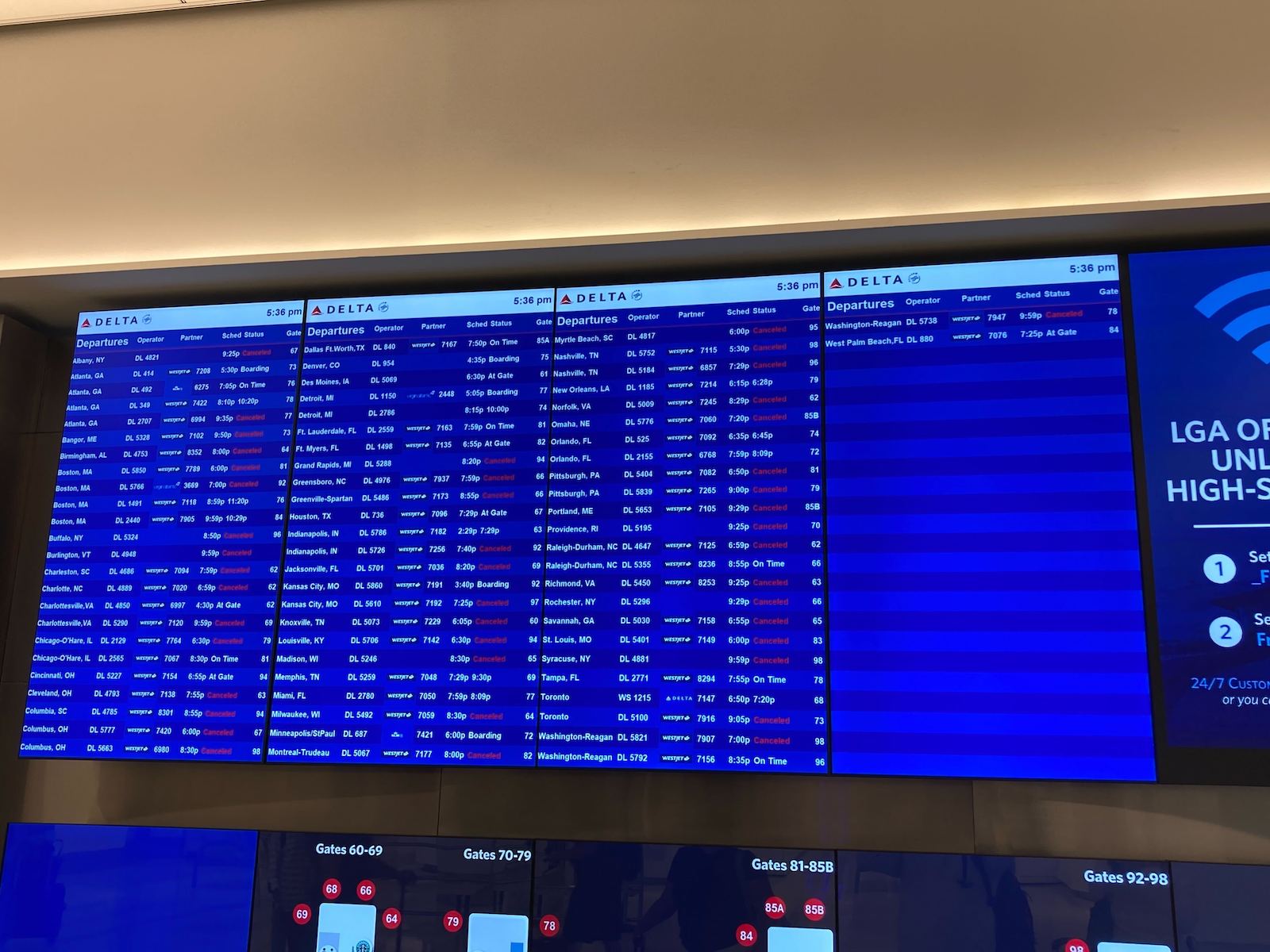
Air traffic control staffing shortages due to the government shutdown have caused significant flight cancellations and delays, but improvements are underway as more controllers return to work and a potential shutdown end is near. Flight reductions at major airports will continue at 10% until safety data improves, and full airline network recovery may take several days after the shutdown ends. Controllers are expected to receive most of their pay shortly after reopening, but ongoing political delays could cause further disruptions. Travelers are advised to check flight statuses and consider early morning flights for fewer delays.
During the US government shutdown, air traffic controllers who call in sick risk being fired, as the FAA faces a critical staffing shortage causing delays at airports nationwide. Despite understanding their frustrations over unpaid work, officials emphasize the importance of dedication to prevent disruptions, with some controllers considering second jobs to make ends meet. The situation highlights the ongoing impact of the shutdown on national infrastructure and the pressure on Congress to resolve the standoff.
The U.S. Transportation Secretary warned air traffic controllers to show up for work during the government shutdown or face termination, citing a critical staffing shortage that is causing widespread flight delays. Despite frustrations and financial stress among controllers, the union emphasizes the importance of maintaining operations, while the government emphasizes discipline to prevent disruptions.
During the ongoing U.S. government shutdown, air traffic controllers are under stress due to unpaid work and staffing shortages, echoing similar issues from the 2019 shutdown that caused airport delays; the situation raises concerns about potential disruptions in air travel.
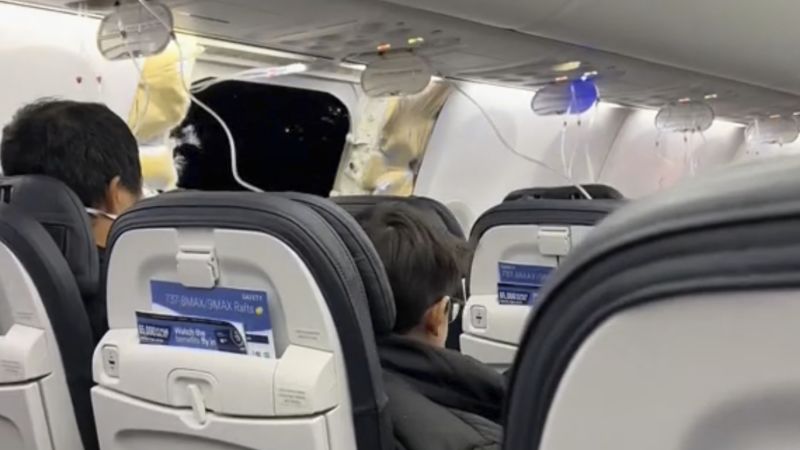
After an Alaska Airlines Boeing 737 MAX 9 plane made an emergency landing due to a blown-out panel and window, the FAA ordered the grounding of 171 MAX 9 planes for inspection, causing flight cancellations and delays for several airlines. Alaska Airlines, United Airlines, Turkish Airlines, and Copa Airlines are among those affected, with thousands of passengers impacted. The incident has raised concerns about Boeing's prioritization of safety over speed to market, prompting a federal investigation and calls for a thorough examination of the MAX 9 fleet's structural integrity.
Over 30,000 flights in the U.S. have been delayed or canceled this week due to a combination of factors including staffing issues, congested airspace, and summer thunderstorms. Storms across the Midwest and East Coast, coupled with ongoing shortages of air traffic controllers, have caused disruptions at multiple airports. The Federal Aviation Administration (FAA) has faced criticism for not being prepared for the storms and for its aging technology. Staffing shortages within airlines have also contributed to the problems. While clearer weather is expected in the coming days, it may take some time for airlines to catch up and for affected passengers to reach their destinations.
Delays and cancellations at U.S. airports are worsening ahead of the long July 4 holiday weekend, posing a significant challenge for airlines struggling to handle the surge in passenger numbers. Thunderstorms along the East Coast have been causing the most disruptions, with over 2,000 flights delayed and more than 700 canceled. The FAA temporarily grounded flights to major airports in the New York City area and the Washington D.C. region due to the weather. Additionally, the possibility of 5G wireless service interfering with airline operations in bad weather further complicates the situation. United Airlines and JetBlue have been particularly affected, with United canceling over 300 flights and JetBlue canceling 9% of its flights. Passengers have expressed frustration with the lack of customer service and assistance from airlines. The number of air travelers is expected to reach a pandemic-era record over the holiday weekend, with Thursday predicted to be the busiest day. Transportation Secretary Pete Buttigieg has criticized airlines for their customer service and scheduling practices, while airlines have blamed FAA staffing shortages for the disruptions.
Airline delays and cancellations are worsening ahead of the July 4 holiday weekend, with nearly 1,300 flights delayed and 700 flights canceled in the US. Thunderstorms in the Northeast have compounded the disruptions, and the situation is expected to spread westward. On the East Coast, about 6,500 flights were delayed and 1,900 were canceled on Tuesday. The surge in travel, with passenger numbers nearing pre-pandemic levels, has put pressure on airlines struggling to keep up. Frustrated passengers have taken to social media to vent their frustrations, and if large numbers are stranded or delayed this weekend, federal officials and airlines may blame each other. Transportation Secretary Pete Buttigieg has criticized airlines for their customer service, while United Airlines CEO Scott Kirby blamed a shortage of air traffic controllers for disruptions at its Newark hub. The FAA has admitted to being understaffed and lacking a plan to address the problem.