UK scientists found that people struggle to distinguish AI-generated faces from real ones without training, but a short five-minute training can significantly improve detection by highlighting common AI flaws, raising concerns about AI deception and the need for better detection methods.

AI can generate hyperrealistic faces that are difficult to distinguish from real photos, even for super recognizers. However, short training sessions that highlight common AI rendering errors can significantly improve people's ability to detect fake faces, suggesting potential for human-AI collaborative detection methods. The study emphasizes slowing down and inspecting features to better identify fakes, though the longevity of training effects remains uncertain.
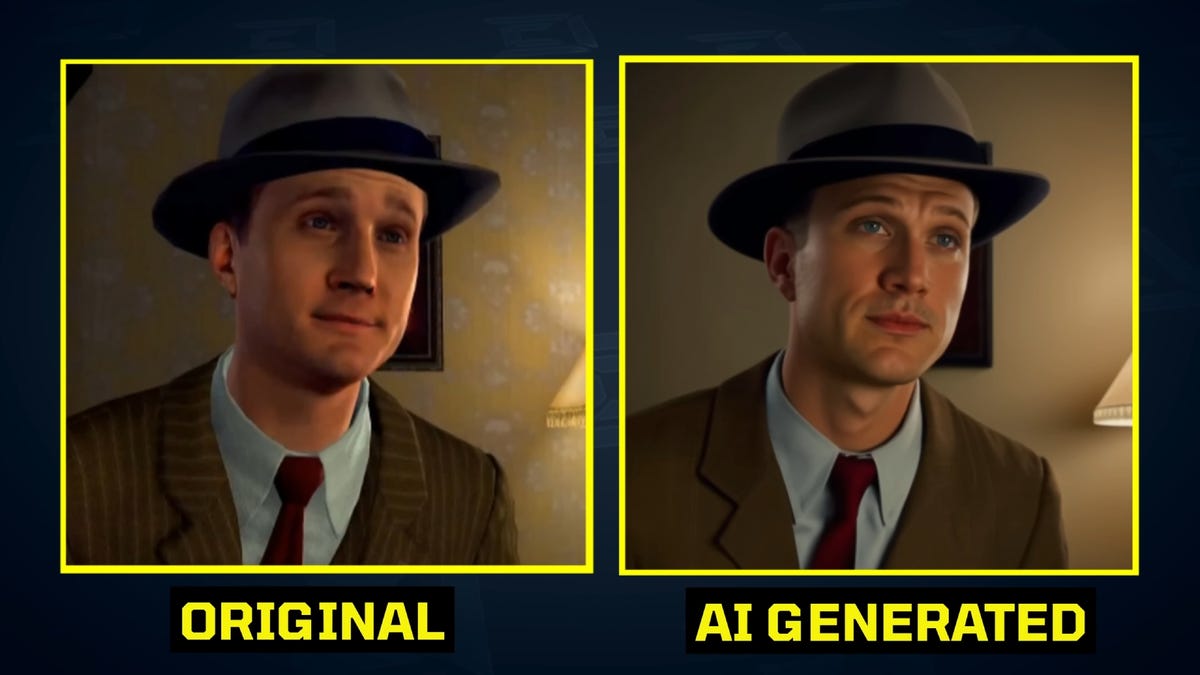
YouTube channel Corridor Digital faces backlash for its latest video showcasing AI-filtered video game faces, claiming to revolutionize how characters are rendered. Critics argue that hyper-realistic visuals do not automatically elicit emotional connections with players and that intentional design and art direction are more important. Professionals and fellow YouTubers criticize the video for misunderstanding what makes video games compelling. Commenters express disappointment and ask the channel to return to pop culture-themed content. Corridor Digital acknowledges the limitations of their experiment and the importance of humanistic expressions in original digital art.